

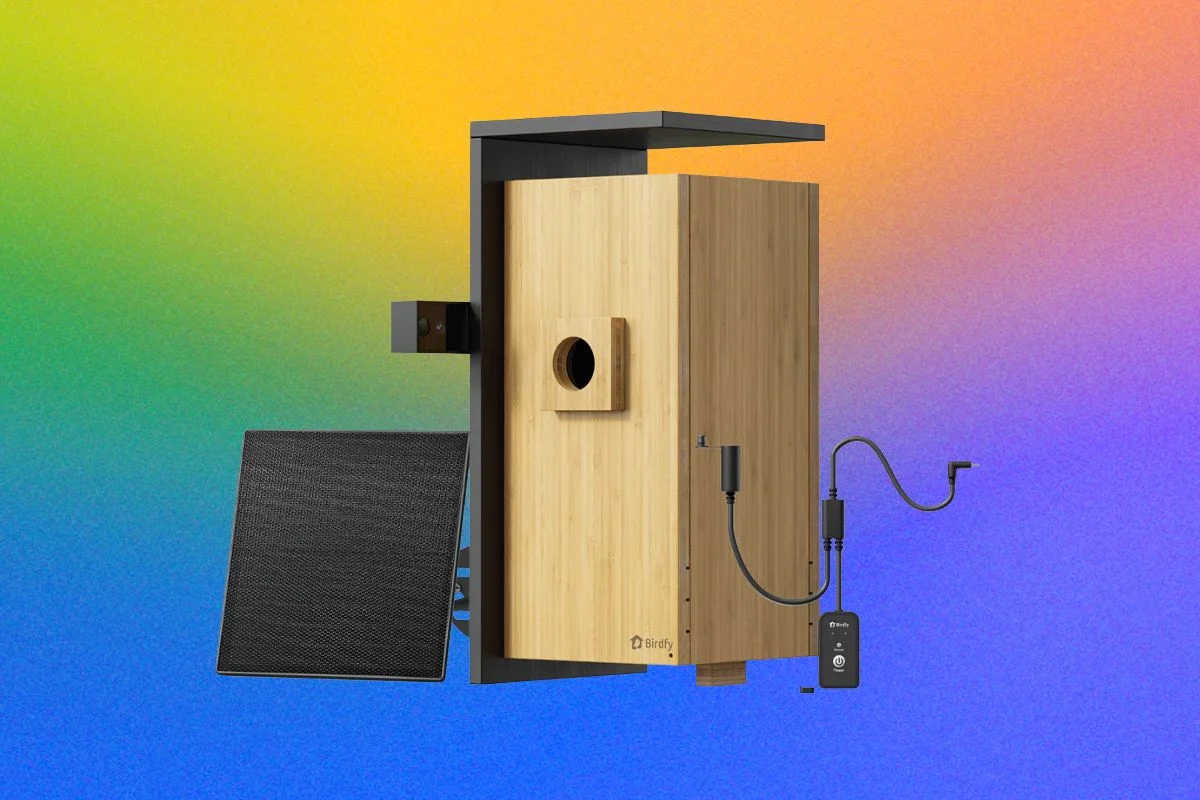
The traditional wooden birdhouse, long a staple of suburban backyards and rural landscapes, is undergoing a technological revolution that is providing unprecedented insights into the hidden lives of cavity-nesting birds. For decades, birdwatchers have relied on external observations, noting the arrival of parents with insects or the faint chirping of hungry chicks. However, the emergence of the "smart" nesting box—integrated with high-definition cameras, environmental sensors, and artificial intelligence—has moved the observation post from the garden bench to the smartphone screen. The Birdfy Nest Duo, a prominent example of this new wave of Internet of Things (IoT) hardware, is shifting the paradigm of birdwatching from a passive hobby to an active, data-driven educational experience.
This shift comes at a critical time for avian populations. According to a landmark 2019 study published in the journal Science, North America has lost nearly 3 billion birds since 1970, a decline of 29%. While habitat loss and pesticide use are primary drivers, climate change and localized environmental stressors play a significant role in nesting success. For the amateur ornithologist, the inability to monitor the internal conditions of a nest box has historically led to mysteries of "nest failure"—situations where fledglings are found deceased for no apparent reason. The integration of thermometers and hygrometers into modern nesting boxes is now providing the "missing data" that explains these tragedies, often pointing toward lethal heatwaves that turn traditional wooden boxes into ovens.
The Technological Architecture of Modern Nesting
The Birdfy Nest Duo represents a significant leap over previous single-camera iterations. Constructed primarily from sustainable bamboo—though solid fir variants exist for different aesthetic and durability needs—the unit is a substantial piece of hardware, weighing approximately eight pounds and standing 16 inches tall. Its primary innovation lies in its dual-camera configuration. While many smart houses feature an internal lens to monitor the brood, the Duo includes an external 1080p HD camera facing the entry hole.
This secondary perspective is not merely for entertainment; it serves a vital diagnostic and security purpose. External cameras allow homeowners to identify "nest competitors" or predators that may be harassing the inhabitants. In recent field tests, users have documented species such as starlings and flickers attempting to infiltrate boxes claimed by smaller birds like black-capped chickadees. These interactions, which include defensive behaviors like "hissing" by the chickadees, were previously invisible to the average hobbyist.

Beyond the optics, the inclusion of an internal hygrometer and thermometer provides real-time environmental monitoring via a dedicated mobile application. This data is displayed alongside a live video feed, allowing users to correlate bird behavior with physical conditions. For instance, if internal temperatures spike during an early-season heatwave, observers can now understand why a brood might fail, whereas previously such events were attributed to vague "natural causes."
A Chronology of the Nesting Season: From Installation to Fledging
The lifecycle of a smart nest box begins long before the first egg is laid. For most users in temperate climates, the process commences in early March, coinciding with the beginning of the nesting season.
- The Installation Phase: Successful nesting requires more than just a box; it requires strategic placement. To deter ground-based predators like cats or raccoons, experts recommend pole-mounting the unit rather than hanging it from a tree. The Nest Duo is designed for this, often paired with solar panels to ensure the cameras remain powered without the need for manual battery swaps.
- The House Hunting Phase: In the early spring, species like chickadees or wrens begin scouting potential sites. This phase is often the most frustrating for homeowners, as birds may enter and exit a box dozens of times without committing. Technical nuances can influence this decision; for example, the Nest Duo features a perforated metal "floor" tray designed for drainage and depth adjustment. However, some birds have shown hesitation toward the visible holes in the metal, requiring users to modify the tray with natural materials to make the cavity more appealing.
- Excavation and Nest Building: Once a site is selected, the birds begin the arduous task of building. Through the internal camera, users can witness the intricate process of "excavation"—the removal of old material—followed by the weaving of moss, fur, and feathers.
- Egg-Laying and Incubation: This period offers a masterclass in life science. The app’s motion-detection software captures the exact moment eggs are laid, typically one per day until the clutch is complete. The 24/7 monitoring reveals the dedication of the parents during the incubation period, highlighting the frequency of feeding and the rotation of eggs.
- Hatching and the Nestling Stage: The transition from egg to chick is the most dramatic phase. The smart box records the first cracks in the shells and the subsequent emergence of blind, featherless nestlings. Over the following weeks, the cameras document the rapid growth of the birds, fueled by an endless stream of insects brought by the parents.
- Fledging: The final act occurs when the young birds, now fully feathered, make their first leap into the world. The external camera is particularly useful here, capturing the "pre-flight" jitters as chicks peer out of the entry hole before finally departing.
Supporting Data: The Impact of Micro-Climates on Nesting Success
The integration of environmental sensors in the Birdfy Nest Duo highlights a growing concern in avian conservation: the "heat trap" effect. Traditional nest boxes, particularly those made of thin wood or placed in direct sunlight, can reach temperatures exceeding 100°F (38°C) during summer months.
Ornithological data suggests that for many small passerines, prolonged exposure to temperatures above 104°F (40°C) is lethal to nestlings who cannot yet regulate their body temperature. By providing real-time temperature alerts, smart boxes allow homeowners to intervene—perhaps by providing temporary shade or moving the box—potentially saving an entire brood. Furthermore, the ability to adjust the entry hole size (ranging from 0.9 inches to 2 inches) using interchangeable metal guards ensures that the box is optimized for specific species, preventing larger, invasive species from displacing native birds.
Market Context and the Rise of Citizen Science
The success of products like the Birdfy Nest Duo is part of a broader trend in the "Nature-Tech" market. As of 2023, the birdwatching industry in the United States alone is estimated to be worth over $4 billion, including equipment, feed, and travel. The move toward IoT-enabled birding tools is bridging the gap between casual observation and professional research.

While Birdfy is a commercial entity, the data generated by thousands of these units has the potential to contribute to citizen science projects. Organizations like the Cornell Lab of Ornithology already utilize data from thousands of volunteers through apps like eBird and NestWatch. The automated video capture and environmental logging of smart boxes represent the next frontier for these databases, providing high-fidelity records of nesting dates, clutch sizes, and fledgling success rates across diverse geographic regions.
Broader Impact and Ethical Implications
The enrichment of the birdwatching experience through technology is not without its considerations. While the "story" format of the Birdfy app—categorizing footage into segments like "Prelude," "Nesting," and "Brooding"—makes the science accessible to children and students, it also raises questions about the "gamification" of nature.
However, the educational benefits appear to outweigh the risks. By making the "entire nesting operation" visible from all angles, these devices foster a deeper emotional and intellectual connection to local wildlife. In an era where "nature deficit disorder" is a growing concern among younger generations, the ability to watch a bird being born on a smartphone provides a vital link to the natural world.
The Birdfy Nest Duo and its competitors are more than just gadgets; they are windows into a biological process that has remained largely hidden for centuries. As technology continues to shrink and sensors become more sophisticated, the backyard birdhouse will likely become an essential tool for both the conservationist and the curious homeowner, ensuring that the next generation of birds—and birdwatchers—has the data they need to thrive. By transforming the "dumb" box into a smart laboratory, we are not just watching birds; we are learning to protect them.
