

The financial landscape for American homeowners is undergoing a dramatic shift as the cost of insuring their most valuable asset escalates at an unprecedented rate, pushing policies out of reach for many and leading to a surge in insurer-initiated non-renewals. A comprehensive new industry report, released this week by the National Association of Insurance Commissioners (NAIC), a body representing state insurance regulators, paints a stark picture of a market under severe strain, with implications stretching from individual household budgets to the broader housing economy. The findings confirm what many consumers have increasingly felt: securing and maintaining homeowners insurance is becoming both more expensive and more challenging.
Unprecedented Premium Hikes Across the Nation
The NAIC report reveals that average homeowners insurance premiums have outpaced inflation significantly across all major U.S. regions between 2018 and 2024. The West experienced the most dramatic surge, with average premiums climbing by a staggering 43% after adjusting for inflation. The Southeast followed closely with a 27% increase, while the Midwest saw a 25% rise, and the Northeast recorded an 18% jump over the same seven-year period. These figures underscore a nationwide phenomenon, albeit with varying intensity depending on geographic vulnerability to specific risks.
In real terms, the financial burden is substantial. By 2024, the Southeast recorded the highest average annual premiums at $1,818, reflecting its susceptibility to severe weather events. The Northeast, despite its own challenges, maintained the lowest average at $1,396 per year. However, the upward trend shows no signs of abating. Data from the Bureau of Labor Statistics’ producer price index indicates an additional 7% increase in premiums since the beginning of 2025, serving as a proxy for the ongoing upward movement of costs in the market.
This relentless escalation has not gone unnoticed by other federal bodies and research institutions. A U.S. Treasury Department report last year highlighted that average premiums per policy surged 8.7% faster than the inflation rate from 2018 to 2022. Furthermore, a recent poll conducted by the nonpartisan Pew Research Center earlier this year found that 42% of homeowners reported their insurance costs had increased "a lot" in recent years, validating the consumer experience reflected in the NAIC’s data.
The Alarming Rise in Policy Non-Renewals

Beyond the rising costs, homeowners are grappling with another critical challenge: the increasing difficulty of simply keeping their existing coverage. The NAIC analysis uncovered an alarming trend of insurers dropping customers at elevated rates, opting not to renew policies upon expiration. This practice typically occurs when insurers assess that the risk associated with a particular property or region outweighs its profit potential.
The non-renewal rates per 1,000 in-force policies have seen substantial increases nationwide since 2018. The West, already experiencing the highest premium hikes, also saw the most significant increase in non-renewals, climbing by 216%. The Southeast recorded a 96% increase, reflecting the severe market adjustments in regions facing heightened catastrophic risks. These figures represent non-renewals initiated by insurance companies, leaving homeowners scrambling to find new coverage, often at significantly higher rates or with reduced scope.
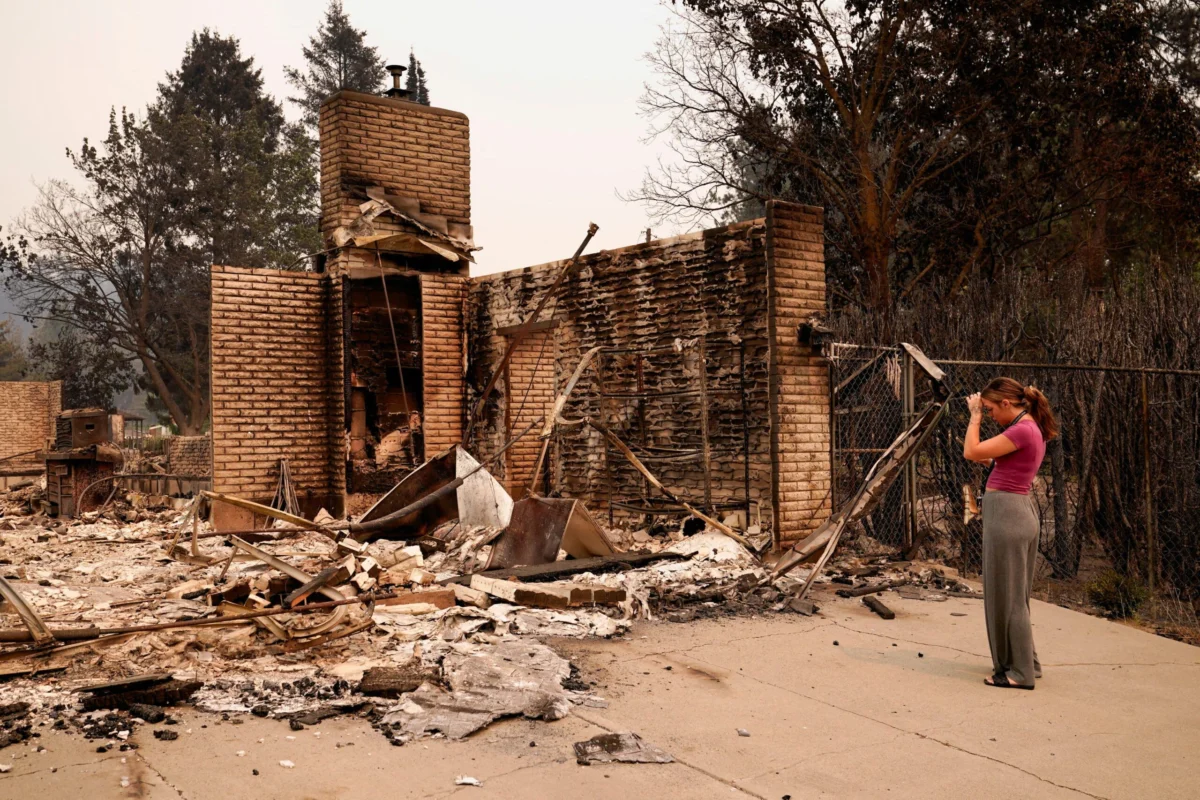
With approximately 103 million homeowners insurance policies in force across the U.S. as of 2024, the scale of this market adjustment is immense. Jeffrey Czajkowski and Paula Harms, co-authors of the NAIC report, articulated the gravity of the situation, stating, "The data tells the story of a homeowners insurance market that is overall operationally robust but nonetheless under pressure and exhibiting signs of stress." They further noted that "These trends support consumer sentiment that coverage is becoming more expensive and harder to find or keep in some places." The emotional toll on homeowners, like Ash Sollie, who stood before the charred remains of her grandparents’ home in Spokane, Washington, destroyed by wildfire in August 2026, underscores the profound personal impact of these market shifts.
Behind the Surge: A Confluence of Factors
The escalating costs and non-renewals are not isolated incidents but rather the result of a complex interplay of environmental, economic, and policy factors converging to redefine risk in the insurance industry.
Climate Change: The Forefront of Risk
At the heart of the crisis is the undeniable impact of climate change, which has fueled an increase in both the frequency and intensity of severe weather events across the globe, and particularly within the United States. Wildfires, like the one that ravaged Spokane, hurricanes such as Melissa which made landfall in St. Elizabeth, Jamaica in October 2025, droughts, and floods are becoming more common and more destructive. This dynamic directly increases the likelihood of policyholders filing claims and significantly raises the potential payout amounts for insurers.
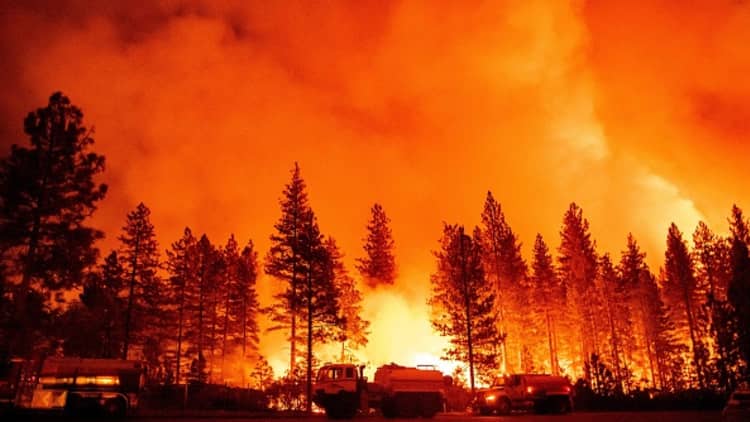
Data from the Treasury Department reinforces this trend, reporting that the number of weather and climate disasters causing over $1 billion in damages increased more than fivefold from 2018 through 2022, when compared to the 1980s, even after adjusting for inflation. These "catastrophic risks," as Czajkowski describes them – encompassing hurricanes, wildfires, severe convective storms, and winter storms – are impacting consumers with growing regularity. While some disasters, like wildfires in the West and hurricanes in the Southeast, are regionally concentrated, other weather-related risks are expanding nationwide. Peter Kochenburger, an insurance expert and visiting professor of law at Southern University Law Center, highlights hail as a significant source of property damage that affects many states without coastal exposure, illustrating the pervasive nature of these evolving risks. The broader policy environment, including the Trump administration’s stated intent to dismantle federal government efforts to combat climate change and reduce greenhouse gas emissions, adds another layer of complexity to the long-term outlook for managing these environmental risks.
Economic Headwinds: Inflation and Rebuilding Costs
Beyond climate-related perils, broader economic forces are exerting immense pressure on insurance costs. Persistent inflation, which has kept the U.S. inflation rate above policymakers’ target for over five years, has significantly increased the cost of repairing and rebuilding homes. This directly translates to higher payouts for insurers when policyholders file claims.
Between 2020 and 2023, replacement costs for property and casualty-related losses surged by an average of 45%, according to the Treasury Department. Homeowners insurance falls under the umbrella of property and casualty insurance, meaning these rising material, labor, and logistical costs are directly absorbed by insurers, who then pass a substantial portion of this financial burden onto consumers through higher premiums. The soaring price of construction materials, labor shortages, and supply chain disruptions all contribute to making post-disaster reconstruction considerably more expensive than in previous decades.
The Human Cost: Affordability and Vulnerability
The burgeoning costs of homeowners insurance are not merely a statistical anomaly; they represent a significant drain on household budgets and exacerbate a broader affordability crunch facing American families. The National Association of Realtors (NAR) estimates that people’s ability to afford a home is now approximately 10% lower than it would have been if insurance costs had remained stable since the late 1990s. This erosion of affordability impacts potential homebuyers and existing homeowners alike, adding another layer of financial stress in an already challenging economic environment characterized by rising grocery prices and other essential living expenses.
The burden of escalating premiums disproportionately affects low-income households. For these families, their home often represents their largest financial asset, and the decision to forgo or reduce coverage due to cost can have catastrophic consequences if disaster strikes. As Professor Kochenburger warns, a lack of adequate insurance puts this vital asset at severe risk, potentially erasing years of hard-earned equity and plunging families into deeper financial precarity. "It’s a big problem," Kochenburger reiterated, emphasizing the profound societal implications of this trend.

Moreover, the NAIC report suggests that its data might even "undersell the scope of the issue." Because the report only breaks out costs by regional zones, it’s "likely" that specific local areas have experienced even more drastic premium increases than their regional averages. It’s also "quite possible" that many policyholders have proactively reduced their coverage to mitigate the impact of rising premiums, which would artificially dampen the recorded premium increases. Furthermore, insurers have subtly made policies less comprehensive over time, often by excluding certain risks or reducing dollar limits for specific coverages, effectively offering less protection for more money.
Broader Economic Reverberations
The escalating crisis in the homeowners insurance market carries significant implications for the broader U.S. economy. Since mortgage lenders almost universally require prospective homebuyers to secure an insurance policy to obtain a loan, prohibitive insurance costs can act as a substantial barrier to homeownership. If homeowners insurance becomes too expensive, Professor Kochenburger warns of a potential "cascading or domino effect" across the economy, impacting the housing market, consumer confidence, and overall economic stability. A slowdown in home sales, driven by affordability issues compounded by insurance costs, could ripple through related industries, from construction and real estate to finance and retail.
The stability of individual wealth is also at stake. For many Americans, their home is their primary financial asset, a crucial component of their long-term financial security and retirement planning. Without adequate and affordable insurance, this asset is vulnerable to complete loss from unforeseen events, undermining personal wealth accumulation and potentially increasing reliance on public assistance post-disaster. The market is showing signs of stress, and without effective solutions, the long-term consequences could be profound, affecting everything from community resilience to national economic growth.
Looking Ahead: Challenges and Potential Responses
The NAIC report serves as a critical wake-up call, highlighting the urgent need for stakeholders across the insurance industry, government, and consumer advocacy groups to address these multifaceted challenges. While the report acknowledges the market’s overall operational robustness, the signs of stress are undeniable and growing.
Potential solutions could involve exploring innovative insurance models, fostering greater resilience through updated building codes and infrastructure investments, and developing public-private partnerships to manage catastrophic risks that private markets increasingly struggle to bear alone. Regulatory bodies may need to consider new frameworks to balance insurer solvency with consumer protection and affordability. For homeowners, understanding policy details, exploring mitigation measures for their properties, and advocating for more transparent and stable insurance markets will be crucial in navigating this evolving landscape. The challenge is immense, but the imperative to ensure accessible and affordable homeownership, protected against an uncertain future, remains paramount.
