

The landscape of foreign investment in U.S. residential real estate is undergoing a significant transformation, marked by a pronounced pullback in existing home sales to international buyers while a specific niche—the luxury new construction market—demonstrates remarkable resilience. According to a recent annual report from the National Association of Realtors (NAR), the period spanning April 2025 through March 2026 saw a substantial decline in foreign home purchases, with unit volume dropping 14% and dollar volume decreasing by 19% compared to the preceding 12 months. This downturn signifies a broader shift influenced by global economic factors, policy changes, and evolving buyer motivations, yet it also highlights the nuanced nature of this critical segment of the housing market.
A Broad Retreat: NAR’s Latest Findings and Context
The National Association of Realtors’ comprehensive annual report serves as a crucial barometer for foreign engagement in the U.S. housing sector. The data, covering the 12 months ending in March, indicated that international buyers closed on approximately 67,100 properties. This figure represents the second-lowest amount recorded since NAR commenced tracking this metric in 2009, underscoring a significant deceleration in foreign purchasing activity. For context, the year 2009 followed the tumultuous period of the global financial crisis and the subsequent collapse of the U.S. housing bubble, making the current low a notable point of concern for market watchers.
The median price for these foreign sales stood at $465,000, which, while substantial, reflects a market segment that often skews towards higher-value properties compared to the overall U.S. median home price. This preference for more expensive homes by foreign buyers, even amidst a general decline, suggests that those who are still purchasing possess considerable financial capacity.
Lawrence Yun, chief economist for the NAR, provided an insightful analysis of the findings. "The decline in foreign home buyer activity mirrors the decline in international visitors and tourists to the United States," Yun stated in a release. This observation points to a broader trend of reduced international engagement with the U.S., potentially stemming from lingering post-pandemic travel restrictions, heightened geopolitical tensions, or economic uncertainties that deter both leisure and investment travel. Intriguingly, Yun also noted that "Even a slightly weaker U.S. dollar over the past year, which provides more purchasing power for foreigners, did not induce more activity." This suggests that factors beyond mere currency exchange rates are at play, indicating deeper structural shifts in global investment patterns and perceptions of the U.S. market. Historically, a weaker dollar makes U.S. assets more attractive to foreign investors, but the current data indicates that other headwinds are proving more dominant.
The U.S. housing market has long been viewed as a safe haven for international capital, offering stability, potential for appreciation, and a tangible asset in a leading global economy. Peak foreign investment periods, such as the mid-2010s, saw hundreds of thousands of transactions and billions of dollars injected into the market annually. The current slowdown, therefore, represents a departure from those robust years, signaling a more cautious approach from global investors.
The Enduring Allure of Luxury New Construction
A critical distinction arises when examining the new home construction market, which NAR’s existing home sales data does not encompass. Here, the narrative diverges, revealing pockets of strong international demand, particularly within the luxury segment. Researchers at John Burns Research & Consulting (JBREC) actively monitor foreign activity in new home sales through a combination of anecdotal commentary from sales offices and direct observations, providing a valuable counterpoint to the broader existing home market data.
Scott Wild, a principal at JBREC, highlighted this divergence: "Although the overall volume of new home sales to international buyers has decreased recently, the luxury segment remains relatively strong." This observation underscores a crucial segmentation within the foreign buyer demographic. Affluent individuals, often seeking investment opportunities, lifestyle upgrades, or educational advantages for their families, continue to find value in high-end, newly built properties.
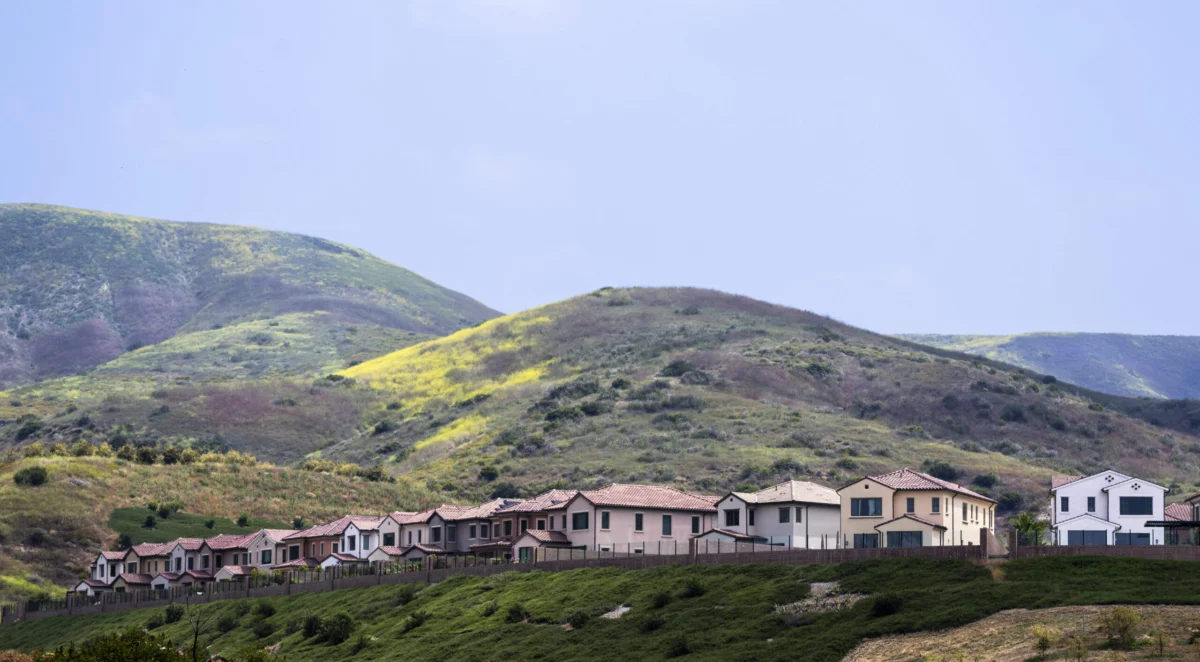
A prime example of this resilience is the Southern California city of Irvine. Known for its meticulously planned communities, top-tier schools, and thriving tech and business sectors, Irvine continues to attract significant interest from buyers outside the county, particularly affluent purchasers from China. Many of these transactions are completed with cash, bypassing the complexities of U.S. mortgage financing and reflecting substantial liquidity. Irvine homebuilders, acutely aware of this persistent demand, actively tailor their marketing strategies to target international buyers, promoting their most exclusive communities on a global stage. This strategic targeting often involves showcasing bespoke architectural styles, high-end finishes, and amenities that appeal to discerning international tastes, alongside highlighting the city’s educational and economic advantages.
Among the nation’s major public builders, Toll Brothers, a prominent luxury homebuilder, is frequently cited by Wild as possessing the strongest brand recognition and appeal among foreign buyers. "Toll Brothers often markets their luxury homes internationally and does an excellent job tailoring model homes to appeal to specific buyer groups from outside the U.S.," Wild explained. This proactive approach, coupled with a reputation for quality and design, positions companies like Toll Brothers to capture a larger share of the more resilient luxury segment, even as the broader market experiences a slowdown. Their ability to customize and present homes that resonate with specific cultural preferences or investment objectives provides a competitive edge.
Dissecting the Foreign Buyer Profile: Who’s Buying and Why
Understanding the motivations and characteristics of foreign buyers is paramount to grasping the current market dynamics. Scott Wild from JBREC emphasized that "international homebuyers shouldn’t be viewed as a single market, as trends vary substantially between wealthy investors, households seeking to establish residency and highly skilled professionals relocating for work." Each of these groups responds to a distinct set of economic, social, and policy factors.
- Wealthy Investors: These buyers are primarily driven by capital preservation, portfolio diversification, and potential for appreciation. They often seek trophy properties or strategically located assets in stable markets. The U.S. has historically offered a robust legal framework and transparent property rights, making it an attractive destination for wealth storage. For these buyers, luxury new homes in established high-growth areas like parts of California, Florida, or New York remain appealing, even with broader market shifts. The ability to make cash purchases is a common characteristic of this segment.
- Households Seeking Residency or Lifestyle: This group includes individuals and families looking to relocate, establish a second home, or provide educational opportunities for their children. Factors such as quality of life, access to education, climate, and community amenities play a significant role in their decision-making. Florida’s appeal to retirees and vacation home seekers, and California’s draw for families seeking access to prestigious universities, exemplify this motivation.
- Highly Skilled Professionals: This segment comprises individuals who move to the U.S. for employment, often under specific visa programs. Their purchases are closely tied to job markets, particularly in technology and specialized industries. Historically, this group has been a strong driver of demand in tech hubs and rapidly expanding metropolitan areas.
It is this third category, highly skilled workers arriving on H-1B visas and similar employment-based programs, that has experienced the biggest drop in home-buying activity, according to Wild. The uncertainty surrounding shifting immigration and visa policies directly impacts their ability and willingness to commit to large purchases like homes. Delays in visa processing, changes in eligibility criteria, or concerns about long-term residency prospects can significantly deter these buyers, even if their employment is secure. Markets heavily reliant on the tech sector, such as those in California, Washington, and parts of Texas, have likely felt the brunt of this particular decline.
Geographic Hotbeds and Shifting Demographics
While overall foreign buyer activity has decreased, specific geographic preferences and national origins continue to shape the market. Florida, with its appealing climate, extensive coastline, and favorable tax environment, continues to be the undisputed top state for drawing foreign buyers. Its robust tourism industry and established communities of expatriates make it a perennial favorite for vacation homes, retirement properties, and investment opportunities.
In terms of national origin, the composition of foreign buyers has seen some notable shifts. Canadians accounted for the largest share of foreign home purchases in the U.S. last year, representing 16% of international sales, an increase from 14% the year prior. Their motivations often include seeking warmer climates for retirement or vacation, investment properties, and proximity to family across the border.
Chinese buyers, who previously held the top spot in terms of transaction volume, have now dropped to third place, trailing behind Mexican buyers. However, Chinese buyers continue to spend the most dollars on U.S. real estate. This apparent paradox is explained by their strong preference for luxury homes, particularly in high-value markets like California. This trend underscores the "quality over quantity" aspect of Chinese investment, often driven by a desire for premium properties, educational opportunities for their children, and diversification of assets outside of China. The average price paid by a Chinese buyer typically far exceeds that of other nationalities, reflecting their focus on the high-end market segment.
Mexican buyers now hold the second-largest share of transactions, a position often driven by geographical proximity, cross-border business interests, and strong family ties, particularly in states bordering Mexico such as Texas, California, Arizona, and New Mexico. Their purchases may span a broader range of price points, reflecting diverse economic backgrounds and motivations.
Macroeconomic and Policy Headwinds
The decline in foreign buyer activity is not an isolated phenomenon but rather a confluence of several macroeconomic and policy factors.
- Global Economic Slowdown: Economic uncertainties in various home countries, coupled with slower global growth projections, can lead to reduced outbound investment. Investors may become more cautious, retaining capital domestically or seeking less volatile avenues.
- Interest Rate Environment: While many foreign buyers, especially in the luxury segment, pay cash, rising U.S. interest rates can indirectly affect the market. Higher rates impact borrowing costs for developers and can cool the overall investment climate, making U.S. assets less attractive compared to alternatives. For foreign buyers who do seek financing, higher rates directly increase their cost of ownership.
- Exchange Rate Dynamics: While the U.S. dollar experienced a slight weakening over the past year, it has largely maintained a strong position against many global currencies for an extended period. A persistently strong dollar makes U.S. real estate more expensive for foreign buyers, eroding their purchasing power.
- Immigration and Visa Policies: As highlighted by the decline in H-1B visa holder purchases, changes or uncertainties in U.S. immigration policies have a direct impact. Programs like the EB-5 investor visa, which offers a path to U.S. residency in exchange for significant investment, have also seen fluctuations and reforms that can influence investor sentiment. Any perceived tightening of immigration or visa pathways can deter potential buyers seeking to establish long-term presence.
- Capital Controls: Some countries, particularly China, have implemented stricter capital controls in recent years, making it more challenging for their citizens to move large sums of money out of the country for international investments. These controls can significantly impact the volume of transactions from certain regions.
Implications for the U.S. Housing Market and Beyond
The retreat of foreign buyers carries several implications for the U.S. housing market and the broader economy.
- Reduced Demand in Existing Home Sales: The overall slowdown in existing home sales to foreign buyers means a segment of demand is diminishing. While foreign buyers typically represent a smaller percentage of overall transactions (historically around 2-3% of total sales), their withdrawal can contribute to a cooling market, especially in regions popular with international investors.
- Impact on Luxury Segment: While luxury new construction remains relatively strong, a broader slowdown in foreign high-net-worth individual investment could eventually impact even this segment if global economic conditions deteriorate further or capital controls tighten significantly.
- Local Economic Effects: Foreign buyers often contribute significantly to local economies not just through the property purchase itself, but also through associated services (legal, financial, interior design, maintenance) and subsequent consumer spending. A reduction in these activities can have ripple effects in certain communities.
- Shift in Market Focus for Builders: For homebuilders, particularly those in the luxury segment, the data reinforces the importance of understanding and catering to specific international buyer profiles. Customization, targeted marketing, and an awareness of global economic and policy trends will be crucial for sustained success.
- Policy Debate: The data may also reignite discussions among policymakers regarding the role of foreign investment in the U.S. housing market. Some argue that foreign capital inflates prices, making homes less affordable for domestic buyers, while others emphasize the economic benefits of inbound investment.
Looking ahead, the U.S. housing market will likely continue to navigate a complex interplay of domestic and international forces. While overall foreign buyer activity in existing homes has softened, the continued strength in the luxury new build segment highlights the enduring appeal of premium U.S. real estate as a store of value and a lifestyle choice for affluent international individuals. The coming years will reveal whether the broader market can regain its appeal to a wider array of foreign investors, or if the current trends represent a more permanent realignment of global real estate investment flows.
Deeper Insights from Property Play
For those seeking to navigate these evolving opportunities and challenges in the real estate investment landscape, the CNBC Property Play newsletter with Diana Olick offers critical analysis and timely updates. Covering new and evolving opportunities for real estate investors, from individuals to venture capitalists, private equity funds, family offices, institutional investors, and large public companies, Property Play delivers insights straight to your inbox. Subscribe here to get access today and stay informed on the dynamic shifts shaping the global property market.
