

The landscape of homeowners insurance in the United States is undergoing a dramatic transformation, marked by rapidly escalating costs and an unprecedented rate of policy non-renewals, according to a comprehensive new report from the National Association of Insurance Commissioners (NAIC). This alarming trend is leaving millions of American households vulnerable, caught between a tightening insurance market and a broader affordability crisis fueled by persistent inflation and the accelerating impacts of climate change.
The NAIC, a collective body representing state insurance regulators, revealed in its recently published analysis that average homeowners insurance premiums have surged significantly across all major U.S. regions between 2018 and 2024, outpacing inflation by a considerable margin. Consumers in the West experienced the most dramatic increases, with average premiums skyrocketing by an astonishing 43%. The Southeast followed closely with a 27% rise, while the Midwest saw a 25% increase, and the Northeast recorded an 18% hike over the seven-year period, even after adjusting for inflationary pressures. These figures underscore a national crisis, where the cost of protecting one’s most valuable asset is becoming an increasingly prohibitive burden.
As of 2024, the Southeast region bore the brunt of the highest average annual premiums, reaching $1,818, reflecting its heightened exposure to catastrophic weather events. In contrast, the Northeast offered the lowest average at $1,396, though still representing a substantial increase for residents. The upward trajectory has shown no signs of abating, with data from the Bureau of Labor Statistics’ producer price index indicating an additional 7% rise in premiums since the beginning of 2025, serving as a critical proxy for the ongoing financial strain on consumers. This continuous escalation suggests that the market pressures identified by the NAIC are intensifying rather than stabilizing.
Beyond mere cost, the report highlights an equally concerning development: insurers are increasingly opting not to renew policies, effectively dropping customers at elevated rates. This practice, often initiated when an insurer assesses that the risk associated with a property outweighs its profit potential, has seen non-renewal rates per 1,000 in-force policies surge dramatically across the country since 2018. The West again led this unfortunate trend with a staggering 216% increase in non-renewals, followed by the Southeast at 96%. Such widespread cancellations not only create immediate financial headaches for homeowners forced to seek new, often more expensive, coverage but also signal a fundamental shift in the underwriting philosophy of the insurance industry.
With approximately 103 million homeowners insurance policies in force across the U.S. as of 2024, the implications of these trends are far-reaching. The report’s co-authors, Jeffrey Czajkowski, Director of the NAIC Center for Insurance Policy and Research, and Paula Harms, articulated the gravity of the situation, stating, "The data tells the story of a homeowners insurance market that is overall operationally robust but nonetheless under pressure and exhibiting signs of stress." They further elaborated, "These trends support consumer sentiment that coverage is becoming more expensive and harder to find or keep in some places." This assessment paints a picture of a market at a critical juncture, where stability is challenged by mounting external pressures.
A Decade of Rising Risks and Eroding Affordability
The recent NAIC report marks the first comprehensive data analysis of the homeowners insurance market in several years, providing an updated and stark look at a problem that has been brewing for some time. The findings align with earlier warnings from various governmental and research bodies, underscoring the systemic nature of the challenges. For instance, a U.S. Treasury Department report last year indicated that average premiums per policy increased 8.7% faster than the rate of inflation from 2018 to 2022, signaling a consistent trajectory of accelerating costs. This consistent upward pressure has created a challenging environment for both consumers and regulators.

Public sentiment mirrors these official findings. A Pew Research Center poll conducted this year revealed that 71% of U.S. homeowners reported an increase in their home insurance costs in recent years, with a significant 42% describing the increase as "a lot." This widespread experience of financial strain highlights that the issue is not isolated but a pervasive concern impacting a majority of property owners, prompting a national conversation about the future of home protection.
The foundational purpose of homeowners insurance is to provide financial protection against unforeseen physical damage to a property. For many, particularly those with mortgages, such a policy is not optional but a mandatory requirement imposed by lenders to secure a loan. Consequently, the escalating costs and reduced availability of policies have profound implications for housing affordability and the broader economy. Peter Kochenburger, an insurance expert and visiting professor of law at Southern University Law Center, warns of a potential "cascading or domino effect" on the U.S. economy, should insurance become too expensive for prospective homebuyers, potentially stifling homeownership and market activity. This ripple effect could extend to construction, real estate, and financial sectors, creating broader economic instability.
The financial burden is not evenly distributed. Low-income households are disproportionately affected, often facing the agonizing choice of dropping coverage altogether. This decision, while offering immediate relief from premium payments, places their primary financial asset – their home – at immense risk should disaster strike. "It’s a big problem," Kochenburger emphasized, highlighting the societal implications of a market that increasingly excludes vulnerable populations. The National Association of Realtors (NAR) estimates that people’s ability to afford a home is now approximately 10% lower than it would have been if insurance costs had remained stable since the late 1990s, illustrating the long-term corrosive effect of these rising expenses on the American dream of homeownership. This persistent erosion of affordability poses a significant threat to wealth accumulation for many families.
The Driving Forces: Climate Change and Inflationary Pressures
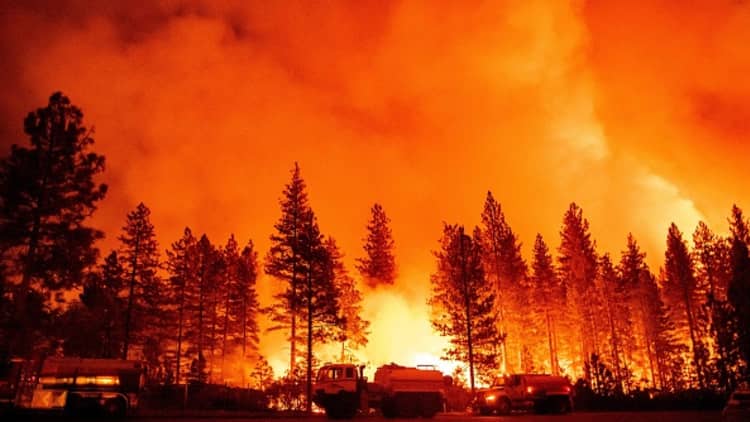
At the heart of the escalating insurance crisis lie two powerful, interconnected forces: the intensifying impacts of climate change and persistent inflationary pressures on rebuilding costs. Insurance experts widely agree that climate risk is now the primary driver behind the surge in premiums and non-renewals. The past decade has witnessed an undeniable increase in the frequency and intensity of severe weather events, ranging from devastating wildfires in the West to powerful hurricanes in the Southeast, prolonged droughts, and widespread floods. These events are no longer isolated incidents but have become a consistent and costly feature of the national landscape.
This new climatic reality directly translates into higher financial risk for insurers. A greater number of catastrophic events means more policyholders filing claims, and the severity of these events often leads to higher claim payouts. The U.S. Treasury Department’s analysis starkly illustrates this trend, reporting that the number of weather and climate disasters causing over $1 billion in damage increased more than fivefold from 2018 through 2022, compared to the 1980s, even after adjusting for inflation. These "billion-dollar disasters" are not just statistical anomalies but represent immense losses for individuals and significant financial drains on the insurance industry, forcing a re-evaluation of long-held risk models.
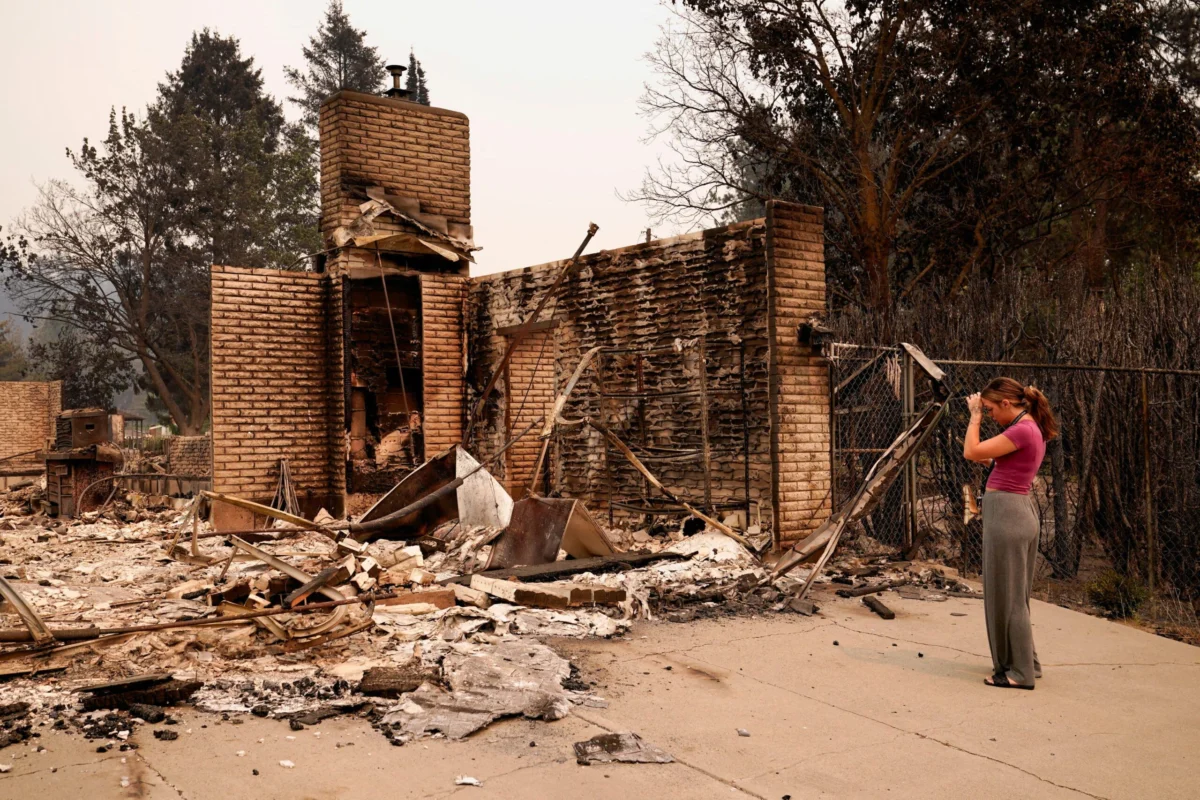
Jeffrey Czajkowski of the NAIC elaborated on this point in an interview, stating, "Catastrophic risk – these hurricanes, wildfire, severe convective storms, winter storms – these are events that are happening more and more frequently. And they’re impacting consumers." He cited the tragic example of Ash Sollie, whose grandparents’ home in Spokane, Washington, was destroyed by a wildfire on August 2, 2026, a vivid illustration of the personal devastation behind the statistics. Such events, once considered rare occurrences, are now a recurring feature of the national landscape, forcing insurers to recalibrate their risk models and, consequently, their pricing strategies. The emotional and financial toll on families like Sollie’s highlights the human cost of these macro trends.
While the immediate impacts of climate change are often most visible in regions prone to specific disasters – wildfires in California and the Pacific Northwest, hurricanes along the Gulf and Atlantic coasts, and severe convective storms in the Plains – Kochenburger notes that weather-related risks are expanding across the entire country. "Hail is a significant source of property damage, and that occurs in a number of states that don’t have much coastal exposure," he explained, underscoring that no region is immune to the escalating climate-related perils. This broader distribution of risk further complicates the insurance market, making it harder for insurers to diversify their portfolios and spread their liabilities effectively across different geographic areas.
Adding another layer of complexity, the broader economic climate has also played a crucial role. Inflation, which has remained above policymakers’ target for more than five years, has driven up the cost of labor and materials required for repairing and rebuilding homes. The Treasury Department reported that replacement costs for property and casualty-related losses surged by an average of 45% between 2020 and 2023. This dramatic increase means that when a homeowner files a claim, the payout required from the insurer is substantially higher than it would have been just a few years prior, directly contributing to the need for higher premiums. For example, a roof replacement that cost $10,000 in 2020 might now cost $14,500, a burden passed on to the insurer and, subsequently, the policyholder.
Policy Implications and Regulatory Responses
The converging crises of rising costs, non-renewals, and increasing climate risk are placing immense pressure on state insurance regulators and policymakers. The NAIC’s report is not merely an observational study; it serves as a critical call to action for regulatory bodies tasked with ensuring market stability and consumer protection. State insurance departments are on the front lines, grappling with how to balance the financial solvency of insurance companies with the affordability and availability of coverage for their constituents. This delicate balancing act often pits industry demands for higher rates against consumer pleas for stability.
One of the significant challenges highlighted by the NAIC data is that its regional breakdown may even undersell the true scope of the problem. Within these broad zones, it is "likely" that numerous smaller, localized areas are experiencing premium increases far more drastic than the regional averages suggest. For instance, a specific coastal community or a wildfire-prone mountain town could see premiums triple, even if its broader regional average only shows a 20% increase. Furthermore, the report acknowledges the "quite possible" scenario where policyholders, in an attempt to mitigate rising costs, have opted to reduce their coverage, which would mask the full extent of premium increases in the data. This practice, while offering temporary financial relief, leaves homeowners with less protection against future losses, potentially leading to devastating out-of-pocket expenses after a disaster.
Beyond cost adjustments, insurers have also subtly altered the nature of their policies over the years. Kochenburger points out that many policies have become less comprehensive, with certain risks removed from general homeowners’ coverage or dollar limits reduced for specific perils. This "shrinkflation" of insurance coverage means that even if premiums appear stable, homeowners may be receiving less protection for their money, shifting more risk back onto the property owner. For example, some standard policies now exclude flood or wildfire coverage, requiring homeowners to purchase separate, often expensive, policies for these specific risks.
The role of government policy in addressing these intertwined challenges is critical. The mention of the Trump administration’s efforts to dismantle federal initiatives aimed at combating climate change and reducing greenhouse gas emissions, as reported in early 2026, underscores a potential divergence in national strategy at a time when climate-related financial risks are escalating. Such policy shifts at the federal level could complicate state-level efforts to adapt to climate change and manage its economic fallout, including the soaring costs of insurance, potentially leaving states to bear a disproportionate burden.
Regulators are increasingly exploring a range of options to stabilize the market. These include re-evaluating underwriting guidelines, promoting mitigation efforts at the community and individual homeowner levels, and potentially considering new mechanisms for risk sharing, such as state-backed insurance pools for high-risk areas or catastrophe funds. There’s also a growing debate about the necessity of updating building codes and land-use planning to better account for future climate risks, which could reduce long-term exposure for both homeowners and insurers. However, implementing such changes requires significant political will, substantial public investment, and overcoming potential resistance from development interests.
Broader Economic and Societal Implications
The current trajectory of the homeowners insurance market carries profound implications for the U.S. economy and society at large. On an economic front, the "domino effect" warned by Kochenburger could materialize as higher insurance costs contribute to a slowdown in the housing market. Potential homebuyers, already contending with elevated interest rates and high property values, might find homeownership financially out of reach if insurance premiums continue their relentless ascent. This could depress demand, impact property values, and ripple through related industries, from construction to real estate services. A stagnant housing market, a cornerstone of the American economy, could have far-reaching negative consequences.

Furthermore, the increased rate of non-renewals creates a volatile environment for property owners. Being dropped by an insurer often means having to scramble for coverage, frequently at significantly higher rates or with less comprehensive terms, sometimes resorting to state-run "insurer of last resort" programs that are typically more expensive and offer minimal coverage. This precarity can undermine financial stability for families and communities, particularly in areas frequently hit by natural disasters. The emotional stress of facing potential uninsured losses only adds to the burden.
Socially, the disproportionate impact on low-income households exacerbates existing inequalities. For families living paycheck to paycheck, the choice between paying for essential needs and maintaining adequate home insurance can be agonizing. Losing coverage for their most significant asset not only threatens their financial future but can also lead to broader community instability in the wake of disasters. If entire neighborhoods become uninsurable or prohibitively expensive to insure, it could lead to patterns of disinvestment and decline, creating "insurance deserts" where coverage is virtually impossible to obtain. This creates a cycle of poverty and vulnerability, where those least able to afford losses are most exposed.
The challenge extends beyond individual households to the very fabric of urban and rural planning. As climate risks intensify, communities face difficult decisions about where and how to build. The increasing costs associated with repairing damage in high-risk zones might necessitate a re-evaluation of development policies, potentially leading to managed retreat from vulnerable areas or significant investments in climate-resilient infrastructure. For instance, coastal communities might need to consider elevating homes or relocating away from eroding shorelines, while wildfire-prone areas may require stricter building codes and vegetation management.
In conclusion, the NAIC’s latest report serves as a critical barometer for the health of the homeowners insurance market, signaling a period of unprecedented strain. The confluence of a changing climate, persistent inflation, and evolving risk assessments by insurers is fundamentally reshaping how Americans protect their homes. Addressing this complex challenge will require a multi-faceted approach involving robust regulatory oversight, innovative insurance solutions, proactive climate adaptation strategies, and a concerted effort to ensure that homeownership remains an achievable and secure aspiration for all Americans, not just a privileged few. The story of homeowners like Ash Sollie, standing before the charred remains of her grandparents’ home, underscores the urgent need for action, transforming statistical trends into tangible human impacts that demand immediate and thoughtful policy responses.
