

The global dietary supplement market has witnessed a significant shift in consumer behavior, moving away from traditional mass-market sports drinks toward specialized electrolyte powders and concentrated hydration solutions. This evolution is driven by an increasing public understanding of human physiology, specifically the role of essential minerals in cellular function, nerve transmission, and fluid balance. While the primary goal of hydration is the intake of water, the presence of electrolytes—minerals that carry an electrical charge—is what allows the body to effectively absorb and utilize that fluid. As the variety of available products expands, the selection of the optimal supplement has become a nuanced decision based on individual activity levels, environmental conditions, and metabolic needs.
The Evolution of Hydration Science
The history of oral rehydration therapy (ORT) provides the scientific foundation for modern electrolyte powders. Developed in the 1960s to combat severe dehydration from cholera and other diarrheal diseases, ORT revolutionized medicine by utilizing the sodium-glucose cotransport mechanism. Researchers discovered that the presence of glucose in the small intestine significantly accelerates the absorption of sodium and water into the bloodstream.
By the late 20th century, this medical breakthrough was adapted for athletes, leading to the creation of commercial sports drinks. However, recent years have seen a move toward "cleaner" formulations. Modern consumers frequently seek products that minimize artificial dyes and high-fructose corn syrup while providing specific concentrations of sodium, potassium, magnesium, and calcium tailored to various lifestyles—from high-altitude mountaineering to routine daily maintenance.
Main Market Facts and Consumer Profiles
The current hydration market is segmented into three primary categories: daily maintenance, high-performance athletics, and recovery/rehydration.
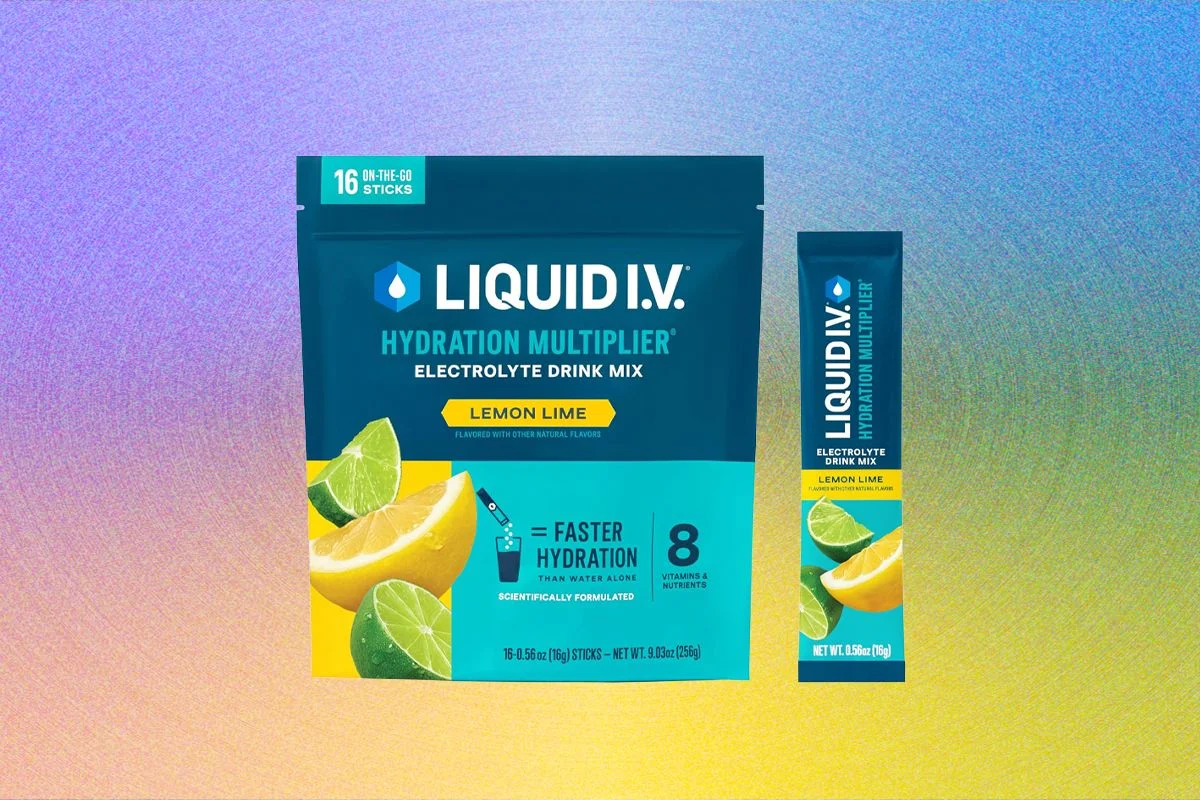
For the average consumer, daily maintenance focuses on flavor and convenience. Products like Liquid I.V. Hydration Multiplier have captured a significant market share by offering a balanced ratio of sodium and sugar that adheres to the World Health Organization’s (WHO) hydration standards. These products are designed for general use, such as combating mild dehydration from heat or travel.
In contrast, the high-performance segment, represented by brands like Skratch Labs and LMNT, targets individuals undergoing significant physical exertion. Skratch Labs prioritizes higher carbohydrate content to replenish glycogen stores, while LMNT emphasizes a high-sodium, zero-sugar approach. The latter is specifically favored by "salty sweaters" or athletes following ketogenic diets, who often require higher sodium intake due to lower insulin levels and increased mineral excretion.
The recovery segment, which includes legacy brands like Pedialyte and newcomers like Electrolit, focuses on rapid rehydration following illness or alcohol consumption. These formulations often prioritize a balance of minerals and sugars that can be easily tolerated by a sensitive digestive system.

Chronology of Hydration Development
- 1920s–1950s: Salt tablets were the standard for industrial workers and athletes to prevent heat cramps, though they often caused stomach distress due to a lack of balanced minerals.
- 1965: The invention of Gatorade at the University of Florida marked the birth of the modern sports drink, focusing on the replenishment of carbohydrates and electrolytes lost through sweat.
- 1970s: The WHO standardized Oral Rehydration Salts (ORS) for global health initiatives, emphasizing the critical ratio of salt to sugar for maximum absorption.
- 2010s: The rise of powdered "stick packs" transformed the industry, offering a portable, more environmentally friendly alternative to bottled beverages.
- 2020–Present: The market has fragmented into specialized niches, including caffeinated electrolytes, "nootropic" hydration containing mushroom extracts, and ultra-high sodium formulas for elite endurance athletes.
Supporting Data: The Biological Role of Key Minerals
To understand the efficacy of these supplements, it is necessary to examine the specific functions of the minerals they provide:
- Sodium: The primary electrolyte in extracellular fluid. It is essential for maintaining blood volume and pressure. Most powders contain between 200 mg and 1,000 mg per serving.
- Potassium: Works in tandem with sodium to maintain intracellular fluid balance and supports heart function and muscle contractions.
- Magnesium: Involved in over 300 biochemical reactions, including energy production and muscle relaxation. Low levels are often associated with muscle cramping.
- Calcium: Beyond bone health, calcium is vital for blood clotting and nerve signaling.
Data from sports medicine research suggests that an average person loses approximately 500 mg to 1,500 mg of sodium per liter of sweat. Consequently, a "one size fits all" approach to supplementation is medically discouraged.
Comparative Analysis of Leading Formulations
Liquid I.V. Hydration Multiplier
This product remains a market leader due to its adherence to Cellular Transport Technology (CTT). It utilizes a specific ratio of sodium, potassium, and glucose to create an osmotic force that allows water to be absorbed earlier in the digestive tract. While its high sugar content (approximately 11 grams) is beneficial for rapid absorption, it may be excessive for sedentary individuals.
Skratch Labs Hydration Sport
Designed for athletes, this mix uses real fruit for flavoring and provides a higher caloric load. The inclusion of 20 grams of carbohydrates makes it an "energy-plus-hydration" solution, preventing the "bonking" or fatigue associated with glycogen depletion during long-duration exercise.
LMNT Electrolyte Drink Mix
LMNT represents the extreme end of the sodium spectrum, providing 1,000 mg of sodium per packet. By omitting sugar and carbohydrates entirely, it caters to the growing demographic of low-carb and paleo dieters. However, medical experts warn that such high sodium levels can be detrimental to individuals with hypertension or kidney issues.
Buoy Electrolyte Drops
Representing the "unflavored" niche, Buoy offers a liquid concentrate that can be added to any beverage. This is a significant development for consumers who dislike the cloying sweetness of traditional powders. The product is also third-party tested for microplastics and heavy metals, reflecting a broader industry trend toward transparency and purity.
Official Responses and Expert Guidelines
Registered dietitians and medical professionals emphasize that while supplements are useful, they are not a substitute for a balanced diet. Amy Brownstein, RDN at MyNetDiary, notes that most people consume sufficient sodium through their daily food intake. She suggests that supplementation should be context-specific. "If you aren’t depleting sodium stores through intense exercise, you likely don’t need a high-sodium powder," Brownstein states.
The New York Institute of Technology’s Center for Sports Medicine, led by Dr. Hallie Zwibel, cautions against the overconsumption of high-sugar hydration products. Repeated intake of excessive sugars can lead to metabolic issues and weight gain, negating the health benefits of the exercise that prompted the hydration in the first place.

Medical experts generally recommend the "3H" method for determining the need for electrolytes:
- Heat: Is the environment hot enough to cause significant perspiration?
- Hard Work: Is the physical activity intense or lasting longer than 60 minutes?
- Humidity: High humidity prevents sweat from evaporating, leading to faster overheating and mineral loss.
Broader Impact and Implications
The proliferation of electrolyte supplements has significant implications for public health and the beverage industry. From a public health perspective, the availability of these products has improved the management of mild dehydration, potentially reducing emergency room visits for heat-related illnesses and minor infections.
However, the "medicalization" of water intake also carries risks. The widespread marketing of these supplements can lead to over-supplementation. Excessive intake of certain minerals, such as potassium, can lead to hyperkalemia, which affects heart rhythm. Similarly, excessive sodium intake is a known contributor to cardiovascular disease.
Furthermore, the industry is facing increasing scrutiny regarding environmental impact. While powders are lighter to ship than bottled water—thereby reducing the carbon footprint of transport—the use of individual plastic and foil stick packs contributes to the global plastic waste crisis. Some brands are beginning to respond by offering bulk jars and biodegradable packaging, but this remains an area for improvement.
Conclusion and Future Outlook
The electrolyte supplement market is expected to continue its growth trajectory, with a projected compound annual growth rate (CAGR) of over 7% through 2030. Future innovations are likely to focus on personalized hydration, where consumers use wearable sensors to track their specific sweat rates and mineral loss in real-time, allowing for "precision hydration" tailored to their exact biological needs.
Ultimately, the best electrolyte powder is one that matches the user’s specific physiological demands. For the casual walker, plain water and a healthy meal remain the gold standard. For the marathon runner in a humid climate, a high-sodium, carbohydrate-rich mix like Skratch Labs is essential. As the science of hydration continues to mature, the focus will remain on the delicate balance of minerals required to keep the human machine running at peak efficiency. Professionals advise that consumers monitor their hydration levels through simple metrics—such as urine color and thirst—while consulting healthcare providers before integrating high-concentration supplements into their daily routines.
