

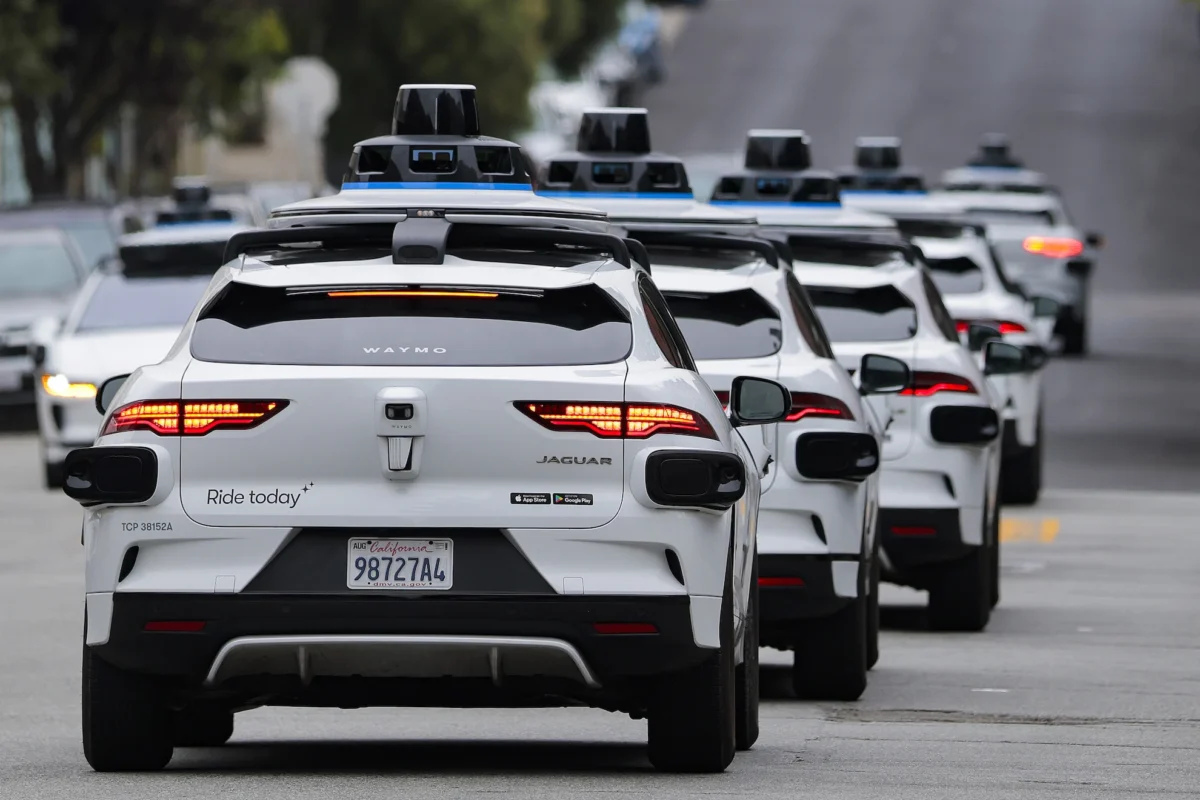
The autonomous vehicle (AV) and electric vehicle (EV) sectors are currently navigating a complex period of transition characterized by shifting corporate alliances, intensifying federal scrutiny, and significant capital maneuvers. At the forefront of this evolution is the recalibration of the relationship between Uber and Waymo, the industry’s two most prominent players. Recent developments in Phoenix, Arizona, signal a potential turning point in their partnership, as the companies have quietly ended their robotaxi service agreement in that market. While collaborations persist in Atlanta and Austin, the dissolution of the Phoenix arrangement raises critical questions regarding the long-term viability of partnerships between ride-hailing platforms and autonomous technology developers.
Industry observers suggest that the current tension between Uber and Waymo is an extension of a long-standing rivalry. The two companies famously engaged in a high-stakes legal battle in 2017 over trade secrets involving lidar technology, a dispute that was eventually settled. The subsequent 2023 partnership was viewed by many as a strategic truce: Uber gained access to autonomous technology without the overhead of developing its own hardware, while Waymo secured a massive distribution channel through Uber’s established user base. However, as Waymo continues to scale its proprietary "Waymo One" app and Uber explores its own path toward an autonomous future, the friction between the two has become increasingly palpable. Uber executives have recently leveled subtle criticisms at Waymo’s operational model, suggesting that the "frenemy" era may soon give way to direct competition, particularly in the realm of municipal policy and market access.
Federal Oversight and the First Responder Mandate
Parallel to these corporate shifts, the federal government is exerting greater influence over the operational standards of autonomous vehicles. Jonathan Morrison, the administrator of the National Highway Traffic Safety Administration (NHTSA), recently issued a stern directive to the AV industry. The memorandum explicitly states that autonomous systems must be capable of detecting and responding to law enforcement and first responders without interference. Morrison’s communication emphasizes that emergency scenes—characterized by sirens, flashing lights, and manual traffic direction—cannot be dismissed as rare "edge cases" but must be treated as fundamental components of the driving environment.
The NHTSA’s directive follows a series of high-profile incidents involving robotaxis. While the letter was sent to all developers listed under the Department of Transportation’s Standing General Order, it appears largely informed by the performance of Waymo’s fleet. A recent investigation revealed that Waymo vehicles, which operate extensively in Los Angeles, San Francisco, and Phoenix, have had repeated run-ins with emergency personnel. These incidents include vehicles blocking fire trucks or failing to yield to police officers.

In San Francisco, the situation reached a critical point following a July 4 fireworks display. The resulting traffic congestion led to a "meltdown" of autonomous operations, with numerous Waymo vehicles becoming stranded and requiring towing after their batteries were exhausted. San Francisco Supervisor Bilal Mahmood has announced plans to submit a formal letter of inquiry to investigate the impact of these failures on public transit and emergency response times. The NHTSA has set a deadline for the end of the month for AV companies to present technical solutions to these "functional insufficiencies," signaling that the era of voluntary compliance may be coming to a close in favor of stricter enforcement and potential penalties.
Modernizing Federal Motor Vehicle Safety Standards
Despite the increased scrutiny on operational safety, the federal government is also moving to modernize regulations that have historically hindered the deployment of innovative vehicle designs. The 2026 Regulatory Plan and Unified Agenda, recently updated by the Department of Transportation, includes proposed changes to the Federal Motor Vehicle Safety Standards (FMVSS). These standards currently mandate that all vehicles include traditional controls, such as steering wheels and brake pedals, which are designed for human operators.
The proposed amendments could be transformative for companies like Zoox and Tesla. Amazon-owned Zoox has developed a carriage-style vehicle designed entirely without a driver’s seat, while Tesla continues to hint at a "Cybercab" or dedicated robotaxi that eliminates traditional inputs. By relaxing FMVSS requirements, the federal government could pave the way for the mass production and deployment of vehicles built from the ground up for autonomy, rather than retrofitted traditional cars. This regulatory shift represents a significant victory for the AV lobby, which has long argued that human-centric design requirements are anachronistic in a software-driven transportation era.
Rivian’s Financial Strategy and Production Scaling
In the electric vehicle sector, Rivian remains a focal point of investor attention as it seeks to bridge the gap between startup growth and long-term profitability. The company recently announced a major capital raise, expecting to secure approximately $1.32 billion through the sale of 86.25 million Class A common shares priced at $15.50 each. This move includes an over-allotment option exercised by underwriters, reflecting a cautious but present appetite for EV equities.
The timing of this capital infusion is strategic. Rivian recently commenced deliveries of its R2 SUV, a smaller and more affordable model intended to reach a broader consumer demographic than the flagship R1T and R1S. Furthermore, the company has upwardly revised its 2026 sales forecast, targeting between 65,000 and 70,000 vehicle deliveries. This optimism is fueled by robust growth in the second quarter of 2024, particularly within its electric delivery van (EDV) segment and the initial rollout of the R2.

However, the capital raise also serves as a reminder of the immense financial pressure facing EV manufacturers. Rivian continues to operate at a loss as it scales production at its facility in Normal, Illinois, and plans for future expansion. The "valley of death"—the period between initial production and achieving positive cash flow—has claimed several smaller EV startups, and Rivian’s aggressive fundraising suggests a commitment to maintaining a significant cash buffer as it navigates a cooling global market for electric vehicles.
Notable Market Transactions and Industry Shifts
Beyond the major players, several smaller deals and developments highlight the diversifying nature of the mobility ecosystem:
- Bidbus Funding: The Los Angeles-based digital marketplace Bidbus raised $15 million in a Series A round. The platform, which pits dealerships against one another to bid on used cars, reflects a broader trend toward digitizing the automotive retail experience to provide consumers with greater transparency and competitive pricing.
- Lyft’s European Expansion: Lyft has announced its intention to acquire Serveo’s bike-share business in Spain. This move marks a significant step in Lyft’s international strategy and its commitment to multimodal transportation, positioning the company as a broader mobility provider rather than a strictly domestic ride-hailing service.
- Sodium-Ion Battery Innovation: U.K. startup TaiSan secured £4.65 million in seed funding to advance its sodium-ion battery technology. As the industry looks for alternatives to lithium-ion cells—which are subject to supply chain volatility and environmental concerns—sodium-ion batteries offer a potentially cheaper and more sustainable solution for low-cost EVs and stationary storage.
- Aviation and Micro-Mobility: Beta Technologies completed operational flights under the FAA’s eVTOL Integration Pilot Program, covering 275 nautical miles. Meanwhile, Manna Aero is expanding its drone delivery operations in the U.S. with a new facility in Oklahoma, aiming to capitalize on the growing demand for autonomous last-mile logistics.
Cybersecurity and Consumer Sentiment
The industry’s progress is not without setbacks in the realm of consumer trust and data security. AssuranceAmerica, a prominent U.S. insurance provider, recently confirmed a data breach that exposed the driver’s license numbers of 6.9 million individuals. This event stands as the largest leak of its kind this year, highlighting the vulnerabilities inherent in the digital infrastructure supporting the automotive and insurance sectors.
Furthermore, the polarizing nature of leadership within the industry has begun to influence investment products. The launch of "anti-Elon" exchange-traded funds (ETFs) allows investors to explicitly exclude Tesla or other Elon Musk-led ventures from their portfolios, reflecting a growing intersection between corporate governance, personal branding, and financial markets.
Analysis of Future Implications
The convergence of these events suggests that the mobility industry is entering a "realignment phase." For autonomous vehicles, the focus is shifting from "can it drive?" to "can it coexist?" The NHTSA’s insistence on first responder safety indicates that regulators will no longer accept the disruption of public services as a byproduct of innovation. For companies like Waymo, the challenge will be to refine their software to handle the unpredictability of human-led emergency scenarios with the same proficiency they handle standard navigation.

In the ride-hailing space, the eventual end of the Uber-Waymo partnership could lead to a fragmented market where tech providers and fleet operators compete for dominance. Uber’s advantage lies in its massive network and user data, while Waymo holds the lead in proven autonomous miles. The winner of this rivalry will likely be the entity that can most effectively integrate these two components while navigating the increasingly complex municipal regulatory environments of major American cities.
Finally, the financial maneuvers of companies like Rivian and the emergence of alternative battery technologies like sodium-ion underscore the capital-intensive and research-heavy nature of the EV transition. As the industry matures, the distinction between survivors and laggards will be defined by their ability to maintain liquidity while simultaneously innovating at the pace of federal mandates and shifting consumer expectations.
