

The convergence of high-level political discourse, record-breaking activity in prediction markets, and a significant shift in consumer travel behavior has defined the opening of the first full trading week of July 2026. As the United States prepares to celebrate its 250th anniversary, the intersection of the economy, professional sports, and historical preservation has created a complex landscape for investors. Following a robust week of gains on Wall Street, stock futures remain mixed this Monday morning, as market participants digest a wide-ranging exclusive interview with President Donald Trump and monitor the escalating financial volumes surrounding the FIFA World Cup.
Economic Policy and the Presidential Vision
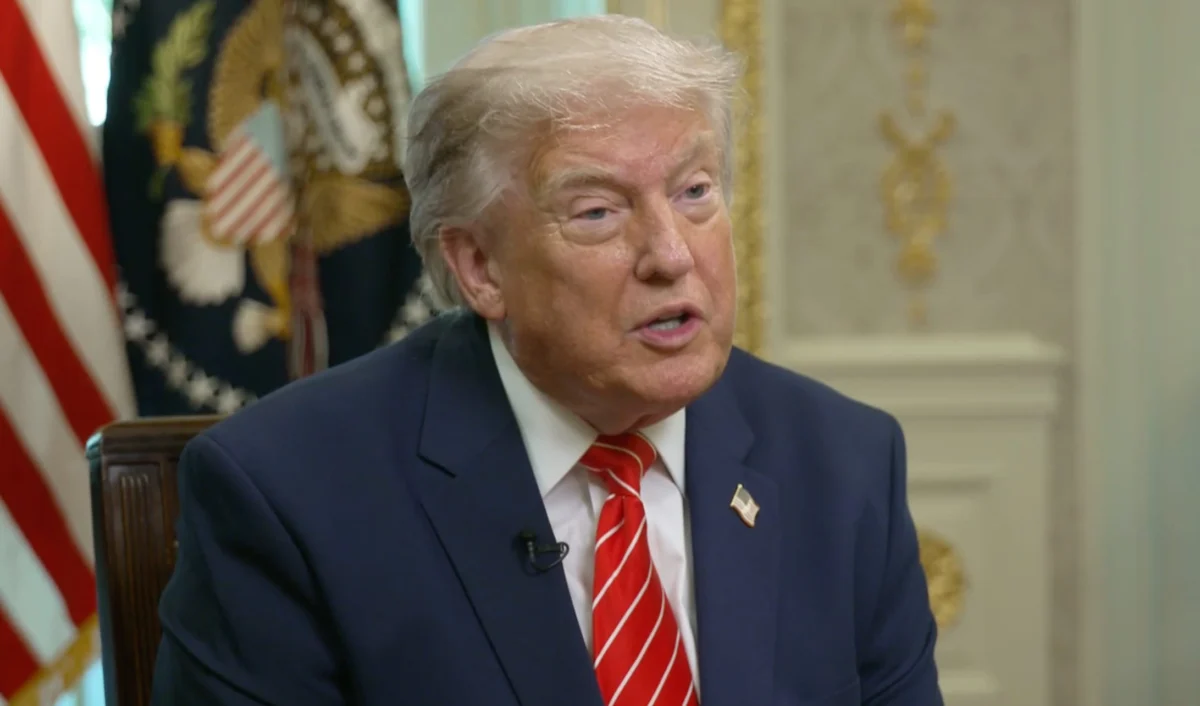
On July 2, 2026, President Donald Trump sat down for an exclusive interview with CNBC’s Joe Kernen in the Oval Office, providing a comprehensive overview of his administration’s economic priorities as the nation enters its semiquincentennial celebrations. The discussion, which took place against the backdrop of a significant summer heat wave affecting the U.S. power grid and energy markets, touched upon the administration’s stance on corporate taxation, trade balance, and the role of the First Family in modern governance.
President Trump emphasized the resilience of the American economy, pointing to the recent performance of the equity markets as a validation of his deregulatory agenda. While specific policy announcements were reserved for future briefings, the President signaled a continued focus on incentivizing domestic manufacturing and streamlining the energy sector to combat rising utility costs driven by extreme weather patterns. Market analysts noted that the President’s tone was one of confidence, aiming to provide a stabilizing narrative for investors concerned about the long-term sustainability of the current bull market.
The timing of the interview is particularly noteworthy, occurring just as the nation reflects on 250 years of economic evolution. The President’s remarks on his business dealings and his children’s roles in the administration continue to be a point of analysis for political and financial observers, as they weigh the implications of family involvement in executive branch decision-making.
Market Performance and the Heat Wave Factor
Wall Street is entering the current week following a period of sustained growth, though Monday’s early trading suggests a period of consolidation. Stock futures showed a lack of clear direction in pre-market hours, reflecting a cautious optimism among traders. This mixed sentiment follows a "winning week" where several indices reached near-record highs, driven largely by the technology and energy sectors.
The prevailing heat wave across the United States has introduced a variable of volatility into the utilities sector. As temperatures soar, the demand on the national power grid has reached critical levels, prompting discussions about infrastructure resilience and the future of energy consumption. Investors are closely monitoring how these environmental factors translate into corporate earnings, particularly for utility providers and cooling technology manufacturers. The anecdotal shift in residential behavior—such as consumers seeking alternative locations to manage cooling costs—highlights a broader trend of climate-influenced economic shifts that are becoming increasingly common in mid-summer market assessments.
The Surge of Prediction Markets and the FIFA World Cup
One of the most striking developments in the financial landscape this summer has been the unprecedented growth of prediction markets, fueled by the 2026 FIFA World Cup. According to data from Dune Analytics, platforms like Kalsi and Polymarket have seen their notional volumes skyrocket as the tournament progresses.
In June alone, Kalsi’s notional volume surged by more than 70%, surpassing $31 billion. Similarly, Polymarket, which operates an international event contract exchange, set a new monthly record with volume exceeding $10.8 billion. This influx of capital into prediction markets signifies a shift in how retail and institutional participants hedge against or speculate on the outcomes of global cultural events. Unlike traditional sports betting, these platforms allow users to trade on the probability of specific outcomes, creating a real-time data set that some analysts believe offers a more accurate reflection of public sentiment than traditional polling or expert analysis.
The 2026 World Cup has proven to be a catalyst for these platforms, as the tournament’s high stakes and global visibility provide the perfect environment for high-volume trading. The integration of blockchain technology and decentralized finance (DeFi) in some of these exchanges has further lowered the barrier to entry, contributing to the record-breaking figures observed in the second quarter of the year.
Diplomacy and the Pitch: The Folarin Balogun Controversy
The World Cup has also become a theater for high-level political intervention. In a move that surprised both sports analysts and international observers, President Trump reportedly requested that FIFA review the suspension of U.S. Men’s National Team (USMNT) striker Folarin Balogun. Balogun had been issued a one-game suspension following a red card incident, a penalty that many viewed as a significant blow to the American team’s prospects in the knockout stages.
Following the President’s inquiry, FIFA reversed the suspension, allowing Balogun to participate in today’s critical knockout match against Belgium. This decision has not been without controversy. Belgian soccer authorities have reportedly been granted the right to appeal the reversal, leading to a tense diplomatic and athletic standoff. The incident underscores the increasing overlap between national leadership and global sports governance, particularly when the stakes involve national pride during a landmark anniversary year. For investors in sports-related equities and prediction markets, the availability of a star player like Balogun significantly alters the risk-reward profile of the upcoming match.
Historical Preservation and the Future of Finance in Boston
While the present is dominated by sports and markets, the Museum of American Finance (MoAF) is looking toward the future by honoring the past. On Friday, the museum officially opened its new headquarters at Commonwealth Pier in Boston, marking a significant milestone for the Smithsonian Institution affiliate. The move to Boston follows a period of displacement after the museum’s New York City lease was terminated in 2018 due to catastrophic flooding.
The new 5,400-square-foot facility is designed to be a hub for financial education and technological innovation. The centerpiece of the opening is an artificial intelligence-generated interactive version of Alexander Hamilton, the nation’s first Treasury Secretary. Developed in partnership with the Fidelity Center for Applied Technology, the AI Hamilton allows visitors to engage in dialogue regarding the origins of the U.S. financial system and modern economic theory.
Key features of the AI Hamilton exhibit include:
- Multilingual Capabilities: The AI can communicate in more than 50 languages, reflecting the global nature of modern finance.
- Dynamic Response System: Visitors can ask complex questions about the federalist system, debt management, and the evolution of currency, receiving answers based on Hamilton’s historical writings and modern economic context.
- Accessibility: The museum has eliminated entrance fees to encourage public engagement with financial history.
The relocation to Boston is seen as a strategic move, placing the museum in a city with a deep-rooted financial history and a thriving fintech ecosystem. The use of AI to personify historical figures represents a broader trend in the "Future of Finance," where blockchain, crypto-tokenization, and artificial intelligence are being integrated into the educational and operational fabric of the industry.
The Transformation of Global Tourism: The End of "Eurosummer"
A significant shift in consumer behavior is currently reshaping the airline and hospitality industries. For years, the concept of "Eurosummer"—the mass migration of U.S. travelers to European destinations in July and August—has been a cornerstone of seasonal revenue. However, 2026 is seeing a departure from this trend.
Driven by record-breaking heat waves and the escalating costs of peak-season travel, U.S. travelers are increasingly opting for the "shoulder season." Data suggests a boom in flight and hotel bookings for the fall months, as travelers seek cooler temperatures and more manageable crowds. This shift has forced airlines to overhaul their traditional scheduling and pricing playbooks.
Airlines, currently grappling with high fuel prices and labor costs, are extending their high-capacity flight schedules well into October and November to accommodate this new demand. European destinations that previously saw a sharp decline in tourism after August are now experiencing an "expanded season," with some cities maintaining high visitor numbers year-round. This evolution in travel patterns provides a stabilizing effect on airline revenues, reducing the industry’s reliance on a narrow two-month window for profitability.
Implications for the Week Ahead
As the trading week unfolds, several key factors will dictate market direction. Investors will continue to parse the President’s comments for hints of upcoming fiscal policy changes. The outcome of the U.S.-Belgium World Cup match will not only impact national morale but will also serve as a high-stakes test for the resilience and accuracy of prediction markets.
Furthermore, the ongoing heat wave remains a critical watchpoint for the energy sector. If power grids remain under strain, we may see increased volatility in commodities and utility stocks. The opening of the Museum of American Finance in Boston serves as a reminder of the long-term trajectory of the U.S. economy—a trajectory that, despite current fluctuations, has historically favored innovation and adaptation.
In summary, the start of July 2026 is characterized by a blend of historical reflection and forward-looking speculation. From the AI-driven halls of a Boston museum to the high-volume digital exchanges of prediction markets, the American financial landscape is proving to be as dynamic as the 250-year history it currently celebrates. Investors are advised to remain vigilant as these disparate elements—politics, sports, technology, and climate—continue to coalesce into a singular market narrative.
