

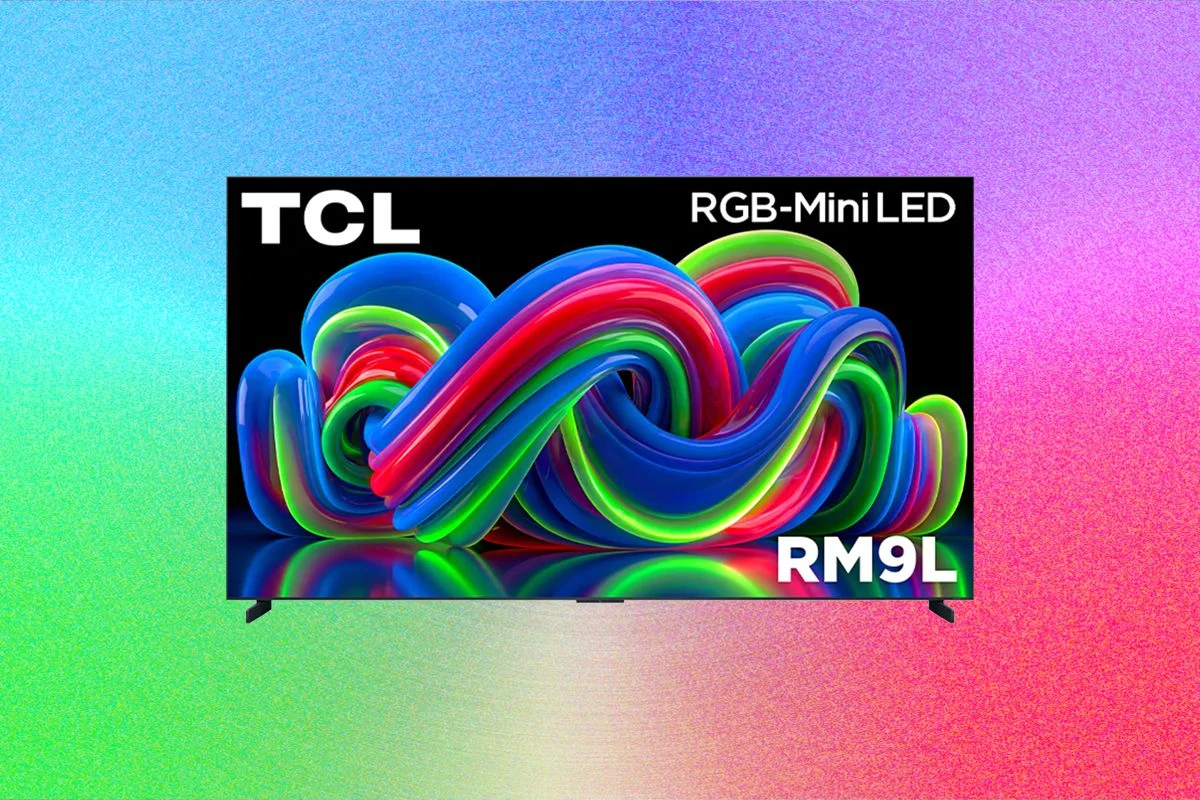
The global television market has undergone a significant transformation over the last five years, moving from standard LED backlighting toward more sophisticated technologies such as Mini-LED and Micro-LED. At the forefront of this shift is TCL, a manufacturer that has transitioned from a budget-oriented brand to a formidable competitor in the high-end display space. The release of the TCL RM9L RGB-Mini represents a strategic move by the company to capture the "prosumer" and gaming demographics by offering high-bandwidth connectivity and advanced backlighting systems. This model specifically targets users who demand low-latency performance for PC gaming alongside the high-contrast visuals required for cinematic experiences. In an industry where the line between premium flagship models and mid-range contenders is increasingly blurred, the RM9L serves as a case study in balancing high-end hardware specifications with the software and calibration challenges inherent in Mini-LED technology.
Connectivity and the Gaming Ecosystem
A primary differentiator for the TCL RM9L in the current market is its uncompromising approach to connectivity. While many manufacturers continue to offer a mix of HDMI 2.0 and HDMI 2.1 ports—often limiting high-bandwidth features to only two inputs—TCL has equipped the RM9L with four full-bandwidth HDMI 2.1 ports. Each of these ports is capable of supporting a 144Hz refresh rate, a specification that moves beyond the 120Hz standard found on the PlayStation 5 and Xbox Series X. This 144Hz capability is particularly relevant for the PC gaming community, where high-end graphics cards can push frame rates beyond the traditional console ceiling.
The inclusion of four high-speed ports ensures that users do not have to prioritize which device receives the best performance. One of these HDMI 2.1 ports is dedicated to eARC (Enhanced Audio Return Channel) passthrough, allowing for the transmission of high-bitrate audio formats like Dolby Atmos and DTS:X to external sound systems. In practical testing scenarios involving the Xbox Series X and third-party streaming hardware like Google TV, the RM9L maintains stable handshake protocols. Furthermore, the integration of high-end external audio, such as the Klipsch The Nines II powered speakers, highlights the television’s role as a central hub for a sophisticated home theater ecosystem.
Beyond HDMI, the RM9L includes a comprehensive suite of inputs: two USB ports (including one coaxial), an Ethernet port for stable wired networking, and a digital optical port for legacy audio equipment. For wireless connectivity, the television utilizes Wi-Fi 6. This standard is critical for streaming 4K HDR content, which requires significant bandwidth and low jitter to maintain high-quality bitrates without buffering.
Ergonomics and User Interface Design
The design of the RM9L remote control reflects a growing trend toward functional minimalism combined with tactical utility. One of the more innovative features is the placement of brightness controls on the right-hand side of the remote. This design choice addresses a common pain point for users who frequently transition between daytime viewing in sunlit rooms and late-night gaming sessions in total darkness. By allowing for rapid adjustments without navigating complex on-screen menus, TCL has prioritized the user’s immediate environment.
To further enhance usability, the remote incorporates small physical notches on the volume and channel buttons. This tactile feedback allows users to navigate the interface by touch, reducing the need to look down at the device in a darkened room. The remote is also backlit, a feature typically reserved for premium models, which underscores the RM9L’s positioning as a high-tier product. However, the design is not without its flaws; the Home button is notably offset from the center, which can lead to navigation errors, and the inclusion of dedicated buttons for specific free television channels may feel redundant to users who primarily rely on subscription streaming services or external consoles.
Visual Performance and High Dynamic Range Benchmarks
The core of the RM9L’s appeal lies in its RGB-Mini LED backlighting system. Mini-LED technology uses thousands of tiny LEDs to provide more precise control over local dimming zones compared to traditional LEDs. This is intended to provide the deep blacks of an OLED while maintaining the high peak brightness of an LCD. To evaluate these claims, the RM9L was subjected to rigorous real-world testing using content known for its demanding lighting conditions.
Testing with the Netflix film Awake and the Fandango at Home app’s version of The Creator revealed the complexities of the RM9L’s image processing. These films feature numerous scenes filmed in low-light environments, such as predawn landscapes and dimly lit interiors. In a notable sequence from Awake, where characters cycle through a dark environment, many televisions—including some OLEDs—struggle to maintain shadow detail, often resulting in a "washed out" or grayed-out appearance. The RM9L required the selection of "Vivid" picture mode to resolve these details effectively. This suggests that the television’s default "Movie" or "Standard" modes may be tuned too conservatively, sacrificing shadow visibility for the sake of deeper blacks.
Similarly, early scenes in The Creator involving oceanic night shots failed to deliver the expected level of vibrancy. Despite the use of Dolby Vision IQ, a technology designed to adjust the picture based on the room’s ambient light, the RM9L’s rendition of deep blues and blacks lacked the "pop" found in competing high-end displays. This indicates that while the hardware is capable of high luminance, the software algorithms governing the Mini-LED zones may require further refinement to avoid a "graying" effect in high-contrast transitions.
Comparative Analysis: TCL vs. The Competition
When placed in the context of the broader market, the RM9L sits in a highly competitive middle-to-high ground. In benchmarks focused on skin tone accuracy and tonal variation, the RM9L was outperformed by the LG Micro RGB Evo. The LG model demonstrated a superior ability to render subtle shifts in skin pigments, whereas the TCL displayed a more uniform, less nuanced color palette.
However, the RM9L held its own when compared to other Mini-LED offerings such as the Sony Bravia 7 Mark II and the Hisense UR9. In side-by-side comparisons, the TCL’s performance was largely indistinguishable from these rivals, suggesting that the RM9L is a viable alternative for consumers who may be looking for a more aggressive price point without sacrificing the core benefits of Mini-LED technology.
Further benchmark testing using specialized demo reels highlighted the RM9L’s strengths and weaknesses in specific environmental renderings:
- Mist and Snow: In a challenge involving white mist over a snowy mountain, the RM9L struggled to maintain the same level of distinction as the Leica Cine Play 1 projector. While the comparison between a television and a high-end projector lens is inherently lopsided, it serves to highlight the limits of current LED diffusion layers.
- Nature and Texture: The RM9L outperformed the Hisense UR9 in rendering green grass in winter settings, providing more noticeable texture and color accuracy. In a segment featuring buffalo in a field, the TCL and Hisense models were roughly equal, both successfully displaying various shades of brown and fur texture.
- Color Saturation: The LG Micro RGB Evo remained the leader in pure color rendering, specifically with vibrant subjects like yellow flowers, red cacti, and purple butterflies. The LG’s ability to maintain saturation in dark scenes remains the benchmark that TCL is striving to reach.
Industry Implications and Market Evolution
The release of the RM9L is indicative of TCL’s broader strategy to dominate the global television market by offering premium features at a lower entry price than traditional Japanese and Korean giants. According to market data from Omdia and IDC, TCL has consistently vied for the number two spot in global TV shipments, largely driven by its vertical integration. Because TCL owns its panel manufacturing subsidiary, CSOT (China Star Optoelectronics Technology), it can implement new technologies like 144Hz RGB-Mini LED faster and more cost-effectively than brands that must source panels from third parties.
The RM9L also reflects the increasing importance of the gaming sector in TV development. As the boundary between monitors and televisions continues to dissolve, features like 144Hz refresh rates and dedicated gaming ports are no longer optional extras but essential requirements for a significant portion of the buying public.
Conclusion
The TCL RM9L RGB-Mini LED TV is a high-performance display that excels in connectivity and gaming utility while facing some challenges in the fine-tuning of its image processing. Its four HDMI 2.1 ports and 144Hz support set a high bar for competitors, and its innovative remote design shows a keen understanding of user habits. While it may not yet match the absolute color precision of flagship LG models, its performance relative to Sony and Hisense makes it a strong contender in the premium-midrange market. For consumers who prioritize gaming performance and high-speed connectivity, the RM9L offers a compelling package that underscores TCL’s evolution into a serious player in the high-fidelity display arena. As firmware updates potentially address the "washed out" issues in dark scenes, the RM9L could represent one of the best value propositions for the modern, multi-device household.
