

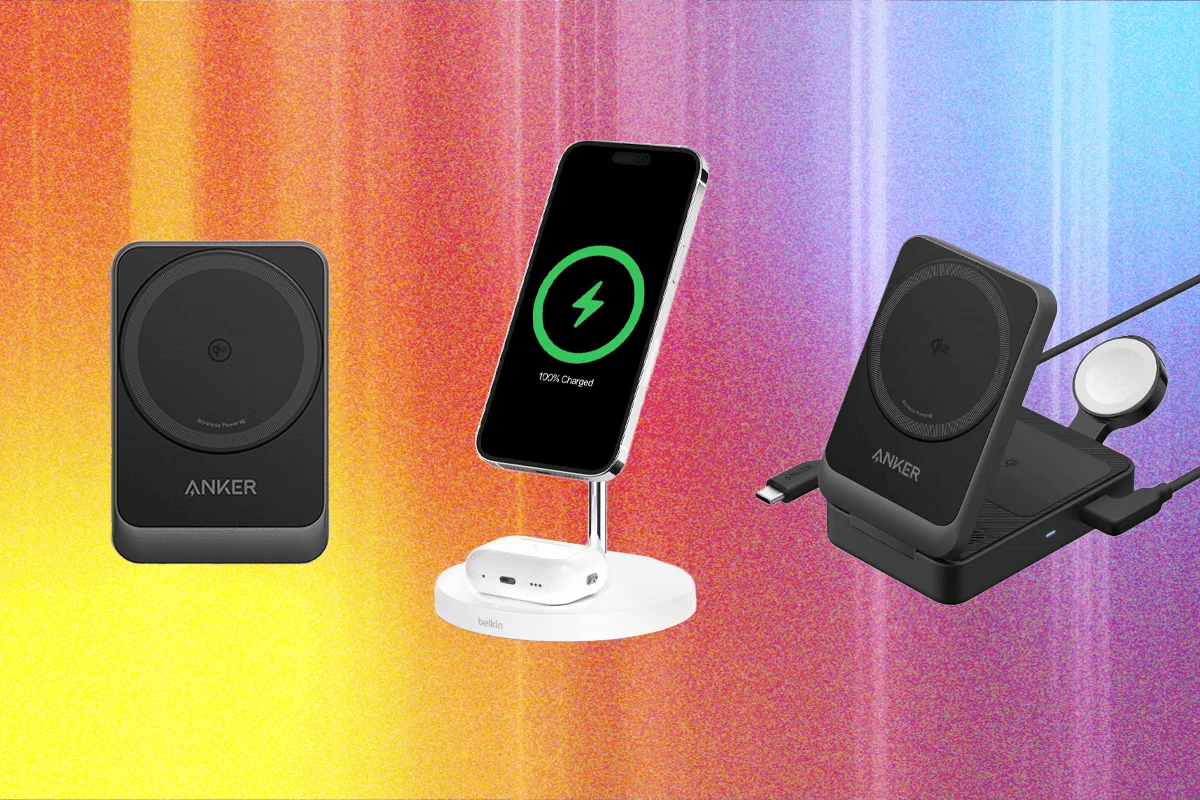
The landscape of mobile power delivery has undergone a significant transformation since the introduction of magnetic wireless charging, moving from a proprietary Apple ecosystem to a universal industry standard known as Qi2. As of mid-2026, the integration of the Qi2.2 protocol has further pushed the boundaries of wireless efficiency, offering charging speeds that now rival traditional wired connections for many users. With the release of the iPhone 17 series and the Google Pixel 10 lineup, the market for magnetic chargers has reached a point of maturity where consumers can choose between high-speed pads, multi-device stands, and aesthetically driven lifestyle accessories.
The Evolution of Magnetic Charging: A Five-Year Chronology
The journey toward the current state of wireless charging began in October 2020 with the launch of the iPhone 12. Apple’s introduction of MagSafe—a ring of magnets surrounding a Qi-based charging coil—solved the primary frustration of wireless power: misalignment. When a device is not perfectly centered on a charging pad, energy is lost as heat, significantly slowing the charging process and potentially damaging battery health over time.

By 2023, the Wireless Power Consortium (WPC) announced that the next generation of the universal Qi standard, Qi2, would be built upon Apple’s Magnetic Power Profile (MPP). This move effectively "democratized" MagSafe, allowing Android manufacturers to implement the same magnetic alignment system. The timeline of this evolution highlights the rapid adoption of the technology:
- October 2020: Apple launches MagSafe with the iPhone 12, capping speeds at 15W.
- January 2023: The WPC announces Qi2 at CES, signaling the end of proprietary magnetic charging.
- Late 2023: Apple updates the iPhone 13, 14, and 15 via software to support the burgeoning Qi2 standard.
- 2024-2025: Third-party manufacturers like Belkin, Anker, and Nomad release the first wave of Qi2-certified hardware.
- Late 2025/Early 2026: Google integrates Qi2 into the Pixel 10 series, while the WPC finalizes Qi2.2, enabling speeds up to 25W for compatible devices like the iPhone 17 Pro and Pixel 10 Pro XL.
Technical Analysis of Current Standards
The current market is defined by three distinct tiers of magnetic wireless power. The first is legacy MagSafe/Qi2, which provides 15W of power. This remains the standard for most mid-range devices and older iPhone models. The second is the newly established Qi2.2 (25W) standard, which requires both a compatible charger and a high-output power adapter. The third is basic Qi charging (7.5W), which many magnetic chargers still use when connected to non-certified devices.
.jpg)
Industry data suggests that magnetic alignment improves charging efficiency by approximately 25-30% compared to standard Qi pads. By ensuring the induction coils are perfectly concentric, the system minimizes electromagnetic interference and thermal throttling. This thermal management is critical; as batteries become larger and charging speeds increase, the ability of a charger to dissipate heat determines how long it can maintain its peak wattage.
Top Performers in the 2026 Market
The Benchmark: Apple MagSafe Charger (2 m)
Apple’s updated MagSafe Charger remains the primary recommendation for iPhone users, particularly those with the iPhone 17 series. With the latest hardware revision, this charger supports the 25W peak delivery required for fast wireless charging on the newest Pro models. The move to a 2-meter cable length addresses a long-standing consumer complaint regarding the restrictive 1-meter cable of previous generations. At a retail price of $49, it offers the most seamless integration with iOS, including optimized battery charging and firmware updates delivered directly through the phone.

Premium Desktop Integration: Nomad Stand One (4th Gen)
For users prioritizing build quality and desk aesthetics, the Nomad Stand One represents the high-end of the market. Weighing over a pound due to its solid metal and glass construction, the stand ensures that the charger stays on the desk when the phone is pulled away. The 4th Generation model is fully Qi2.2 certified, providing 25W of power. While its $125 price point is significant, its "upright" design is specifically optimized for Apple’s StandBy mode and Android’s lock-screen widgets, allowing the phone to function as a secondary display while charging.
The Multi-Device Hub: Belkin 3-in-1 Qi2 Charging Stand
Belkin has long been Apple’s preferred third-party partner, and the 3-in-1 Qi2 Charging Stand remains the gold standard for users deep within an ecosystem. It features a 15W/25W magnetic arm for the phone, a dedicated fast-charging puck for the Apple Watch, and a 5W base for wireless earbuds. Retail data indicates that 3-in-1 units are the fastest-growing segment of the charging market, as consumers look to reduce "cable clutter" on nightstands. The Belkin unit is currently priced between $90 and $110, depending on ongoing promotions at major retailers like Amazon and Best Buy.
%2520SOURCE-Simon-Hill..jpg)
Sustainability and Versatility: Nimble Podium 3-in-1
The Nimble Podium has emerged as a favorite for environmentally conscious consumers. Constructed from recycled silicone and plastic, Nimble has successfully competed with legacy brands by focusing on a "pad" layout rather than a "stand" layout. This makes it more stable for larger devices like the Pixel 10 Pro XL. The Podium supports 25W magnetic charging and includes a dedicated spot for accessories, retailing for $140.
Supporting Data and Market Impact
The shift toward magnetic charging has had a measurable impact on the consumer electronics accessory market. According to 2025 market research reports, magnetic-enabled wireless chargers now account for 65% of all wireless charger sales, up from just 20% in 2021.
.jpg)
Furthermore, the "StandBy" ecosystem has changed how users interact with their devices. Data from mobile usage trackers indicates that users who utilize magnetic charging stands are 40% more likely to use their phones for smart home control and alarm clock functions. This transition has turned the smartphone into a "hub" rather than just a handheld device.
Industry Reactions and Official Perspectives
The transition to the Qi2 standard was praised by the Wireless Power Consortium as a "pivotal moment for global interoperability." In a statement regarding the release of the 25W update, WPC spokesperson Paul Golden noted that the goal was to "eliminate the confusion between different proprietary fast-charging standards and provide consumers with a single, high-speed solution that works across all brands."
.jpg)
Manufacturers have also responded to consumer feedback regarding the lack of power adapters in the box. While Apple and Anker often sell the charging pads as standalone units, brands like Belkin and Nomad have increasingly moved toward including the necessary 30W+ USB-C wall plugs to ensure users actually achieve the advertised speeds. This has led to a slight increase in MSRP across the board but has resulted in higher customer satisfaction ratings due to the "plug-and-play" experience.
Broader Implications for the Future of Mobile Devices
The refinement of MagSafe and Qi2 technology points toward a "portless" future. For years, rumors have circulated regarding a portless iPhone, and the current efficiency of 25W magnetic charging makes that a technical reality. If wireless charging can match the speeds of standard wired charging while offering the convenience of magnetic attachment, the need for a physical USB-C or Lightning port diminishes.

However, challenges remain regarding thermal efficiency. Wireless charging still generates more heat than wired charging, which can lead to accelerated battery degradation if not managed correctly. The latest chargers from Mous and Anker have begun incorporating active or passive cooling elements, such as aluminum heat sinks and ventilated casings, to mitigate this issue.
As we move through 2026, the distinction between "Apple accessories" and "Android accessories" continues to blur. The Qi2 standard has created a unified market where a single high-quality charging stand can serve a household with mixed-brand devices. For the consumer, this means better value, longer-lasting accessories, and a more streamlined charging experience across the board. Whether choosing the minimalist Apple pad or the architectural Nomad stand, the current generation of magnetic chargers offers a level of reliability and speed that was previously unattainable in the wireless category.
