

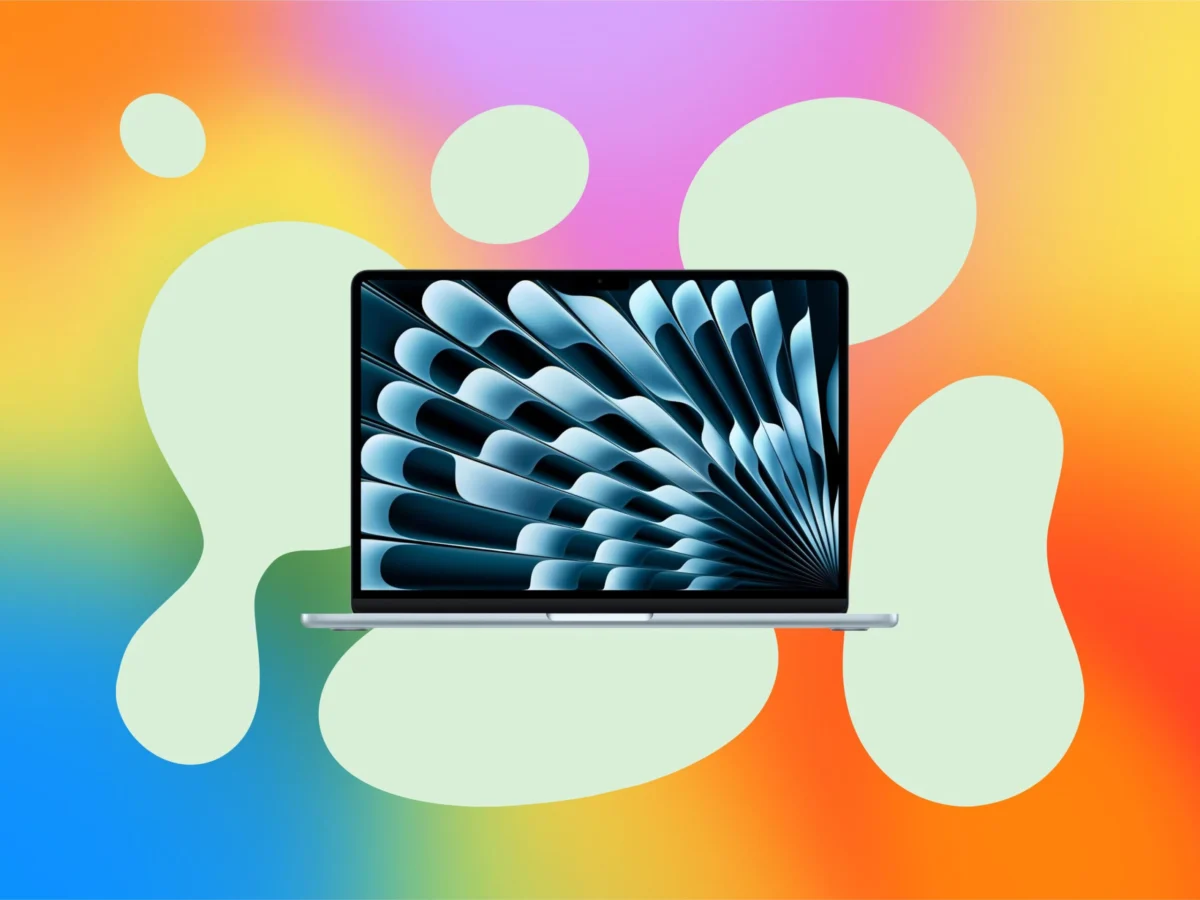
The era of stable consumer electronics pricing has faced a significant disruption as Apple officially updated its retail website this Thursday, confirming substantial price increases across nearly its entire hardware portfolio. This move follows a period of mounting pressure within the global supply chain, which Apple executives had previously characterized as an "inevitable" consequence of rising production costs. The adjustments, which vary by product line, represent some of the most aggressive mid-cycle price hikes in the company’s recent history, affecting everything from the entry-level MacBook Neo to the high-performance MacBook Pro and the versatile iPad lineup.
The New Pricing Landscape for Portable Computing
The most immediate and visible changes appeared within the MacBook family, where price increases have shifted the entry point for macOS significantly higher. The newly introduced MacBook Neo, originally positioned as a more accessible entry into the ecosystem, saw a $100 increase, bringing its base price to $699. While still the most affordable laptop in Apple’s current lineup, the 16 percent increase represents a narrowing of the gap between budget and mainstream offerings.
The MacBook Air, widely regarded as the world’s most popular laptop, faced a more jarring adjustment. The starting price for the 13-inch model has been raised by $200, now retailing for $1,299. Despite the price hike, the base configuration remains relatively robust, featuring 16 GB of unified memory and 512 GB of SSD storage. However, the timing of this increase has drawn scrutiny from industry analysts, as it comes only months after the latest hardware refresh, effectively penalizing consumers who waited beyond the initial launch window.
Most substantial of all is the price revision for the MacBook Pro. The professional-grade laptop has seen a nearly $400 increase, pushing its starting price to $1,999—a 20 percent jump from its previous positioning. This change is particularly notable because the MacBook Pro utilizes the same M5 silicon found in the Air model. While the Pro variant offers double the storage capacity and a superior display, the price delta between the Air and Pro models is now the widest it has been in several years, potentially forcing creative professionals to re-evaluate their hardware procurement strategies.
Impact on the iPad and Desktop Ecosystems
The price adjustments were not confined to the laptop segment. Apple has also revised the MSRP for its tablet and desktop computers, signaling a broad recalibration of its hardware margins. While the iPhone has so far been spared from these increases—likely due to the high volume of carrier-subsidized contracts that stabilize pricing—the iPad lineup has seen across-the-board hikes.
The standard iPad, often the go-to choice for the education sector and casual users, now carries a higher premium, though third-party retailers like Amazon are temporarily buffering this change with a $299 promotional price. The iPad mini, which recently saw an update to the A17 Pro chip, has settled at a $500 starting price. On the desktop front, the iMac and Mac Studio—machines critical for home offices and production studios—have also seen their price tags climb, though the exact percentage varies depending on the specific configuration and region.
A Chronology of the Supply Chain Crisis
To understand why Apple, a company known for its immense bargaining power with suppliers, was forced to raise prices, one must look at the timeline of the global semiconductor market over the past eighteen months.
- Early 2024: The AI Infrastructure Pivot. Major memory manufacturers, including Samsung, SK Hynix, and Micron, began shifting a significant portion of their production capacity away from consumer-grade DDR5 and NAND flash storage. The objective was to prioritize High Bandwidth Memory (HBM) required for AI data centers and enterprise-level GPUs used by firms like NVIDIA.
- Mid-2024: The Memory Shortage Emerges. As AI demand skyrocketed, the supply of standard memory modules for consumer laptops and tablets began to tighten. Prices for 8GB and 16GB modules saw double-digit percentage increases in the wholesale market.
- Late 2024: Apple’s Warning. During recent earnings calls and industry briefings, Apple leadership hinted that the "memory supply crisis" would eventually impact consumer pricing. Despite Apple’s practice of securing long-term supply contracts, the sheer scale of the cost increases made it impossible to maintain existing margins.
- Present Day: The implementation of the new pricing structure on the Apple Store marks the conclusion of the company’s efforts to absorb these costs internally.
The Memory Crisis: Why Consumer Tech is Paying the Price
The root cause of these price hikes lies in a fundamental shift in the global tech economy. The explosion of generative AI has created an insatiable demand for high-performance memory. Data centers require massive amounts of RAM to process large language models (LLMs), and memory manufacturers have found that selling enterprise-grade HBM is far more profitable than selling standard RAM for consumer laptops.
This has left consumer electronics manufacturers in a precarious position. For years, Apple benefited from a surplus of memory, allowing them to keep base prices relatively stable even as they increased standard RAM configurations. However, with memory manufacturers now prioritizing AI clients, Apple and its competitors are competing for a smaller pool of resources.
Industry analysts suggest that Apple’s decision to move to a minimum of 16 GB of RAM across much of its lineup earlier this year may have exacerbated the impact. By setting a higher floor for hardware specifications, Apple became more vulnerable to the price volatility of the memory market. While this ensures a better user experience for features like "Apple Intelligence," it has now resulted in a higher cost of entry for the end user.
The Amazon Prime Day Buffer
Interestingly, the official price hikes arrived during Amazon’s Prime Day event, creating a temporary window of price disparity. While Apple’s official website reflected the new, higher prices immediately, third-party retailers like Amazon and Walmart have maintained their existing stock at previous MSRPs, often combined with additional discounts.
For instance, while the MacBook Air is now $1,299 at Apple, it remains available for as low as $949 on Amazon—a $350 difference. Similarly, the MacBook Pro, now $1,999 on Apple’s storefront, has been spotted at $1,549 at other retailers. Market experts warn that this "grace period" is likely to be short-lived. Retailers typically adjust their pricing to match the manufacturer’s MSRP once their current inventory—purchased at the old wholesale rates—is depleted. Consequently, the current sales event may represent the final opportunity for consumers to purchase Apple hardware at "pre-inflation" prices.
Broader Implications and Market Reactions
The broader implications of Apple’s price hike are significant for the tech industry at large. Historically, Apple serves as a bellwether for the consumer electronics market. When Apple raises prices, it often provides "cover" for other manufacturers like Dell, HP, and Lenovo to follow suit, citing similar supply chain pressures.
From a financial perspective, these price increases are a calculated move to protect Apple’s industry-leading profit margins. By passing the cost of expensive components onto the consumer, Apple ensures that its bottom line remains insulated from the volatility of the semiconductor market. However, there is a risk that higher prices could lead to a longer replacement cycle. If a MacBook Pro now costs 20 percent more, a professional user might choose to keep their current machine for five years instead of four, potentially slowing Apple’s long-term hardware revenue growth.
Consumer advocacy groups have expressed concern over the timing of these increases, noting that they come at a time when many households are already struggling with broader economic inflation. The education sector is particularly vulnerable, as schools and universities often operate on fixed budgets that did not account for a $200 increase per unit for student laptops.
Future Outlook: Will Prices Ever Come Down?
The question remains whether these price increases are permanent or a temporary reaction to a specific supply chain bottleneck. Historically, once Apple raises prices, they rarely return to previous levels, even when component costs stabilize. Instead, the company often keeps the price the same while increasing the specifications of the next generation.
However, the current situation is unique because it is tied so closely to the AI infrastructure boom. If memory manufacturers eventually increase their overall capacity to meet both AI and consumer demand, the supply-demand imbalance could ease by late 2025 or early 2026. Until then, the tech industry appears to be entering a period of "premiumization," where the cost of high-end silicon and memory will continue to dictate the price of the devices that sit on our desks and in our bags.
For now, the message to consumers is clear: the days of the "affordable" high-performance MacBook are fading, replaced by a market where cutting-edge hardware requires a significantly larger financial commitment. As the supply chain continues to evolve, the industry will be watching closely to see if Apple’s rivals follow their lead or attempt to gain market share by maintaining lower price points in an increasingly expensive world.
