

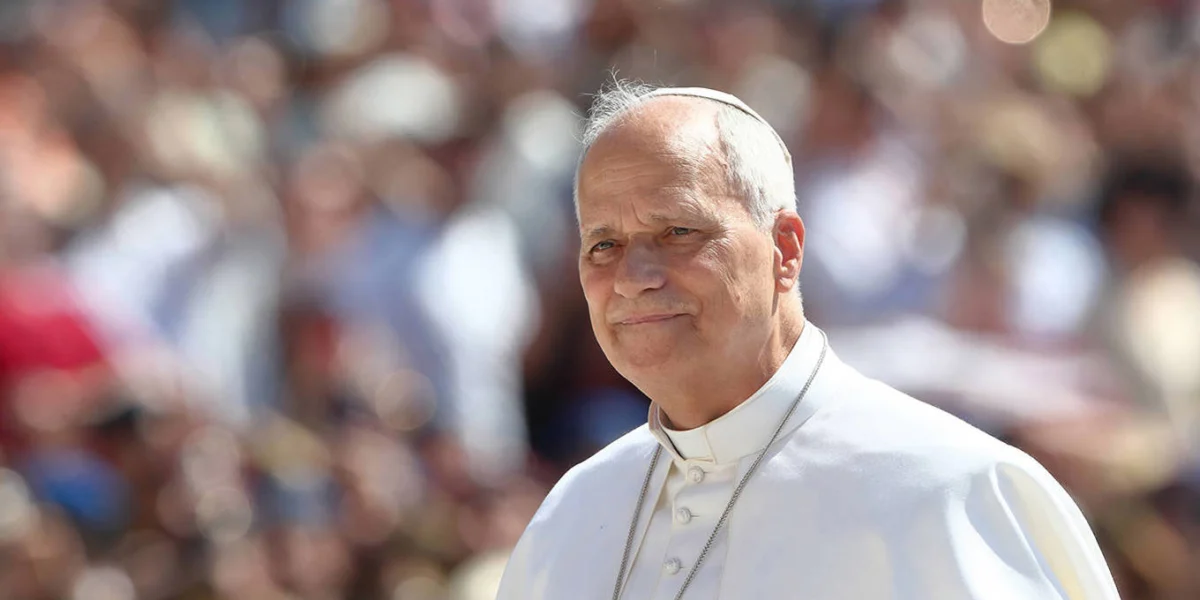
Pope Leo XIV has summoned an extraordinary consistory of the College of Cardinals to convene in the Vatican in late June, a significant gathering poised to address one of the most pressing and ethically complex issues of our time: the legitimacy of warfare in an era of escalating civilian casualties and increasingly lethal technologies. The agenda for this high-level assembly includes a dedicated session to re-evaluate the ancient and influential "just war" doctrine, a cornerstone of Catholic moral theology that has shaped discussions on conflict for centuries. The anticipated outcome of this critical convocation is a comprehensive overhaul of the doctrine to align it with the grim realities of contemporary armed conflict, prompting a necessary and overdue examination of the foundational questions surrounding the initiation and conduct of war.
The decision by Pope Leo XIV to place the just war doctrine at the forefront of the consistory’s deliberations signals a profound recognition by the Holy See of the escalating human cost of war. Historically, the just war tradition, primarily developed by theologians like St. Augustine and St. Thomas Aquinas, provides a framework for determining when resorting to armed force is morally permissible and how it should be conducted. This doctrine typically comprises two main components: jus ad bellum (justice of war, concerning the decision to go to war) and jus in bello (justice in war, concerning the conduct of hostilities). Key criteria for jus ad bellum include just cause (e.g., self-defense against aggression), legitimate authority, right intention, last resort, proportionality of ends, and reasonable hope of success. Jus in bello principles often encompass discrimination (distinguishing between combatants and non-combatants) and proportionality (avoiding excessive harm relative to the military objective).
However, the contemporary landscape of warfare presents formidable challenges to the traditional application of these principles. The proliferation of non-state actors, the rise of asymmetric warfare, the devastating impact of advanced weaponry such as autonomous drones and cyber warfare, and the undeniable surge in civilian deaths and displacement in recent conflicts have rendered many aspects of the doctrine increasingly difficult to interpret and uphold. The 21st century has witnessed a stark increase in the lethality of conflicts, with international bodies like the United Nations reporting a significant rise in civilian casualties in recent decades. For instance, reports from conflict zones around the globe consistently highlight the disproportionate suffering of non-combatants, often caught in the crossfire of modern military engagements. This persistent reality compels a critical reassessment of whether the existing ethical frameworks adequately address the complexities and consequences of contemporary military actions.
Background to the Consistory
The convening of an extraordinary consistory is a rare event, typically reserved for matters of utmost importance to the Church. Pope Leo XIV’s decision to dedicate a session to the just war doctrine underscores the urgency with which the Vatican views the global security situation and its moral implications. While the Church has historically engaged with the ethics of war, this focused, high-level reconsideration of a foundational doctrine suggests a proactive and comprehensive approach rather than a reactive one.
The roots of the just war tradition can be traced back to antiquity, with philosophical discussions on the conditions for righteous warfare preceding its formal articulation within Christian theology. St. Augustine, in his writings, grappled with the question of when the use of force could be considered a necessary evil, often in defense of peace and order. St. Thomas Aquinas, centuries later, systematically elaborated on these concepts, laying much of the groundwork for the medieval and subsequent understanding of just war. This doctrine evolved through various historical periods, influencing international law and diplomatic practices, including its incorporation into the Geneva Conventions and other international humanitarian law instruments.
The Modern Dilemma of Warfare
The modern era has introduced unprecedented challenges to the just war framework. The advent of nuclear weapons, while arguably acting as a deterrent for large-scale state-on-state conflict for a period, also introduced the terrifying prospect of mutually assured destruction, raising profound questions about the proportionality of ends and the very concept of a "reasonable hope of success" in the event of total war. More recently, the rise of terrorism, the complexities of counter-insurgency operations, and the use of sophisticated surveillance and precision-guided munitions have blurred the lines between combatants and non-combatants.
Data from organizations like the International Committee of the Red Cross (ICRC) consistently highlights the alarming trend of civilian casualties in contemporary conflicts. For example, conflicts in the Middle East and Africa over the past two decades have frequently seen a significant majority of those affected by violence being civilians. The use of explosive weapons in populated areas, a tactic employed in numerous recent conflicts, has been identified by the UN as a primary driver of civilian harm. This trend directly challenges the jus in bello principle of discrimination, as the distinction between legitimate military targets and civilian infrastructure or populations becomes increasingly difficult to maintain in densely populated urban environments.
Furthermore, the development of autonomous weapons systems, capable of identifying and engaging targets without direct human intervention, presents a new frontier of ethical concern. The potential for these systems to make life-or-death decisions raises fundamental questions about accountability, human control over the use of force, and the inherent dignity of human life. The Vatican’s engagement with this issue is thus not merely an academic exercise but a vital intervention in a rapidly evolving technological and geopolitical landscape.
A Timeline of Consideration
While this specific consistory is slated for June 2026, the Vatican’s engagement with the ethics of war is an ongoing process. Throughout history, Popes have issued encyclicals and addressed global conflicts, offering moral guidance and advocating for peace. However, a formal, in-depth re-examination of the just war doctrine at this level signifies a deliberate and structured approach.
- Antiquity & Middle Ages: Development of core principles by St. Augustine and St. Thomas Aquinas.
- Early Modern Period: Application and adaptation of the doctrine to evolving warfare, including the rise of nation-states and more organized armies.
- 20th Century: The advent of total war, the atomic bomb, and the subsequent development of international humanitarian law, including the Geneva Conventions.
- Late 20th/Early 21st Century: Increased focus on asymmetric warfare, terrorism, and the growing humanitarian crises resulting from conflict.
- 2020s: Heightened global tensions, proliferation of advanced weaponry, and growing concerns over civilian protection in conflicts.
- June 2026: Pope Leo XIV convenes the extraordinary consistory to specifically address the just war doctrine.
Potential Scope of Revisions
The session dedicated to the just war doctrine is expected to explore several key areas. Cardinal theologians, canon lawyers, ethicists, and potentially military chaplains and international relations experts may contribute to the discussions.
Possible areas of focus include:
- Re-evaluating "Just Cause": In an era where cyber warfare and economic sanctions can inflict widespread damage without direct physical combat, how does the doctrine apply to non-kinetic forms of aggression? What constitutes a legitimate act of self-defense in the digital realm?
- The "Last Resort" Principle: With the ease of communication and the rapid escalation of global events, what constitutes a genuine "last resort"? Have diplomatic and preventative measures become more robust, or have they been outpaced by the speed of conflict?
- Discrimination and Proportionality in Urban Warfare: How can the principles of distinguishing between combatants and non-combatants and ensuring proportionality of harm be applied effectively in densely populated areas where military targets are often embedded within civilian infrastructure?
- The Role of Technology: The ethical implications of artificial intelligence in warfare, autonomous weapons systems, and the potential for unintended escalation through advanced technology will likely be a significant point of discussion.
- Accountability and Responsibility: In conflicts involving complex alliances, non-state actors, and hybrid warfare, how can accountability for war crimes and adherence to humanitarian law be ensured?
Inferred Reactions and Broader Impact
While official statements from all parties are yet to be released, the announcement of the consistory has already generated significant interest within diplomatic, academic, and religious circles. Observers anticipate that the discussions within the Vatican will resonate globally, influencing debates on international law, arms control, and the moral responsibility of nations.
Potential reactions and implications include:
- International Legal Bodies: The Holy See’s pronouncements on the just war doctrine have historically influenced international legal thinking. A modernized doctrine could provide renewed ethical impetus for the development and enforcement of international humanitarian law.
- Military Strategists and Policymakers: The re-examination will likely prompt a review of military doctrines and ethical training within armed forces worldwide. The Vatican’s stance could influence the development and deployment of new military technologies.
- Humanitarian Organizations: Groups like the ICRC and various NGOs advocating for civilian protection in conflict zones will be closely watching the proceedings, hoping for a stronger moral framework that can be leveraged to mitigate the suffering of non-combatants.
- Theological and Ethical Scholars: The consistory represents a significant opportunity for scholarly discourse and a potential paradigm shift in the application of religious ethics to contemporary conflict.
The convening of this extraordinary consistory is not merely a theological exercise; it is a crucial engagement with the enduring question of how humanity can navigate the profound moral challenges posed by the reality of war. The outcome of Pope Leo XIV’s deliberations could shape the ethical landscape of conflict for generations to come, offering a beacon of moral reflection in an often-turbulent world. The questions being asked at the Vatican are not abstract; they are urgent and directly concern the lives and well-being of millions.
