

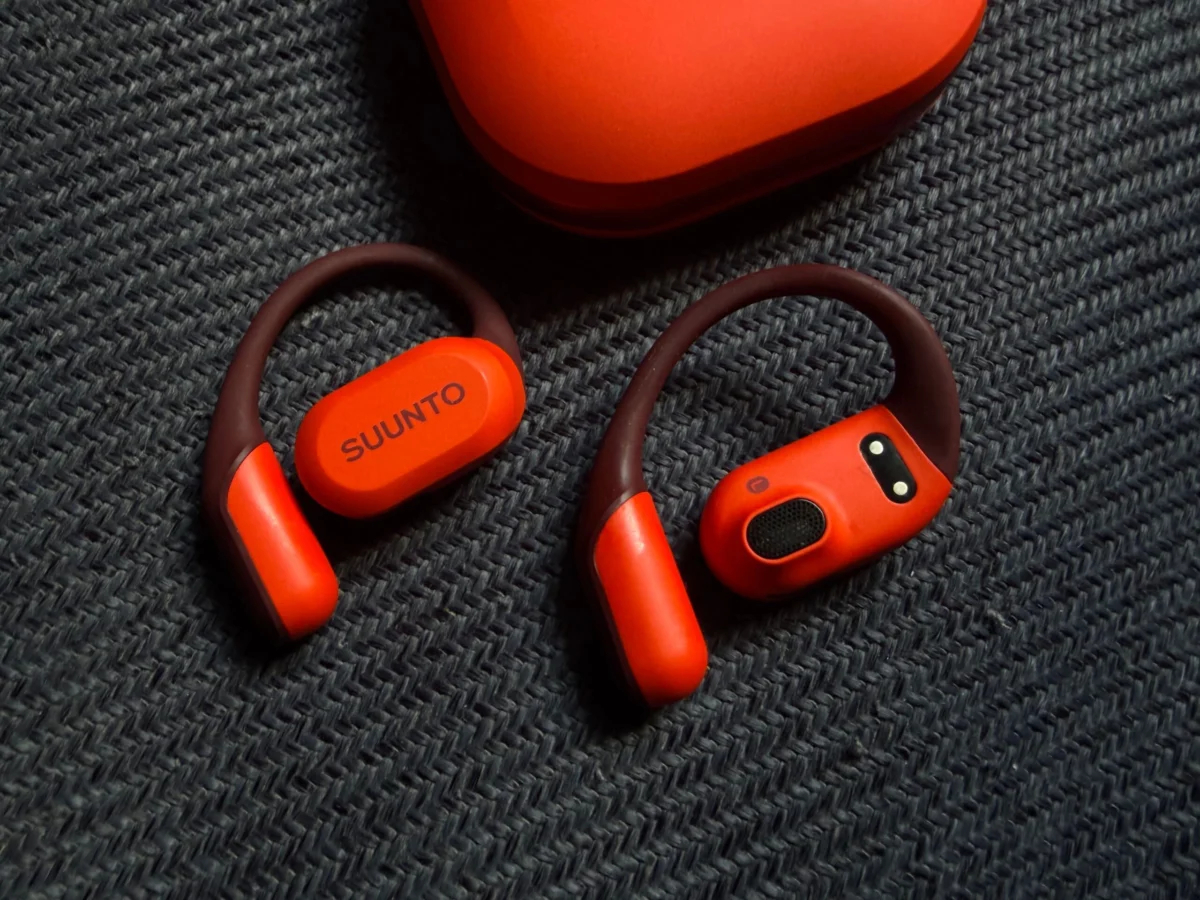
The landscape of wearable fitness technology has undergone a significant transformation over the last decade, transitioning from basic heart rate monitors to sophisticated ecosystems that integrate biometric data with high-fidelity audio. Suunto, the Finnish manufacturer renowned for its precision instruments, diving computers, and GPS sports watches, has recently expanded its footprint in the audio sector with the release of the Suunto Spark. This move represents a strategic pivot for a company that has spent nearly a century focusing on the navigational and performance-tracking needs of outdoor professionals. The Suunto Spark enters a competitive market for open-ear headphones, a category specifically designed to provide situational awareness for runners, cyclists, and hikers who require high-quality audio without compromising their ability to hear environmental cues such as traffic or approaching pedestrians.
Engineering and Durability Standards
The Suunto Spark is engineered with the rigors of outdoor endurance sports in mind. Central to its design is an IP55 rating, a standard that certifies the device is protected against dust ingress and low-pressure water jets from any direction. For the athlete, this ensures that the hardware remains functional during heavy perspiration or sudden downpours. However, it is important to note that this protective rating applies exclusively to the earbuds themselves; the charging case does not carry an IP rating. Despite this limitation, the case is designed for portability, featuring a slim, compact profile that allows it to be stored easily within the small compartments of a running belt or a pocket.
The physical architecture of the Spark reflects Suunto’s heritage in ergonomic design. Unlike traditional in-ear monitors that can cause discomfort or ear canal fatigue during multi-hour sessions, the Spark utilizes an over-ear hook system. This design distributes the weight of the device more evenly, ensuring stability during high-impact activities such as interval sprinting or trail running. The use of lightweight materials further enhances the long-term wearability of the unit, catering to the specific needs of ultramarathoners and long-distance cyclists.
The Evolution of Control Interfaces
One of the most complex challenges in sports audio design is creating a user interface that remains functional under suboptimal conditions, such as rain or heavy sweat. Suunto has implemented a dual-control system for the Spark, consisting of capacitive touch panels and motion-based head gestures. The touch panels are located on the exterior of both earbuds, allowing users to adjust volume, skip tracks, and pause audio. Suunto has also integrated advanced features into these panels, such as the ability to activate a metronome—a critical tool for runners looking to maintain a specific cadence—and a workout tracking mode.
While touch controls offer a sleek aesthetic, they are not without technical hurdles. Capacitive sensors can struggle to distinguish between a deliberate finger press and the interference of moisture. Suunto has addressed this by spacing the controls across the speaker units to minimize accidental triggers. Nevertheless, professional feedback suggests that while the touch panels are responsive, they require a level of precision that can be difficult to achieve mid-stride.

In addition to touch, the Spark incorporates head gesture controls powered by internal motion sensors—specifically accelerometers and gyroscopes similar to those found in Suunto’s high-end watches. This technology allows users to answer or reject calls and skip tracks by nodding or shaking their heads. While this hands-free approach is effective for stationary activities or low-impact movement like cycling on a smooth road, its efficacy diminishes during high-intensity running. The natural vertical oscillation and lateral movement of a runner’s head can lead to false positives, where the device misinterprets a stride for a command. This highlight’s a broader industry trend where motion-based controls are still being refined to separate intentional gestures from the "noise" of athletic movement.
Acoustic Innovation through Air Conduction
The defining feature of the Suunto Spark is its use of air conduction technology. Historically, the open-ear market has been dominated by bone conduction, a method that transmits sound vibrations through the user’s cheekbones directly to the inner ear. While bone conduction excels at maintaining situational awareness, it often suffers from a lack of bass response and a "tickling" sensation at high volumes.
Air conduction, by contrast, utilizes precision-engineered directional speakers that sit just outside the ear canal. These speakers beam sound waves directly into the ear while allowing ambient noise to enter simultaneously. This shift in technology allows the Suunto Spark to achieve a level of audio depth and clarity that rivals premium traditional earbuds. The acoustic performance is particularly notable for its ability to maintain vocal clarity in podcasts and phone calls, even in windy environments—a common pain point for outdoor athletes.
To further refine the listening experience, Suunto has integrated the Spark into its existing mobile application ecosystem. Through the Suunto app, users can access four distinct EQ (Equalization) presets or create a custom sound profile. This level of customization is a direct benefit of the air conduction design, which provides a broader frequency response than bone conduction counterparts. By allowing users to tailor the audio to their specific environment or genre preference, Suunto is positioning the Spark not just as a piece of safety equipment, but as a legitimate high-fidelity audio device.
Market Context and Competitive Positioning
The release of the Suunto Spark comes at a time when the "open-ear" segment is the fastest-growing niche in the headphone industry. Market data suggests that consumers are increasingly prioritizing ear health and safety, leading to a surge in demand for non-occlusive audio solutions. Suunto’s primary competitors in this space include Shokz (formerly AfterShokz), the pioneer of bone conduction; Bose, with its Ultra Open Earbuds; and Anker’s Soundcore division.
Suunto’s advantage lies in its deep integration with its existing sports watch ecosystem. For users already within the Suunto "universe," the Spark offers a seamless experience, managed through the same application used to track GPS data and physiological metrics. This "walled garden" approach is similar to Apple’s integration of AirPods with the iPhone, though Suunto’s focus remains strictly on the athletic demographic.

Analysis of Implications for the Wearable Tech Industry
The Suunto Spark represents more than just a new product; it is a signifier of the "convergence" trend in wearable technology. We are seeing a move away from siloed devices toward integrated systems where the watch, the headphones, and the smartphone work in a synchronized triad to provide a holistic view of the user’s performance and environment.
Furthermore, Suunto’s decision to adopt air conduction over bone conduction suggests a potential shift in the industry’s technical direction. As air conduction technology matures, it offers a superior balance of audio quality and situational awareness, potentially rendering bone conduction a legacy technology reserved for specific medical or specialized tactical applications.
However, the challenges Suunto faces with gesture controls indicate that the "human-machine interface" (HMI) for sports remains an area for significant research and development. As sensors become more sensitive and AI-driven algorithms become better at filtering out background movement, we can expect future iterations of these devices to offer more reliable hands-free operation.
Chronology of Suunto’s Audio Expansion
The journey to the Spark began several years ago as Suunto recognized the limitations of its core watch market.
- 2021-2022: Suunto began heavy investment in R&D to explore how audio could enhance the "adventure" experience.
- Late 2023: The company launched the Suunto Wing, its first major foray into premium open-ear audio, which utilized bone conduction and featured integrated LED lights for safety.
- Early 2024: Following the Wing, Suunto released the Sonic, a more streamlined version aimed at general fitness enthusiasts.
- Mid-2024: The Suunto Spark was introduced, marking the transition to air conduction technology and a focus on a more compact, everyday-carry form factor.
This timeline illustrates a rapid iterative process, where Suunto has used each product launch to refine its understanding of the audio market, culminating in the Spark’s sophisticated sound profile.
Final Assessment
The Suunto Spark is a robust entry into the premium audio market, successfully bridging the gap between professional-grade sports gear and consumer electronics. By prioritizing sound quality through air conduction and maintaining a focus on durability and situational awareness, Suunto has created a device that meets the specific demands of the modern athlete. While the gesture and touch controls present a learning curve and minor frustrations in high-intensity scenarios, the overall performance of the Spark—particularly its wind resistance and EQ customization—sets a high bar for the competition. As Suunto continues to integrate its audio hardware with its world-class data tracking software, the Spark stands as a testament to the brand’s ability to innovate beyond its traditional boundaries.
