

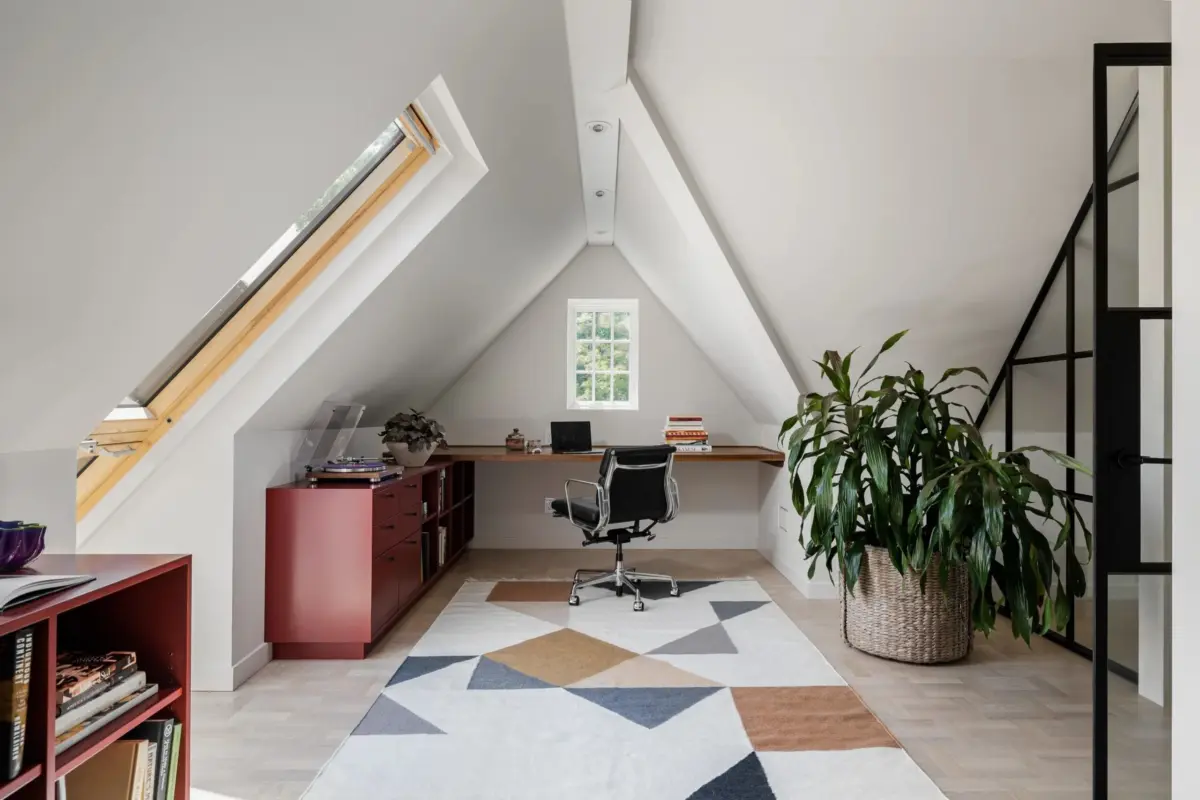
The Evolution of Office Storage: From Utility to Aesthetic
The history of the filing cabinet is rooted in the pursuit of efficiency and the standardization of information. Invented in the late 19th century, the vertical filing cabinet was a revolutionary response to the increasing volume of paperwork generated by the Second Industrial Revolution. For decades, the objective was "sameness"—a row of identical cabinets signaled an organized, professional environment. However, as the global workforce shifted toward remote and hybrid models, the requirement for office furniture changed.

In a residential setting, a filing cabinet must perform multiple roles. It is no longer just a repository for tax returns and legal documents; it is often a side table, a printer stand, or a nightstand. Consequently, designers are now utilizing materials such as natural oak, walnut veneers, and powder-coated steels in vibrant palettes. The "glow-up" of the filing cabinet is not merely a cosmetic change but a response to the "Zoom room" phenomenon, where every piece of furniture within the frame of a video call contributes to an individual’s professional brand and personal style.
A Chronology of the Filing System
To understand the current state of office storage, one must look at the timeline of its development.

- 1898: Edwin G. Seibels is credited with inventing the first vertical filing system. Before this, papers were folded and kept in envelopes or flat pigeonholes. The vertical file allowed for alphabetical and chronological organization without folding.
- 1940s–1950s: The post-war economic boom led to the mass production of steel office furniture. During this era, the iconic olive green and battleship gray cabinets became standard in government and corporate offices.
- 1960s–1970s: Modular systems began to emerge. The USM Haller system, designed by Fritz Haller and Paul Schärer in 1963, introduced the concept of furniture that could grow and change with the office’s needs.
- 1990s: The "paperless office" was predicted with the rise of personal computing. While digital storage reduced the need for massive filing rooms, physical storage for sensitive documents remained a necessity.
- 2020–Present: The COVID-19 pandemic catalyzed the most significant shift in office design in a century. As millions of workers transitioned to home offices, the demand for "clerical" furniture plummeted in favor of "residential-office" (or "resimercial") furniture.
Supporting Data: The Home Office Market Surge
The demand for stylish office staples is backed by substantial market data. According to industry reports, the global home office furniture market was valued at approximately $4.3 billion in 2020 and is projected to reach over $7 billion by 2030, growing at a compound annual growth rate (CAGR) of roughly 5.5%.
Consumer behavior studies indicate that post-2020, buyers are 40% more likely to invest in furniture that serves a dual purpose. Furthermore, a survey of interior designers conducted by the AD PRO Directory suggests that 75% of clients now request that office equipment be "hidden in plain sight" or integrated into the overall decor of the home, rather than looking like a traditional workspace. This data underscores why brands like West Elm, Herman Miller, and Article have pivoted toward creating filing solutions that mimic dressers, bar carts, and sideboards.

Design-Forward Solutions: Leading Examples of the Modern Cabinet
The current market offers several distinct categories of filing cabinets that cater to different spatial and aesthetic needs. These pieces represent a departure from the "Enron-style" austerity and move toward a more intentional design philosophy.
Space-Saving Innovation
For urban dwellers or those working from studio apartments, space is the primary constraint. The Branch Small Filing Cabinet exemplifies the modern approach to compact storage. Standing only 20 inches tall, it is designed to disappear under a standard desk. Unlike its predecessors, it features a smooth coated finish and contemporary colorways like sage green, which soften the visual impact of the metal.

The Legacy of Modular Design
The USM Haller File Credenza remains a gold standard for those who view office furniture as an investment. Originally designed for an industrial factory, its inclusion in the Museum of Modern Art’s permanent collection highlights its status as a design icon. The modern iteration offers locking compartments that operate with the turn of a coin—a sophisticated alternative to the clunky keys of the past. This piece demonstrates how high-end engineering can transform a storage unit into a piece of statement furniture suitable for a dining room or gallery space.
The Mobile "Trolley" Concept
Borrowing from the hospitality industry, pieces like the Herman Miller OE1 Trolley and the MoMA 5-Drawer Pivot Cabinet utilize the "bar cart" silhouette. By placing filing systems on high-quality casters, designers have acknowledged that the modern home office is fluid. A worker may need their files by the sofa in the morning and tucked away in a closet by the evening. The use of pivoting drawers—which swing out rather than sliding forward—allows these units to maintain a slim profile even when in use.

Materiality and Color Psychology in the Modern Office
The shift away from industrial gray is also rooted in color psychology and the science of productivity. Studies have shown that environments featuring natural wood tones, such as the natural oak found in the Article Fantol File Cabinet, can reduce stress and increase focus. Wood brings a sense of "biophilia"—the human tendency to seek connections with nature—into the workspace, which is often dominated by cold screens and plastic peripherals.
Similarly, brands like Laura Davidson Furniture have embraced a wide spectrum of colors, from cobalt blue to cheerful orange. In a home setting, these colors can be used to complement existing artwork or textiles, ensuring that the office does not feel like an alien intrusion into the domestic sphere. The transition to "contract-grade" materials also ensures that these aesthetically pleasing pieces possess the durability required for daily use, a standard often seen in products from West Elm.

Broader Impact and Implications for Interior Design
The "glow-up" of the filing cabinet has broader implications for the future of residential architecture and interior design. As professional and personal lives continue to overlap, the "dedicated office room" is becoming a luxury of the past. Instead, we are seeing the rise of the "cloffice" (closet-office) and the multi-functional living area.
The Death of the Clerical Look
The rejection of the "clerical" aesthetic signifies a cultural move toward individualism. In the 20th century, the office was a place of conformity. Today, the home office is a place of self-expression. When a filing cabinet looks like a piece of mid-century modern furniture, it validates the user’s identity as a creative professional rather than a cog in a corporate machine.

Sustainability and Longevity
Modern filing cabinets are increasingly built with longevity in mind. Unlike the disposable furniture of the early 2000s, many of today’s design-forward cabinets use solid mahogany frames and high-quality veneers. This shift toward "contract-grade" furniture for the home suggests that consumers are willing to pay a premium for pieces that will last decades, reducing the environmental impact of the "fast furniture" cycle.
The Security Aspect
Despite the aesthetic upgrades, the core function of the filing cabinet—security—remains vital. The modern "glow-up" has managed to integrate high-security locking mechanisms into sleek designs. This is particularly relevant for the growing number of freelancers and small business owners who must store sensitive physical documents, such as contracts, passports, and tax records, within a shared household environment.

Conclusion: A New Standard for the Workplace
The transformation of the filing cabinet is a testament to the resilience of physical design in a digital world. While the cloud has replaced the need for massive archives, the need for tactile, secure, and beautiful storage has never been greater. The current market offerings from designers like Bethany Adams and brands like Herman Miller prove that utility does not have to come at the expense of beauty.
As we move further into the 21st century, the filing cabinet will likely continue to evolve, perhaps integrating smart-lock technology or sustainable, bio-based materials. For now, its "glow-up" serves as a reminder that even the most mundane objects of our professional lives are worthy of thoughtful design. The filing cabinet is no longer just a box for paper; it is a versatile, aesthetic staple of the modern home.
