

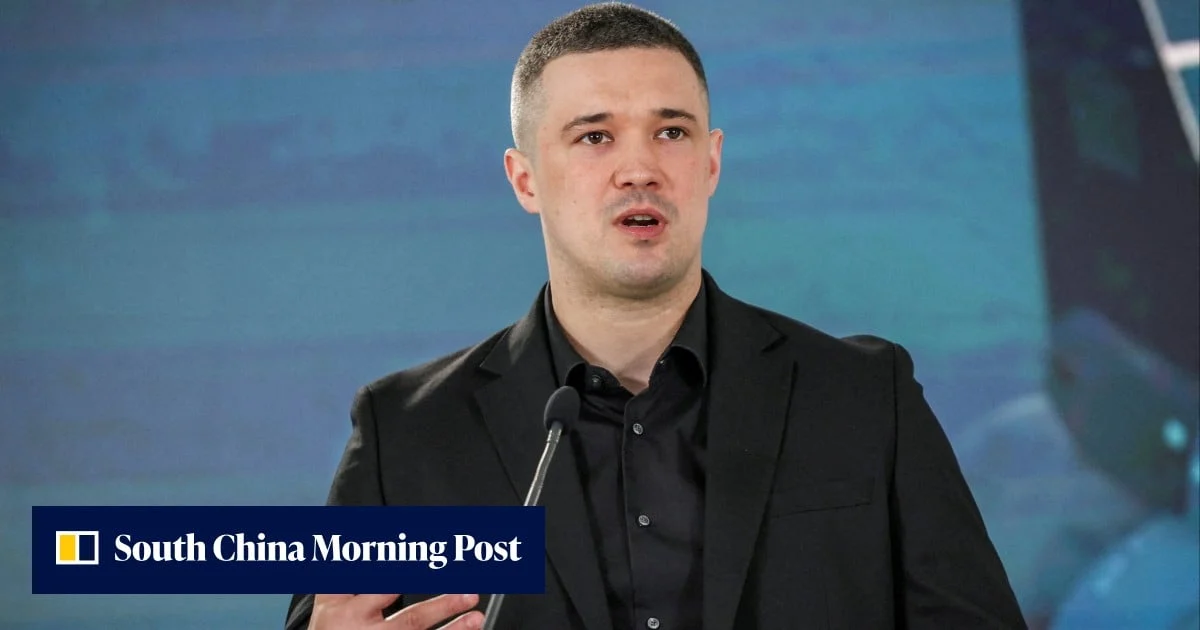
Ukrainian President Volodymyr Zelensky has provided a comprehensive and unprecedented account of the internal fractures within his administration, specifically addressing the dismissal of former Defence Minister Mykhailo Fedorov and the strategic hurdles facing the nation as the conflict with Russia enters a critical phase in 2026. During a wide-ranging, two-hour session with members of the press on Saturday—the transcript of which was released by the Presidential Office on Sunday—Zelensky characterized Fedorov’s recent political maneuvers as "misguided" and revealed that systemic misinformation from the Ministry of Defence had compromised Ukraine’s diplomatic standing with the United States.
The President’s remarks shed light on a period of intense internal friction, marked by disagreements over military spending, the feasibility of wartime elections, and a high-stakes diplomatic blunder involving U.S. President Donald Trump and the use of Starlink satellite terminals by Russian forces. These domestic political challenges coincide with a worsening deficit in air-defence capabilities, even as Ukrainian ground forces report significant territorial gains in the Dnipropetrovsk region.
The Dismissal of Mykhailo Fedorov: Political and Strategic Divergence
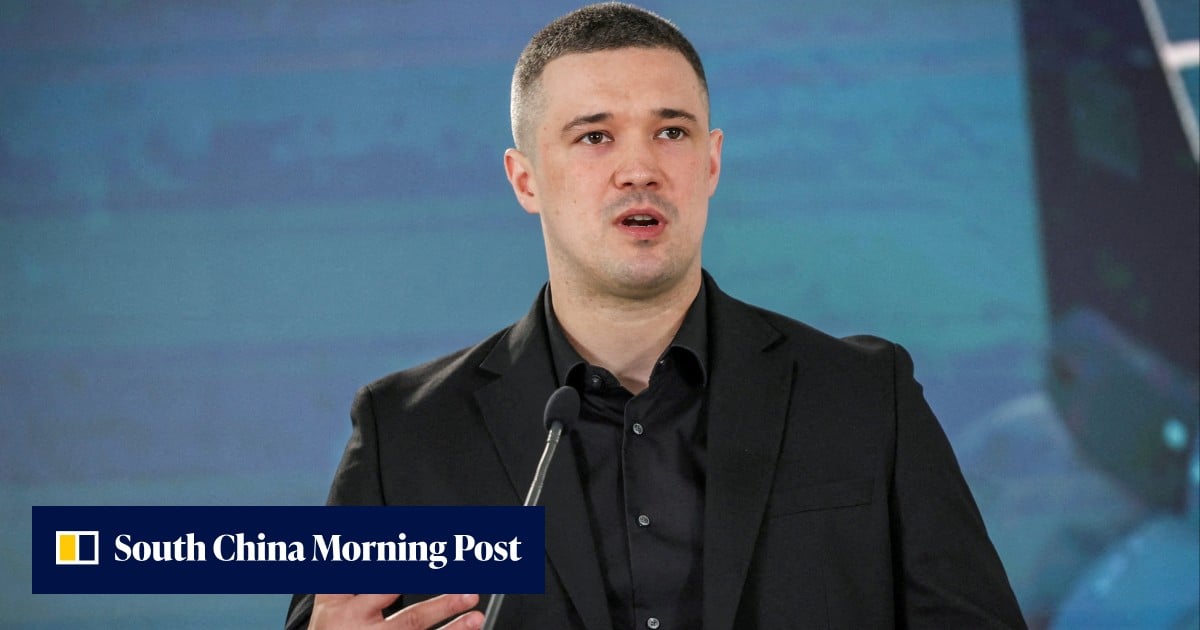
The most striking revelation from the President’s briefing was the explicit detailing of his fallout with Mykhailo Fedorov. Fedorov, who had long been a key figure in Ukraine’s modernization efforts before taking the helm at the Ministry of Defence, was dismissed amid a cloud of speculation. Zelensky clarified that the decision was rooted in Fedorov’s involvement in domestic political activities that the President deemed incompatible with the demands of wartime leadership.
According to Zelensky, Fedorov’s public support for mass protests and his repeated calls for the suspension of martial law to facilitate national elections were viewed as a threat to national stability. "The focus of the Ministry of Defence must remain exclusively on the front lines and the procurement of the tools our soldiers need to survive and win," Zelensky stated. "Engaging in political mobilization and advocating for electoral processes while our cities are under daily ballistic bombardment is not only a distraction but a fundamental miscalculation of our current reality."
The President suggested that Fedorov’s actions had created an atmosphere of uncertainty within the military hierarchy, potentially undermining the chain of command. The dispute highlights a growing debate within Ukraine regarding the duration of martial law and the preservation of democratic norms during a protracted war of attrition. While Fedorov’s supporters argue that elections are necessary to maintain the government’s legitimacy, Zelensky maintains that the logistical and security challenges of holding a vote—with millions displaced and thousands in the trenches—remain insurmountable.
The Starlink Controversy and Diplomatic Friction with Washington
A significant portion of Zelensky’s briefing focused on a recent "awkward encounter" with U.S. President Donald Trump. The incident centered on reports that Russian forces were successfully utilizing Starlink satellite internet terminals—produced by Elon Musk’s SpaceX—to coordinate operations on the battlefield.
Zelensky revealed that the Ukrainian Ministry of Defence had provided his office with inaccurate data regarding the extent of Russian Starlink usage and the measures being taken to geofence the technology. When Zelensky met with President Trump to discuss continued military aid and technological cooperation, he was reportedly confronted with intelligence that contradicted the briefings provided by Fedorov’s ministry.
"We found ourselves in a position where our internal reporting did not align with the reality on the ground or the intelligence held by our partners," Zelensky explained. This discrepancy led to a tense exchange with the U.S. President, who has been vocal about the need for strict oversight of American technology in the conflict zone. The "Starlink gap" underscored a lack of transparency or competence within the Ministry of Defence’s technical oversight departments, further accelerating the decision to overhaul the ministry’s leadership.
The implications of this diplomatic friction are substantial. As the Trump administration emphasizes a "results-oriented" approach to foreign aid, any perceived lack of honesty or accuracy from Kyiv could jeopardize future shipments of advanced weaponry. Zelensky’s public admission of the error appears to be an attempt to reset the relationship and demonstrate a commitment to accountability.
Critical Shortages in Air Defence: The Patriot Missile Deficit
While discussing the geopolitical landscape, Zelensky disclosed alarming figures regarding Ukraine’s air-defence stocks. Despite the continued threat from Russian ballistic and cruise missiles, deliveries of Patriot air-defence interceptors from Western allies have seen a marked decline over the past three years.
The President provided a data-driven overview of the crisis:
- Declining Deliveries: Since the peak of international military aid in 2023-2024, the volume of Patriot missiles arriving in Ukraine has decreased by approximately 60%.
- Increased Strike Intensity: Conversely, Russian missile strikes targeting energy infrastructure and urban centers have intensified by 40% in the last twelve months, utilizing a mix of North Korean-supplied ballistic missiles and domestically produced drones.
- The Interception Gap: Ukraine is currently forced to prioritize the protection of "critical hubs," leaving secondary cities and military staging areas increasingly vulnerable to aerial bombardment.
Zelensky warned that the current trajectory is unsustainable. "Our partners have the capacity to produce these interceptors, but the political will to prioritize our skies seems to be wavering," he noted. He called for a "strategic reassessment" of Western aid, arguing that without a robust air-defence umbrella, the gains made by Ukrainian ground forces remain at risk of being reversed by long-range Russian strikes.
Battlefield Progress: The Liberation of Dnipropetrovsk
Amidst the political and logistical challenges, Zelensky offered a more optimistic assessment of the situation on the ground. He confirmed that Ukrainian forces have made significant strides in the Dnipropetrovsk region, an area that has seen intense fighting over the last several years.
According to the President, Ukrainian counter-offensives have successfully pushed Russian forces back to the very edge of the regional border. As of mid-August 2026, only an estimated 10 square kilometers (approximately 4 square miles) of the Dnipropetrovsk region remain under Russian occupation.
"The liberation of nearly the entire Dnipropetrovsk region is a testament to the resilience and tactical ingenuity of our brigades," Zelensky said. "This is a vital industrial and logistical heartland for Ukraine, and its security is paramount for our continued economic survival."
The success in Dnipropetrovsk is seen as a crucial morale booster for a nation weary of the long-term conflict. Military analysts suggest that securing this region allows Ukraine to better protect its eastern supply lines and provides a springboard for future operations toward the Donbas and southern fronts. However, the President cautioned that the "final few kilometers" are often the most difficult, as retreating Russian forces have heavily mined the remaining territory.
Budgetary Pressures and the Path to Peace
The President also addressed the staggering economic toll of the war. With a significant portion of the national budget diverted to defence spending, Ukraine is facing a severe deficit that threatens social programs and reconstruction efforts. Zelensky alluded to "problematic decisions" made by the previous leadership of the Ministry of Defence regarding the allocation of funds, hinting at inefficiencies and a lack of long-term fiscal planning.
Regarding the prospects for peace, Zelensky’s tone remained cautious. While he acknowledged that "off-the-record" discussions with various international mediators are ongoing, he reiterated that any settlement must be based on the restoration of Ukraine’s territorial integrity.
"We are constantly exploring avenues for a just peace," Zelensky said. "But a just peace cannot be built on the foundation of misinformation or the sacrifice of our people’s sovereignty. We need our allies to stand firm, not just in their rhetoric, but in the physical delivery of the means to defend our land."
Analysis: A Turning Point for the Zelensky Administration?
Zelensky’s decision to go public with the details of his dispute with Fedorov and the "Starlink incident" suggests a shift toward a more aggressive form of internal accountability. By positioning himself as a leader who is willing to admit mistakes and purge underperforming or politically motivated officials, Zelensky is attempting to consolidate his authority and reassure international donors.
However, the disclosure of the Patriot missile shortage and the friction with the Trump administration highlights the precariousness of Ukraine’s position. The war in 2026 has become a contest of endurance, where technical accuracy and diplomatic finesse are just as important as bravery in the trenches.
The coming months will be a test of whether the new leadership at the Ministry of Defence can rectify the errors of the past and whether Western allies will respond to Zelensky’s plea for renewed air-defence support. For now, the President’s candid remarks serve as a stark reminder of the complexities of leading a nation through a modern, high-tech war while navigating the turbulent waters of domestic and international politics.
As the transcript of the meeting circulates through Kyiv and foreign capitals, the focus remains on how these internal shifts will translate to the front lines. With Dnipropetrovsk nearly clear of Russian troops, the hope is that military success can eventually provide the leverage needed to overcome the political and logistical hurdles that currently loom over the Ukrainian state.
