

The White House announced a significant escalation in its ongoing trade dispute with Canada, revealing plans to ban imports of Canadian motorbikes and a wide array of other products, effective later this month. This aggressive move signals a further deterioration of diplomatic and trade relations between Washington and Ottawa, as both nations continue to engage in retaliatory measures that are increasingly impacting key sectors of their economies.
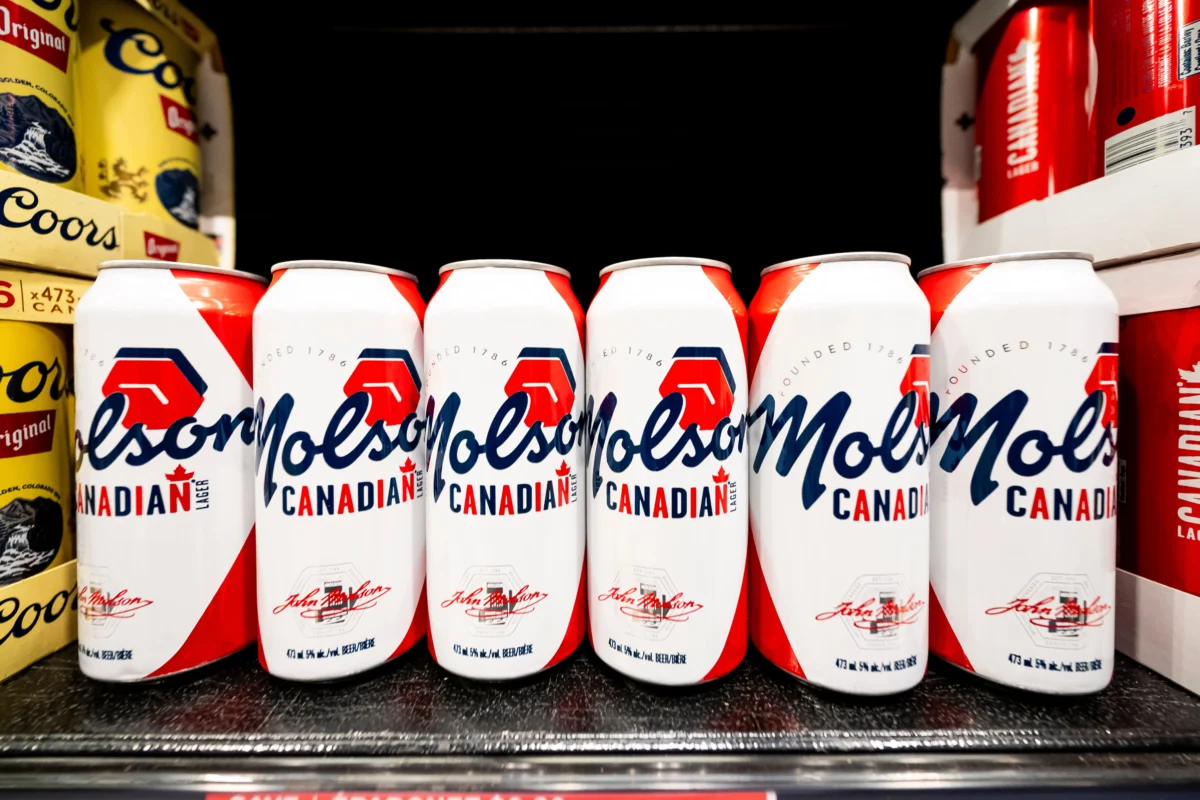
President Donald Trump, through a series of executive orders issued late Monday, detailed the import restrictions targeting a broad spectrum of Canadian goods. The bans will encompass Canadian whey products and molasses, non-alcoholic beer, and a comprehensive list of alcoholic beverages, including malt beer, wines, cider, whiskies, vodka, and other spirits. In addition, larger-capacity motorcycles and mopeds manufactured in Canada will also face import prohibitions. These new restrictions are set to take effect on September 29, 2026, largely superseding previous 50% tariffs.
This latest salvo from the U.S. administration comes on the heels of Canada’s own retaliatory tariffs, which went into effect on the same day, targeting approximately CA$27.6 billion worth of U.S. imports. These Canadian measures, affecting over 700 goods across various industries such as steel, dairy, farm equipment, pulp and paper, and electronics, were framed by Ottawa as a direct "dollar for dollar" response to the 50% tariffs that the U.S. had previously imposed on Canadian goods in August. That initial U.S. tariff imposition followed the abrupt collapse of trade talks just prior to the August 21 deadline, creating a significant impasse in bilateral economic relations.
The U.S. Trade Representative, Jamieson Greer, defended the administration’s actions, characterizing them as a "natural consequence of Canada’s continued discriminatory treatment of crucial American exports." This statement underscores the administration’s narrative that Canada’s trade policies have been unfairly disadvantaging U.S. products, particularly in sectors deemed vital to American economic interests.

Beyond the immediate import bans, the U.S. also announced modifications and extensions to existing tariffs on other Canadian products, effective September 15. These changes include the addition of all-terrain vehicles and animal hides to the list of taxed items, while rock salt and cement were removed from the tariff roster.
A Deepening Trade Conflict: A Chronology of Escalation
The current trade friction is the culmination of a series of escalating actions and reactions between the two North American neighbors. The breakdown in trade negotiations in late summer 2026 proved to be a pivotal moment, leading to a tit-for-tat tariff exchange that has now spiraled into broader import bans.
- August 2026: The United States imposes a 50% tariff on a range of Canadian goods, citing unfair trade practices and a significant trade deficit. Trade talks aimed at resolving these issues collapse.
- Early September 2026: Canada retaliates with its own tariffs on approximately CA$27.6 billion of U.S. imports, covering over 700 product categories.
- September 15, 2026: The U.S. modifies and extends tariffs on additional Canadian products, including ATVs and animal hides.
- Late September 2026: The White House announces sweeping import bans on Canadian motorbikes, alcohol, whey products, molasses, and non-alcoholic beer, set to take effect on September 29.
Both sides have engaged in a blame game, with each accusing the other of engaging in unfair practices that harm domestic workers and industries. President Trump has specifically pointed to Canada’s policies in the auto, alcohol, and dairy sectors as being detrimental to U.S. exports. He has also consistently highlighted the U.S. trade deficit in goods with Canada, a figure that stood at $69.3 billion in goods trade in 2025, according to U.S. Census Bureau data. The administration has also previously threatened significant tariffs of up to 50% on automobiles, trucks, and auto parts originating from Canada, slated to begin in January 2027, a move that would have had a profound impact on the integrated North American auto supply chain.
Canadian Prime Minister Mark Carney has defended his government’s retaliatory measures, asserting in an August address that while Canada’s tariffs would "come with a cost," they were a necessary step to safeguard Canadian businesses, workers, and communities. Carney has also sought to reframe the trade deficit narrative, arguing in August that the "narrow merchandise trade deficit only exists because the U.S. buys so much of its energy from us" and emphasizing Canada’s significant role as a consumer of U.S. cars and steel.

The "Alcohol Wars": A Particularly Bitter Front
The trade dispute has manifested particularly acutely in the beverage alcohol sector, turning beer and spirits into a significant political flashpoint. In response to U.S. actions, Canadian provinces have seen U.S. alcohol products removed from store shelves. Public campaigns urging boycotts of American beverages have gained traction, and in August, Saskatchewan Premier Scott Moe announced a 50% tariff on American alcohol imports, describing it as a "reciprocal measure" to bolster local businesses and push for a fair trade resolution.
The impact on U.S. spirits exports to Canada has been substantial. According to the Distilled Spirits Council of the United States, U.S. spirits exports to Canada plummeted by over 70% year-on-year from March 2025 through December 2025, coinciding with the initial retaliatory bans. Chris Swonger, president and CEO of the Distilled Spirits Council, stated that American distillers have "shouldered the brunt of this trade dispute." He urged leaders on both sides of the border to pursue a negotiated solution that would reinstate U.S. spirits on Canadian retail shelves and return the sector to a tariff-free framework.
Economic Implications and Broader Repercussions
While the current tariffs apply to a relatively small portion of the vast $715.5 billion in annual goods trade between the United States and Canada, economists have voiced significant concerns about the immediate fallout for small and medium-sized businesses and the broader risks to economic growth stemming from further escalation.

Justin Angotti, an associate in the International Trade and National Security Group at law firm Reed Smith, commented on the evolving situation: "Companies on both sides of the border will need to wait to see if these tariffs hold, more measures are enacted, or each country decides to de-escalate. In the meantime, those businesses will realize both tariff-, compliance-, and uncertainty-related costs." This sentiment highlights the pervasive economic drag created by trade disputes, even beyond the direct costs of tariffs. Businesses face increased operational expenses, challenges in supply chain management, and a general climate of uncertainty that can stifle investment and expansion.
The escalating trade tensions are also prompting strategic shifts in international relations. As its relationship with Washington sours, Ottawa is reportedly exploring closer trade and security ties with the European Union. Bloomberg reported on Tuesday that Canada and the EU are planning a far-reaching alliance to strengthen their partnership, a move that could signal a reorientation of Canadian foreign policy in the face of a strained relationship with its largest trading partner.
The impact on specific industries is already being felt. For instance, the U.S. dairy sector, which has been a focal point of past trade disputes, faces potential further disruption. Similarly, the integrated North American auto sector, a cornerstone of both economies, remains vulnerable to continued tariff threats. The Canadian agricultural sector, heavily reliant on access to the U.S. market, is also bracing for further uncertainty.
The current trade spat, while initially framed by some as a targeted dispute over specific sectors, is increasingly demonstrating its potential to inflict broad economic pain. The interconnectedness of the U.S. and Canadian economies means that actions taken by one nation inevitably ripple through the other. The bans on alcohol and motorbikes, while seemingly specific, represent a broader trend of escalating protectionist measures that could undermine the principles of free trade and economic cooperation that have long defined the relationship between these two close allies. The coming weeks and months will be critical in determining whether diplomatic channels can be reopened to de-escalate the conflict or if the trade war will continue to deepen, with potentially far-reaching consequences for businesses and consumers on both sides of the border.
