

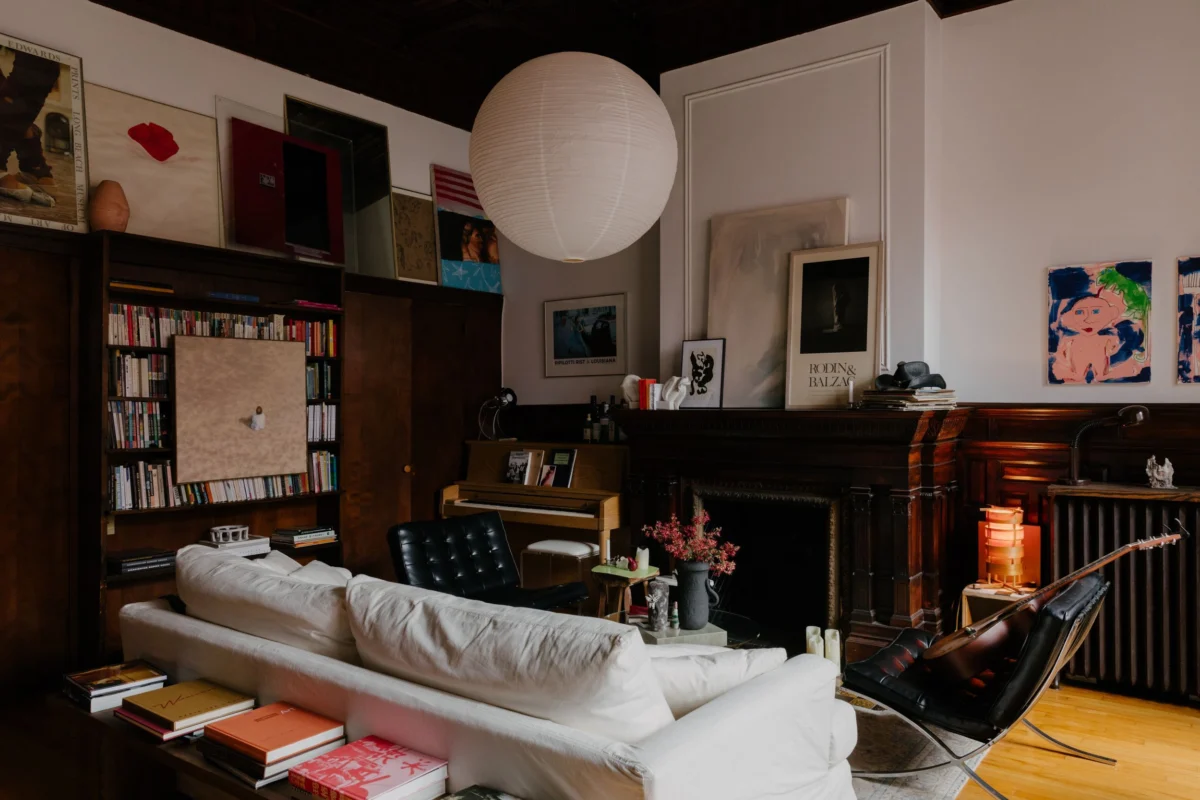
Art serves as the definitive element that harmonizes a living space, yet it remains one of the most complex components of interior design for the average consumer to navigate. Historically, the acquisition of fine art was confined to physical galleries and elite auction houses, often presenting high barriers to entry regarding both cost and accessibility. However, the digital transformation of the global art market has fundamentally democratized the process of collecting. Today, digital galleries, independent marketplaces, and specialized home retailers provide a robust infrastructure for discovering original paintings, limited-edition prints, and multimedia works at varying price points.
The shift toward online art consumption is backed by significant market data. According to industry reports, the online art market has experienced a consistent upward trajectory over the past decade, with a notable surge following the global shifts in consumer behavior in 2020. Collectors, particularly those in the millennial and Gen Z demographics, increasingly prioritize price transparency, the ability to browse diverse styles from home, and the opportunity to support emerging global artists directly.
The Evolution of the Digital Art Marketplace
The chronology of the online art market reveals a transition from simple reproduction sales to a sophisticated ecosystem of curated platforms. In the early 2000s, sites like Art.com pioneered the mass distribution of posters and prints. By 2011 and 2012, platforms such as Artfinder and Tappan Collective emerged with a new mission: to connect independent artists with a global audience, moving beyond mass-produced decor toward original, investment-worthy pieces.
This evolution has provided consumers with a spectrum of choices, ranging from $20 open-edition prints to $10,000 original canvases. Understanding the nuances of these platforms is essential for any collector looking to enhance their environment with sophisticated, affordable artwork.
Leading Platforms for Original Works and Emerging Talent
For collectors seeking one-of-a-kind pieces, several platforms specialize in bridging the gap between independent studios and the home.
Artfinder and Saatchi Art
Founded in London in 2011, Artfinder has grown into a massive marketplace hosting over 200,000 pieces. Every work is signed by the artist, providing a sense of authenticity that mass-market retailers often lack. Similarly, Saatchi Art stands as one of the most prestigious names in the digital space. While it carries high-value works, its entry-level original art—including photography and collage—starts at approximately $110. Saatchi’s complimentary art advisory service represents a significant innovation in the sector, offering professional curation to individuals who may not have the budget for a private consultant.
Tappan Collective
Tappan focuses on the professional development of emerging artists. Founded by Chelsea Neman and Jordan Klein, the platform acts as both a gallery and a talent incubator. By hosting physical exhibitions in cities like Los Angeles alongside their digital presence, Tappan provides a multi-dimensional approach to art sales. Collectors can find small-scale original paintings starting around $175, making it a premier destination for those looking to "discover" an artist early in their career.
The Intersection of Interior Design and Fine Art
Many modern home retailers have integrated fine art into their inventories, recognizing that consumers prefer a "one-stop-shop" experience where they can coordinate wall decor with furniture.
West Elm and CB2
Retailers like West Elm have expanded their offerings beyond furniture to include 3D pieces, tapestries, and Japanese-inspired minimalist art. Their online selection is notably more robust than their physical showrooms, catering to diverse aesthetic preferences from nursery pastels to modern industrialism. CB2, known for its high-profile collaborations with figures like Lenny Kravitz and Todd Snyder, offers art that leans toward the avant-garde. Their dimensional concrete panels and high-resolution celebrity portraits evoke a sense of "Old Hollywood" glamour tailored for contemporary urban living.
Quince and Artfully Walls
A major logistical hurdle in art collecting is framing, which can often cost more than the print itself. Quince has addressed this pain point by offering a curated selection of botanical and abstract prints with framing included in the base price. Artfully Walls takes this a step further by offering "gallery wall kits." These kits use curatorial logic to group pieces that share a color story or thematic link, such as geometric shapes or "foodie" illustrations, easing the decision-making process for the consumer.
Curated Marketplaces and Vintage Specialists
For those with a penchant for historical context or the "hunt" for a unique find, curated marketplaces offer a different experience.
1stDibs
A favorite among professional interior designers, 1stDibs provides access to established galleries and specialized dealers. While the platform is known for five-figure masterpieces, it also hosts a vast inventory of affordable lithographs and prints from contemporary specialists. The site’s filtering tools allow users to navigate by medium, period, and price, making it possible to find a vintage lithograph for under $500.
Etsy and Amazon
The democratization of art is perhaps most visible on Etsy. By removing the traditional gatekeepers, Etsy allows artisans to sell bespoke oil paintings and photography directly to the public. This support for small business owners is a significant driver for modern consumers who value social responsibility in their purchasing habits. Amazon has also entered the space, providing a high-volume alternative for those seeking famous reproductions—such as works by Van Gogh—delivered with the efficiency of modern logistics.
Technical Considerations: Originals vs. Reproductions
When navigating these stores, collectors must distinguish between various mediums, as this dictates both the price and the long-term value of the piece.
- Originals: Unique works created by the artist’s hand (e.g., oil on canvas, gouache on paper). These carry the highest price and potential for appreciation.
- Giclée Prints: High-quality ink-jet prints made with archival pigments. These are superior to standard posters because the colors are more vibrant and resistant to fading.
- Lithographs: A traditional printing process where the image is treated on a stone or metal plate. Limited-edition lithographs are highly collectible.
- Risographs: A unique, layered printing style known for its distinct texture and vibrant, sometimes neon, colors.
Strategic Investment and Impact
Investing in affordable art is more than an aesthetic choice; it is a contribution to the cultural economy. By purchasing from platforms that support emerging artists, collectors provide the financial stability necessary for creators to continue their work. Furthermore, the presence of art in the home has been linked to improved mental well-being and cognitive function, as it provides a point of reflection and visual stimulation.
As the market continues to evolve, the integration of Augmented Reality (AR) is becoming a standard feature for online art retailers. Many of the platforms mentioned now allow users to "view in room," using a smartphone camera to project a digital version of the artwork onto their physical walls. This technology reduces the "buyer’s remorse" associated with online shopping and has significantly decreased return rates for digital galleries.
Chronology of Art Acquisition Trends
The methodology of buying art has seen a distinct shift in the last decade:
- 2010–2015: The rise of "fast art"—affordable, mass-produced prints intended for temporary decor.
- 2016–2020: A movement toward "slow decor" and authenticity, with a focus on original works from independent artists via platforms like Etsy and Artfinder.
- 2021–Present: The "Curated Home" era, where consumers seek professional-level curation through advisory services (Saatchi) and pre-coordinated sets (Pottery Barn, Artfully Walls).
Conclusion: The Future of the Accessible Gallery
The 34 retailers highlighted in this landscape represent the best of the modern art market. Whether a consumer is looking for a $15 poster from H&M Home to brighten a small nook or a $3,500 investment piece from Tappan to anchor a living room, the options are more plentiful and transparent than ever before.
For those who still value the tactile experience of art, fairs such as The Affordable Art Fair and The Armory Show remain vital components of the ecosystem, particularly in hubs like New York City. However, for the global collector, the digital gallery is no longer a second-tier option. It is a sophisticated, data-driven, and highly accessible gateway to the world of fine art, ensuring that a well-appointed home is within reach for everyone. Through careful consideration of budget, size, and medium, any individual can transition from a casual observer to a purposeful collector, creating a space that is not only renovated but truly finished.
