

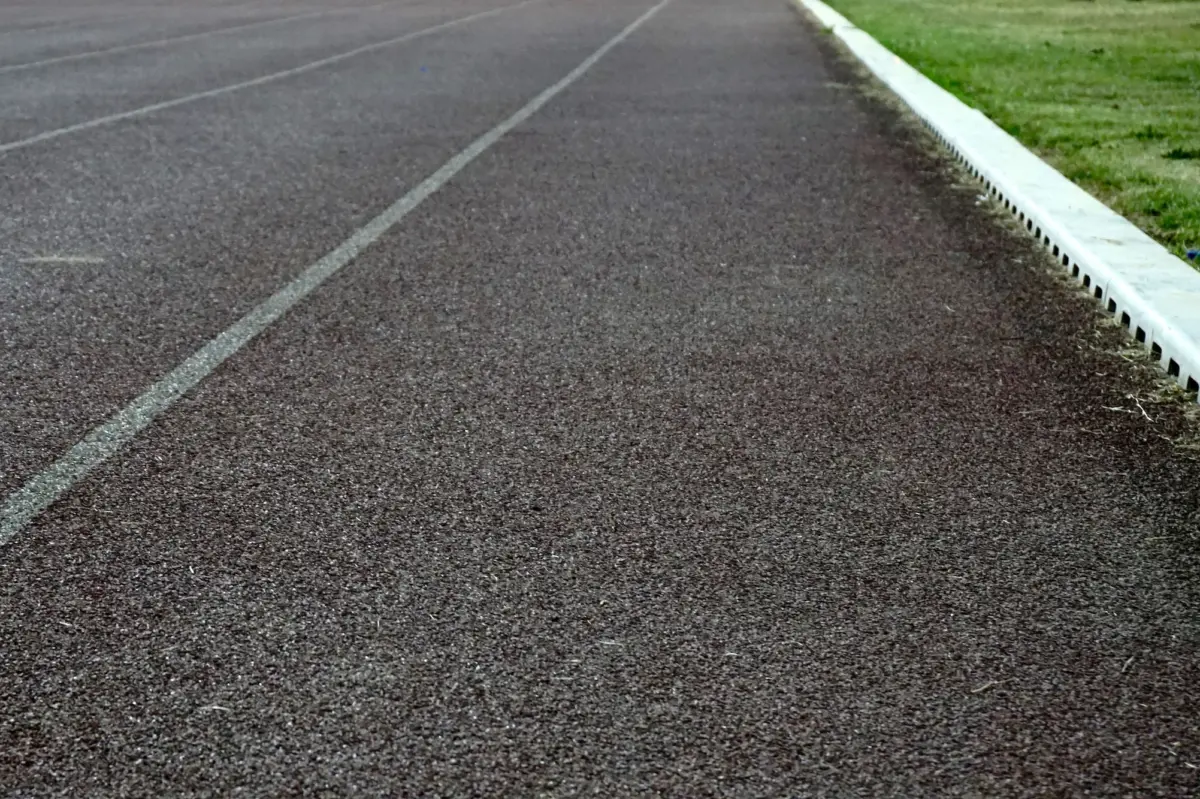
The global automotive industry generates a staggering volume of waste, with approximately one billion tires discarded annually across the planet. For decades, these end-of-life tires (ELTs) have posed a significant environmental challenge, often ending up in massive stockpiles that create fire hazards and breeding grounds for disease-carrying pests. However, a burgeoning shift in infrastructure engineering is transforming this waste stream into a high-performance resource. Rubber-modified asphalt (RMA), a mixture that incorporates recycled tire rubber into road paving materials, is gaining traction as a superior alternative to conventional asphalt, promising roads that are quieter, more durable, and significantly more sustainable.
As transit authorities and municipal governments face increasing pressure to meet ambitious carbon-reduction targets, the adoption of RMA represents a critical intersection of waste management and civil engineering. By utilizing "crumb rubber"—the material produced by grinding down scrap tires—engineers are not only diverting millions of tons of waste from landfills but are also enhancing the physical properties of the very roads we drive on.
The Engineering of Rubber-Modified Asphalt
To understand the benefits of rubber-modified asphalt, one must first look at the composition of traditional road surfaces. Conventional asphalt is primarily composed of two elements: aggregate (sand, gravel, or crushed stone) and a binder (bitumen, a viscous byproduct of crude oil refining). While this mixture is the global standard, its performance is often limited by climate and traffic volume. In many cases, the bitumen binder lacks the necessary elasticity to prevent cracking under heavy loads or during extreme temperature fluctuations.
Traditionally, road builders have added virgin polymers—newly manufactured plastics or rubbers—to the bitumen to enhance its performance and longevity. Rubber-modified asphalt replaces these expensive, carbon-intensive virgin materials with recycled crumb rubber.

Sina Varamini, the general manager at CRM of Canada—the largest producer of crumb rubber in North America—notes that RMA is becoming a preferred choice because it provides the same, if not better, performance as virgin materials while offering a profound sustainability advantage. The process of integrating rubber into the asphalt occurs in two primary ways: the "wet process," where rubber is blended with the bitumen binder before being mixed with the aggregate, and the "dry process," where the rubber is mixed directly with the aggregate.
The quality of the crumb rubber is paramount to the success of the pavement. At specialized facilities like CRM’s plant in Brantford, Ontario, tires are stripped of their steel and fiber components before the rubber is processed. This is achieved through two main methods: ambient manufacturing, which uses mechanical shredders at room temperature, and cryogenic manufacturing. In the cryogenic process, the rubber is frozen using liquid nitrogen and then pulverized into a fine powder. For high-grade RMA, engineers typically require a "mesh" size finer than 600 microns (0.6 millimeters) to ensure the rubber integrates seamlessly into the binder, creating a smooth, consistent paving material.
Environmental and Economic Impacts: By the Numbers
The data supporting the transition to rubber-modified asphalt is compelling from both an ecological and a fiscal perspective. According to industry figures, a single lane-mile of RMA can repurpose approximately 2,000 scrap tires. This represents a massive opportunity for landfill diversion. Beyond waste reduction, the lifecycle benefits of the material are extensive:
- Carbon Footprint: Research indicates that RMA can result in a 32 percent reduction in lifecycle greenhouse gas emissions compared to conventional asphalt. This reduction stems from the displacement of virgin polymers and the extended service life of the road, which necessitates fewer repaving cycles.
- Fuel Efficiency: RMA creates a smoother driving surface with reduced rolling resistance. For the average driver, this translates into improved vehicle fuel economy, further reducing the carbon footprint of the transportation sector.
- Noise Pollution: Traffic noise is a significant concern for urban and suburban communities. Studies have shown that rubberized roads can reduce tire-pavement noise by several decibels, often eliminating the need for expensive sound walls in residential areas.
- Durability: The elastic properties of the recycled rubber allow the road to "flex" under the weight of heavy trucks and to resist the formation of "ruts" and cracks. In many jurisdictions, RMA roads have been found to last 50 to 100 percent longer than traditional surfaces.
In the United States, California has served as the primary case study for the long-term viability of this technology. The California Department of Transportation (Caltrans) has utilized rubberized asphalt for more than 20 years and currently maintains over 22,000 lane miles of RMA. According to data provided by CRM, the enhanced durability of these roads has saved the state an estimated 20 percent in construction and maintenance costs over the lifetime of the infrastructure.
Regional Adoption and the Cold-Weather Challenge
While states with milder climates like Arizona, Texas, Florida, and Georgia have seen rapid adoption of RMA, northern regions have historically been more cautious. The primary concern in colder climates is the "freeze-thaw cycle." During the winter, water can seep into small cracks in the pavement; when it freezes, it expands, widening the cracks and eventually leading to potholes.

In provinces like Ontario and Alberta, early experiments with rubberized asphalt in the 1990s yielded mixed results, leading to a period of skepticism. "There have been some bad experiences in the past that caused rubber-modified asphalt to not be implemented," Varamini explained. He attributes these early failures to a lack of sophisticated engineering, improper rubber dosages, and a lack of understanding regarding the necessary micron size for the crumb rubber.
However, modern engineering has largely solved these issues. New formulations tailored for cold climates are now being tested and deployed with success. In Ohio and Manitoba, transit authorities are moving beyond the pilot phase and integrating RMA into their regular infrastructure budgets. A review by the Canadian Association of Tire Recycling Agencies (CATRA) concluded that with accurate construction and climate-specific mixtures, RMA is fully capable of withstanding the rigors of northern winters.
The Role of Producer Responsibility and the Circular Economy
The growth of the RMA market is inextricably linked to the concept of Individual Producer Responsibility (IPR). In Ontario, for example, eTracks was established as a not-for-profit organization to help tire producers meet their legal obligations for recycling. Under IPR laws, the companies that sell tires are responsible for ensuring they are collected and recycled at the end of their useful lives.
Melissa Carlaw, VP of communications and sustainability for eTracks, emphasizes that her organization supplies significant volumes of end-of-life tires to recyclers like CRM. This creates a circular economy where the waste from one industry becomes the raw material for another. By fostering these end markets, organizations like eTracks ensure that tire recycling is not just a regulatory hurdle but an economically viable industry.
Despite the clear benefits, hurdles to widespread adoption remain. Conventional asphalt remains the "default" choice for many government procurement officers due to its lower upfront cost and familiar application methods. The transition to RMA requires specialized equipment and training for paving crews, as well as a willingness from policymakers to look at "total cost of ownership" rather than just the initial bid price.

A Vision for Future Infrastructure
The future of road construction is increasingly defined by the need for resilience and sustainability. As climate change leads to more extreme weather events, the infrastructure of the 20th century is proving inadequate. Rubber-modified asphalt offers a glimpse into a more resilient future, where waste is viewed as a liability to be eliminated and an asset to be utilized.
The broader implications of this shift are significant. If more jurisdictions follow the lead of California and Arizona, the demand for high-quality crumb rubber will continue to grow, incentivizing the development of more sophisticated recycling facilities worldwide. This, in turn, will help mitigate the ecological hazards posed by discarded tires, which range from toxic fires that can burn for months to the leaching of heavy metals into groundwater.
For engineers like Varamini, the logic of the technology is undeniable. The synergy between recycled tires and road surfaces represents a rare "win-win" in the world of industrial sustainability. By translating discarded rubber into the very paths we use to navigate the world, the paving industry is proving that the road to a greener future is literally paved with innovation. As transit authorities continue to warm to the idea, the sight of crews applying rubber-modified asphalt—as seen recently on Interstate 10 outside Phoenix—will likely become a common feature of the modern landscape.
