

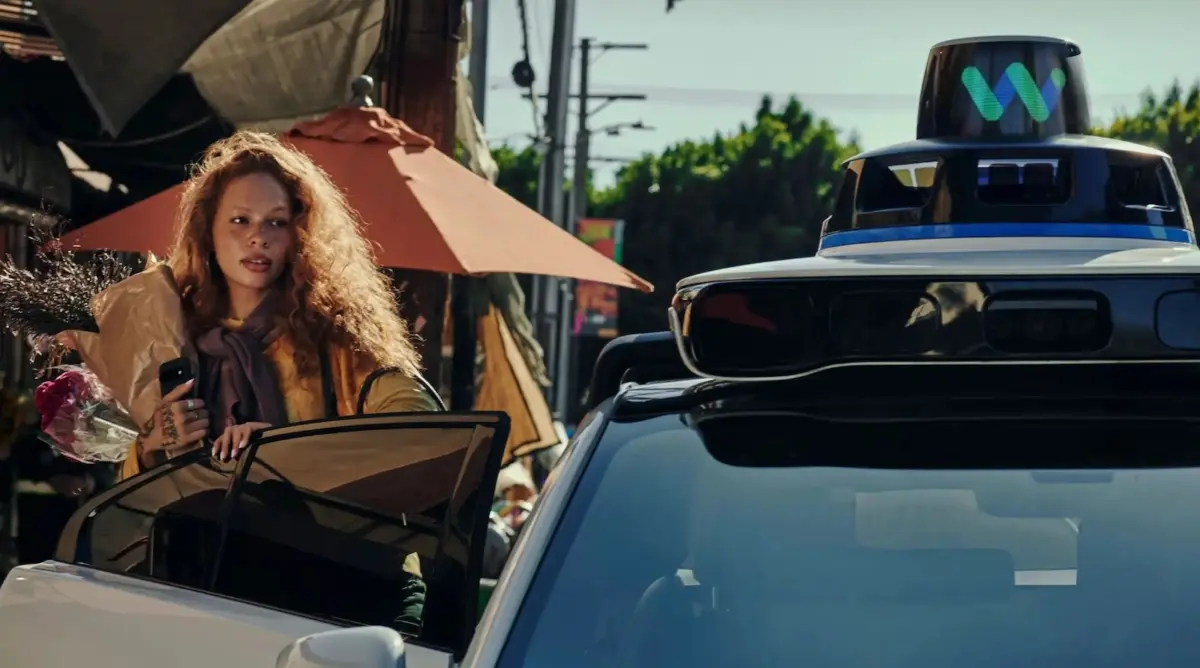
The intersection of autonomous vehicle technology and personal safety has reached a significant milestone as Waymo, the self-driving subsidiary of Alphabet Inc., launches a new initiative specifically designed to address the unique travel concerns of women. This campaign, centered on a new short film and supported by internal rider data, shifts the narrative of autonomous driving from technical achievement to a solution for the pervasive "safety labor" many women perform while navigating urban environments. By removing the human driver from the equation, Waymo seeks to redefine the ride-hailing experience as a private, controlled, and inherently safer alternative to traditional transportation methods.
The Psychological Burden of Modern Transit
For many women, the process of using public transportation or traditional ride-sharing services involves a complex, often subconscious "checklist" of safety protocols. As highlighted by Waymo Chief Marketing Officer Suzanne Philion, these measures include monitoring surroundings, feigning phone conversations to avoid unwanted interaction, and sharing live GPS locations with friends or family members. This expenditure of mental energy is a well-documented phenomenon in urban sociology, often referred to as the "safety tax" or "precautionary labor" that women undertake to mitigate the risk of harassment or violence.
Waymo’s latest campaign directly addresses this burden. The core value proposition is the restoration of this "lost" energy. By utilizing a vehicle that requires no human driver, the passenger is granted a level of privacy and environmental control that was previously unattainable in a commercial transport setting. The ability to sit in total silence, conduct sensitive work calls, or listen to music without the presence of a stranger creates a sanctuary in motion. This shift is not merely about comfort; it is about the fundamental reclamation of personal space in the public sphere.
Data-Driven Insights into Female Passenger Safety
The impetus for this campaign is grounded in substantial rider feedback and market data. According to Waymo’s internal research conducted across its established service markets—which include Phoenix, San Francisco, and Los Angeles—more than half of women riders reported that using Waymo significantly improved their sense of personal safety. This statistic is particularly striking when compared to the broader ride-sharing industry, which has long struggled with safety concerns.
Traditional ride-hailing platforms like Uber and Lyft have historically faced challenges regarding passenger safety. In their respective biennial safety reports, these companies have documented thousands of reports of sexual assault and harassment. While these platforms have implemented various safety features—such as in-app emergency buttons and driver background checks—the fundamental variable remains the human element. Waymo’s data suggests that for many women, the most effective safety feature is the removal of the driver altogether. The consistency of a machine-driven experience provides a predictable environment, free from the social pressures or potential volatility of human interaction.
A Women-Led Creative Vision
To communicate this message authentically, Waymo partnered with an all-female creative and production crew to develop its latest promotional film. The project was directed by Mollie Mills, known for her documentary-style approach to human stories, and featured the cinematography of Autumn Durald Arkapaw, an Academy Award-nominated cinematographer recognized for her work on Black Panther: Wakanda Forever.

The production was further supported by executive producer Onye Anyanwu, editor Mah Ferraz, and music producer Shakari “Trakgirl” L. By employing a leadership team that shares the lived experiences being addressed, Waymo aimed to ensure that the campaign resonated with genuine nuance rather than corporate platitudes. The film focuses on the emotional relief of the journey—the quiet moments of reflection and the sense of autonomy that comes from being the sole occupant of a vehicle.
The Evolution of Waymo: A Chronology of Autonomy
The current focus on passenger experience marks a new chapter in Waymo’s nearly 15-year history. Understanding the significance of this campaign requires a look at the technological and operational milestones that allowed Waymo to reach this level of market maturity.
- 2009: The Genesis: Google launched "Project Chauffeur," a secret effort to develop self-driving technology under the leadership of Sebastian Thrun. The initial goal was to drive 100,000 miles on public roads without human intervention.
- 2012: Testing Expansion: The project began testing on complex city streets, moving beyond the relatively predictable environments of highways.
- 2015: The First Truly Driverless Ride: Steve Mahan, a man who is legally blind, took the world’s first fully autonomous ride on public roads in Austin, Texas, in a vehicle with no steering wheel or pedals.
- 2016: Rebranding to Waymo: The project graduated from Google’s X lab to become a standalone company under the Alphabet umbrella, named Waymo (short for "A new way forward in mobility").
- 2018: Commercial Launch in Phoenix: Waymo launched "Waymo One," the world’s first commercial autonomous ride-hailing service, initially operating in the East Valley of the Phoenix metropolitan area.
- 2020: Fully Driverless Operations: Waymo became the first company to open its fully driverless service to the general public, removing the "safety driver" from the front seat entirely.
- 2023-2024: Urban Expansion and Scaling: Waymo expanded its service areas to include the dense urban environments of San Francisco and Los Angeles, while also beginning testing and limited operations in Austin, Texas.
This timeline illustrates a transition from solving the "hard math" of robotics to addressing the "soft skills" of consumer trust and specialized user needs.
Technological Underpinnings of Safety
While the campaign focuses on the emotional and social benefits of autonomous travel, these benefits are underpinned by a sophisticated hardware and software stack known as the "Waymo Driver." The system utilizes a multi-modal sensor suite to maintain a 360-degree view of the environment, even in low-light or adverse weather conditions.
- LiDAR (Light Detection and Ranging): Waymo’s proprietary LiDAR sensors send out millions of laser pulses per second to create a high-resolution 3D map of the vehicle’s surroundings, identifying objects as far as 300 meters away.
- Vision System: High-definition cameras provide visual data, allowing the system to identify traffic lights, road signs, and the subtle movements of pedestrians or cyclists.
- Radar: Radar sensors complement the LiDAR and cameras by detecting the speed and trajectory of distant objects, providing redundancy in heavy rain or fog.
- Artificial Intelligence: The data from these sensors is processed by deep learning algorithms that have been trained on tens of billions of miles of simulated driving and over 20 million miles of real-world driving.
This technological rigors provide the objective safety that allows for the subjective feeling of peace of mind. Unlike a human driver, the Waymo Driver does not get tired, distracted, or intoxicated, and it adheres strictly to traffic laws.
Market Implications and the Competitive Landscape
Waymo’s strategic pivot toward women’s safety comes at a time of significant upheaval in the autonomous vehicle (AV) sector. Its primary competitor in the American robotaxi space, Cruise (owned by General Motors), faced a major setback in late 2023 following a pedestrian accident in San Francisco, which led to a temporary suspension of its operations and a complete overhaul of its leadership.
By doubling down on a message of safety and personal empowerment, Waymo is positioning itself as the more mature and socially conscious player in the industry. This strategy serves two purposes: it builds brand loyalty among a demographic that controls a significant portion of household spending, and it helps to normalize AV technology among a skeptical public.

Furthermore, this focus provides a competitive edge over traditional ride-hailing services. While Uber and Lyft have attempted to pivot toward autonomous technology through partnerships, their core business remains tethered to human drivers. Waymo’s ability to offer a "driverless" experience is a unique selling point that addresses a specific pain point—personal security—that traditional services struggle to resolve completely.
Broader Societal Impact and Future Outlook
The implications of Waymo’s initiative extend beyond simple market share. If autonomous vehicles can demonstrably provide a safer environment for women, they may play a role in increasing female mobility and participation in the nighttime economy. Many women currently limit their social or professional activities after dark due to transportation concerns. A reliable, driverless service could mitigate these restrictions, fostering greater equity in urban access.
However, challenges remain. Public perception of autonomous vehicles is still characterized by a mix of fascination and fear. High-profile incidents involving AVs often receive disproportionate media attention, which can stall regulatory approval and public adoption. Waymo’s focus on the "personal journey" is an attempt to humanize the technology and move the conversation away from "robots on the road" toward "freedom for the rider."
As Waymo continues to scale its operations to more cities and higher densities, the feedback from its female rider base will likely remain a critical metric for success. The company’s emphasis on choice, comfort, and confidence suggests that the future of autonomous mobility will not just be defined by how well the car drives, but by how well it understands and respects the human experience of those inside.
In conclusion, Waymo’s "Built for Women" campaign represents a sophisticated evolution in the marketing of high-tech transportation. By acknowledging the specific anxieties and logistical hurdles faced by women, Waymo is attempting to transform its autonomous fleet into a vital tool for personal safety and autonomy. As the industry moves forward, the success of such initiatives will be measured not just in miles driven, but in the degree to which passengers feel they have truly regained their "energy" and peace of mind.
