

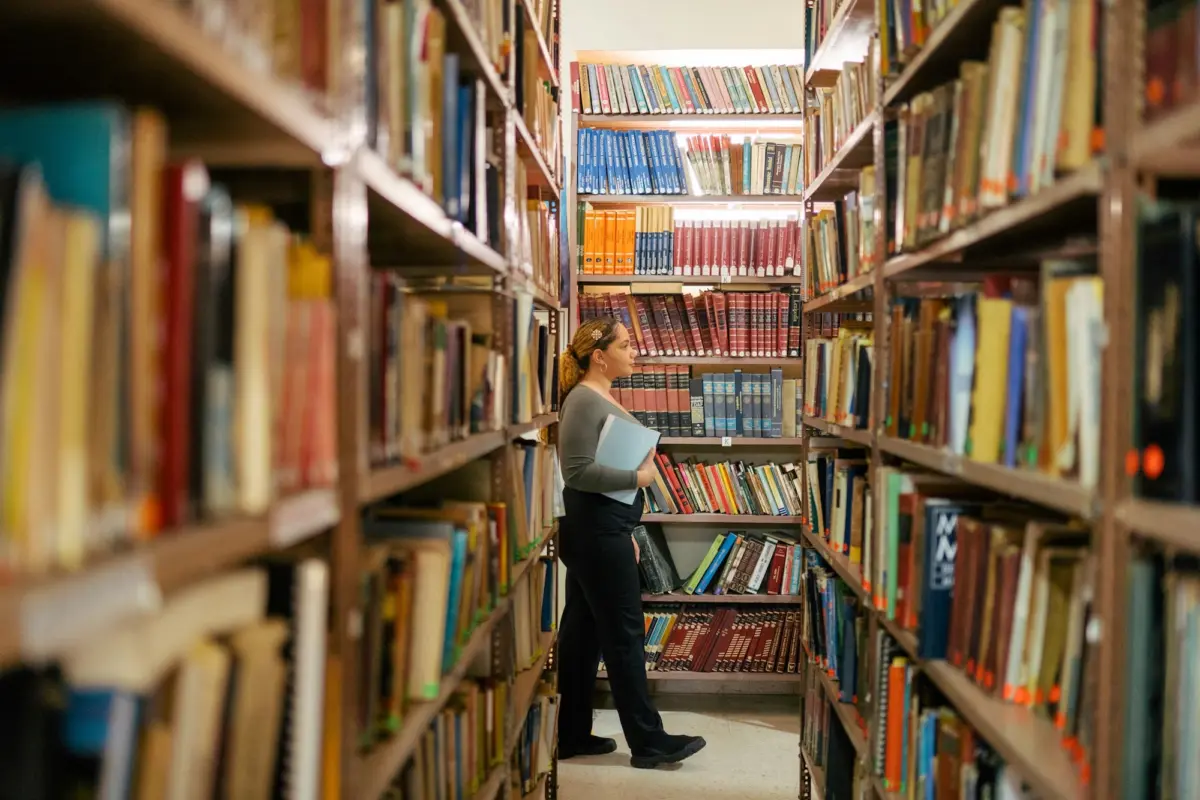
In a series of electoral outcomes that defied prevailing economic anxieties, voters across the United States used the recent midterm elections to signal a resounding commitment to public libraries and a shift in educational governance. Despite a prolonged period of fiscal uncertainty and what economists have termed the most significant affordability crisis in decades, local communities overwhelmingly chose to tax themselves to preserve and expand their library systems. Simultaneously, a historic shift in the Texas State Board of Education has ended three decades of conservative dominance, a move that political analysts suggest could redefine the American educational landscape and the distribution of information for millions of students.
The Resilience of the American Library System
Public libraries have long been characterized as the "palaces for the people," serving as one of the most egalitarian institutions in the United States. While their primary function remains the lending of books, the modern library has evolved into a multi-dimensional community resource. Today, these institutions provide high-speed internet access, climate-controlled spaces for vulnerable populations, specialized tools like 3D printers and sewing machines, and professional guidance from information stewards.
The concept of the shared library is woven into the foundational fabric of the United States. In 1731, Benjamin Franklin established the Library Company of Philadelphia, the first subscription library in the American colonies. Later, in 1790, Franklin donated a collection of books to the town of Franklin, Massachusetts, helping to establish what is recognized as the first free public library in the nation. This tradition of communal intellectual investment faced a significant test in 2026, as voters weighed the value of these services against the rising costs of housing, utilities, and consumer goods.
According to data compiled by EveryLibrary, a non-partisan nonprofit focused on library funding, the midterm cycle featured 60 library-related funding measures across 22 states. These measures ranged from operational tax levies to large-scale construction bonds. While 19 of these measures were unsuccessful, the majority received voter approval, demonstrating that even in a polarized political climate, the public library remains a point of rare civic consensus.
Significant Local Victories and Infrastructure Investments
One of the most notable successes occurred in Palm Beach County, Florida. Voters there approved a $175 million bond dedicated to the renovation and expansion of the county’s library system. This result is particularly striking given that Palm Beach County experiences one of the widest income disparities in the country. The funding is slated to facilitate the construction of a new facility in the middle-income West Palm Beach area and provide much-needed updates to approximately 12 other locations. The fiscal impact on residents is estimated at a modest $6 per $100,000 of taxable home value, a figure that proponents argued was a small price for the "social infrastructure" provided by the system.
In the southwestern United States, the Thomas Branigan Memorial Library in Las Cruces, New Mexico, secured a $26 million bond for expansion. The library, which has been a staple of the city’s downtown since 1979, had reached a critical capacity limit. Deputy Director Sarah Booth noted that the facility had become a "hub for public learning and making," offering resources that many residents could not afford individually. The approved funding will add 20,000 square feet to the existing structure, allowing for the creation of a new test kitchen and the expansion of children’s programming—all without increasing property tax rates for the local population.
The elections also saw voters actively defending existing institutions against closure. In Saline County, Arkansas, a measure that would have slashed the library budget by 50 percent was soundly defeated. Similarly, in Bridgeton, New Jersey, residents rejected a proposal to close their 103-year-old library entirely. Michelle Azpiri, the Bridgeton library director, described the victory as a testament to the community’s recognition of the library as a vital lifeline for literacy and public engagement.
A Paradigm Shift in Texas Educational Governance
While local library bonds focused on infrastructure, the state of Texas experienced a political shift with national implications for curriculum and information access. For the first time in more than 30 years, the Texas State Board of Education (SBOE) will transition to new leadership after Democratic candidates secured a narrow majority of seats.
The SBOE is an elected 15-member body that oversees the state’s public education system, which serves more than five million students. Because of the sheer volume of textbooks Texas purchases, the standards set by the SBOE often dictate the content of textbooks sold across the entire United States. For decades, the board has been a focal point of "culture war" debates, with critics accusing the conservative majority of injecting ideological bias into science and history curricula.

Recent controversies included the board’s decision to alter science textbooks to reflect a creationist view of evolution and the rejection of materials that addressed climate change in a manner the board deemed "negative" toward the fossil fuel industry. Furthermore, the "Bluebonnet Learning" curriculum, recently approved for K-5 students, drew sharp criticism for its inclusion of biblical stories and its omission of certain historical events related to racial and social justice in America.
Marisa Pérez-Díaz, a veteran board member representing regions including San Antonio and Laredo, characterized the election results as a "new day for Texas public education policy." The shift in power suggests a likely revision of state curriculum guidelines to favor more inclusive and scientifically rigorous standards.
The Politics of Book Bans and the Voter Response
The Texas elections also served as a referendum on the movement to restrict access to certain literature in school libraries. Republican Lieutenant Governor Dan Patrick, who had campaigned on a platform that included the removal of over 2,000 titles from school shelves, was defeated in his re-election bid. He was unseated by Vikki Goodwin, the first Democrat to hold the office in over three decades.
The rejection of Patrick’s platform aligned with the success of other Democratic candidates, such as Gina Hinojosa and James Talerico, who made the protection of intellectual freedom and the opposition to book bans a central pillar of their campaigns. Political analysts suggest that while book restrictions have been a potent mobilization tool for certain segments of the electorate, the broader voting public expressed a preference for educational stability and professional autonomy for librarians and educators.
Broader Impact and the Future of Public Information
The 2026 midterm results highlight a critical juncture in the American relationship with public knowledge. The willingness of voters to fund libraries during an economic downturn suggests that these institutions are viewed not as luxuries, but as essential services comparable to fire departments or public utilities. In an era of rampant digital misinformation, the librarian’s role as a trained curator of factual information has gained renewed importance.
The implications of the Texas SBOE flip extend far beyond the state’s borders. As the board begins to revise its standards, textbook publishers will likely adjust their content to meet the new, more inclusive requirements. This "Texas Effect" means that students in smaller states, who often use the same editions as Texas students, will see a shift in how science, history, and social studies are presented in their classrooms.
Furthermore, the rejection of drastic budget cuts and book removal policies indicates a growing public fatigue with ideological interference in community resources. The data from the 2026 elections suggests that when presented with a choice between defunding public intellectual spaces or investing in their expansion, the American electorate continues to favor the latter.
As these newly approved projects move into the construction and implementation phases, the focus will shift to how libraries can continue to adapt to the digital age. The inclusion of test kitchens, maker spaces, and specialized technology labs in new bond measures indicates that the library of the future will be a place of production as much as consumption.
In summary, the midterm elections of 2026 have reinforced the status of the public library as a cornerstone of American democracy. By prioritizing the funding of these spaces and demanding a shift toward more objective educational standards, voters have signaled a desire for a society grounded in accessible knowledge, cultural diversity, and scientific literacy. The consequences of these votes will be felt for generations, as new libraries open their doors and new curricula reach the desks of students across the nation.
