

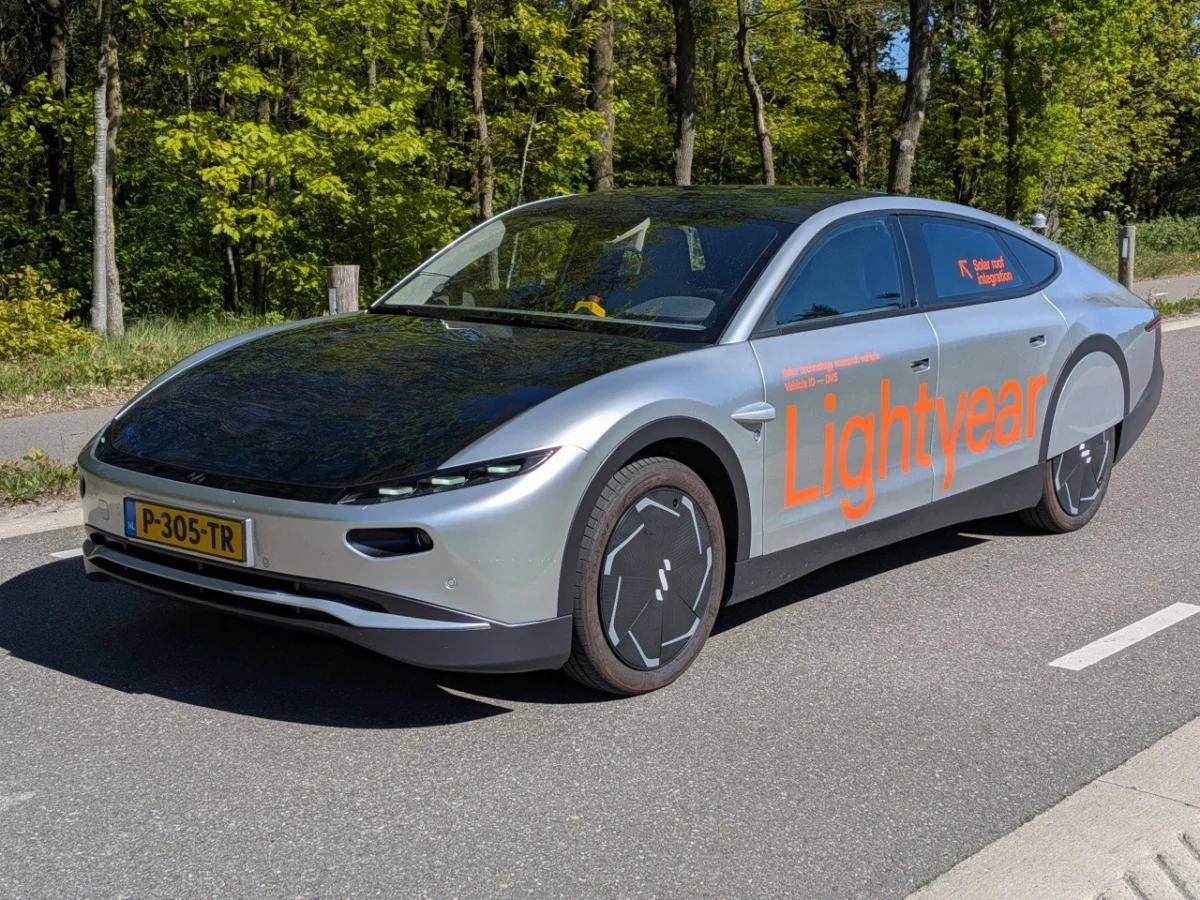
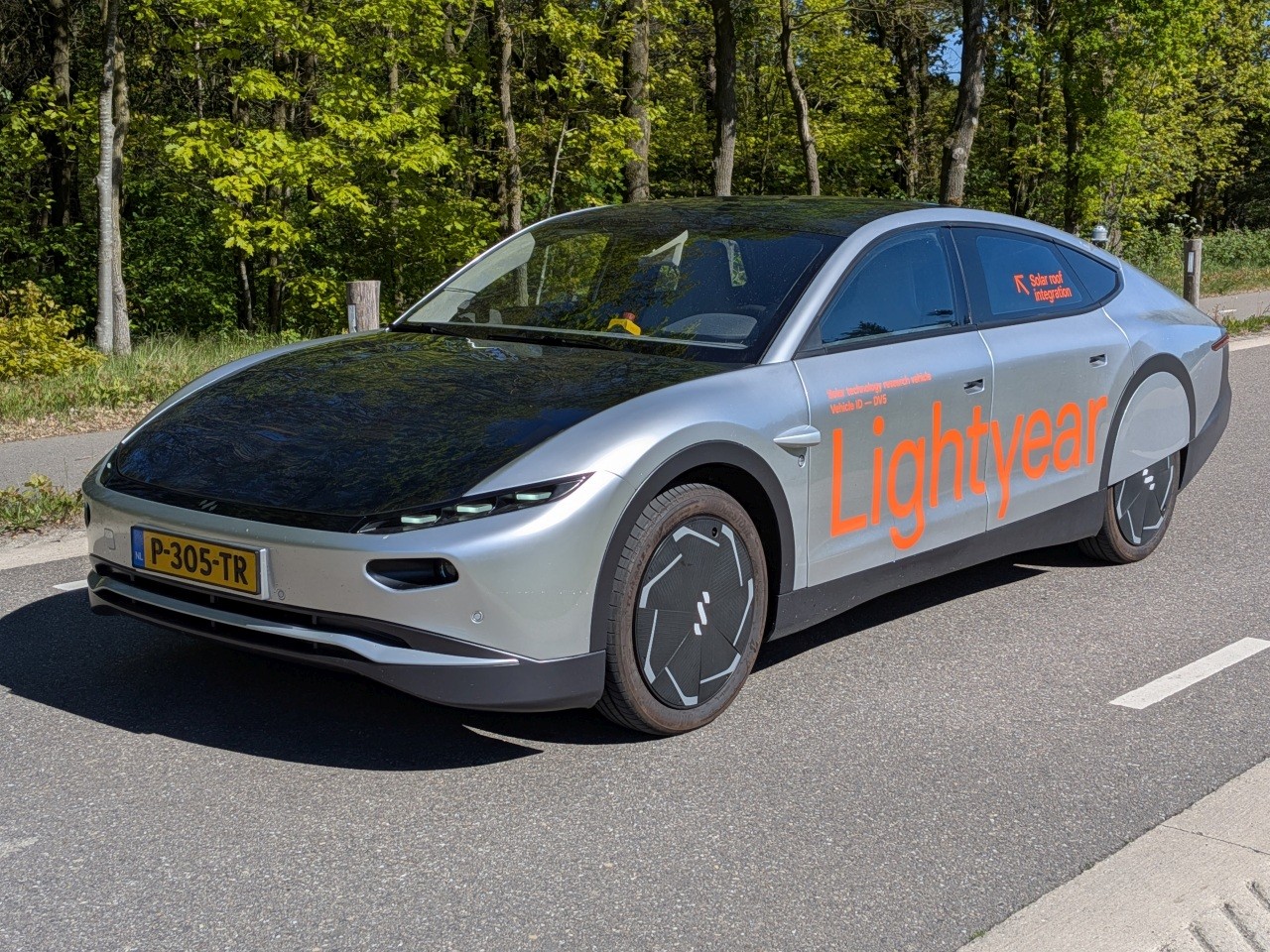
The integration of solar technology directly into the bodywork of vehicles, a field known as Vehicle Integrated Photovoltaics (VIPV), is transitioning from a niche engineering concept to a potentially cornerstone solution for European energy independence and transport decarbonization. According to a comprehensive new study titled "SolarMoves," led by the Fraunhofer Institute for Solar Energy Systems (ISE) and TNO, solar-powered vehicles could drastically reduce the energy burden on the European power grid while providing a significant portion of the electricity required for daily transit. The research indicates that in optimal conditions, specifically in Southern Europe, solar modules integrated into a passenger car’s roof, hood, and side panels can generate up to 80 percent of the vehicle’s annual energy requirements.
This finding comes at a critical juncture for the European Union as it navigates the complexities of the "Fit for 55" package and the broader Green Deal objectives. As the continent shifts toward mass electric vehicle (EV) adoption, concerns regarding grid stability and the adequacy of charging infrastructure have intensified. The SolarMoves project suggests that VIPV offers a decentralized energy solution that requires no additional land use, no new grid connections, and no investment in stationary charging stations for the energy it produces. By generating electricity at the point of consumption, solar-integrated vehicles effectively act as mobile power plants, easing the pressure on a grid that is already struggling to accommodate the intermittent nature of renewable energy.
The SolarMoves Methodology and Scope
The SolarMoves project was commissioned by the European Commission to investigate the technical and practical potential of vehicles that generate their own solar energy. The consortium behind the study represents a powerhouse of European research and innovation, including TNO (Netherlands), Fraunhofer ISE (Germany), and industry pioneers such as Sono Motors, IM Efficiency, and Lightyear. While some of these commercial partners have faced significant financial and operational headwinds in bringing solar cars to the mass market, their technical contributions to the study provided a foundation of real-world data.

To reach its conclusions, the research team analyzed data from 23 different vehicle types. This range spanned from compact urban city cars to heavy-duty long-haul trucks and trailers. The methodology combined detailed vehicle and driving profiles with extensive meteorological data. Researchers utilized Meteosat satellite data alongside ground-level meteorological records from Amsterdam and Madrid to represent the climatic variance between Central and Southern Europe.
A key component of the study involved equipping test vehicles with high-precision sensors to track energy generation and consumption patterns in real-time. Over the course of the project, the team analyzed measurement data from 1.3 million kilometers driven across various terrains and weather conditions. This empirical approach allowed the researchers to move beyond theoretical modeling and provide a concrete assessment of how solar modules perform when subjected to the vibrations, shading, and temperature fluctuations inherent in vehicular operation.
Regional Performance and the SUV Advantage
The study reveals a stark but promising geographical divide in the effectiveness of VIPV. In Central Europe, represented by cities like Amsterdam or Berlin, a passenger car can generate up to 55 percent of its annual energy needs through integrated solar modules. This figure assumes a vehicle with a large surface area—such as an SUV or a van—and relatively short daily usage cycles. The researchers noted that the trend toward larger vehicles, while often criticized for higher energy consumption, actually provides a larger "canvas" for solar integration, allowing for higher total wattage on the roof and hood.
In Southern Europe, the results are even more transformative. In regions such as Spain, Italy, and Greece, the higher solar irradiance allows a vehicle to cover up to 80 percent of its annual mileage using only the energy harvested from the sun. For the average commuter, this could mean reducing external charging sessions from several times a week to just a few times a year. This "convenience factor" is cited as a major potential driver for consumer adoption, as it mitigates "range anxiety" and "charger anxiety"—two of the primary barriers to EV transition.
The Economic Case for Commercial Logistics
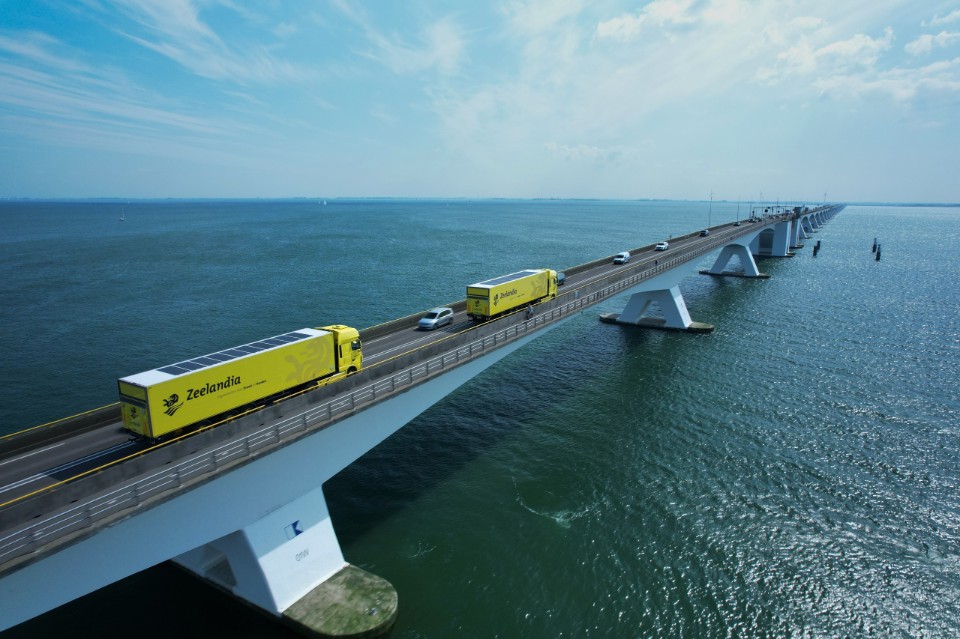
While the benefits for passenger cars are significant, the SolarMoves study identifies the logistics sector as the most immediate and economically viable application for VIPV. Delivery vans, trucks, and semi-trailers possess expansive, flat roof areas that are ideal for solar installation. Furthermore, these vehicles often operate during peak daylight hours and have high auxiliary energy demands for systems such as refrigeration units, tail lifts, and cabin climate control.
The research team calculated that for diesel-powered trucks, the integration of solar panels can lead to a direct reduction in fuel consumption. By powering auxiliary systems with solar energy, the engine’s alternator is relieved of significant load, and the need for idling to maintain battery charge is reduced. According to the study, the investment costs for VIPV on commercial trucks could pay for themselves in less than two years.
For electric heavy-duty trucks, the impact is equally profound. VIPV can extend the daily range of an electric truck by up to 15 percent. On a standard refrigerated trailer, the electricity yield can reach up to 55 kilowatt-hours (kWh) per day during the summer. If the side walls of the trailer are also utilized for solar harvesting, this yield can jump to between 90 and 110 kWh per day. This is often more than enough to power the cooling or hydraulic systems completely and with zero emissions, effectively decarbonizing the most energy-intensive part of the logistics chain.
Technological Innovations: The Hybrid Route
A major technical hurdle for VIPV has been the efficiency and durability of the solar cells. Standard silicon cells used on rooftops are often too brittle or heavy for automotive applications. To address this, Fraunhofer ISE is focusing on the development of perovskite-silicon tandem solar cells. These cells offer a higher theoretical efficiency than standard silicon by capturing a broader spectrum of sunlight.
The manufacturing process utilized by Fraunhofer ISE is known as the "hybrid route," which involves a sophisticated combination of vacuum-based deposition and wet chemical processes. This method allows for the creation of lightweight, semi-flexible modules that can conform to the aerodynamic curves of modern vehicle bodies without sacrificing energy conversion efficiency. Furthermore, these modules must be engineered to withstand the rigors of the road, including extreme temperature cycles, hail, and the mechanical stresses of high-speed travel.
Industry Challenges and the Path to Market
Despite the optimistic findings of the SolarMoves study, the path to commercialization remains fraught with challenges. The history of the solar car industry is littered with startups that struggled to bridge the gap between prototype and mass production. Companies like Lightyear and Sono Motors, both partners in the SolarMoves project, have had to pivot their business models—shifting from producing their own vehicles to becoming component suppliers for established Original Equipment Manufacturers (OEMs).
The primary obstacles are not purely technical but also economic. Integrating solar cells into vehicle bodywork adds complexity to the manufacturing process and increases the initial purchase price of the vehicle. However, the SolarMoves researchers argue that as the cost of solar cells continues to drop and the efficiency of tandem cells increases, the "solar-as-a-feature" model will become increasingly attractive to major automakers.
There is also a regulatory dimension. For VIPV to reach its full potential, European standards for vehicle safety and recycling must be updated to include integrated electronics in body panels. Furthermore, if these vehicles are to "take the pressure off the grid," policymakers may need to consider incentives for "grid-friendly" vehicles that reduce their dependence on external charging infrastructure.

Analysis of Broader Implications
The implications of the SolarMoves study extend beyond the automotive industry. If a significant portion of the European vehicle fleet begins to generate its own power, the total demand on the electrical grid during peak hours could be substantially reduced. This is particularly relevant for the "duck curve" phenomenon, where solar energy production peaks during the day while demand peaks in the evening. VIPV captures energy during the day and stores it in the vehicle’s battery, essentially acting as a distributed storage network.
Moreover, VIPV contributes to "energy democratization." It allows vehicle owners, particularly those in apartment buildings without access to private charging ports, to gain a degree of energy independence. While it may not provide a 100 percent solution for every driver, the ability to "top up" while parked in a sunny lot or driving on the highway reduces the total number of charging events required.
In conclusion, the SolarMoves project provides a data-driven rebuttal to skeptics of solar-powered transportation. By demonstrating that up to 80 percent of a vehicle’s energy can be harvested from the sun, the study positions VIPV not as a futuristic gimmick, but as a pragmatic tool for the European energy transition. As the logistics sector leads the way with rapid ROI and high energy yields, the lessons learned on the roofs of trucks are likely to trickle down to the passenger cars of the next decade, turning every parked car into a contributor to a cleaner, more resilient energy ecosystem.
