

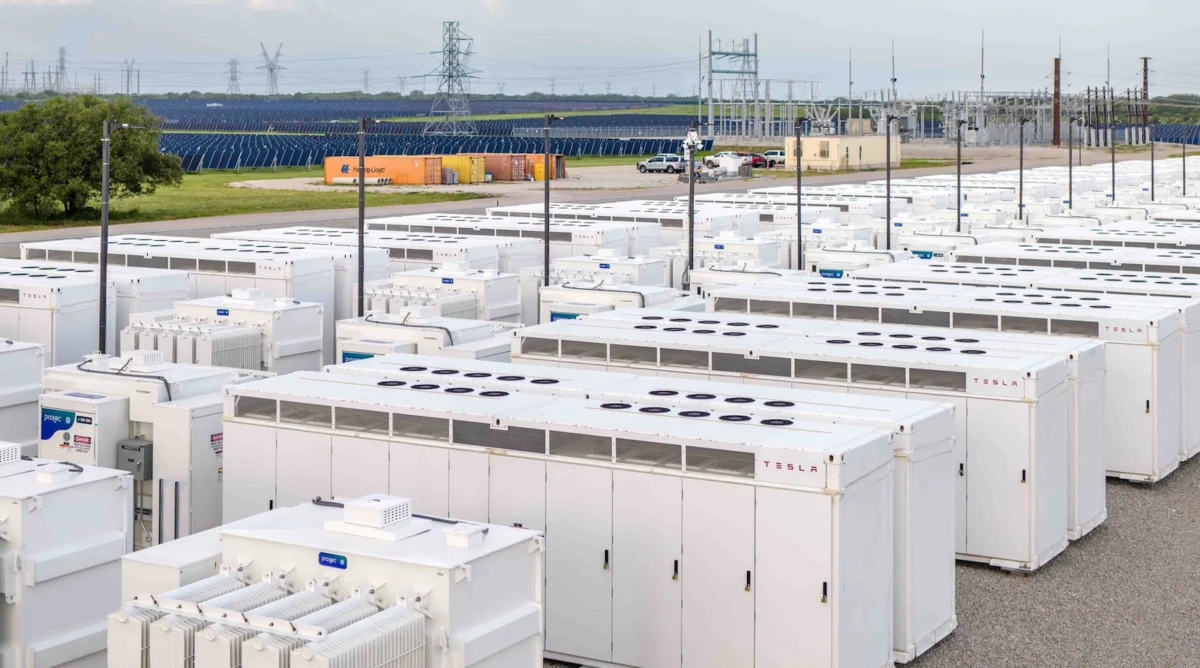
The discourse surrounding the future of the United States energy grid reached a contentious flashpoint during a recent hearing of the Natural Resources Committee, as Secretary of the Interior Doug Burgum faced sharp criticism for his dismissal of solar energy’s reliability. The exchange, which featured a high-profile "show-and-tell" rebuttal from Representative Jared Huffman (D-CA), underscored a widening chasm between federal energy policy and the technological realities of modern grid management. The testimony centered on solar developments in Nevada, a state that has become a primary battleground for the transition between legacy fossil fuels and renewable energy infrastructure.
During the proceedings, Secretary Burgum, the former Governor of North Dakota with long-standing ties to the petroleum industry, characterized solar projects as inherently flawed due to their intermittent nature. "All of these projects you’re describing in Nevada have one thing in common," Burgum stated during his testimony. "When the sun goes down, they produce zero electricity." The remark, which appeared to ignore the role of Battery Energy Storage Systems (BESS), prompted immediate reactions from committee members and highlighted the ideological divide currently defining the Department of the Interior’s approach to public lands and resource management.
The Legislative Rebuttal and the Battery Demonstration
The response from the opposition was both swift and theatrical. Representative Jared Huffman sought to address what he characterized as a fundamental misunderstanding of energy technology at the highest levels of the administration. Huffman requested unanimous consent to enter a physical battery into the official record, presenting it as a corrective to the Secretary’s assertions.
"Mr. Chairman, I request unanimous consent to enter in the record this amazing new technology that apparently the secretary is unaware of: It’s a battery," Huffman said. He further noted that international competitors, specifically China, have aggressively capitalized on battery technology, leading to a significant gap in clean energy manufacturing and deployment. The exchange served as a microcosm of the broader debate: while the administration emphasizes the limitations of generation, proponents of the energy transition emphasize the evolution of storage.
The confrontation also touched upon the practical implications of current federal policy. Representative Susie Lee of Nevada questioned Secretary Burgum on the "permitting mess" currently affecting solar developers in her state. Nevada, which possesses some of the highest solar irradiance in the country, has seen a surge in applications for large-scale solar arrays on federal lands. However, critics argue that the administration’s focus on fossil fuel dominance has led to a deprioritization of these projects, creating a bottleneck that threatens state-level renewable energy targets.
Historical Context: The Shift in Federal Energy Priorities
To understand the current tension, it is necessary to examine the policy shifts that occurred following the enactment of the "One Big Beautiful Bill Act" on July 4, 2025. This legislation effectively recalibrated the federal government’s energy priorities, moving away from the decarbonization goals of the early 2020s and returning to a "fossil fuels first" mandate. Under this framework, the Department of the Interior has moved to streamline oil and gas leasing while simultaneously rolling back environmental protections.
Secretary Burgum has been a central figure in this transition. His tenure has been marked by significant changes to the National Park Service and the utilization of the "God Squad"—a high-level committee capable of overriding the Endangered Species Act—to facilitate industrial development in sensitive habitats. These actions align with the administration’s stated view that wind and solar energy represent a "blight" on the American landscape. President Trump has frequently echoed these sentiments, suggesting that renewable energy hurts the country’s economic standing and that "smart countries" avoid its use.
Despite this rhetoric, the energy sector has continued to evolve. Data from the energy industry indicates that battery storage is no longer an experimental addition to the grid but a core component of contemporary energy systems worldwide. The failure to acknowledge this during the hearing suggested to many analysts that the administration’s policy is rooted more in political ideology than in technical or economic data.
The Mechanics of Reliability: Solar Plus Storage
The primary technical argument against solar energy—the issue of intermittency—has been largely addressed by the concept of "time-shifting." This process involves storing excess electricity generated during peak sunlight hours (typically between 10:00 AM and 3:00 PM) and discharging it during the evening peak (6:00 PM to 10:00 PM) when demand is highest but solar generation has ceased.
In modern grid configurations, solar and storage are increasingly viewed as a single, hybrid asset. According to recent energy technology reports, the cost of lithium-ion battery packs has fallen by more than 80% over the last decade. This price drop has made solar-plus-storage projects economically competitive with, and often cheaper than, traditional coal or natural gas peaker plants. Peaker plants are facilities that only run when demand is high; batteries can now perform this function with zero emissions and faster response times.
Furthermore, the deployment of "neighborhood batteries" or community-scale storage is beginning to offer localized resilience. These systems allow residential areas to maintain power during wider grid outages caused by extreme weather. In 2026, as western states faced low snowpack levels and an increased risk of wildfires, the stability provided by distributed solar and energy storage became a critical component of emergency preparedness.
Supporting Data: The Growth of the Storage Market
The scale of the battery storage rollout contradicts the narrative of solar unreliability. In 2024 and 2025, the United States saw a record-breaking increase in utility-scale battery installations. California and Texas, despite their different political climates, have both led the nation in integrating massive battery arrays to stabilize their respective grids.
Industry projections suggest that by 2030, the energy storage market will be further bolstered by the emergence of a robust battery recycling ecosystem. End-of-life batteries from the first generation of electric vehicles (EVs) are expected to supply more than 50% of the raw materials needed for new stationary storage systems. This circular economy approach addresses concerns regarding mineral scarcity and the environmental impact of mining, further strengthening the case for renewables.
Secretary Burgum’s focus on the "sun going down" overlooks these systemic advancements. By omitting the role of storage, the Department of the Interior can more easily justify the continued expansion of legacy fuel sources. However, this omission also ignores the price differentiation between fuels. While fossil fuel prices remain subject to global market volatility and geopolitical instability, the "fuel" for solar energy remains free, with the primary costs being the upfront capital expenditure for hardware—costs that continue to trend downward.
International Competition and Economic Implications
Representative Huffman’s mention of China highlights a significant concern for US economic and national security. Currently, China controls a vast majority of the global supply chain for solar panels and lithium-ion batteries. By dismissing these technologies at the federal level, critics argue that the US risks ceding the next generation of energy leadership to foreign adversaries.
The "clean energy race" is not merely about environmental stewardship but about industrial dominance. Countries that master the production and integration of storage technologies will likely set the standards for global energy markets in the mid-21st century. The current US administration’s insistence that "Fossil Fuels Are All" creates a policy environment where domestic innovation in renewables may struggle to find the necessary federal backing to compete on a global scale.
In Nevada, the impact of this policy divide is particularly acute. The state’s economy is increasingly tied to the clean energy sector, from lithium mining in the Silver Peak area to the massive solar arrays in the Mojave Desert. A federal "permitting mess," as described by Representative Lee, does not just hinder environmental goals; it disrupts local economic development and job creation in the high-tech energy sector.
Analysis of Implications: A Grid in Transition
The exchange between Secretary Burgum and Representative Huffman illustrates a fundamental reality: the traditional model of electricity distribution, designed in the 19th century around centralized fossil fuel plants, is becoming obsolete. The new model is decentralized, digital, and increasingly reliant on the synergy between generation and storage.
The reliability of the grid is no longer solely dependent on having a constant flame in a boiler. Instead, it depends on the ability to manage diverse inputs through sophisticated software and high-capacity batteries. During summer blackouts or extreme heatwaves, battery storage has already proven essential in preventing total grid collapse by injecting power into the system when demand exceeds generation capacity.
The administration’s refusal to engage with the reality of battery storage suggests a strategic attempt to shield the fossil fuel industry from market competition. If the public perceives solar as unreliable, there is less resistance to the construction of new gas pipelines or the extension of coal plant lifespans. However, as more utilities, local governments, and private citizens adopt solar-plus-storage solutions, the gap between official rhetoric and consumer experience continues to grow.
Conclusion
The Natural Resources Committee hearing served as a stark reminder of the ideological battle lines drawn over the American energy future. Secretary Burgum’s comments reflect a policy stance that prioritizes legacy industries by highlighting the limitations of the past rather than the capabilities of the present. Conversely, the "battery on the record" provided by Representative Huffman symbolizes a push for a modernized, resilient, and independent energy infrastructure.
As the US navigates the complexities of the 2026 energy landscape—marked by climate volatility, economic competition with China, and shifting technological paradigms—the role of battery storage will remain at the center of the debate. Whether federal policy will eventually align with the rapid advancements in storage technology remains to be seen, but the physical reality of the "amazing new technology" continues to transform the grid, regardless of the sun’s position in the sky.
