

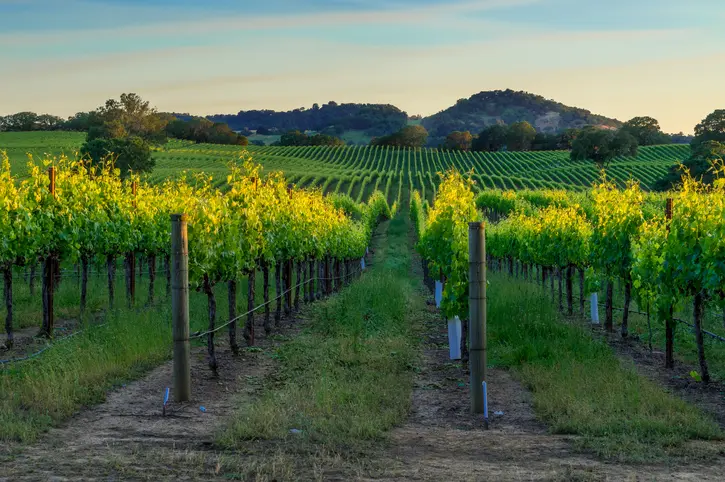
US farmland has demonstrated robust performance, achieving its second consecutive quarter of positive returns, a development that underscores the asset class’s enduring appeal and potential resilience in the face of a fluctuating economic landscape. This encouraging trend, detailed in recent market analyses, positions agricultural real estate as a potentially attractive component of diversified investment portfolios, even as broader market conditions present challenges. The consistent positive returns suggest a strengthening underlying demand for agricultural land, driven by factors such as global food security concerns, evolving agricultural practices, and sustained interest from institutional and high-net-worth investors.
The latest figures, which are still being compiled and will be fully detailed in upcoming industry reports, indicate a continuation of the upward trajectory observed in the previous quarter. This period of sustained positive returns is particularly noteworthy given the prevailing macroeconomic headwinds, including persistent inflation, rising interest rates, and geopolitical uncertainties. The ability of farmland to generate positive returns in such an environment suggests a decoupling from some of the more volatile market segments, highlighting its intrinsic value tied to essential production and long-term land appreciation.
Agri Investor Global Awards 2026: Recognizing Excellence in Agricultural Investment
In parallel with market performance, the opening of entries for the Agri Investor Global Awards 2026 has been announced, marking a significant event for the agricultural investment community. These prestigious awards aim to celebrate innovation, leadership, and outstanding achievements across the global agricultural investment sector. The nomination period, which commenced recently, will extend for several months, allowing a wide array of participants – including fund managers, investors, service providers, and agricultural operators – to submit their credentials and highlight their contributions.
The Agri Investor Global Awards have become a benchmark for excellence, recognizing companies and individuals who are shaping the future of agricultural finance and operations. The 2026 edition is expected to draw an even larger pool of nominations, reflecting the growing sophistication and global reach of the agricultural investment market. Categories typically cover a broad spectrum, from sustainable farming initiatives and technological advancements to innovative financing structures and exemplary fund performance. The judging panel, comprised of industry veterans and thought leaders, will meticulously evaluate submissions based on criteria such as financial returns, impact, innovation, and sustainability. The anticipation surrounding these awards underscores the sector’s commitment to fostering best practices and acknowledging those at the forefront of driving positive change.
Nuveen Farmland Fund Secures Significant Multi-Family Office Commitment
Further bolstering the positive sentiment surrounding agricultural real estate, Nuveen’s farmland fund has successfully secured a substantial commitment from a prominent multi-family office. This significant investment underscores the growing confidence among sophisticated investors in the long-term viability and income-generating potential of agricultural assets. While specific financial details of the commitment remain undisclosed, the involvement of a multi-family office signals a strategic allocation of capital, often indicative of a thorough due diligence process and a belief in the asset class’s ability to deliver stable, inflation-hedged returns.
Nuveen, a leading global investment manager, has been a significant player in the agricultural real estate sector for many years, managing a diverse portfolio of farmland assets across various geographies and crop types. This new commitment is expected to fuel further investment in acquiring and managing high-quality agricultural properties, potentially focusing on regions with strong underlying agricultural fundamentals and opportunities for operational enhancements. The strategic alignment between Nuveen’s expertise in managing agricultural investments and the long-term investment horizons of family offices creates a powerful synergy.
Personnel Moves Signal Strategic Shifts in the Investment Landscape
The agricultural investment ecosystem is also experiencing dynamic shifts through key personnel movements. Lever VC, a venture capital firm focused on the food and agriculture technology sector, has seen strategic appointments that aim to bolster its investment capabilities and expand its reach. Similarly, London CIV, a significant institutional investor managing assets for London’s local government pension schemes, has announced personnel changes within its investment team, which could signal a recalibration of its strategic priorities, potentially including increased allocations to alternative assets like farmland.
These personnel moves are often more than just changes in leadership; they can represent a strategic pivot or an intensification of focus in specific areas. For Lever VC, new talent could bring fresh perspectives and networks crucial for identifying and nurturing promising AgTech startups. For London CIV, such changes might indicate a deeper exploration of illiquid asset classes that offer diversification and potential for enhanced returns, with farmland often fitting this profile. The expertise and vision of individuals joining or moving within these organizations can have a tangible impact on their investment strategies and the broader market.
Broader Implications for the Agricultural Investment Sector
The confluence of positive market performance, recognition through industry awards, significant capital commitments, and strategic personnel changes paints a picture of a maturing and increasingly attractive agricultural investment sector. The sustained positive returns from US farmland are not merely an isolated financial metric; they reflect a deeper engagement with the fundamental drivers of agricultural productivity and value.
Supporting Data and Context: The Foundation of Farmland’s Appeal
The resilience of US farmland returns can be attributed to several interconnected factors. Historically, agricultural land has exhibited low correlation with traditional asset classes like equities and bonds, offering a valuable diversification benefit. Furthermore, farmland’s returns are often driven by a combination of income generation (through crop sales or land leases) and capital appreciation, both of which have shown consistent growth.
For instance, data from organizations like the National Council of Real Estate Investment Fiduciaries (NCREIF) Property Index, which tracks institutional-grade real estate investments, has consistently shown farmland as a strong performer over the long term. While specific quarterly figures for the most recent period are still being finalized, past NCREIF data has indicated annual returns for farmland often in the mid-to-high single digits, and sometimes exceeding 10%, depending on the specific sub-sector and region. These returns are supported by fundamental drivers such as increasing global food demand, driven by population growth and rising incomes in emerging markets. Projections from the United Nations estimate the global population could reach nearly 10 billion by 2050, necessitating a significant increase in food production.
Moreover, advancements in agricultural technology (AgTech) are enhancing productivity and sustainability. Precision agriculture, for example, allows farmers to optimize resource use, reducing waste and improving yields. This technological integration not only boosts profitability for farm operators but also enhances the long-term value and attractiveness of the underlying land assets to investors. The increasing adoption of sustainable farming practices, driven by both consumer demand and regulatory pressures, further contributes to the land’s enduring value and its appeal to ESG-conscious investors.
Timeline and Chronology: A Steady Ascent
The current positive performance of US farmland is not an overnight phenomenon. It builds upon a trend that has been developing over several years. The period following the 2008 global financial crisis saw a resurgence of interest in tangible assets, including agricultural land, as investors sought safe havens and inflation hedges. This trend was further amplified by a period of low-interest rates, which made borrowing for land acquisition more attractive and reduced the opportunity cost of holding less liquid assets.
More recently, the disruptions caused by the COVID-19 pandemic and subsequent supply chain issues highlighted the critical importance of food security and domestic agricultural production. This recalibration of priorities has likely contributed to the sustained investor interest and positive returns observed in the agricultural sector. The second consecutive quarter of positive returns suggests that this is not a temporary blip but a more entrenched trend, indicating that the asset class is navigating current economic complexities with a degree of resilience.
Statements and Reactions: Inferred Perspectives from Industry Stakeholders
While direct quotes from parties involved in the Nuveen fund commitment or personnel moves are not available in the provided snippet, it is logical to infer the general sentiment within the industry. For Nuveen and the multi-family office involved, this commitment likely represents a strategic decision to diversify their portfolios and gain exposure to an asset class with strong fundamental drivers and a history of stable returns. A spokesperson for a hypothetical, similarly positioned institutional investor might articulate that "Farmland offers a compelling combination of income generation, capital appreciation, and inflation hedging characteristics, making it a vital component of a well-diversified long-term investment strategy. We are constantly evaluating opportunities to enhance our portfolio’s resilience and performance, and agricultural real estate remains a key area of focus."
Regarding the Agri Investor Global Awards, the opening of entries is met with enthusiasm by industry participants. A representative from an award-winning firm in a previous year might comment, "The Agri Investor Global Awards provide a crucial platform to showcase the innovation and dedication within our sector. It’s an opportunity to recognize the hard work and forward-thinking strategies that are essential for feeding a growing world sustainably and profitably. We encourage all deserving organizations to participate and highlight their contributions."
The personnel moves at Lever VC and London CIV would likely be viewed as positive developments by their respective stakeholders. For Lever VC, new hires are often framed as strengthening the firm’s ability to identify and support promising ventures. For London CIV, changes in its investment team could be interpreted as a proactive step to optimize its asset allocation and ensure it is best positioned to meet the long-term financial needs of its pension fund beneficiaries.
Broader Impact and Implications: A Sector Poised for Growth
The consistent positive performance of US farmland and the surrounding industry developments have several significant implications for the broader agricultural investment landscape:
- Increased Investor Confidence: The sustained positive returns are likely to attract further capital into the agricultural real estate market. This increased investor appetite can lead to greater liquidity and potentially higher valuations for farmland.
- Focus on Sustainability and Technology: As investors like multi-family offices become more involved, there will be an amplified emphasis on sustainable farming practices and the integration of technology. This will drive innovation and further improve the efficiency and environmental footprint of agriculture.
- Diversification Benefits: The uncorrelated nature of farmland returns reinforces its value as a diversification tool, particularly in uncertain economic times. This could lead to more institutional investors and pension funds allocating a greater percentage of their portfolios to agricultural assets.
- Rural Economic Development: Increased investment in farmland can translate into job creation, infrastructure improvements, and economic growth in rural communities.
- Food Security Enhancement: By supporting productive and efficient agricultural operations, these investments contribute to the overall goal of enhancing global food security, a critical issue in the 21st century.
The opening of entries for the Agri Investor Global Awards 2026 further solidifies the sector’s commitment to recognizing and promoting best practices. This event serves as a catalyst for innovation and a benchmark for success, encouraging participants to strive for excellence in all facets of agricultural investment.
In conclusion, the second consecutive quarter of positive returns for US farmland, coupled with significant industry events and strategic personnel shifts, signals a dynamic and evolving agricultural investment sector. These developments collectively suggest a robust and resilient asset class, well-positioned to meet the challenges and opportunities of the future, driven by fundamental demand, technological advancement, and increasing investor recognition. The ongoing narrative of agricultural investment is one of growth, sustainability, and vital contribution to the global economy.
