

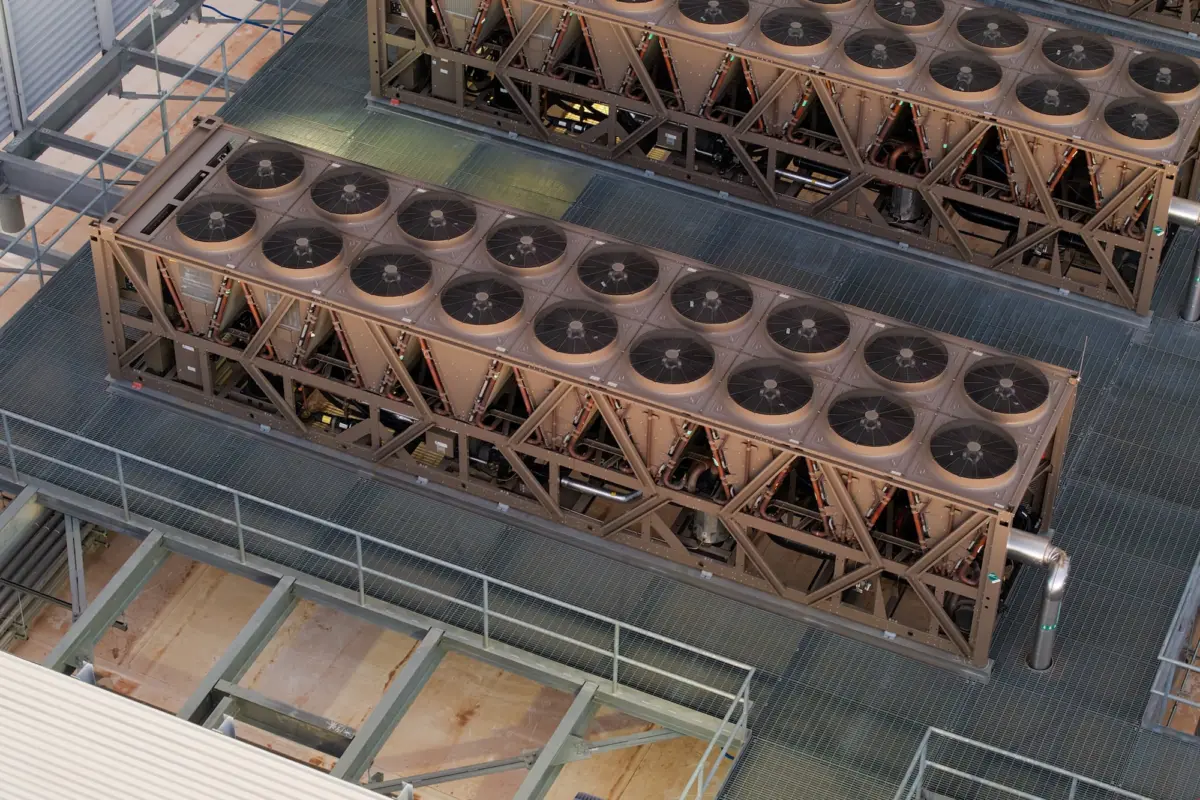
The rapid expansion of hyperscale data centers is outpacing the ability of urban policymakers to regulate their environmental and social impacts, leading to a significant policy vacuum that has reached a boiling point in the United States. As the 2026 midterm elections approach, the intersection of technological growth and public welfare has transformed into a high-stakes political issue. In cities like Phoenix, Arizona—the hottest major metropolitan area in the country—the physical footprint of the digital world is no longer invisible. Instead, it is being measured in degrees Fahrenheit, gallons of evaporated water, and millions of dollars in potential legal liabilities. While data centers have long been a quiet component of urban infrastructure, the emergence of artificial intelligence (AI) has necessitated a new generation of facilities whose scale and resource demands are unprecedented, triggering a wave of moratoriums and community pushback across 44 states.
The Evolution of the Hyperscale Era
For decades, data centers were treated by local zoning boards as standard light industrial developments, akin to warehouses or small manufacturing plants. They were historically attracted to urban centers by the proximity to existing power grids, fiber-optic networks, and municipal water services. However, the shift from traditional cloud storage to AI-driven computing has fundamentally altered the physical requirements of these facilities. A modern "hyperscale" data center, designed to house tens of thousands of high-performance servers, can consume as much electricity as a small city.
According to a 2026 report from the Bipartisan Policy Center, the pace and scale of this development have overwhelmed existing utility planning frameworks and local approval processes. The report warns that regulatory structures were never designed to accommodate the sheer intensity of resource consumption that AI infrastructure demands. This mismatch has left local governments scrambling to implement new standards even as developers rush to break ground before more restrictive laws take effect.
Phoenix as the Epicenter of the Data Center Boom
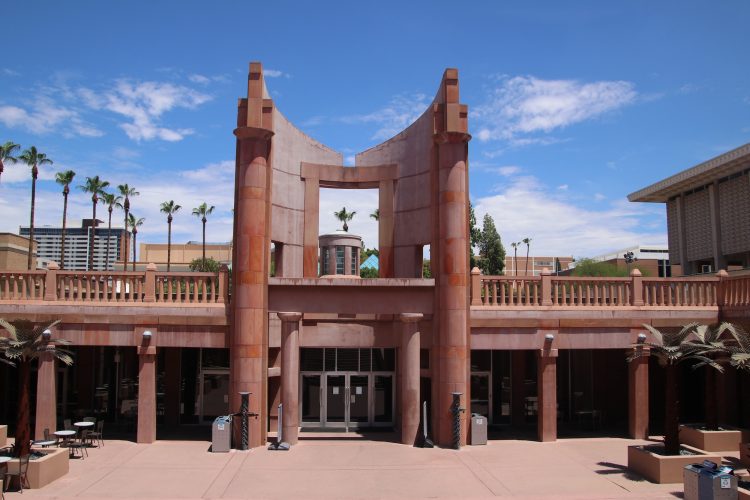
Phoenix, Arizona, serves as a primary case study for the consequences of this policy vacuum. The metropolitan area is currently home to more than 100 operational data centers, with nine more under construction and another 36 in the planning stages. This concentration is the result of years of aggressive state-level tax incentives designed to position Arizona as a global technology hub. However, the environmental reality of the region—characterized by high water stress and extreme heat—is increasingly at odds with the needs of these facilities.
In June 2026, the state of Arizona enacted a three-year moratorium on data center tax incentives in an attempt to pause and re-evaluate the industry’s impact. This legislative move triggered a "gold rush" of applications; state officials reported receiving 113 applications for tax breaks in the weeks between the signing of the budget and the moratorium’s effective date in July. For context, the same incentive program had received only 123 applications in the previous 13 years combined. This surge highlights the urgency with which developers are attempting to lock in favorable terms before the regulatory window closes.
The Legal and Financial Stakes of Zoning
The struggle to regulate data centers is not merely environmental; it is also a complex legal battleground. In 2025, the Phoenix City Council adopted new zoning definitions and design standards to provide a framework for future development. These rules require special permits for data centers in specific districts and mandate adherence to noise limits and other performance standards. However, the implementation of these rules has been met with immediate litigation.
Under Arizona’s Proposition 207—a law passed by voters in 2006—landowners can sue municipalities for compensation if new zoning regulations diminish the value of their property. Following the passage of the new data center ordinance, at least 11 developers and landowners filed claims against the city of Phoenix, demanding an estimated $753 million in compensation for lost project value. To mitigate these financial risks, the city has been forced to negotiate waivers, effectively allowing some projects to bypass the new standards to avoid catastrophic legal payouts.

This legal friction has caused a "spillover" effect into neighboring municipalities. When Aligned Data Centers dropped its plans in Phoenix following the zoning changes, it redirected its efforts to the nearby city of Peoria. In Peoria’s Legacy Point industrial zone, warehouses and large-scale water users were permitted without the specific restrictions recently adopted by Phoenix. While Peoria is now considering its own set of zoning updates—including larger setbacks and landscape buffers—these rules may not apply retroactively to projects already in the pipeline, illustrating the difficulty of "catching up" to the industry.
Scientific Analysis: Data Centers and the Urban Heat Island Effect
The most pressing environmental concern regarding urban data centers is their contribution to the "urban heat island" (UHI) effect. UHI occurs when buildings, roads, and other infrastructure absorb and re-emit the sun’s heat more than natural landscapes. In Phoenix, where the UV index frequently exceeds 11, the temperature at the city’s major airport can be up to 14 degrees Fahrenheit hotter than in the surrounding rural areas.
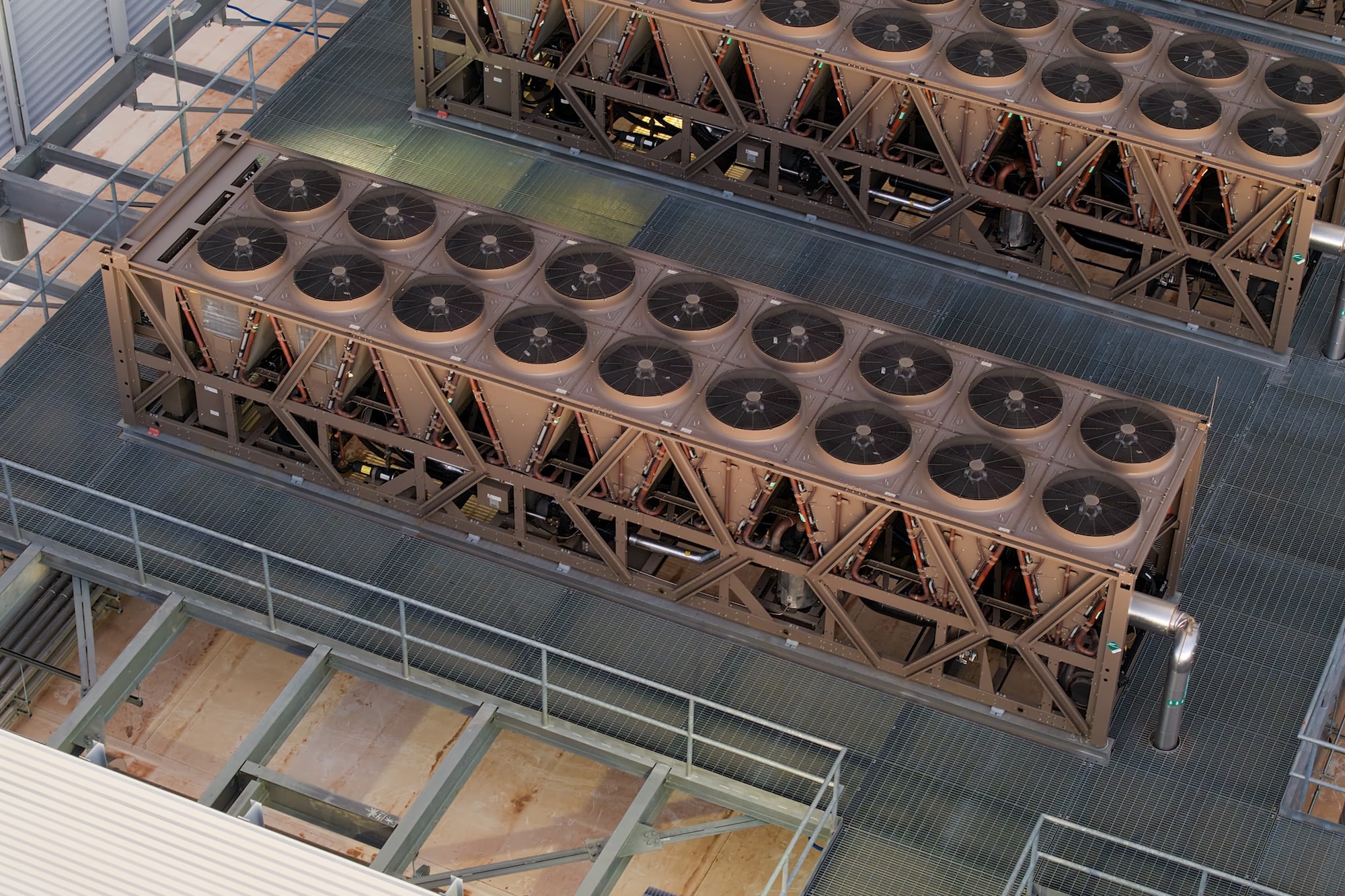
Recent research from Arizona State University’s (ASU) School of Geographical Sciences and Urban Planning has provided the first precise, ground-level evidence of how data centers exacerbate this phenomenon. The study, led by Director David Sailor, found that a single hyperscale data center can produce waste heat equivalent to more than 40,000 households. This heat is typically expelled through massive cooling towers and exhaust systems.
The ASU study utilized air temperature sensors placed upwind and downwind of four major data centers. The findings were stark: waste heat from these facilities can raise the temperature of the surrounding neighborhood by as much as 4 degrees Fahrenheit. This "thermal plume" can extend up to five city blocks from the facility. Sailor characterized this as a "previously undocumented urban thermal hazard," noting that even a one- or two-degree increase can significantly impact public health and energy costs for nearby residents.
Broader Public Health and Utility Impacts
Beyond the localized heat increase, the proliferation of data centers raises several other public welfare concerns:
- Water Scarcity: Many data centers rely on evaporative cooling systems, which consume millions of gallons of water daily. In water-stressed regions like the American Southwest, this puts immense pressure on municipal supplies already strained by drought and population growth.
- Noise Pollution: The massive fans required to cool server racks generate a constant, high-frequency hum. In residential areas, this noise has become a source of significant community distress, leading to demands for stricter acoustic shielding.
- Air Quality: Data centers maintain large arrays of diesel-powered backup generators to ensure "five-nines" (99.999%) uptime. During testing or power outages, these generators emit nitrogen oxides and particulate matter, contributing to local air pollution.
- Electricity Rates: The surge in power demand from data centers often requires utilities to invest in new transmission lines and generation capacity. These costs are frequently passed on to residential consumers, leading to higher monthly bills for households that are already struggling with inflation.
A Growing National and Global Movement
The pushback against data centers is not confined to Arizona. Connected Capital, a firm tracking industry trends, has identified 399 local data center moratoriums in various stages of progress across 44 U.S. states. In Aurora, Colorado, residents recently mobilized to protest the proposed Trident data center, which would be the largest in the state and include 28 emergency diesel generators. During a three-hour public comment session, residents ranging from teenagers to retirees expressed fear that the facility would destroy the livability of their neighborhood.
On a global scale, cities are beginning to collaborate to set higher standards. The Global Urban Data Centres Pact, formed in partnership with the C40 Cities climate leadership group, now includes 42 member cities, including Phoenix and 20 other U.S. municipalities. The Pact serves as a clearinghouse for best practices, encouraging developers to adopt "climate-safe" solutions such as:
- Waste Heat Recovery: Diverting the heat produced by servers to warm nearby homes or commercial buildings via district heating networks.
- Liquid Cooling: Moving away from water-intensive evaporative systems toward closed-loop liquid cooling technologies that are more efficient and less wasteful.
- Renewable Integration: Requiring data centers to fund new clean energy projects rather than simply drawing from the existing green energy mix.
Conclusion: The Road to the 2026 Midterms
As the 2026 midterm elections approach, the regulation of data centers has moved from the technical realm of zoning boards to the forefront of political discourse. Voters are increasingly viewing data center development through the lens of environmental justice and economic fairness. The tension between the necessity of digital infrastructure for the modern economy and the right of residents to a livable, affordable environment has created a new political mandate.
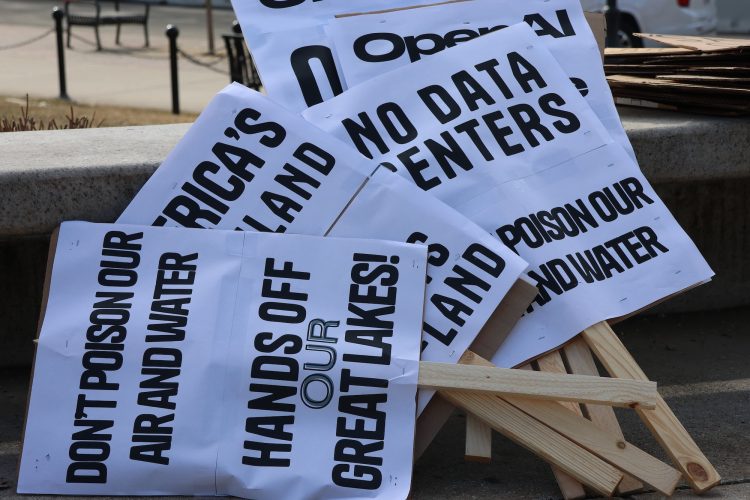
The findings from ASU and the legislative struggles in Phoenix and Aurora suggest that the "invisible" cloud is finally being grounded in physical reality. Whether through the Global Urban Data Centres Pact or local grassroots activism, the message from urban communities is clear: the era of unrestricted data center expansion is ending. As policymakers and developers look toward the future, the success of the industry will likely depend on its ability to transition from being a resource-intensive neighbor to a sustainable participant in the urban ecosystem. With Election Day on November 3, the outcome of local and state races may well determine whether the "policy vacuum" is filled by comprehensive environmental standards or continued litigation and community unrest.
