

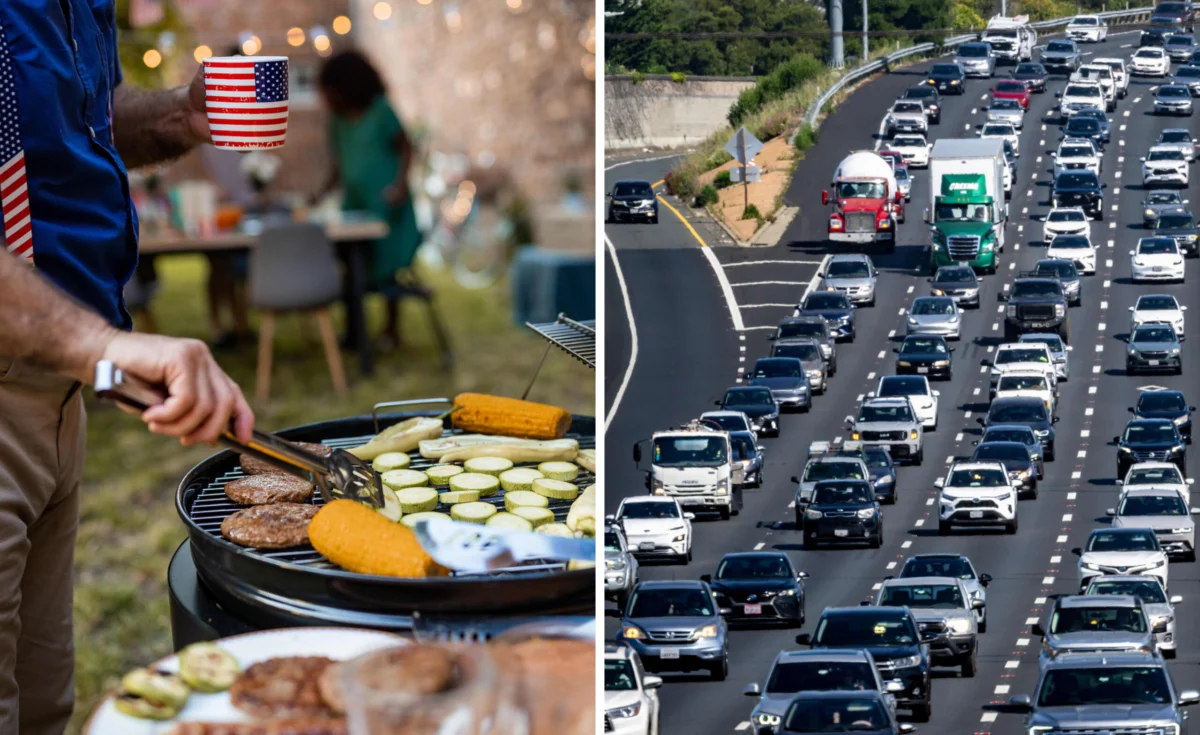
The unofficial start of summer, Memorial Day weekend, is poised to bring a renewed wave of inflationary pressures for American consumers, with costs for everything from essential groceries to travel essentials set to climb. The escalating conflict in the Middle East, specifically the ongoing Iran War, is a primary driver behind this surge, impacting everything from fuel prices to the cost of a backyard barbecue. Federal data released this month reveals that total inflation for shoppers rose 3.8% in April compared to the same month last year, marking the highest annual rate since 2023. Consumers are already feeling the pinch, with significant price increases observed in travel, recreation, and food, collectively draining household budgets as the warmer months commence.
"They’re not going to be happy about what they see," commented Stephen Juneau, senior U.S. economist at Bank of America. "There will be a lot of grumbling this weekend when people are driving and in the airports, or are going to the store to stock up." This sentiment is echoed by broader economic indicators. Consumer sentiment, as measured by a survey from the University of Michigan released Friday, officially hit its lowest level on record in May. This downturn in outlook is attributed, in part, to the sharp rise in oil prices, a direct consequence of the Middle East war, which has now entered its third month.
The impact of these rising costs is already being felt by major corporations. E.l.f. Beauty announced on Wednesday a rollback of some price increases, citing that its consumers were "suffering" from elevated fuel costs. Similarly, McDonald’s CEO Chris Kempczinski warned earlier this month about a "challenging environment" for the fast-food giant as inflationary pressures intensify. These corporate acknowledgments underscore the pervasive nature of the current economic headwinds.
The Escalating Cost of Summer Gatherings: Food Prices Soar
The quintessential American summer barbecue is set to become a more expensive affair this year. Shrinking cattle herds and soaring fertilizer costs, exacerbated by the geopolitical tensions stemming from the Iran War, are directly contributing to higher prices for meat and produce. Ground beef and steaks have seen price increases of up to 16% compared to 2025, while the cost of frankfurters has risen by nearly 11% year-over-year.
The staple ingredients for summer salads are also feeling the inflationary heat. Tomatoes are costing shoppers close to 40% more than a year ago, with lettuce prices up by approximately 8%. Even the smaller items that enhance meals are not immune; spices, seasonings, condiments, and sauces have collectively climbed by almost 4%. For those with a sweet tooth, the cost of desserts is also on the rise. Shoppers picking up cakes, cupcakes, or cookies will find themselves paying just over 5% more than they did a year ago.
Beverage prices are also contributing to the increased cost of summer gatherings. Carbonated drinks are 3.7% more expensive than last year, and coffee prices have experienced a dramatic surge of over 18%. While beer prices have seen a more modest increase of 2.2%, they come on the heels of a recent demand slowdown, suggesting a complex interplay of supply, demand, and broader economic factors.
Travel Woes: Gas Prices and Airfares Reach New Heights
As millions of Americans prepare to embark on holiday travel, they are being met with significantly higher transportation costs, largely driven by the surge in oil prices in the wake of the Middle East conflict. AAA anticipates that 45 million Americans will travel at least 50 miles from home over the Memorial Day weekend, a slight increase of 0.4% from the peak set last year. Of these travelers, more than 39 million are expected to journey by car.
The cost of gasoline has been a major concern, with prices soaring more than 28% year-over-year, according to federal data. Heading into the holiday weekend, the average price for a gallon of unleaded gas nationally reached its highest point in four years, according to AAA. This significant increase presents a substantial financial challenge for those planning road trips.
"The holiday weekend poses extra financial challenges this year," stated Kimberly Palmer, a personal finance expert at NerdWallet. "Memorial Day weekend is traditionally a time for a lot of driving, which means consumers are searching for ways to save at the pump or cut back other areas of their budget to compensate for the higher gas prices."
The aviation sector is also experiencing significant inflationary pressure. Airline fares have surged by 20.7% from April 2025 to April 2026, reaching their highest level since 2022. Airlines have cited the need to hike ticket prices due to the dramatic increase in jet fuel costs, a direct consequence of Iran’s actions in closing the Strait of Hormuz, a critical chokepoint for global crude oil transportation. The closure of this vital waterway has sent shockwaves through global energy markets, directly impacting air travel costs. The recent shuttering of Spirit Airlines’ operations earlier this month was explicitly attributed to costlier jet fuel, and industry analysts predict further price increases as a result of the reduced capacity in the budget airline market.
Beyond transportation, lodging costs are also on the rise. Hotels, motels, and other forms of accommodation away from home will cost consumers 4.3% more than they did 12 months prior. A Bank of America survey revealed that while about 30% of respondents indicated they would not alter their summer travel plans despite higher gas prices, approximately one in five planned to curtail their vacations or opt for destinations closer to home. This suggests a bifurcated consumer response, with some willing to absorb the increased costs and others actively seeking to mitigate them.
Recreation and Leisure: Mixed Impacts on Summer Activities
Even Americans opting for staycations or local leisure activities will not be entirely insulated from inflationary pressures. The cost of entertainment is seeing mixed trends. Movie, theater, and concert tickets have seen a notable increase, jumping 5.5% from a year ago. This rise could impact discretionary spending on cultural events.
Conversely, in an unusual trend, sporting event tickets have experienced a price decrease of 10% over the same timeframe. This could present an opportunity for consumers seeking more affordable entertainment options.
However, the cost of engaging in outdoor recreational activities is on the rise. Prices for bicycles and other sporting vehicles are 4.3% higher than a year ago, potentially affecting those looking to invest in new equipment for summer sports. Furthermore, individuals planning to undertake home improvement or gardening projects will find that supplies such as tools and hardware have increased by 5%. The cost of indoor plants and flowers has also seen a rise of 6% in the past year, adding to the overall expense of home-based leisure activities.
Background and Chronology of the Inflationary Surge
The current inflationary environment is not a sudden development but rather a culmination of several interconnected factors, with the Iran War acting as a significant accelerant. In late 2025 and early 2026, global supply chains, already recovering from earlier disruptions, began to show signs of strain. This was compounded by rising energy demands as economies reopened post-pandemic.
The initial stages of the Iran War, which began approximately three months prior to the reporting period (around March 2026), marked a critical turning point. The conflict’s impact on oil-producing regions and shipping lanes immediately sent crude oil prices soaring. This had a cascading effect across various sectors, most notably transportation and manufacturing.
By April 2026, federal data confirmed a significant uptick in the Consumer Price Index (CPI), reaching the 3.8% annual rate observed. This figure represented a notable acceleration from previous months, directly correlating with the heightened geopolitical tensions and their impact on commodity prices.
The University of Michigan’s Consumer Sentiment Index, a key indicator of consumer confidence, has been on a downward trend throughout the early months of 2026, with the May reading confirming a record low. This decline reflects growing unease among consumers about their personal financial situations and the broader economic outlook.
Corporate responses, such as E.l.f. Beauty’s price rollback and McDonald’s CEO’s warning, emerged in the weeks leading up to and following the April inflation data, signaling that businesses were beginning to feel the pressure of passing increased costs onto consumers. The airline industry’s decision to raise fares and the subsequent closure of Spirit Airlines further underscore the tangible and immediate consequences of the oil price shock.
Broader Impact and Implications
The current inflationary trend carries significant implications for the U.S. economy and its consumers. For households, particularly those with lower and middle incomes, the rising cost of essentials like food and fuel represents a substantial burden, potentially leading to a reduction in discretionary spending and a decrease in overall living standards. This can have a ripple effect on various sectors of the economy, as consumer demand for non-essential goods and services may falter.
For businesses, the challenge lies in balancing the need to absorb rising input costs with the risk of alienating price-sensitive customers. Companies are being forced to make difficult decisions regarding pricing strategies, cost-cutting measures, and investment plans. The current environment may also exacerbate existing economic inequalities, as those with fewer financial resources are disproportionately affected by price increases.
The Federal Reserve will likely face increased pressure to address inflation, potentially through monetary policy adjustments. However, any aggressive tightening of monetary policy could risk slowing economic growth, creating a delicate balancing act for policymakers. The interconnectedness of global events means that the duration and intensity of the Iran War will continue to play a crucial role in shaping the trajectory of U.S. inflation and economic stability in the coming months. The upcoming summer season, traditionally a period of robust consumer spending, will serve as a critical barometer for the resilience of the American economy in the face of these persistent inflationary pressures.
