

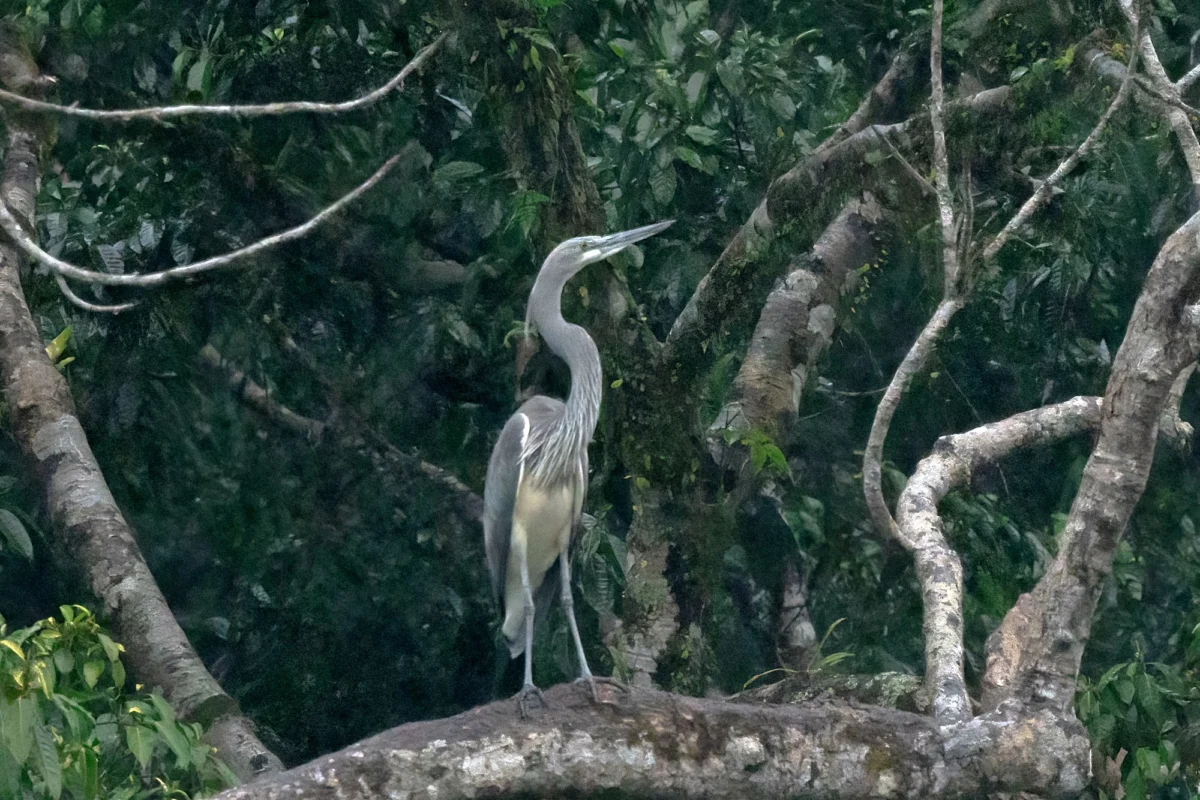
At the Changlimithang Stadium in Thimphu, the roar of 15,000 fans often signifies more than just a tactical victory on the pitch; for the Thimphu City Football Club, every goal scored represents a lifeline for one of the rarest avian species on Earth. Through an innovative initiative titled "Goals for a Cause," the club has successfully bridged the gap between the high-energy world of professional sports and the quiet, precarious existence of the white-bellied heron. This critically endangered bird, which serves as a symbol of Bhutan’s rich natural heritage, is currently facing an extinction crisis, with fewer than 50 individuals known to exist in the wild globally. By leveraging the immense popularity of football in the Himalayan kingdom, Thimphu City FC is transforming the act of scoring into a tangible financial and educational tool for environmental preservation.
The initiative, spearheaded by club founder Hishey Tshering, operates on a performance-based donation model. Donors and sponsors pledge a fixed monetary amount for every goal the team scores throughout the season. These funds are then funneled directly to the Royal Society for the Protection of Nature (RSPN), a premier non-governmental organization in Bhutan dedicated to the conservation of the kingdom’s unique biodiversity. In the 2025 season, the club’s offensive prowess saw them net 65 goals across 18 matches, a feat that not only secured them a second-place finish in the Bhutan Premier League but also generated significant revenue for conservation efforts. For instance, a single donor pledging $25 per goal contributed $1,625—an amount sufficient to provide food and care for five herons housed in a specialized conservation center for up to four months.

The Biological Crisis: Understanding the White-bellied Heron
The white-bellied heron (Ardea insignis) is a creature of immense stature and extreme vulnerability. Standing at approximately 127 centimeters tall, it is the second-largest heron species on the planet, surpassed only by the goliath heron. Characterized by its dark grey plumage, distinctive white underbelly, and long, silvery plumes on its crown, the bird is a specialist of the remote, low-elevation river basins of the eastern Himalayas. Historically, its range extended across the wetlands of India, Myanmar, and China, but today, its presence is limited to a few fragmented habitats.
The current census of the species is a sobering reflection of its status. There are only 49 known individuals remaining in the wild across its entire global range. Of these, 31 are found within the borders of Bhutan, making the kingdom the most critical stronghold for the species’ survival. The birds are notoriously solitary and shy, requiring undisturbed riverine environments to hunt for fish. However, these habitats are under increasing pressure from human activities. In Bhutan, the expansion of infrastructure, unregulated sand and stone mining, and the growth of river-based tourism such as rafting have encroached upon traditional nesting and feeding grounds. Furthermore, the escalating impacts of climate change have led to erratic weather patterns, including unseasonable rainfall and flooding that can destroy nests and deplete fish stocks.
Chronology of a Conservation Partnership
The partnership between Thimphu City FC and the RSPN did not emerge in a vacuum. It is the result of decades of environmental advocacy by Hishey Tshering, whose professional life has long intersected with Bhutan’s ecology. In the late 1990s, Tshering served as a communications officer for the RSPN, where he first became intimately acquainted with the plight of the white-bellied heron. In 1998, he founded Bhutan Birding and Heritage Travels, an enterprise that caters to international ornithologists seeking to glimpse Bhutan’s rare avian life.

When Tshering founded Thimphu City FC in 2012, he sought to bring the same level of passion to the sporting arena. However, he soon realized that the platform of a football club offered a unique opportunity to reach a demographic—young, urban sports fans—who might otherwise be disconnected from rural conservation issues. The "Goals for a Cause" campaign was designed to democratize conservation, moving it out of the realm of academic papers and into the public consciousness through the medium of sport.
In 2024 and 2025, the club intensified its efforts by introducing a dedicated "Save the Heron" kit. This away jersey, which prominently features conservation messaging, is worn specifically during matches played in regions adjacent to known heron habitats, such as Punakha and Wangdue Phodrang. This tactical choice ensures that the message of protection is delivered directly to the communities that live alongside the birds, fostering a sense of local pride and stewardship.
Financial and Institutional Challenges in the Bhutanese Market
Despite the success of the "Goals for a Cause" initiative, the broader financial landscape for sports in Bhutan remains challenging. Unlike major football markets in Europe or the Americas, where television broadcasting rights generate billions in revenue, the Bhutanese market is largely non-commercial. The Bhutan Broadcasting Service (BBS) remains the sole domestic broadcaster, precluding the competitive bidding wars that typically drive up the value of sports media rights.

Hishey Tshering has noted that sports are often viewed as a social or recreational activity rather than a viable economic sector in Bhutan. Consequently, local corporate sponsorship is limited, and many clubs, including Thimphu City, rely on the personal financial contributions of their founders to stay afloat. Since the club’s inception in 2012, operating costs have skyrocketed, with a single season now costing many times the original $1,000 budget.
To combat these financial headwinds, Thimphu City FC has sought international validation. It became the first sports organization in Central Asia to join the International Union for Conservation of Nature’s (IUCN) "Sports for Nature Framework." This framework requires signatories to adhere to four key principles: protecting nature, restoring nature, greening supply chains, and educating and inspiring fans. This international alignment has not only boosted the club’s brand awareness but has also positioned it to qualify for prestigious competitions like the AFC Challenge League, which offers higher visibility and potential for international backing.
Broader Impact: Conservation through the Lens of Gross National Happiness
The efforts of Thimphu City FC resonate deeply with Bhutan’s national philosophy of Gross National Happiness (GNH). Unlike traditional development models that prioritize GDP, GNH is built on four pillars: sustainable and equitable socio-economic development, preservation and promotion of culture, good governance, and environmental conservation. The kingdom’s constitution even mandates that at least 60 percent of the country remain under forest cover for all time.

By integrating heron conservation into the fabric of a popular sport, the club is operationalizing the environmental pillar of GNH. The initiative creates a feedback loop where athletic excellence contributes to ecological resilience. The funds raised are not merely for feeding birds in captivity; they support sophisticated field research, including the deployment of GPS leg-bands. These tracking devices allow researchers at the RSPN to monitor the migratory patterns and habitat usage of individual herons, providing data that is essential for making informed decisions about land use and infrastructure development.
The reaction from the Bhutanese public has been overwhelmingly positive. The "Goals for a Cause" campaign has been featured on national news broadcasts, reaching households across the country’s rugged terrain. For the players, the initiative has added a layer of purpose to their professional careers. As striker Dawa Tshering and center-forward Sadick Sulley take to the pitch, they do so with the knowledge that their performance has consequences far beyond the league standings.
Analysis of Implications and Future Outlook
The Thimphu City FC model provides a blueprint for how small-market sports teams can leverage their social capital to address urgent environmental issues. In an era where "sportswashing"—the use of sports to mask poor human rights or environmental records—is a frequent criticism of major global franchises, Thimphu City’s grassroots approach offers an authentic alternative. The club is not using conservation to distract from its activities; it is using its activities to fund and promote conservation.

The implications for the white-bellied heron are significant. While the species remains on the brink of extinction, the visibility provided by the football club has helped secure its status as a national icon. This cultural shifts is vital for the long-term success of habitat restoration projects. If the public views the heron as "their" bird—one supported by "their" team—they are more likely to support policies that protect the river basins the birds require.
Looking forward, Hishey Tshering hopes to secure more stable financial backing to ensure the club’s longevity. The ultimate goal is to create a self-sustaining ecosystem where sports, tourism, and conservation work in tandem. As the "Goals for a Cause" initiative enters its next phase, it stands as a testament to the idea that even in the face of daunting odds and limited resources, the spirit of competition can be harnessed to protect the natural world. In the quiet river valleys of Bhutan, the future of the white-bellied heron may well depend on the next goal scored under the bright lights of Thimphu.
