

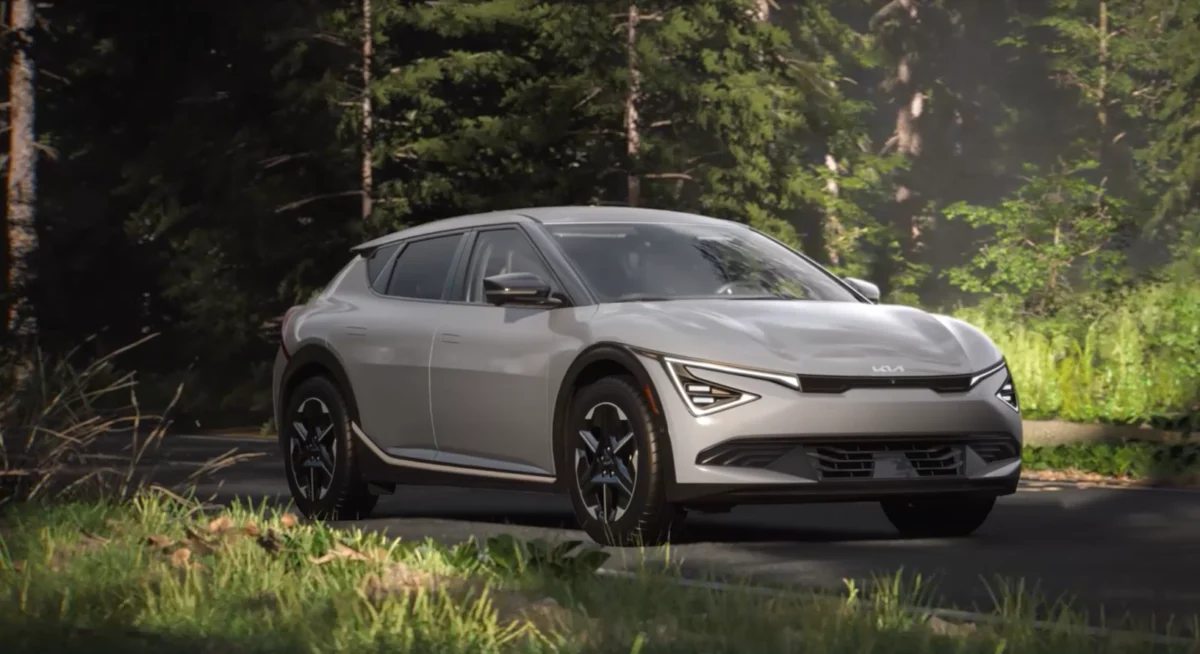
Kia America’s sales performance for May 2026 reveals a complex but ultimately optimistic trajectory for the South Korean automaker’s electric vehicle (EV) division. While the broader automotive industry has grappled with reports of "EV fatigue" and fluctuating consumer demand, Kia’s results suggest that specific product segments—particularly large family SUVs—are experiencing robust growth. The data highlights a significant shift in consumer preference within the Kia lineup, as the flagship EV9 three-row SUV continues to gain momentum while the veteran EV6 crossover prepares for a market resurgence following substantial price adjustments.
May 2026 Sales Performance: A Tale of Two Models
The sales figures for May 2026 provide a stark contrast between Kia’s two primary electric offerings. The Kia EV6, which served as the brand’s halo electric car upon its debut, saw a year-over-year decline. In May 2025, the EV6 recorded 801 deliveries, whereas in May 2026, that figure dipped to 708 units, representing a 13% decrease. This downward trend was also reflected in the year-to-date (YTD) data. For the first five months of 2026, EV6 sales totaled 3,459 units, a 33% drop from the 5,195 units sold during the same period in 2025.
However, these losses were more than offset by the explosive growth of the Kia EV9. The all-electric three-row SUV, which had only 37 sales in May 2025 during its initial rollout phase, surged to 1,647 sales in May 2026—a staggering 43.5% increase in volume that underscores the high demand for electric family haulers. On a YTD basis, the EV9’s performance remains equally impressive, climbing from 4,095 units in the first five months of 2025 to 5,726 units in 2026, marking a 29% increase.
The combined performance of these models indicates that Kia is successfully navigating the transition from early-adopter niche products to mainstream volume sellers. The EV9’s success suggests that American consumers are increasingly willing to transition to electric power provided the vehicle meets their requirements for space, utility, and range.
Strategic Price Adjustments for the EV6
In response to the softening demand for the EV6 and increased competition from both domestic and international rivals, Kia recently announced significant price reductions for the model. Depending on the specific trim level, the EV6 has seen price cuts ranging from $5,000 to $5,900. This aggressive pricing strategy is designed to lower the barrier to entry for the crossover and better align it with its corporate cousin, the Hyundai IONIQ 5, which has historically maintained a slight edge in US sales volume.
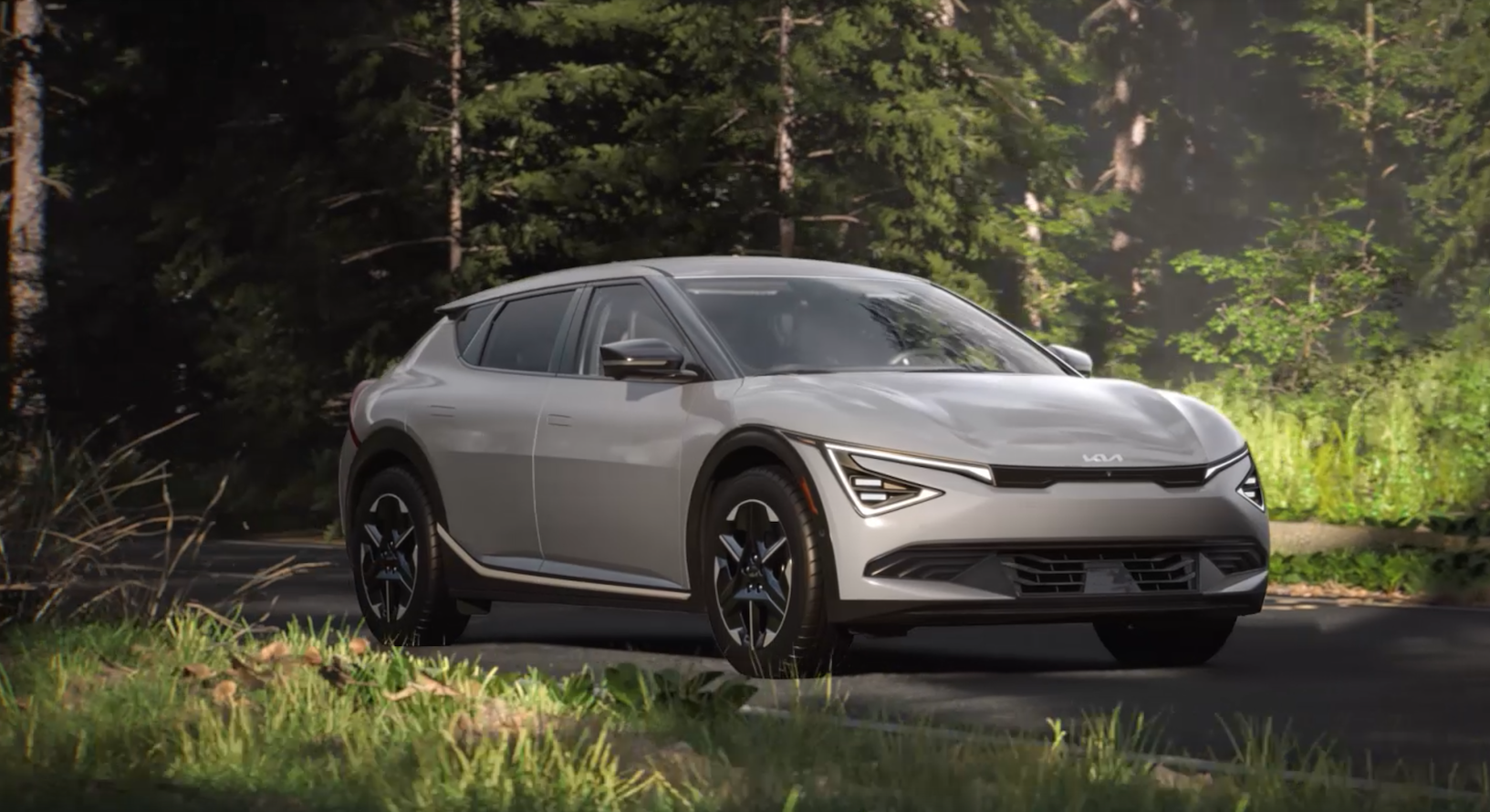
Industry analysts suggest that these price cuts are a calculated move to clear existing inventory and capture a larger share of the mid-size EV market. By bringing the starting price of the EV6 closer to $37,900 for base trims, Kia is positioning the vehicle as a direct competitor to internal combustion engine (ICE) crossovers and the Tesla Model Y. This move is expected to yield a significant "sales boost" in the second half of 2026, potentially pushing the EV6 back into positive year-over-year growth.
A Chronology of Kia’s Electric Evolution
The current sales landscape is the result of a multi-year strategy dubbed "Plan S," which Kia launched to transform itself into a leader in sustainable mobility. To understand the current May 2026 data, one must look at the timeline of Kia’s EV development:
- 2021: Kia unveils the EV6, its first dedicated battery-electric vehicle (BEV) built on the E-GMP (Electric-Global Modular Platform). The vehicle receives critical acclaim, winning the 2022 European Car of the Year and 2023 North American Utility Vehicle of the Year.
- 2022: The Inflation Reduction Act (IRA) is signed into law, changing the landscape for EV tax credits. Kia, importing vehicles from South Korea, faces a temporary disadvantage as it loses eligibility for the $7,500 federal tax credit for consumer purchases, though it utilizes leasing loopholes to remain competitive.
- 2023: Kia debuts the EV9, the first mass-market, three-row electric SUV from a non-luxury brand. Production begins in South Korea, with plans announced for US-based manufacturing.
- 2024–2025: Kia begins assembly of the EV9 at its West Point, Georgia, plant. This localization is a critical step in regaining full federal tax credit eligibility and reducing logistics costs.
- May 2026: Kia reports record-breaking EV9 sales, while simultaneously slashing EV6 prices to maintain market share in an increasingly crowded crossover segment.
The Role of the Georgia Metaplant and Domestic Production
A pivotal factor in Kia’s 2026 performance is the operational maturity of the Hyundai Motor Group Metaplant America (HMGMA) in Georgia. By localizing production of the EV9 and eventually the EV6, Kia has been able to stabilize its supply chain and insulate itself from the volatility of international shipping and import tariffs.
The shift to domestic production has allowed Kia to offer more competitive financing and leasing terms. For the EV9, being "Made in America" has been a significant marketing advantage, appealing to consumers who prioritize domestic manufacturing and those looking to maximize available government incentives. As production ramps up, the brand is expected to introduce more affordable trims of the EV9, potentially further increasing its sales lead over competitors like the Rivian R1S or the Tesla Model X.
Market Analysis: Why the EV9 is Winning
The EV9’s success in May 2026 can be attributed to several factors that distinguish it from the EV6 and other smaller electric crossovers:
- Segment Dominance: The three-row SUV market is one of the most profitable and popular segments in the United States. Until the arrival of the EV9, consumers looking for a seven-passenger electric vehicle were largely limited to luxury brands with six-figure price tags.
- Technological Parity: The EV9 utilizes an 800-volt architecture, allowing for ultra-fast charging that can add 100 miles of range in roughly 10 to 15 minutes. This addresses "range anxiety" and "charging anxiety" for families who use their vehicles for long-distance travel.
- Design and Utility: Kia’s "Opposites United" design philosophy has resonated with buyers who want a vehicle that looks futuristic without sacrificing the boxy, rugged utility expected of an SUV.
In contrast, the EV6 competes in the most saturated part of the EV market. It faces pressure not only from the Tesla Model Y but also from the Ford Mustang Mach-E, the Chevrolet Blazer EV, and the Volkswagen ID.4. The recent price cuts are a recognition that in the crossover segment, price is becoming the primary lever for moving volume as early-adopter enthusiasm gives way to price-sensitive mainstream shopping.

Broader Implications for the Automotive Industry
Kia’s May 2026 results serve as a bellwether for the industry. They suggest that the "EV slowdown" is not a uniform decline but rather a maturation of the market. Demand remains high for vehicles that offer a clear value proposition or fill a specific void in the market, such as the EV9.
Furthermore, the price war initiated by Tesla in 2023 and 2024 has forced traditional automakers like Kia to be more flexible with their MSRPs. The $5,000+ price cut on the EV6 indicates that manufacturers are now willing to sacrifice some profit margins to maintain "green" market share, viewing EVs as essential for long-term regulatory compliance and brand relevance.
Future Outlook: The Second Half of 2026
Looking ahead to June 2026 and the remainder of the year, Kia is positioned for a strong finish. The combination of a high-demand flagship (EV9) and a newly price-competitive stalwart (EV6) creates a balanced portfolio. Additionally, Kia is expected to introduce the EV3, a smaller and more affordable compact SUV, which could further broaden the brand’s reach.
Analysts predict that if Kia continues its current trajectory, it could rival Hyundai for dominance among non-Tesla EV sales in the United States. The integration of the North American Charging Standard (NACS) ports on 2026 models will also likely boost consumer confidence, as Kia owners gain access to the Tesla Supercharger network.
In summary, while the EV6 has faced a challenging start to the year, the EV9 has proven to be the engine of growth for Kia. The company’s ability to adapt through aggressive pricing and local manufacturing suggests that it remains one of the most agile players in the global transition to electric mobility. The coming months will determine if the EV6’s price correction can return it to its former glory, but for now, the EV9 stands as the undisputed star of Kia’s electric lineup.
