

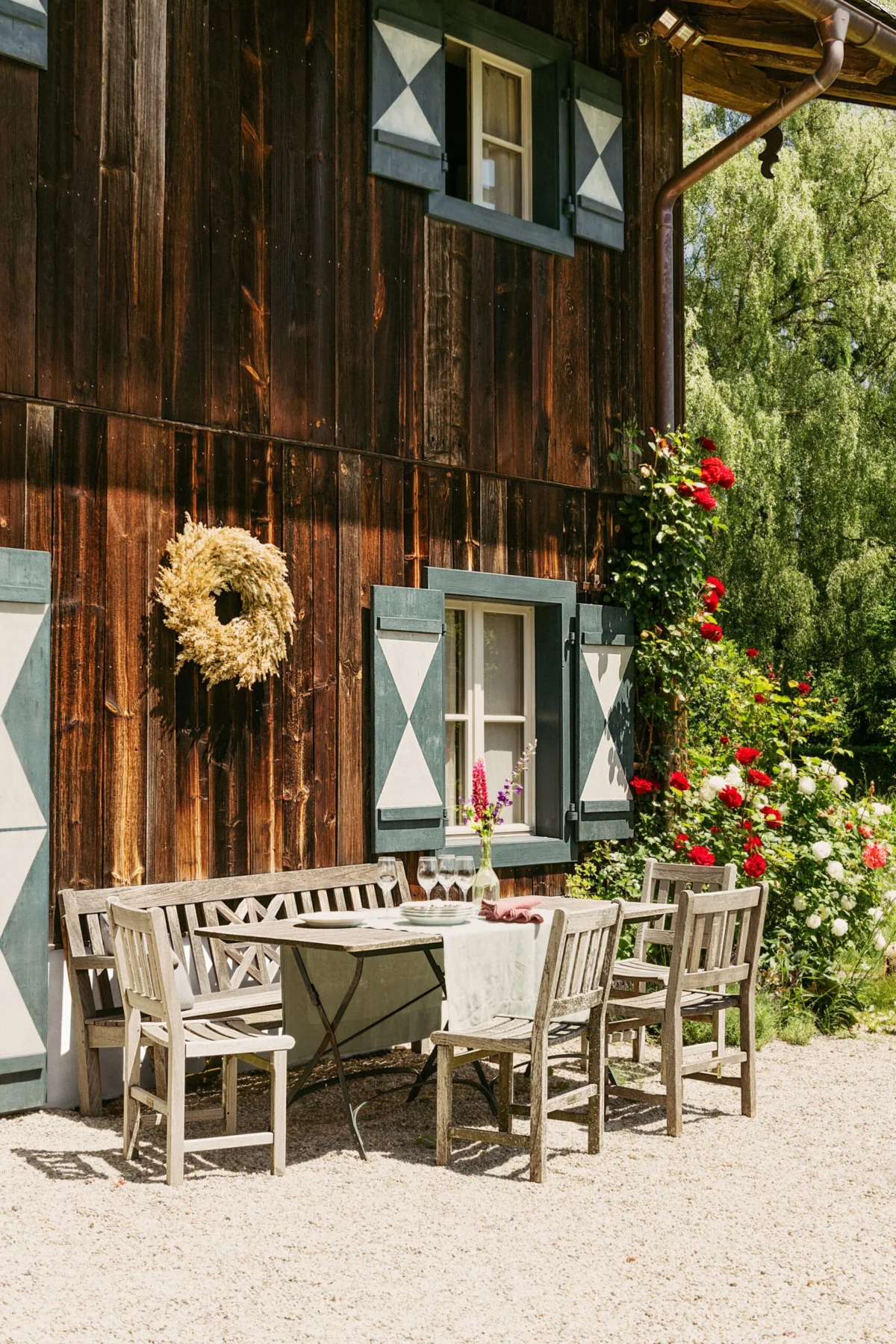
As the autumnal equinox approaches and the mercury begins its seasonal descent, the residential landscape undergoes a significant visual transformation. This transition is marked not only by the changing foliage of the natural world but by a concentrated shift in domestic aesthetics. Central to this seasonal pivot is the fall wreath, a decorative staple that serves as a symbolic bridge between the harvest season and the upcoming winter holidays. From the utilization of magnolia leaves and marigolds to the incorporation of more rustic elements like pheasant feathers and dried stalks, the modern fall wreath has evolved into a sophisticated expression of botanical artistry.

While the front door remains the primary location for these arrangements, contemporary interior design trends have expanded their utility. Wreaths are increasingly appearing over mantels, in entryways, and as textured accents on bare walls. This expansion of use is driven by a consumer desire for "seasonal hygge"—the Danish concept of coziness—which emphasizes warmth, texture, and a connection to the natural world. The market for these items has bifurcated into three distinct categories: live arrangements that offer a fleeting but authentic fragrance, dried botanicals that provide longevity through preservation, and high-fidelity faux designs intended for multi-year use.
The Economic and Cultural Context of Seasonal Decorating
The surge in demand for high-quality autumnal wreaths is part of a broader expansion in the seasonal home decor market. According to data from the National Retail Federation (NRF), consumer spending on seasonal decorations has seen a steady upward trajectory over the last decade. In the United States alone, spending on Halloween and harvest-related decor reached record highs in the early 2020s, with a significant portion of that budget allocated to "porch-scaping" and exterior aesthetics.
.jpeg)
Industry analysts suggest that the "curb appeal" movement, fueled by social media platforms, has turned the front door into a competitive space for personal expression. Retailers such as Wayfair, Williams Sonoma, and Crate & Barrel have responded by diversifying their offerings, moving away from generic orange-and-black motifs toward more sophisticated, nature-inspired palettes. This shift reflects a broader consumer trend toward "biophilic design," which seeks to integrate natural elements into the built environment to improve occupant well-being.
A Chronology of Autumnal Transition
The lifecycle of fall decor typically follows a specific chronological progression. Retailers generally introduce harvest collections in late July or August, targeting early-bird consumers. However, the actual deployment of these items follows a more organic timeline:
.jpeg)
- Late August to Early September: Consumers begin the transition by removing summer-themed florals and introducing neutral-toned wreaths, such as dried grasses or basil mist arrangements.
- Late September to October: This is the peak period for "vivid autumn" aesthetics. Jewel-toned leaves, berries, and pumpkins become the dominant themes.
- November: The focus shifts toward Thanksgiving-specific arrangements. This period sees an increase in the use of feathers, wheat stalks, and harvest-themed bounty.
- Late November: The transition to winter holiday decor begins, though many "evergreen" fall wreaths are designed to bridge this gap by incorporating pinecones or neutral berries.
Analysis of Top Market Offerings for the Current Season
To understand the diversity of the current market, one must look at the specific designs that have captured consumer interest. These selections represent the intersection of durability, aesthetic appeal, and material innovation.
High-Fidelity Artificial and Multi-Hued Options
The Joss & Main Artificial Farmhouse Harvest Wreath represents a subtle departure from the traditional, garish autumnal palette. By combining clusters of artificial long grasses, wheat, and berries, the design appeals to the "modern farmhouse" aesthetic. A significant trend in this category is the move toward color customization; this specific model offers ten different hues, including burgundy, dark green, and white. This variety allows homeowners to coordinate with their existing exterior paint colors rather than being forced into a one-size-fits-all orange scheme.
.jpeg)
Similarly, the Balsam Hill Burgundy Leaves Wreath utilizes fabric and plastic stems to create a 26-inch diameter arrangement that leans toward a "gothic" or moody autumnal style. The use of deep maroons and eggplants reflects a growing consumer interest in darker, more sophisticated seasonal palettes that deviate from the standard harvest yellow.
The Rise of Live and Preserved Botanicals
For many consumers, the authenticity of natural materials remains paramount despite the shorter lifespan of the product. The Crate & Barrel Live Magnolia Wreath is a prime example of a design that utilizes the natural drying process as a feature rather than a flaw. Magnolia leaves are hand-gathered and arranged so that as they dry, they maintain a structural integrity and color profile that is nearly indistinguishable from their fresh state.
.jpeg)
In the realm of high-end preservation, the Terrain Preserved Maple & Ammobium Wreath stands out. This arrangement utilizes a complex mix of preserved maple leaves, white ammobium, phalaris, and flax pods. Preservation techniques often involve replacing the plant’s natural sap with a glycerin-based solution, which maintains the suppleness and color of the foliage for significantly longer than air-drying alone.
Specialized and Niche Aesthetics
As the market matures, niche designs have emerged to cater to specific holidays or interior styles. The Williams Sonoma Pheasant Feather Live Wreath is explicitly marketed toward the Thanksgiving season. By integrating real pheasant feathers with stalks of millet and club wheat, the design invokes a traditional harvest feast aesthetic.
.jpeg)
Conversely, the West Elm Dried Basil Mist Wreath caters to the "early fall" or "transitional" consumer. By avoiding traditional fall colors in favor of wispy greens and light beige tones, it provides a textured look that complements minimalist or Scandinavian-inspired interiors. The use of dried basil as a decorative element also highlights a trend toward "edible-inspired" decor, where kitchen herbs are repurposed for their visual and aromatic qualities.
Material Science and Maintenance in Seasonal Decor
The choice between live, dried, and faux wreaths involves a calculated trade-off between sensory experience and longevity.

- Faux Wreaths: These are typically constructed from polyethylene (PE) or polyvinyl chloride (PVC). High-end "real-touch" faux plants often use molds of actual leaves to create a more convincing texture. While they offer the best return on investment due to their durability, they lack the fragrance of natural materials and have a higher environmental footprint during production.
- Dried/Preserved Wreaths: These offer a middle ground. They are biodegradable and provide a genuine organic texture. However, they are highly susceptible to the elements. Direct sunlight can bleach the colors, and high humidity can cause the materials to soften or develop mold.
- Live Wreaths: These provide the most authentic experience but are essentially "perishable" goods. Their lifespan is typically four to six weeks, depending on the climate.
To maximize the lifespan of these investments, experts recommend displaying them under covered porches or indoors. Protection from UV rays and moisture is essential for any botanical arrangement, whether it is live or preserved.
Expert Insights and Industry Responses
Interior designers have noted that the "wreath" is no longer just a circle on a door; it is a focal point of a home’s seasonal identity. "We are seeing a move toward asymmetry," notes a trend report from a leading home goods analyst. This is evidenced by products like the Pottery Barn Faux Golden Leaf & Berry Wreath, which features a stick base with foliage concentrated on only one side. This "bohemian" approach appeals to younger demographics who find traditional, perfectly symmetrical wreaths too formal or dated.
.jpeg)
Furthermore, retailers are increasingly focusing on the "unboxing" and storage experience. Because these items are seasonal, the ability to store them without damage is a key selling point. Many high-end brands now include specialized storage bags or reinforced boxes to ensure the product remains viable for subsequent years.
Broader Implications and Future Trends
The evolution of the fall wreath reflects a broader societal shift toward celebrating the "micro-seasons." Rather than a single "holiday season" at the end of the year, consumers are now looking for ways to acknowledge the subtle shifts in the environment through their home decor.
.jpeg)
Sustainability is also becoming a critical factor in the future of the industry. There is a growing movement toward "foraged" aesthetics—wreaths that can be composted at the end of the season—as well as a demand for faux products made from recycled plastics. As consumers become more conscious of the lifecycle of their purchases, the industry is likely to see a continued surge in preserved natural materials that offer the beauty of the outdoors with a reduced environmental impact compared to mass-produced plastic alternatives.
In conclusion, the fall wreath has transitioned from a simple folk tradition to a significant sector of the home decor industry. Whether through the bold burgundy of a faux fabric arrangement or the delicate texture of dried basil, these pieces serve as an essential component of the modern home’s seasonal narrative. As the weather cools and guests begin to arrive for holiday gatherings, the wreath remains the
.jpeg)
definitive "warm welcome," signaling the bounty and beauty of the autumn season.
