

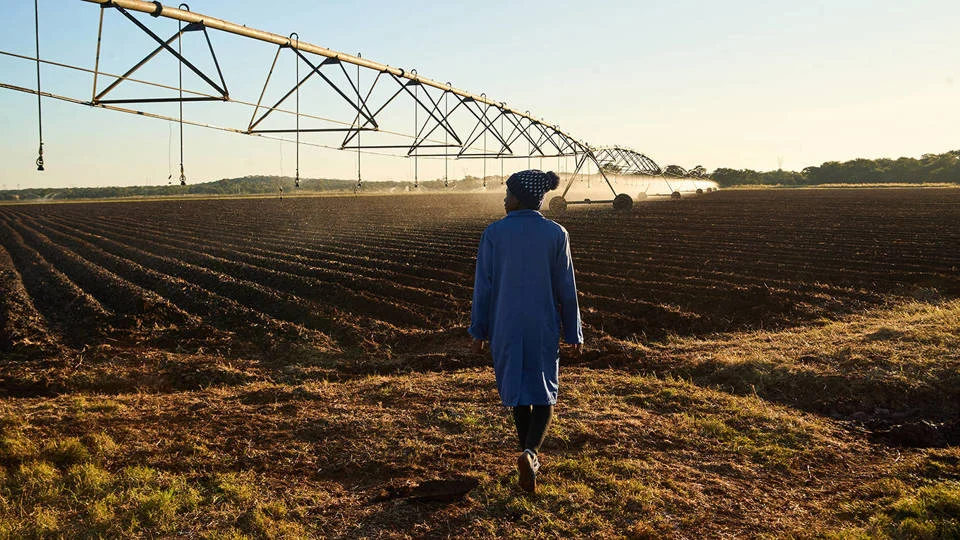
The latest global hunger statistics, while showing a welcome decline, underscore a critical reality: food insecurity remains deeply entrenched in rural communities worldwide. The United Nations’ “The State of Food Security and Nutrition in the World 2026” report, released recently, reveals that while approximately 645 million people experienced hunger in 2025, this figure represents a reduction of nearly 14 million compared to the previous year. Notably, this marks the first time in a decade that the number of hungry individuals in Africa has also decreased, signaling a potential turning point in long-standing global efforts to combat malnutrition.
However, these encouraging global trends mask significant regional disparities and a persistent vulnerability within rural populations. The report unequivocally highlights that food insecurity continues to disproportionately affect those living in rural areas, with women often bearing the brunt of these challenges. This stark reality compels governments, international organizations, and development agencies to critically reassess their strategies and intensify efforts to uplift these often-overlooked communities. The central question remains: how can progress toward eradicating hunger be accelerated, particularly for those most at risk?
Four Pillars for Rural Food Security and Agricultural Resilience
The UN report, alongside analyses from leading agricultural and development institutions, points to four interconnected priorities essential for bolstering food security in rural settings and ensuring the sustainability of agricultural livelihoods. These pillars – soil health, technological access, land rights, and infrastructure development – offer a comprehensive framework for addressing the complex challenges that continue to plague rural food systems.
Revitalizing Soil Health: The Foundation of Sustainable Agriculture
The first and arguably most fundamental priority is the enhancement of agricultural productivity on existing farmland. As global populations continue to grow, placing ever-increasing demands on food systems, the temptation to expand agricultural frontiers at the expense of natural ecosystems, such as forests, must be resisted. Sustainable intensification, the process of increasing crop yields on current land, is therefore paramount. This approach not only meets rising demand but also minimizes deforestation and the degradation of vital natural resources.
Central to this sustainable intensification is the health of the soil. The report emphasizes that any effective strategy for strengthening rural food security must begin with a fundamental assessment: are the soils capable of supporting sustained increases in crop production? Recent studies and field observations from numerous hunger-affected regions indicate a severe constraint on agricultural productivity stemming from extensive soil degradation, a problem that has persisted despite decades of intervention efforts.
Background and Context: Soil degradation encompasses a range of processes, including erosion, loss of organic matter, nutrient depletion, and salinization. These issues are often exacerbated by unsustainable farming practices, climate change impacts, and a lack of investment in soil conservation. In many parts of Africa, for instance, decades of intensive farming with inadequate replenishment of nutrients have led to widespread soil exhaustion, significantly reducing crop yields and perpetuating cycles of poverty and food insecurity.
Timeline of Action: Recognizing the critical link between soil health and food security, African leaders took a significant step in 2024 by endorsing the ten-year African Fertilizer and Soil Health Action Plan and the longer-term Soil Initiative for Africa Framework. These initiatives aim to address the continent’s pressing soil health challenges through a concerted, long-term strategy. This proactive stance reflects a growing global understanding that without healthy soils, efforts to achieve food security are fundamentally undermined.
Scientific Basis and Corrective Measures: Fortunately, once the foundational questions about soil health and quality are addressed, corrective measures can be effectively implemented. A variety of scientifically validated soil health tests, alongside robust indicators and assessments, provide the necessary diagnostic tools. Based on these findings, a wealth of established principles and practices can be applied. These include:
- Cover Cropping: Planting non-cash crops during off-seasons to protect the soil from erosion, suppress weeds, and add organic matter.
- Intercropping and Crop Rotation: Alternating different crops in the same field or sequentially to improve nutrient cycling, break pest cycles, and enhance soil structure.
- Rotational Grazing: Managing livestock movement to allow pastures to recover, preventing overgrazing and improving soil fertility.
- Organic and Biofertilizers: Utilizing natural materials to replenish soil nutrients and enhance microbial activity, reducing reliance on synthetic fertilizers.
- Minimizing Soil Tillage: Reducing the disturbance of soil structure to preserve organic matter, reduce erosion, and promote beneficial soil organisms.
- Maximizing Soil Cover: Keeping the soil surface covered with crop residue or living plants to protect it from the elements.
- Increasing Biodiversity: Fostering a diverse range of plants and soil organisms to create a more resilient and productive ecosystem.
- Maintaining Living Roots: Ensuring the presence of living plant roots in the soil year-round to support microbial communities and improve soil structure.
Bridging the Technology and Input Gap
Secondly, efforts to improve soil health must be complemented by strategic investments in rural farming communities. Producers require improved access to a suite of essential resources and technologies that can significantly boost their output and resilience. This includes:
- Improved Seed Varieties: Access to climate-resilient, high-yield, and disease-resistant seeds tailored to local conditions is crucial for enhancing crop performance.
- Biofertilizers: As mentioned earlier, biofertilizers offer a sustainable way to enrich soil and improve nutrient uptake by plants.
- Water Management Technologies: Efficient irrigation systems, rainwater harvesting techniques, and drought-resistant crop varieties are vital in regions facing water scarcity.
- Emerging Technologies: Precision agriculture, which utilizes data and technology to optimize farming practices, and advancements in artificial intelligence (AI) for crop monitoring and disease prediction, hold immense potential for transforming rural agriculture.
Analysis of Implications: The synergistic effect of healthier soils and access to advanced inputs and technologies can lead to a substantial increase in agricultural productivity. This not only strengthens food security by producing more food but also enhances the economic viability of farming, thereby bolstering rural livelihoods and reducing dependence on external aid. The adoption of precision agriculture, for example, can lead to more efficient use of water, fertilizers, and pesticides, reducing costs for farmers and minimizing environmental impact.
Strengthening Land Tenure Security: Incentivizing Long-Term Investment
Third, robust land tenure security is a cornerstone for improving food security in rural communities. Secure land rights provide farmers with the confidence and incentive to make long-term investments in their land, including the restoration of soil health and the adoption of other productivity-enhancing practices. When farmers know they have secure ownership or usage rights, they are more likely to invest in sustainable land management, knowing they will reap the benefits of their efforts.
Background and Context: Historically, insecure land tenure has been a significant impediment to agricultural development and rural transformation. Without legal recognition and protection of their land rights, farmers may be hesitant to invest in practices that yield benefits over several years, such as agroforestry or soil improvement initiatives. This can lead to a short-term focus on extraction rather than long-term stewardship.
Broader Impact: The link between stronger land rights and agricultural productivity is well-documented across various research studies. This is particularly pertinent for women, who are often the primary agricultural producers in many rural economies yet frequently face systemic disadvantages in land ownership and tenure security. While the precise effects of enhanced land tenure security can vary across different regions and policy frameworks, ensuring women’s ownership rights has profound implications. It can advance gender equality, significantly boost agricultural productivity, support the livelihoods of rural families, and contribute to lasting improvements in overall food security. Empowering women farmers through secure land rights unlocks a vast, often underutilized, human resource, leading to more equitable and productive agricultural systems.
Investing in Essential Public Infrastructure
Lastly, governments must prioritize investments in the public infrastructure that connects rural producers to markets and facilitates the efficient distribution of food. This includes:
- Electricity: Reliable access to electricity is crucial for powering irrigation systems, food processing, cold storage, and communication technologies.
- Refrigerated Transportation: Cold chains are vital for reducing post-harvest losses, ensuring that perishable goods reach consumers in good condition, and allowing farmers to access wider markets.
- Roads and Transportation Networks: Improved road infrastructure is fundamental for reducing transportation costs, enabling farmers to access urban and peri-urban markets more easily, and facilitating the timely delivery of agricultural inputs and outputs.
Analysis of Implications: Enhanced market access through upgraded infrastructure allows farmers to sell a larger proportion of their produce, generating additional income. Furthermore, improved transport networks can lower operational costs, freeing up capital that farmers can reinvest in advanced technologies and more diverse, higher-input crops. This not only boosts their economic standing but also contributes to greater dietary diversity within rural communities. Reducing post-harvest losses through better storage and transportation is a direct way to increase the availability of food without necessarily increasing production, thereby contributing significantly to food security.
A Call for Sustained Investment
The convergence of healthy soils, access to essential agricultural inputs and emerging technologies like precision agriculture and AI, robust land tenure rights, and upgraded infrastructure presents a compelling pathway for rural farms globally to sustainably increase their agricultural productivity. This enhanced productivity, in turn, is vital for protecting livelihoods and enabling rural communities to transition from a state of chronic hunger to one of abundance.
The recent decline in global hunger is a cause for optimism, but it must not breed complacency. Sustaining and building upon this progress requires substantial and sustained investment. This investment must be strategically directed towards the rural communities where food insecurity is most deeply entrenched, not only in Africa but across all regions facing similar challenges. The path forward demands a concerted and collaborative effort from governments, international organizations, the private sector, and local communities to unlock the full potential of rural agricultural systems and ensure a food-secure future for all. The window of opportunity presented by the current positive trends must be seized to lay the groundwork for long-term resilience and prosperity in the world’s most vulnerable rural areas.
