

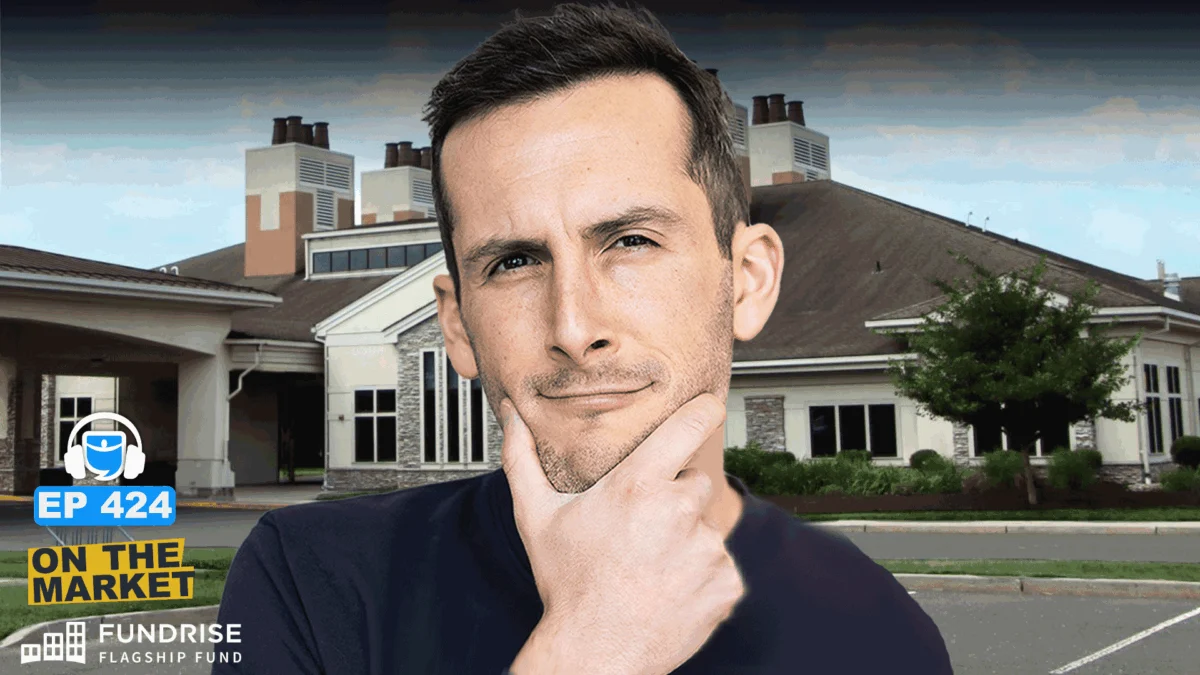
The senior housing sector is undergoing a fundamental transformation as the "Silver Tsunami" transition—more accurately described as a "Silver Glacier"—moves toward a critical demographic inflection point. While often characterized by real estate investors as either an effortless gold mine or an impenetrable niche, the reality of senior housing lies in its identity as a high-stakes operating business driven by non-discretionary demand and severe supply-side constraints. As the oldest members of the Baby Boomer generation approach their 80s, the age at which senior housing move-ins typically peak, the industry is bracing for a twenty-year cycle of unprecedented growth. However, experts warn that success in this asset class requires a sophisticated understanding of localized demand, specialized care operations, and the nuances of high-touch sales cycles that differ vastly from traditional multifamily rentals.
A Demographic Shift: From Tsunami to Glacier
The prevailing narrative surrounding the aging population often utilizes the term "Silver Tsunami" to describe the sudden arrival of the Baby Boomer generation into retirement age. However, industry veterans like Jerry Vinci, co-founder of Nordon and CCR Growth, suggest that a "glacier" is a more apt metaphor. Unlike a wave that crashes and recedes, the aging of the American population is a slow-moving, unstoppable force that will fundamentally reshape the real estate landscape over the next two decades.
The timeline for this shift is anchored in specific demographic milestones. By the year 2030, every member of the Baby Boomer generation—approximately 71 million people—will be at least 65 years old. However, the true impact on senior housing occurs roughly fifteen years later. Data indicates that the median age for entry into assisted living or memory care facilities is between 80 and 85. Consequently, the industry expects a massive surge in demand beginning in the mid-2030s. By 2040, the United States is projected to have 110% more individuals over the age of 85 than it does today. This demographic certainty provides a long-term tailwind for investors, but it also highlights a looming crisis in housing availability.
The Four Pillars of Senior Housing
To understand the investment landscape, one must distinguish between the four primary categories of senior housing, each of which carries different risk profiles, regulatory requirements, and operational costs:
- Independent Living (IL): Often referred to as 55+ or active adult communities, these facilities are designed for seniors who do not require medical assistance but seek to downsize and live in a social environment. This segment often competes with luxury multifamily housing but includes age-restricted amenities.
- Assisted Living (AL): This represents the "next level" of care, where residents receive help with activities of daily living (ADLs), such as dressing, bathing, and medication management. This category is heavily operation-dependent, requiring a blend of hospitality and healthcare services.
- Memory Care: A specialized subset of assisted living dedicated to residents with Alzheimer’s, dementia, or other cognitive impairments. These facilities require higher staffing ratios, specialized architectural design for safety, and rigorous regulatory compliance.
- Skilled Nursing Facilities (SNF): These are clinical environments formerly known as nursing homes. While they have evolved to be more resident-friendly, they remain the most regulated and medically intensive tier of the senior housing umbrella.
Additionally, Continuing Care Retirement Communities (CCRCs) offer a "life plan" model, allowing residents to transition through all four tiers of care within a single campus as their needs evolve.
The Supply-Demand Disconnect and the "Middle Market" Gap
The investment case for senior housing is bolstered by a staggering deficit in new construction. To meet the projected demand through 2040, the industry must deliver between 100,000 and 125,000 units annually. However, current construction starts are woefully inadequate. In 2023 and 2024, unit starts hovered significantly below these targets, with some quarters seeing as few as 1,000 to 4,000 new units entering the pipeline nationwide. High interest rates and construction costs have stifled development, creating a supply-side bottleneck that is likely to drive up occupancy and rent growth in existing facilities.
Furthermore, a socioeconomic challenge is emerging within the Boomer generation. While the top third of the demographic is "house rich" and can afford luxury senior living by selling their primary residences, a significant middle tier exists. Over 50% of Boomers possess less than $250,000 in liquid assets. This creates an urgent need—and a massive investment opportunity—for "affordable" or "middle-market" senior housing. Currently, most private equity capital is concentrated in luxury independent living, leaving the assisted living and memory care segments for the middle class underserved.
Operational Complexity: The 30% Difference
The primary deterrent for traditional real estate investors is the operational intensity of the asset class. In multifamily real estate, the business is largely mechanical: signing leases and maintaining the physical structure. In senior housing, the real estate provides the asset value, but the operating business drives the Net Operating Income (NOI).
The sales cycle for senior housing is notoriously long and emotional. Unlike a standard apartment lease, which can be signed in days, a move-in for assisted living often takes six months of deliberation. Families are usually the primary decision-makers, navigating a "crisis-driven" search following a health event or a diagnosis of cognitive decline.
Moreover, the operator must manage a complex ecosystem of services, including 24/7 caretaking, restaurant-grade dining, social programming, and specialized transportation. A failure in any of these hospitality or healthcare components can lead to rapid occupancy loss and legal liability. Consequently, the "operator" is the most critical variable in any senior housing deal.
Evolution of Investment Models: From Triple Net to SHOP
Historically, the senior housing investment model relied heavily on Triple Net (NNN) leases, where an operator paid a fixed rent to the property owner, assuming all operational risks and rewards. However, the industry is shifting toward the Senior Housing Operating Partner (SHOP) model.
Under a SHOP structure, the investor and the operator enter into a partnership where the owner retains more of the operational upside but also shoulders more risk. In this model, the owner’s returns are directly tied to the facility’s performance, including occupancy levels and margin management. This alignment of interests encourages operators to optimize the "revenue engine" of the building rather than simply paying a flat rent. For passive investors, accessing this market often occurs through Real Estate Investment Trusts (REITs) or specialized private equity funds, which provide professional oversight of these complex operator relationships.
Due Diligence and the Hyper-Local Market
Investors entering the space must recognize that senior housing is a hyper-local business. Approximately 85% to 90% of residents move into a facility from within a five-to-ten-mile radius. Therefore, national occupancy trends are often less relevant than the competitive landscape of a specific ZIP code.
Key due diligence questions for investors include:
- Operator Sustainability: Can the operator maintain occupancy without over-reliance on third-party lead aggregators?
- Lead Generation Mix: Many facilities rely on aggregators like "A Place for Mom," which charge the equivalent of one month’s rent as a commission for each move-in. Portfolios that derive 80% or more of their leads from these sources face significantly compressed margins.
- Asset Age and Retrofitting: Approximately 25% to 30% of current senior housing inventory is over 25 years old. Investors must account for the capital expenditures required to modernize these facilities to meet the expectations of the modern "Baby Boomer" resident, who demands more sophisticated amenities than previous generations.
Broader Economic Impact and Future Outlook
The senior housing market is not merely a niche real estate play; it is a critical component of the broader U.S. housing economy. As Boomers transition into specialized housing, they will release millions of single-family homes back into the market, potentially easing the inventory shortages currently plaguing younger buyers.
However, the success of this transition depends on the industry’s ability to scale. With 18 consecutive quarters of occupancy growth and national averages nearing 90%, the sector has proven its resilience post-pandemic. The "Silver Glacier" ensures a steady stream of demand for at least the next twenty years. For investors, the challenge remains distinguishing between a well-located physical asset and a well-run operating business. Those who can identify operators capable of managing the delicate balance between compassionate care and efficient marketing are positioned to capitalize on one of the most significant demographic shifts in modern history.
