

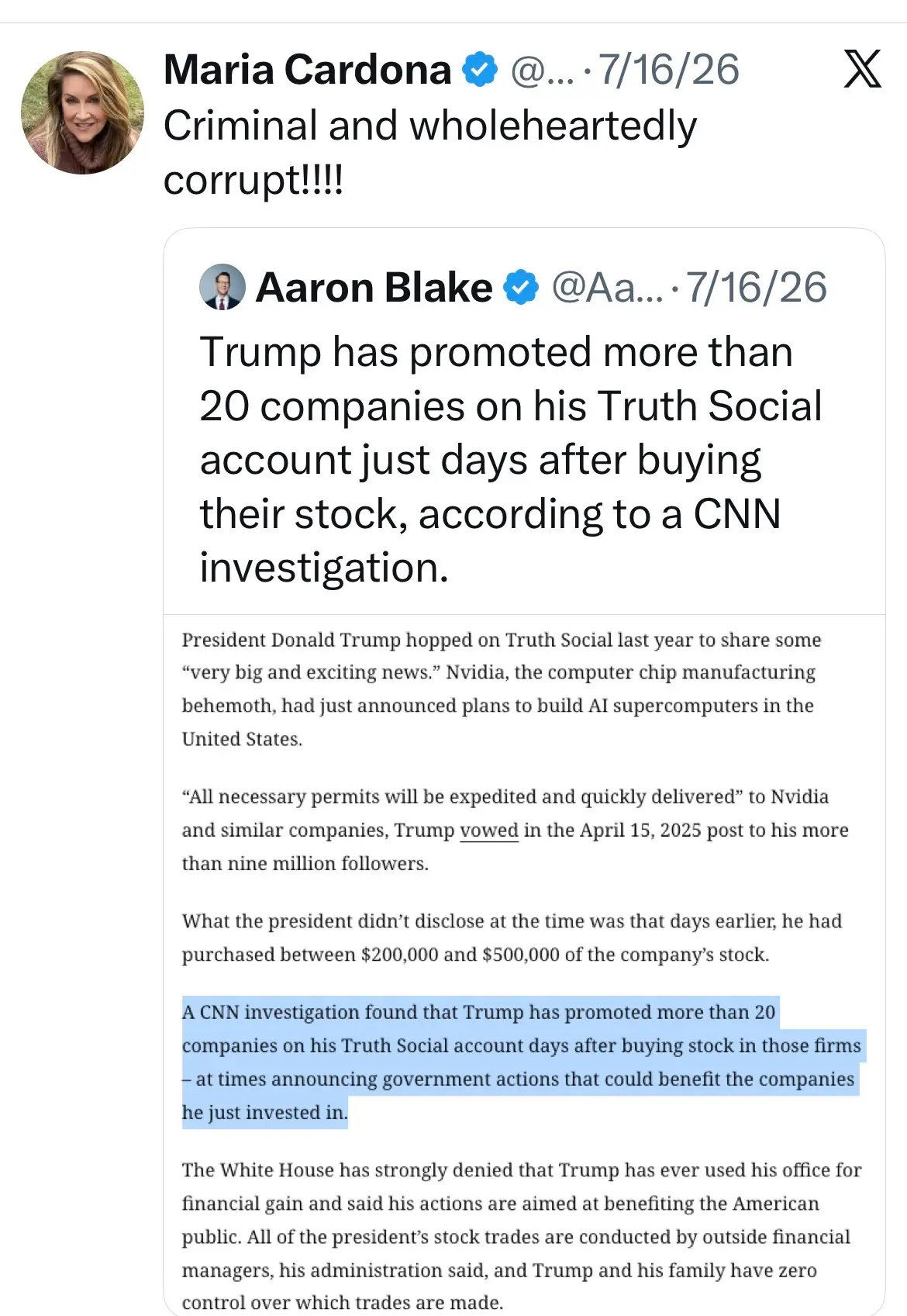
The 2026 midterm elections have concluded with a significant shift in the American political landscape, characterized by a decisive legislative sweep that analysts are calling a "blue tsunami." While early economic indicators suggested that voter dissatisfaction would stem primarily from inflationary pressures—exacerbated by ongoing trade tariffs and geopolitical tensions in the Middle East—post-election surveys and exit polling indicate a more complex primary driver. Data now suggests that the pervasive perception of government corruption and the erosion of democratic norms under the current administration were the most significant factors in the strong swing toward the Democratic Party.

The Mandate Against Corruption
In the months leading up to the November 2026 elections, non-partisan polling consistently identified "government ethics" and "corruption" as top-tier concerns for the electorate. According to multiple national surveys, these issues ranked either first or second among decided voters, often outweighing traditional concerns such as healthcare or direct economic performance. This shift represents a departure from historical voting patterns, where "pocketbook issues" typically dominate midterm cycles.

The election results suggest that a critical mass of the American public reached a tipping point regarding the administration’s handling of conflicts of interest. The shift was not limited to traditional urban centers but extended into suburban and some rural districts, where voters expressed concern over what they characterized as an "oligarchic" shift in the nation’s governance. This sentiment appears to have been fueled by a series of high-profile disclosures involving stock trading by public officials, the use of executive pardon power, and the intersection of private business interests with federal policy.

Chronology of Ethics Scandals and Public Disclosures
The momentum for the 2026 electoral shift can be traced through a timeline of events beginning in the spring of that year. These events collectively painted a picture of an administration increasingly entangled in self-interest.

- April 2026: Reports surfaced detailing a surge in suspicious stock trading activity among high-ranking federal officials. These trades frequently occurred just days before major policy announcements regarding energy subsidies and federal infrastructure contracts.
- June 2026: A series of controversial executive pardons and commutations were issued. Unlike traditional uses of the pardon power, these actions targeted individuals convicted of high-level financial fraud and public corruption, many of whom maintained personal or financial ties to the administration.
- August 2026: Investigations into the Department of Government Efficiency (DOGE) revealed that proposed budget cuts were disproportionately targeted at regulatory bodies responsible for oversight of the administration’s corporate allies.
- September 2026: New disclosures regarding Truth Social and its parent company, Trump Media & Technology Group (TMTG), suggested that foreign entities and special interest groups were using the platform’s stock as a vehicle for "pay-to-play" access to the executive branch.
- October 2026: The release of redacted files related to historical associations and financial entanglements, including the long-debated Epstein files and records of Russian financial transactions, reignited public debate over the integrity of the nation’s leadership just weeks before the vote.
Financial Ethics and Market Manipulation Concerns
A central pillar of the anti-corruption sentiment focused on the perceived manipulation of the financial markets by those in power. The 2026 cycle saw unprecedented scrutiny of the STOCK Act and its failure to prevent insider trading within the halls of Congress and the executive branch.

Public outcry intensified following reports that family members of the administration were involved in securing lucrative government contracts for firms in which they held undisclosed interests. Furthermore, the volatility of Truth Social’s stock became a symbol of the "new corruption." Analysts noted that the platform’s valuation seemed detached from traditional market fundamentals, behaving instead like a speculative asset influenced by political proximity. This led to accusations that the administration was effectively "monetizing the presidency," a charge that resonated deeply with voters who felt the system was being rigged in favor of a political elite.

The Economic Context: Tariffs and the War on Iran
While corruption was the primary driver of the election, it was closely intertwined with economic hardship. The administration’s aggressive tariff policy, intended to protect domestic industries, resulted in retaliatory measures that hit the American agricultural and manufacturing sectors. By mid-2026, the "tariff war" had contributed to a sustained rise in the cost of consumer goods, creating a volatile inflationary environment.

Simultaneously, the administration’s hawkish stance toward Iran led to an escalation of military tensions. This geopolitical instability caused a spike in global oil prices, which translated to higher costs at the pump for American families. Voters appeared to link these economic struggles directly to the administration’s foreign policy and trade decisions, viewing them not as necessary strategic moves, but as ideological pursuits that ignored the welfare of the average citizen. The combination of financial pressure and the perception that the government was serving private interests created a potent catalyst for the "blue tsunami."

Administrative Overreach and the Erosion of Oversight
The 2026 election also served as a referendum on the administration’s relationship with federal oversight institutions. Throughout the term, the Internal Revenue Service (IRS) and the Department of Justice (DOJ) faced significant pressure. Allegations of "weaponizing" these agencies to target political opponents while shielding allies became a frequent talking point in the campaign.

The proposed "DOGE cuts" were particularly controversial. While framed by the administration as a necessary measure to reduce "government waste," the targeted agencies often included environmental protection, labor safety, and financial fraud divisions. Critics argued that these cuts were a deliberate attempt to dismantle the "guardrails" of democracy, allowing for a more authoritarian and less transparent style of governance. This narrative of a "slide into an anti-democratic society" became a rallying cry for the opposition, mobilizing a diverse coalition of voters committed to restoring institutional checks and balances.

Official Responses and Political Repercussions
In the wake of the election losses, the Republican leadership has faced an internal crisis. While some factions argue for a doubling down on the administration’s core policies, others suggest that the party must distance itself from the "ethics-clouded" image that defined the 2026 cycle.

A spokesperson for the Democratic National Committee (DNC) stated that the results were "a clear demand for a return to the rule of law and the restoration of dignity to the federal government." The incoming legislative majority has already signaled that its first order of business will be the introduction of a comprehensive ethics reform package. This legislation is expected to include:

- A total ban on individual stock trading for members of Congress and executive branch officials.
- Stricter transparency requirements for the use of executive pardons.
- Enhanced disclosure mandates for foreign investments in companies owned by federal officeholders.
- The restoration of funding and independence to non-partisan oversight bodies.
Broader Impact and Implications for the Future
The 2026 midterm elections may be viewed by future historians as a pivotal moment in American civil life. The rejection of "pay-to-play" politics and the demand for accountability suggest that the American electorate remains sensitive to the principles of fair play and institutional integrity, even in a highly polarized environment.

However, the challenges remain significant. The perception that the U.S. had moved toward an "oligarchic" structure is not easily erased. The incoming Congress faces the daunting task of proving that government can once again function transparently and for the benefit of the general public rather than a select few.

The "blue tsunami" has provided a temporary reprieve for those concerned about the survival of democratic norms, but the underlying tensions that led to this era of corruption—including extreme wealth inequality and the influence of "dark money" in politics—continue to exist. The success of the next administration will likely be measured by its ability to not only pass laws but to rebuild the public’s trust in the very idea of a government that is "of the people, by the people, and for the people."

As the nation moves toward the 2028 presidential cycle, the lessons of 2026 will undoubtedly cast a long shadow. The voters have sent a message that while economic stability is vital, the integrity of the system itself is the foundation upon which all other successes are built. Whether this election marks a permanent course correction or merely a brief pause in a longer trend toward authoritarianism remains the central question of American politics in the mid-21st century.
