


The Guiding Stars nutrition guidance program marks its 20th anniversary this year, providing a critical vantage point from which to observe the dramatic shift in American eating habits, the rise and fall of multi-billion dollar diet trends, and the steady advancement of evidence-based nutritional science. Since its inception in 2006, the program has transitioned from a localized retail initiative into a national standard utilized by grocery chains, schools, hospitals, and corporate workplaces across North America. As public health experts grapple with a national health crisis characterized by high rates of chronic disease, the history of Guiding Stars serves as a roadmap for how transparent, science-backed information can be used to simplify complex dietary decisions in an increasingly crowded marketplace.
The context of this anniversary is a United States weight loss and wellness industry valued at more than $300 billion annually. This massive economic engine thrives on the cyclical nature of "fad diets"—regimens that often prioritize rapid results over long-term metabolic health. From the Cabbage Soup Diet to the Grapefruit Diet, these trends frequently capture the public imagination before fizzling out when the underlying science fails to support their long-term efficacy. However, experts note that consumer choices are not dictated by trends alone. The "social determinants of health"—including income levels, geographic proximity to grocery stores (the "food desert" phenomenon), and the time available for meal preparation—play a primary role in defining the American diet. Amidst these systemic challenges, the need for a clear, unbiased navigational tool for nutrition has never been more acute.
The Foundational Crisis of Consumer Confusion
The genesis of Guiding Stars was rooted in a fundamental disconnect between nutritional science and consumer understanding. In the mid-2000s, shoppers were increasingly overwhelmed by conflicting health claims on product packaging. A landmark 2006 Food and Health Survey conducted by the International Food Information Council (IFIC) Foundation revealed that only one-third of Americans believed the health information they received was consistent. More strikingly, the survey found that many consumers were actively avoiding foods recommended by federal dietary guidelines because popular trends had convinced them those foods were unhealthy.
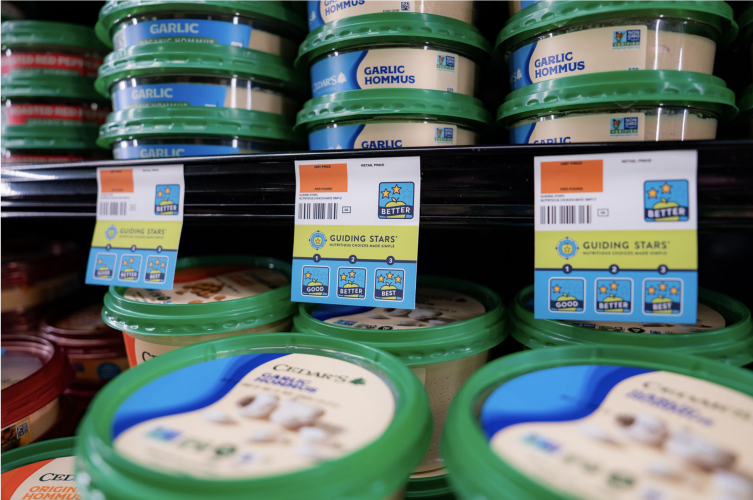
Despite this confusion, the survey also highlighted a critical opportunity: nine out of ten shoppers reported consulting at least one element of a food package before making a purchase. This insight led to the development of the Guiding Stars system. To ensure the program remained objective and insulated from commercial interests, an independent scientific advisory panel was convened to develop a patented rating algorithm. This system was designed to leverage the latest standards from national and international health organizations, translating complex nutrition facts into a simple visual cue: one, two, or three stars indicating "good," "better," or "best" nutritional value.
The 2000s: The Low-Carb Revolution and the Launch of a Standard
The first decade of the 2000s was dominated by the resurgence of low-carbohydrate eating. While Dr. Robert Atkins had introduced his "Diet Revolution" in the 1970s, it reached a mainstream fever pitch in the early 2000s. The Atkins Diet and its successor, the South Beach Diet, encouraged the restriction of carbohydrates in favor of fats and proteins. During this era, the "glycemic index" became a household term, and grocery shelves were flooded with "low-carb" versions of bread, pasta, and snacks.
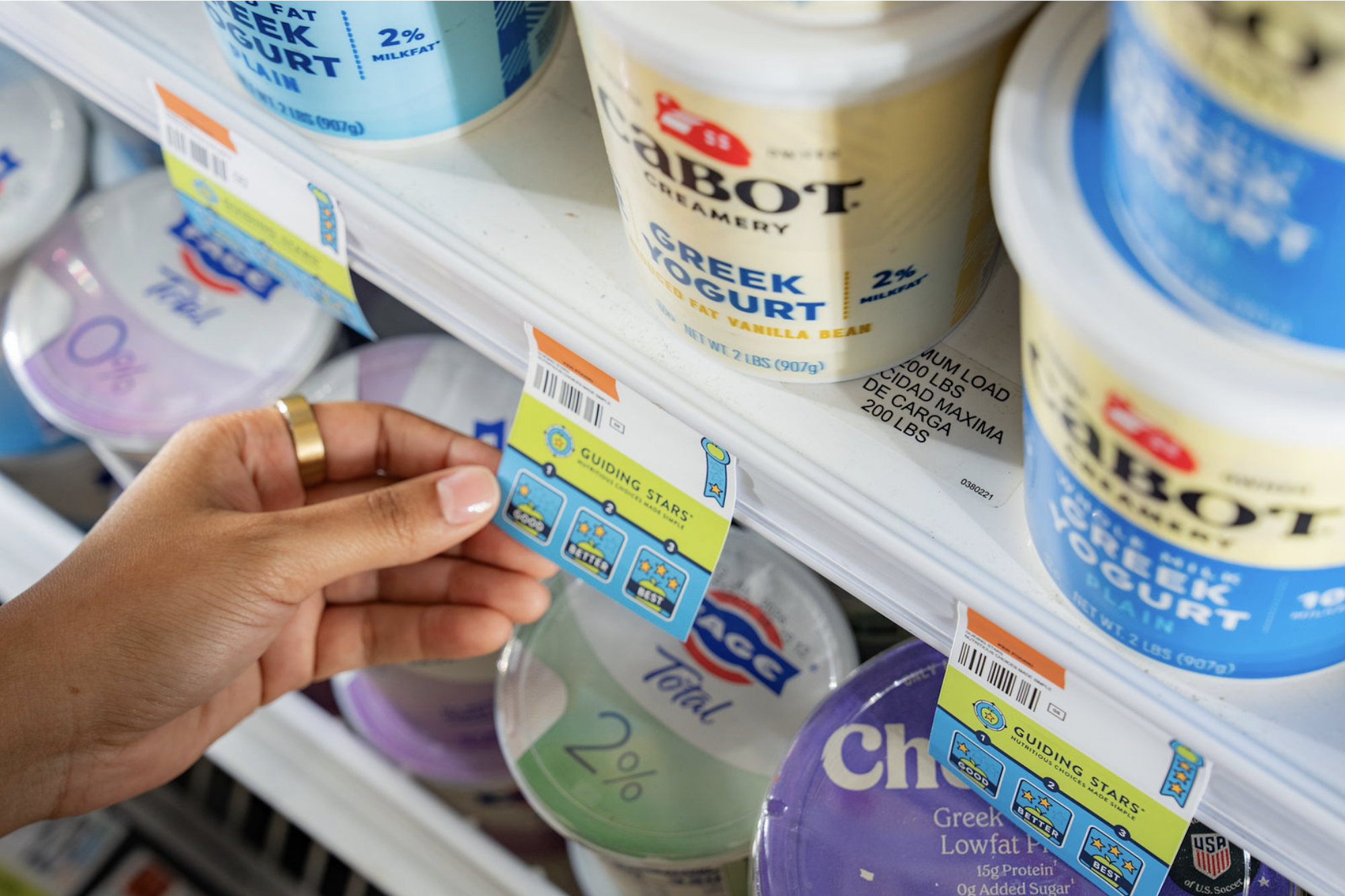
While the public was counting grams of carbohydrates, the 2005 Dietary Guidelines for Americans emphasized a more nuanced approach: nutrient density and ingredient diversity. The guidelines advocated for a balance of fiber-rich fruits, vegetables, and whole grains—many of which were being shunned by strict low-carb dieters. Guiding Stars entered the market in 2006 to bridge this gap, providing a system that rewarded foods high in fiber and whole grains while penalizing those with high levels of trans fats and added sugars. By 2009, the program’s impact was recognized at the highest levels of government; the U.S. Surgeon General cited Guiding Stars as a successful model for improving nutrition during the Centers for Disease Control and Prevention’s (CDC) inaugural Conference on Obesity Prevention.
The Early 2010s: Ancestral Eating and the Liquid Diet Trend
As the low-carb craze matured, the early 2010s saw the rise of "ancestral eating" via the Paleolithic (Paleo) diet. This movement encouraged consumers to eat like hunter-gatherers, cutting out legumes, grains, and dairy. Simultaneously, the "juice cleanse" boom took hold, fueled by the emergence of high-end cold-pressed juice brands and social media influencers. Although healthcare professionals frequently warned that juice fasts could lead to nutrient deficiencies and were essentially "crash diets," the allure of a "body detox" remained a powerful marketing tool.
During this period, federal guidance evolved from the "Food Pyramid" to the "MyPlate" system. This shift provided a simpler visual representation of a healthy meal: half the plate dedicated to fruits and vegetables. Guiding Stars mirrored this evolution by refining its own algorithms. In response to mounting evidence regarding the metabolic impact of sweeteners, the program’s scientific advisory panel implemented more conservative limits for added sugars. This adaptability proved crucial; a 2013 study published in the journal Food Policy by the U.S. Department of Agriculture (USDA) found that the presence of Guiding Stars shelf tags significantly shifted consumer demand toward more nutritious food choices, proving that simple, front-of-pack scoring could alter purchasing behavior.
The Mid-to-Late 2010s: The Plant-Based Meat Explosion
The latter half of the 2010s was defined by a surge in "flexitarianism" and the rapid growth of the plant-based meat industry. Upstart brands utilized food technology to create meat alternatives that mimicked the taste and texture of beef and pork, appealing to consumers’ concerns about climate change and animal welfare. A 2019 IFIC survey indicated that over 70 percent of Americans who tried these products did so out of curiosity or a desire to sample new food technologies.
However, the 2015 Dietary Guidelines for Americans introduced a pivotal shift in philosophy: focusing on overall eating patterns rather than isolated nutrients. This recognized that health is the result of cumulative choices rather than the consumption of a single "superfood" or the avoidance of a single "villain" ingredient. Guiding Stars adapted by updating its scoring for dietary cholesterol and Omega-3 fatty acids, reflecting the latest consensus that not all fats are created equal. By this time, the program had expanded to cover more than 2,400 stores across 22 U.S. states and parts of Canada, becoming the largest nutrition guidance program in North America.
The 2020s: Gut Health, GLP-1s, and the Chronic Disease Crisis
The current decade has seen a rapid pivot toward "functional" nutrition, with a focus on gut health, the microbiome, and fermented foods. However, the most significant disruption to the nutritional landscape has been the cultural and medical rise of GLP-1 receptor agonists, such as Ozempic and Mounjaro. These medications, originally designed for type 2 diabetes, have transformed the conversation around weight loss, shifting the focus from willpower to biological and hormonal regulation.
Despite these medical advancements, the United States remains in the grip of a chronic disease epidemic. Data from the CDC indicates that more than 60 percent of Americans live with at least one chronic disease—such as heart disease, diabetes, or hypertension—and 40 percent have two or more. The economic burden of these conditions is measured in the hundreds of billions of dollars in healthcare costs and lost productivity.
In response, Guiding Stars has continued to accelerate its scientific updates. In 2022, the program launched a dedicated beverage algorithm to address the unique nutritional profile of liquid calories. Further updates in 2023, 2024, and 2025 have refined the program’s stance on non-nutritive sweeteners and aligned its criteria with the most recent federal dietary guidelines for infants and toddlers.
Analysis of Implications and the Future of Nutrition Guidance
The 20-year trajectory of Guiding Stars illustrates a fundamental truth in public health: while diet fads are temporary, the need for evidence-based navigation is permanent. The program’s longevity is attributed to its "evergreen" nature—the ability to update its backend algorithm without confusing the consumer with new branding or symbols. The apple icon remains a constant, even as the science behind it becomes more sophisticated.
Looking forward, the integration of nutrition guidance into digital platforms—apps, online grocery carts, and smart kitchen appliances—represents the next frontier. As retailers and healthcare providers increasingly embrace the "Food as Medicine" movement, programs like Guiding Stars are positioned to serve as the connective tissue between clinical advice and the grocery aisle.
The broader impact of such programs extends beyond individual health. By shifting consumer demand, they provide a financial incentive for food manufacturers to reformulate their products, reducing sodium and added sugars to earn more stars. In an era where "ultra-processed foods" are under intense scrutiny, the transparent, science-led approach of Guiding Stars offers a rare point of clarity, helping millions of people make small, incremental changes that, over twenty years, contribute to a more resilient public health landscape.
