

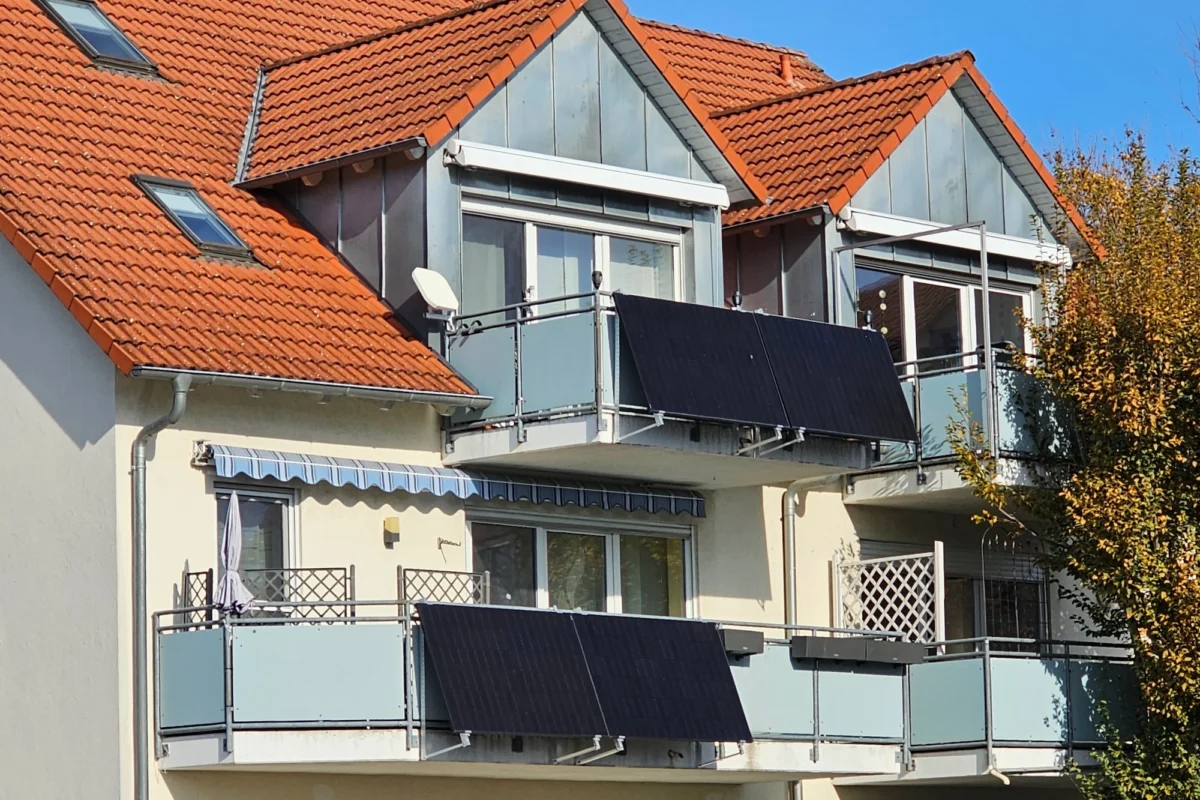
The landscape of American renewable energy is undergoing a quiet but significant shift as solar technology moves from the sprawling rooftops of suburban homes to the modest railings of urban apartments. Known as "balcony solar" or "plug-in solar," these compact systems represent a new frontier in energy democracy, offering renters and high-density dwellers a path to energy independence that was previously reserved for homeowners. While the technology has already reached a fever pitch in Europe—most notably in Germany, where millions of units are already in operation—the United States is only now beginning to dismantle the complex web of regulatory, safety, and utility-based barriers that have historically hindered its adoption.
Balcony solar systems typically consist of one or two solar panels equipped with integrated micro-inverters. Unlike traditional rooftop arrays, which require professional installation, extensive wiring, and complex permitting, these units are designed for a "plug-and-play" experience. A user simply mounts the panels to a balcony railing or sets them up on a sun-drenched patio and connects the system directly into a standard 120-volt wall outlet. Once plugged in, the solar energy flows into the home’s internal wiring, where it is consumed by appliances like refrigerators, computers, and Wi-Fi routers, thereby reducing the amount of electricity drawn from the municipal grid.
The Economic Equation and Consumer Appeal
The primary driver behind the burgeoning interest in balcony solar is economic. According to data from the solar marketplace EnergySage, a standard balcony system—typically ranging from 400 to 800 watts—costs between $500 and $1,500. For an urban resident, this represents a relatively low-stakes entry point into renewable energy. Depending on local utility rates and the geographic location’s solar irradiance, these systems can shave $15 to $50 off a monthly electricity bill.
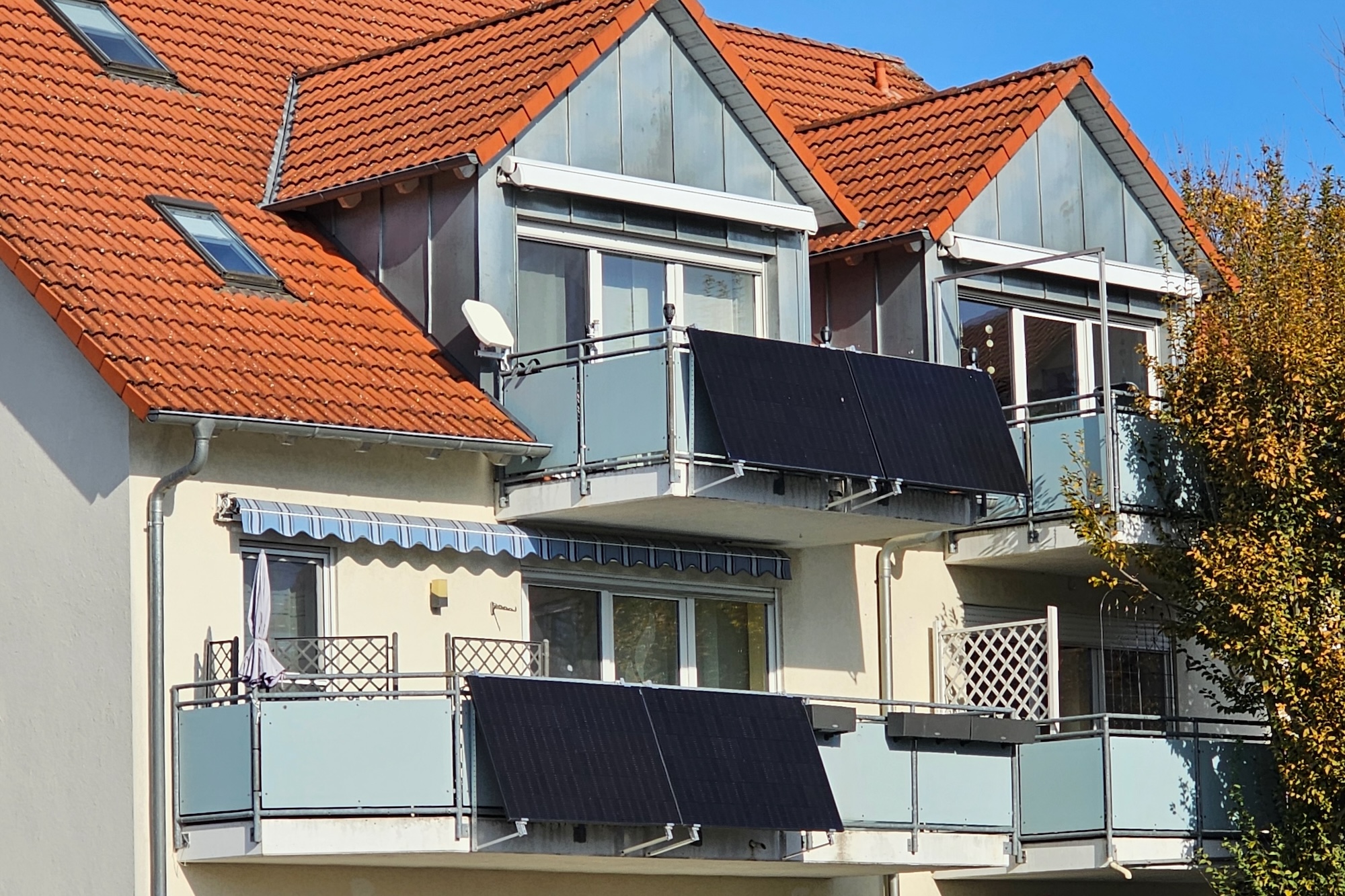
While a $500 to $1,500 investment might take approximately eight to ten years to pay for itself through energy savings alone, the value proposition extends beyond simple ROI. For the roughly 44 million renter households in the United States, traditional rooftop solar is an impossibility. Balcony solar provides these residents with a tangible way to hedge against rising utility costs and contribute to decarbonization efforts. Furthermore, the portability of these systems is a major selling point; when a tenant moves, they can simply unplug their panels and take their "power plant" to their next residence.
In contrast, rooftop solar systems average around 12 kilowatts and offer much deeper savings, but they come with price tags often exceeding $20,000 before incentives. By filling the gap between "no solar" and "full rooftop solar," balcony units are democratizing access to the sun’s energy.
Lessons from the European Boom
To understand the potential trajectory of the U.S. market, analysts frequently point to Germany. The German "Balkonkraftwerk" movement was catalyzed by a combination of high energy prices following the invasion of Ukraine and a concerted effort by the government to simplify bureaucracy. In Germany, the registration process for small solar devices was streamlined into a simple online notification, and technical standards were adjusted to allow for higher wattage outputs through standard plugs.
By early 2026, Germany reported over 4 million registered balcony units. This mass adoption has been supported by "right to plug" legislation, which prevents landlords and homeowner associations (HOAs) from blocking solar installations without a compelling reason. The German experience demonstrates that when the barriers of cost and red tape are removed, public appetite for decentralized energy is immense.

The U.S. Regulatory Landscape: A Timeline of Change
In the United States, the journey toward widespread balcony solar adoption has been more arduous, characterized by a patchwork of local building codes and utility resistance. However, a series of recent milestones suggests the tide is turning.
The Utah Breakthrough (2025): Utah became a pioneer in the space by passing legislation specifically designed to remove utility and property-based obstacles for plug-in solar. The state’s "deep red" political landscape provided a surprising backdrop for the movement, framed largely as an issue of property rights and energy independence. However, the initial rollout faced a "chicken and egg" problem: the law required devices to be certified by a recognized testing laboratory, but no specific safety standard for plug-in systems existed at the time.
The UL 3700 Standard (January 2026): The regulatory logjam began to clear in early 2026 when UL Solutions, a global leader in safety science, announced the launch of the UL 3700 standard. This framework established a dedicated testing and certification program for the entire plug-in solar system rather than just its individual components.
Robert Slone, UL Solutions’ chief scientist and vice president, noted that the certification is a "major step forward" in removing the uncertainty that has kept insurance companies and building inspectors wary of the technology. The certification ensures that the devices meet rigorous standards for electrical safety, including "anti-islanding" protection, which ensures the panels stop sending power to the outlet if the grid goes down, preventing injury to utility workers.

The Virginia Initiative (May 2026): The momentum shifted to the East Coast in mid-2026. Virginia Governor Abigail Spanberger signed a bipartisan bill that streamlined the permitting process for balcony solar and rooftop systems alike. During the signing ceremony, Spanberger emphasized that diversifying energy sources makes families less exposed to market volatility. The Virginia law is seen as a model for other states, as it balances the rights of the tenant with reasonable safety notifications for landlords.
Technical Challenges and Grid Integration
Despite the progress, balcony solar is not without its "catches." From a technical standpoint, these systems are not powerful enough to take a home "off-grid." An 800-watt system might cover the "baseload" of a home—the constant hum of essential electronics—but it cannot power high-demand appliances like central air conditioning or electric ovens.
There is also the matter of "backfeeding." In a traditional solar setup, excess energy is sent back to the grid, often earning the homeowner credits through net metering. Most balcony systems, however, are designed for "self-consumption." If the panels produce more energy than the home is using at a specific moment, that energy may flow back into the grid through the meter without the resident receiving credit, depending on the type of meter installed.
Furthermore, the "plug-and-play" nature of the devices has raised concerns among some electrical inspectors regarding the "overloading" of household circuits. If a solar panel is feeding 5 amps into a circuit while a hair dryer is drawing 15 amps from the same circuit, the total current on that wire could exceed its rated capacity without tripping the breaker. This is why the new UL 3700 standards and updated National Electrical Code (NEC) guidelines are critical; they often require specific limits on the wattage allowed to be plugged into a single branch circuit.

Implications for the Future of Energy
The rise of balcony solar is a key component of the broader shift toward Distributed Energy Resources (DERs). As the U.S. power grid faces increasing strain from extreme weather and the electrification of transport, small-scale, local generation helps reduce the burden on centralized infrastructure.
Advocacy groups like Brightsaver have tracked a "flood" of legislative interest following the successes in Utah and Virginia. As of April 2026, 10 states have passed supportive legislation, and 35 others have introduced similar bills. This legislative wave is expected to force a reconciliation between the "Right to Solar" and the restrictive bylaws of HOAs, which have historically cited aesthetics as a reason to ban visible solar panels.
The implications for urban planning and social equity are profound. For decades, the benefits of the solar revolution—lower bills, tax credits, and increased property value—were largely cordoned off for the wealthy and the landed. Balcony solar breaks that mold. By allowing a renter in a third-floor walk-up to participate in the green economy for the price of a mid-range television, the technology is transforming solar from a luxury upgrade into a common household appliance.
As certification programs like UL 3700 become the industry standard and more states adopt "plug-in friendly" laws, the sight of sleek black panels hanging from apartment railings may soon become as common in American cities as it is in Berlin or Munich. The transition reflects a maturing view of the grid: no longer just a one-way street from power plant to consumer, but a dynamic ecosystem where every balcony has the potential to be a source of clean, independent power.
