

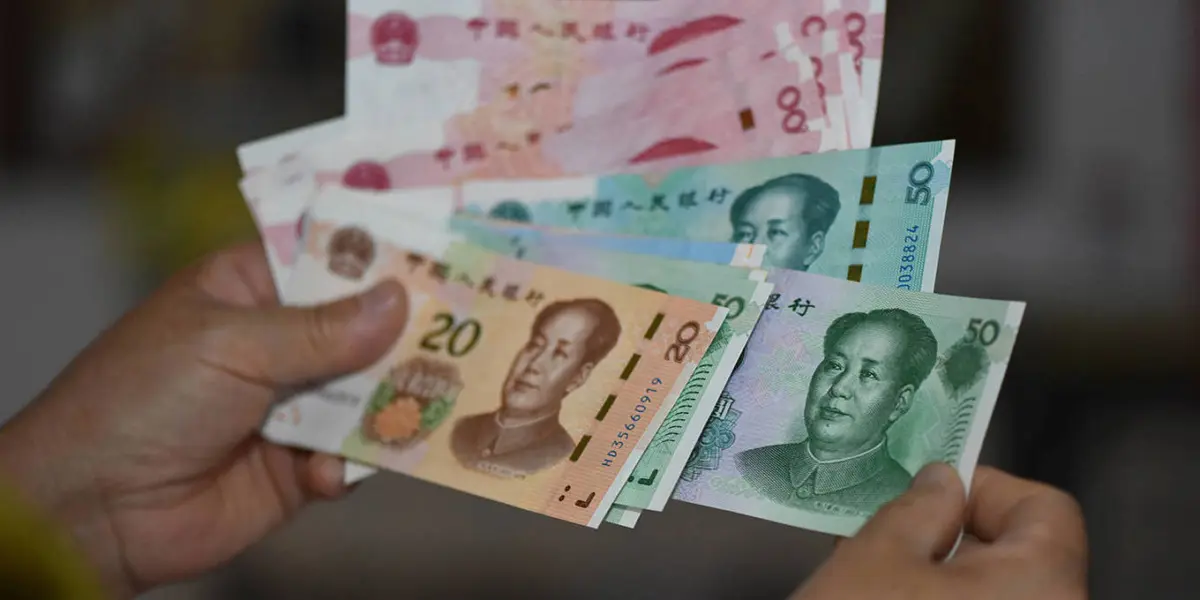
BEIJING – The renminbi, China’s national currency, has once again become a focal point in global discussions surrounding macroeconomic imbalances. With China’s merchandise trade surplus surging to a record $1.2 trillion in 2025, a figure that underscores the nation’s escalating dominance in global manufacturing, a broad consensus has emerged among financial and economic commentators. This prevailing view posits that the renminbi is significantly undervalued, with some analyses suggesting a depreciation of as much as 30 percent. The implication is clear: China should allow its currency to appreciate sharply. Proponents of this view argue that such an appreciation would not only shrink China’s trade surplus but also alleviate competitive pressures on manufacturers in other nations, ultimately contributing to a more balanced global economy. However, a closer examination reveals that the renminbi’s perceived weakness is not merely an external phenomenon to be corrected through currency adjustments, but rather a symptom of underlying issues within China’s domestic demand, and that a simplistic pursuit of currency appreciation without addressing these fundamental challenges could prove counterproductive for all parties involved.
The Escalating Trade Surplus and the Undervaluation Argument
China’s merchandise trade surplus reached an unprecedented $1.2 trillion in 2025, a stark indicator of the nation’s robust export performance. This figure represents a significant increase from previous years, reflecting the growing competitiveness and capacity of China’s manufacturing sector on the world stage. As China’s industrial output has expanded and its supply chains have become increasingly sophisticated, its ability to produce goods at competitive prices has solidified its position as the "world’s factory."
This widening trade surplus has inevitably reignited debates about currency valuation. The prevailing economic theory suggests that persistent, large trade surpluses are often associated with undervalued currencies. A weaker currency makes a nation’s exports cheaper for foreign buyers and imports more expensive for domestic consumers, thus boosting exports and dampening imports, leading to a larger trade surplus. Commentators, citing various economic models and analyses, have concluded that the renminbi is undervalued by a substantial margin, perhaps as much as 30 percent.
The implications of this perceived undervaluation are significant. For countries running trade deficits with China, a stronger renminbi would mean that Chinese goods become more expensive, potentially boosting domestic industries and reducing reliance on imports. Globally, a rebalancing of trade flows would be facilitated, moving away from the current structure where a few nations are consistent surplus generators while others are persistent deficit holders.
Underlying Weakness in Domestic Demand
Despite the impressive export figures, the narrative of a simply undervalued currency overlooks a crucial element: the state of China’s domestic demand. The renminbi’s weakness, in large part, is a reflection of subdued domestic consumption and investment. Several factors contribute to this:
- Post-Pandemic Recovery: While China was among the first nations to emerge from the initial COVID-19 lockdowns, its subsequent economic recovery has been uneven. Consumer confidence, a key driver of domestic demand, has faced headwinds from a fluctuating property market, concerns about job security, and the lingering effects of earlier stringent public health measures.
- Property Market Concerns: The Chinese property sector, a significant contributor to the nation’s GDP and household wealth, has experienced a period of deleveraging and restructuring. This has led to reduced investment in new construction, dampened consumer spending on related goods and services, and a general sense of caution among households.
- Geopolitical Tensions and Global Economic Slowdown: Rising geopolitical uncertainties and a broader global economic slowdown have also impacted China’s domestic economy. Reduced external demand for Chinese goods, coupled with a more cautious approach from foreign investors, can translate into lower domestic business confidence and investment.
- Savings Rates: Faced with economic uncertainties, Chinese households have historically exhibited a propensity to save. While this has always been a feature of the Chinese economy, a sustained period of elevated savings rates can directly impact the level of consumption.
When domestic demand is weak, businesses often rely more heavily on exports to maintain production levels and profitability. This reliance on external markets, in turn, can exert downward pressure on the renminbi. A weaker currency becomes not just a tool for trade advantage but also a consequence of a less vibrant domestic economy.
The Counterproductive Nature of Unilateral Currency Appreciation
The prevalent call for China to deliberately engineer a sharp appreciation of the renminbi, without fundamentally addressing its domestic demand issues, risks being counterproductive.
- Impact on Exporters: A rapid and significant appreciation of the renminbi would immediately make Chinese exports more expensive in international markets. While this might align with the goal of reducing the trade surplus, it could also cripple export-oriented industries that are already operating on thin margins. Many of these businesses are small and medium-sized enterprises (SMEs) that are crucial for employment. A sudden appreciation could lead to reduced orders, production cuts, and job losses, exacerbating domestic economic woes.
- Stifling Domestic Recovery: If the government prioritizes currency appreciation, it might divert policy attention and resources away from measures needed to stimulate domestic demand. Policies aimed at boosting consumption, such as targeted fiscal stimulus, social safety net enhancements, or measures to support the property market, could be sidelined. This would mean missing an opportunity to foster sustainable, domestically driven growth.
- Global Economic Implications: While proponents of renminbi appreciation aim for global rebalancing, a sudden shock to China’s export sector could have ripple effects. Reduced Chinese exports could lead to higher prices for some imported goods in other countries, potentially fueling inflation rather than easing it. Furthermore, a significant economic slowdown in China, stemming from an overvalued currency and weak domestic demand, would negatively impact global growth given China’s substantial role in the world economy.
- Loss of Competitiveness: For sectors where China has built a strong competitive advantage through years of investment and innovation, artificially strengthening the currency could erode this hard-won position, making it difficult to regain market share even if domestic demand eventually recovers.
Historical Context and Policy Considerations
The debate over the renminbi’s valuation is not new. In the mid-2000s, international pressure mounted on China to allow its currency to appreciate against the US dollar, with similar arguments about global imbalances. China did gradually allow the renminbi to strengthen over several years, a process that was managed to mitigate negative impacts on its export sector. However, the current global economic environment, characterized by higher inflation, geopolitical fragmentation, and differing recovery trajectories, presents a more complex backdrop.
The Chinese government’s policy approach has historically emphasized stability and gradualism. While acknowledging the need for a more market-determined exchange rate over the long term, Beijing has also prioritized maintaining economic growth and employment. This suggests that any adjustments to the renminbi’s valuation would likely be carefully managed, with a focus on avoiding abrupt shocks.
Potential Policy Pathways and Future Outlook
Instead of a singular focus on currency appreciation, a more balanced and sustainable approach would involve a two-pronged strategy:
-
Stimulating Domestic Demand: The Chinese government could implement a range of policies to boost domestic consumption and investment. This might include:
- Fiscal Support: Targeted tax cuts for households, increased government spending on public services and infrastructure projects that directly benefit consumers, and enhanced social welfare programs.
- Monetary Policy Adjustments: While not necessarily leading to rate cuts, monetary policy could be calibrated to ensure ample liquidity and support credit growth for domestic businesses and consumers.
- Property Market Stabilization: Implementing measures to restore confidence in the property sector, such as providing support for struggling developers and ensuring the completion of pre-sold homes, could have a significant positive impact on household wealth and spending.
- Boosting Household Income: Policies aimed at increasing real wages and improving job security would naturally lead to higher consumption.
-
Managed Exchange Rate Adjustments: Should domestic demand pick up and the underlying economic fundamentals strengthen, the renminbi might naturally appreciate. In such a scenario, any managed appreciation would be less disruptive and more reflective of genuine economic strength. Furthermore, gradual adjustments, accompanied by clear communication and forward guidance, would allow businesses and markets to adapt more effectively.
Expert and Official Reactions (Inferred)
While direct quotes from specific officials or commentators are not provided in the source material, based on typical policy discussions, one could infer the following types of reactions:
- International Financial Institutions (e.g., IMF, World Bank): Likely to continue advocating for a more flexible exchange rate regime and a reduction in trade imbalances, while also acknowledging the complexities of China’s domestic economic situation. They might urge China to balance its export strategy with policies that boost domestic consumption.
- Foreign Governments (particularly those with large trade deficits with China): Would likely welcome any move towards renminbi appreciation, viewing it as a step towards fairer trade practices. However, they might also express concerns about the potential impact on global supply chains and the risk of China’s domestic economic slowdown.
- Chinese Policymakers: Would likely emphasize a commitment to both economic growth and exchange rate stability, arguing that a strong domestic economy is the ultimate foundation for a stable currency. They might highlight the challenges of managing a large, complex economy and the need for careful, gradual policy adjustments. They would likely reject calls for rapid, artificial appreciation as detrimental to their economic objectives.
- Economic Commentators: Those focused on trade imbalances would continue to push for currency appreciation, while those with a deeper understanding of China’s internal dynamics would likely echo the sentiment that domestic demand is the primary issue to address.
Broader Impact and Implications
The resolution of the renminbi valuation debate has far-reaching implications for the global economy. A China that successfully transitions towards a more domestically driven growth model, with a currency that reflects its underlying economic strength rather than just export competitiveness, would represent a more balanced and sustainable global economic order.
Conversely, if China remains heavily reliant on exports due to persistently weak domestic demand, and if its currency remains artificially low, it could continue to contribute to global trade tensions and hinder the economic recovery of other nations. The ongoing discussion around the renminbi underscores the interconnectedness of global economies and the intricate relationship between currency valuations, trade balances, and domestic economic health. Ultimately, the path forward for the renminbi, and its role in global economic rebalancing, will be determined by China’s ability to foster robust domestic demand and manage its currency in a way that supports sustainable, inclusive growth. The current situation serves as a potent reminder that currency strength is often a reflection, not a cause, of underlying economic vitality.
