

By Nina L. Khrushcheva
Oct 13, 2026
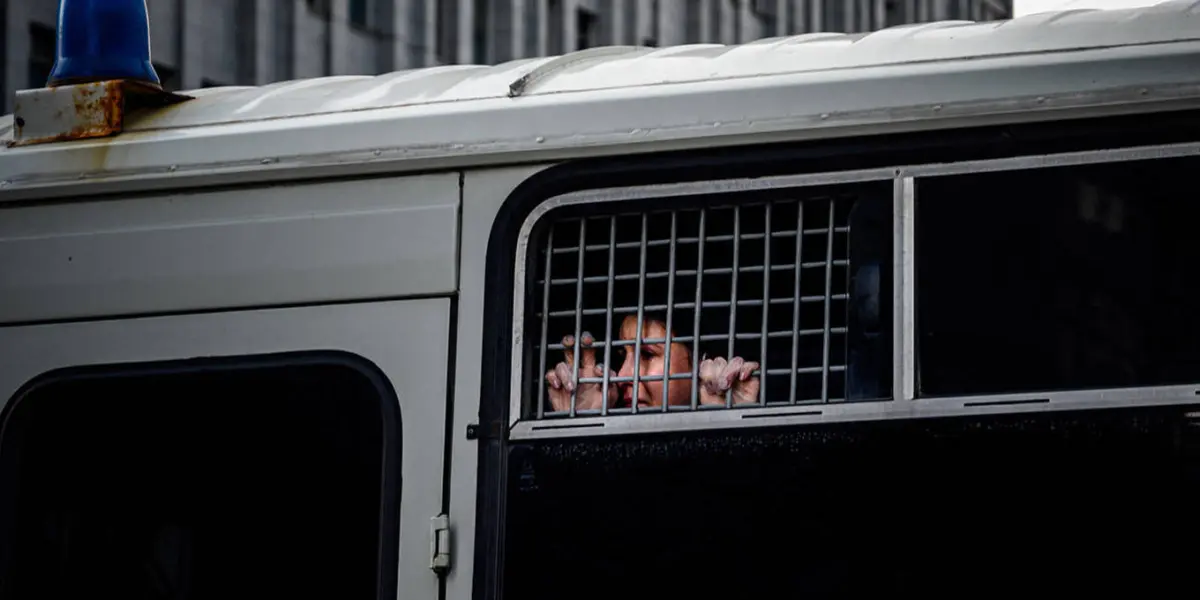
NEW YORK – In stark contrast to historical periods of profound upheaval and state-sponsored brutality in Russia, such as the Stalinist Great Terror, contemporary repression in the nation appears to lack a discernible, overarching objective beyond the perpetuation of the ruling apparatus itself. While past eras of suffering, however abhorrent, were often framed by a narrative of societal transformation or national advancement, the current climate of control and persecution in Russia offers no such justification, leaving a disquieting sense of aimlessness and futility.
This stark assessment is underscored by recent events, including the case of prominent political analyst Alexander Kynev. On September 25, a Moscow court ordered Kynev to pretrial detention, citing charges of "large-scale illegal drug production, sale, and trafficking." This accusation carries a potential prison sentence of 10 to 20 years. Crucially, however, no public evidence has been presented to substantiate Kynev’s alleged involvement in any illicit drug-related activities.
Background of the Kynev Case
Alexander Kynev is a respected figure in Russian political analysis, known for his critical insights into the country’s governance and societal trends. His arrest, particularly on charges that appear unsubstantiated in the public domain, has drawn significant attention and concern from observers of Russian civil society and academic circles. The timing of his detention, coupled with the nature of the charges, suggests to many a politically motivated action aimed at silencing critical voices.
The use of drug charges as a pretext for detaining political opponents is not unprecedented in Russia. Such tactics have been employed in the past to discredit and incapacitate individuals deemed a threat to the established order. The lack of transparency surrounding the evidence against Kynev amplifies these concerns, raising questions about the legitimacy of the judicial process and the motivations behind his arrest.
A Pattern of Escalating Repression
Kynev’s situation is emblematic of a broader trend of escalating repression within Russia. Over the past several years, the Russian government has systematically curtailed freedoms of speech, assembly, and association. This has manifested in a variety of ways, including:
- Legislation Restricting Dissent: A series of laws have been enacted that broadly define "foreign agents," "undesirable organizations," and "extremism," often used to target independent media, human rights groups, and individual activists. These laws carry severe penalties, including hefty fines and imprisonment.
- Crackdown on Independent Media: Numerous independent news outlets have been forced to cease operations or flee the country, often labeled as "foreign agents" or "undesirable." This has severely limited the information available to the Russian public and stifled public discourse.
- Suppression of Protests: Peaceful protests have been met with increasingly harsh responses, including mass arrests, disproportionate use of force, and lengthy prison sentences for participants.
- Targeting of Critics: Prominent critics of the government, including opposition leaders, journalists, and academics, have faced harassment, arbitrary detention, and politically motivated prosecutions. The poisoning and subsequent imprisonment of Alexei Navalny remain a stark example of this trend.
Historical Parallels and Divergences
To understand the current Russian predicament, it is instructive to draw comparisons with previous periods of intense state control. During Stalin’s Great Terror (1936-1938), for instance, millions were arrested, imprisoned, or executed under a pervasive atmosphere of fear and suspicion. While the scale of brutality was immense, the regime propagated a narrative of purging internal enemies to safeguard the revolution and propel the Soviet Union towards a utopian communist future. This provided a twisted, albeit deeply flawed, justification for the suffering inflicted upon the populace.
Similarly, during periods of Tsarist autocracy or earlier Soviet crackdowns, there was often an ideological undercurrent – be it the preservation of the monarchy, the establishment of a new social order, or the defense of the state against perceived external threats. The suffering, however immense, was presented as a necessary sacrifice for a greater, albeit often elusive, national or ideological goal.
The current era in Russia presents a different, and arguably more disturbing, phenomenon. The repression does not appear to be driven by a grand ideological vision or a promised future utopia. Instead, it seems primarily aimed at consolidating and perpetuating the power of the current state apparatus and its leadership. The narrative is less about building a new world and more about maintaining the existing one, even at the cost of widespread fear and the erosion of fundamental rights.
Supporting Data and Trends
Statistical data, where available and reliable, reflects the intensification of state control. Reports from human rights organizations consistently document an increase in politically motivated arrests and prosecutions. For example, data from organizations monitoring political prisoners in Russia has shown a steady rise in individuals detained for exercising their rights to free speech and assembly. While specific numbers fluctuate and are subject to different reporting methodologies, the overall trend indicates a tightening grip on civil liberties.
Furthermore, public opinion surveys, despite the challenges of conducting objective research in an environment of state-controlled media and potential self-censorship, suggest a growing sense of unease and a reluctance among some segments of the population to express dissenting views openly. This chilling effect on public discourse is a direct consequence of the pervasive atmosphere of surveillance and potential reprisal.
Official Responses and State Narratives
The Russian government, when commenting on such cases, typically frames them as matters of law enforcement and national security. Accusations of politically motivated persecution are generally dismissed as Western propaganda or attempts to interfere in Russia’s internal affairs. Official statements often emphasize the need to combat extremism, foreign interference, and threats to stability.
In cases like Alexander Kynev’s, the official narrative would likely focus on the alleged criminal nature of the charges, portraying the individual as a lawbreaker rather than a political dissident. The lack of public evidence would be explained by ongoing investigations or the protection of sensitive information related to law enforcement operations.
Broader Impact and Implications
The current trajectory of repression in Russia carries profound implications, both domestically and internationally.
Domestically:
The relentless crackdown on dissent and the erosion of fundamental freedoms create a society characterized by fear and self-censorship. This stifles innovation, discourages critical thinking, and hinders the development of a robust civil society. The absence of genuine public debate and the suppression of alternative viewpoints can lead to policy decisions that are disconnected from the needs and aspirations of the population. Moreover, the perpetuation of a system that prioritizes state control over individual rights risks long-term societal stagnation and a deepening disconnect between the government and its citizens. The perception that repression serves no higher purpose than self-preservation can breed cynicism and apathy, undermining social cohesion and the potential for positive change.
Internationally:
The ongoing repression within Russia contributes to a climate of international tension and mistrust. The country’s increasing assertiveness on the global stage, coupled with its internal policies of control, raises concerns among democratic nations about its long-term intentions and its adherence to international norms and human rights standards. The silencing of critical voices within Russia also limits the ability of the international community to gain a nuanced understanding of the country’s internal dynamics, potentially leading to miscalculations and exacerbating geopolitical friction. The lack of a clear, forward-looking vision driving the repression could suggest a regime that is primarily focused on maintaining its immediate grip on power, making its future actions unpredictable and potentially destabilizing.
The enduring question for Russia and the world remains: what is the ultimate destination of this path of relentless, seemingly purposeless repression? The absence of a justifiable end goal suggests a nation trapped in a cycle of its own making, where the machinery of control has become an end in itself, with profound and uncertain consequences for its people and its place in the world.
