

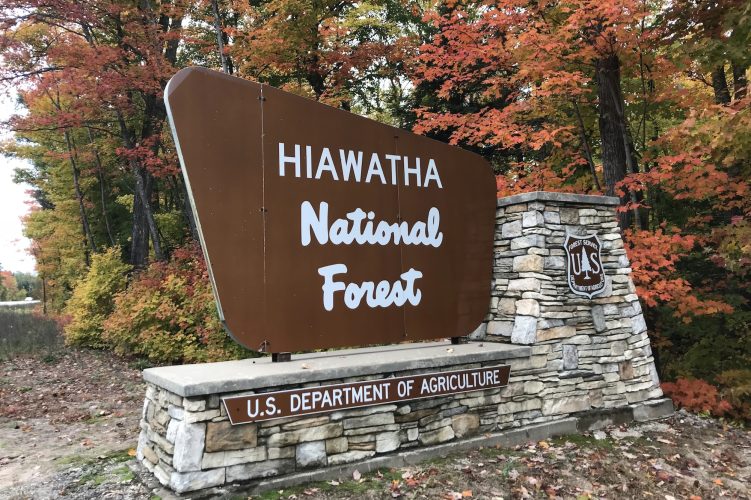
The United States Department of Agriculture (USDA) has initiated a sweeping reorganization of the U.S. Forest Service (USFS), a move that officials describe as a "common sense" modernization but which critics decry as a calculated effort to dismantle federal land protections. The overhaul, announced last month by U.S. Secretary of Agriculture Brooke L. Rollins, involves relocating the agency’s headquarters from Washington, D.C., to Salt Lake City, Utah, and transitioning to a decentralized, state-based organizational model. While the administration argues these changes will bring management closer to the lands being managed and bolster the domestic lumber industry, a broad coalition of outdoor recreation businesses, conservationists, and lawmakers is mobilizing to block the plan, citing legal concerns and the potential for a catastrophic loss of institutional expertise.
The Forest Service, an agency within the USDA, is responsible for the stewardship of 193 million acres of public land, including 154 national forests and 20 grasslands. Unlike the National Park Service, which focuses primarily on preservation, the Forest Service operates under a "multiple-use" mandate that balances timber harvesting, livestock grazing, and mining with water protection, wildlife habitat, and recreation. However, the new reorganization signals a definitive shift in priority toward extraction. Secretary Rollins explicitly linked the move to the need for "affordable, quality lumber to build homes," suggesting that increased industry access to public lands is a primary driver of the restructuring.
A Strategic Relocation and the "State-Based" Model
The centerpiece of the reorganization is the transfer of approximately 260 leadership and administrative positions from the nation’s capital to Salt Lake City. This move is accompanied by the elimination of the Forest Service’s nine long-standing regional offices. In their place, the USDA will establish 15 "State Director" positions, many of which will be situated in the Western United States. These directors will be tasked with intergovernmental coordination and legislative affairs, effectively giving state governments a more direct hand in the management of federal assets.
The choice of Utah for the new headquarters has proven particularly controversial. For decades, Utah has served as the epicenter of the "land transfer" movement—a political effort to shift control of federal lands to state authorities. Proponents of this movement, often supported by organizations like the American Legislative Exchange Council (ALEC), argue that states can manage lands more efficiently and profitably than the federal government. Opponents, however, fear that state control is a precursor to privatization or the lifting of environmental safeguards to benefit mining and logging interests. By embedding the USFS headquarters in a state that has actively sued the federal government for control of its public lands, the USDA is seen by critics as aligning itself with the very forces seeking to diminish federal oversight.
Historical Precedents and the Risk of Personnel Attrition
Conservationists argue that the relocation is not about efficiency, but about a "forced purge" of career civil servants. They point to a similar effort in 2019, during the first Trump administration, when the Bureau of Land Management (BLM) moved its headquarters to Grand Junction, Colorado. According to data from the Government Accountability Office (GAO), nearly 90 percent of the affected D.C.-based staff—roughly 287 employees—chose to resign or retire rather than relocate. The resulting loss of institutional memory and technical expertise crippled the agency’s ability to process permits and conduct environmental reviews for years.
The Biden administration eventually reversed the BLM move in 2021, but the current USDA leadership appears undeterred by that history. Tracy Stone-Manning, who led the BLM during the restoration process, recently characterized such relocations as "ticking time bombs" designed to "scatter" and "cripple" agencies. With the USFS already facing a 16 percent reduction in its workforce—nearly 5,900 employees—due to recent budget cuts, critics warn that another mass exodus of staff would leave national forests vulnerable to mismanagement, particularly during increasingly severe wildfire seasons.
Impact on Scientific Research and Fire Mitigation
The reorganization extends far beyond administrative offices; it strikes at the heart of the Forest Service’s scientific mission. The plan calls for the closure of 57 of the agency’s 77 local research stations. These facilities conduct vital work on forest health, pest control, carbon sequestration, and fire behavior. Under the new plan, thousands of research positions will be either eliminated or consolidated into a single hub in Fort Collins, Colorado. Forest Service Chief Tom Schultz admitted in recent congressional testimony that as many as 1,100 research positions could be lost in the process.

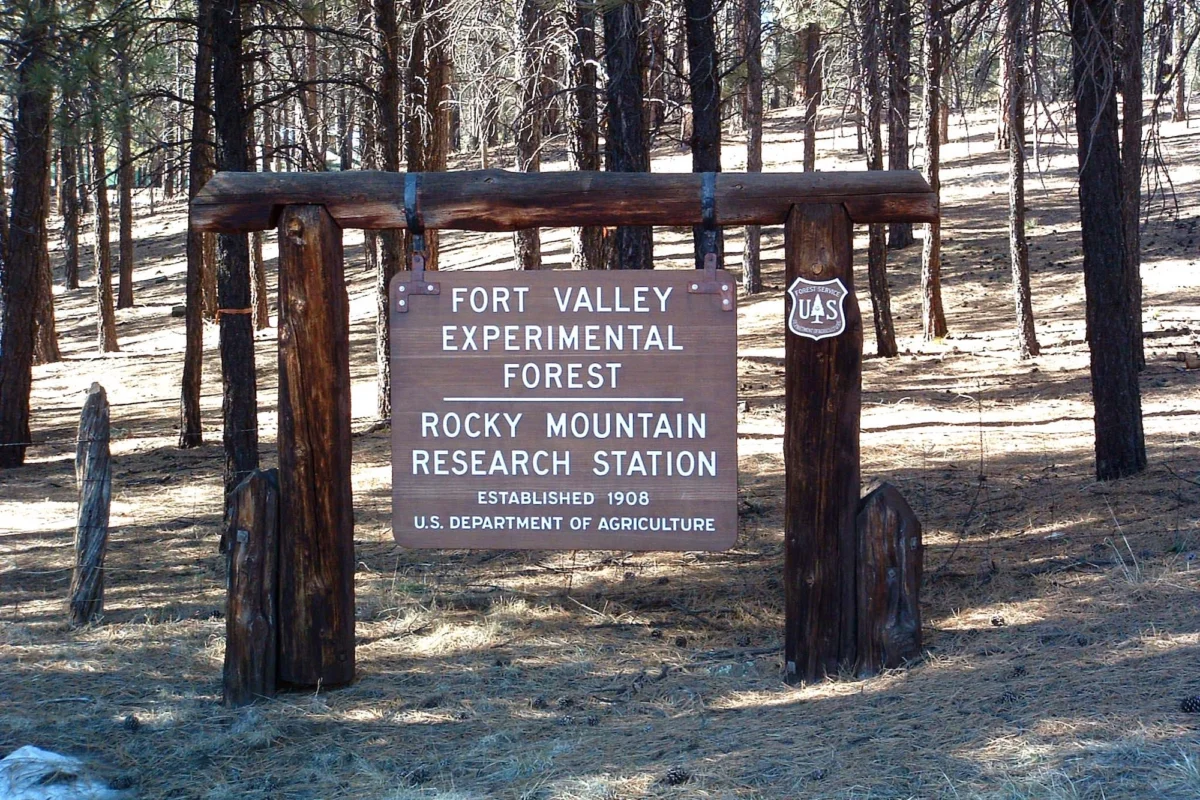
The timing of these cuts is particularly concerning to climate scientists. As the American West faces prolonged droughts and record-breaking wildfire activity, the Forest Service’s research into fire mitigation and forest resilience is more critical than ever. The closure of local stations like the Fort Valley Experimental Forest in Arizona—the first of its kind, established in 1908 to study ponderosa pine ecosystems—represents a significant retreat from science-based management. Julian Reyes, Chief of Staff for the Union of Concerned Scientists, described the move as an "irreversibly destructive" gutting of resources that will hamper the nation’s ability to respond to environmental crises.
The Economic Power of the Outdoor Recreation Industry
The opposition to the USDA’s plan is not limited to environmental activists; it includes some of the most prominent names in the American corporate landscape. The outdoor recreation economy is a powerhouse, contributing over $1 trillion to the U.S. Gross Domestic Product (GDP) and supporting millions of jobs. For companies like Patagonia, REI Co-op, Columbia Sportswear, and Orvis, the health and accessibility of national forests are fundamental to their business models.
More than 70 outdoor businesses have signed a collective letter through The Conservation Alliance, urging the administration to reconsider the reorganization. These companies argue that the shift toward extraction-heavy management threatens the "recreation economy" that sustains many rural Western communities. "The outdoor brands that built their entire business on public lands are speaking up because this is a direct threat to the landscapes our customers love," stated a representative from SaveUSFS, an advocacy group. They contend that while the lumber industry is important, it should not come at the expense of a recreation sector that provides consistent, long-term economic stability and promotes public health.
Legal Challenges and Congressional Oversight
The legality of the USDA’s unilateral move remains a subject of intense debate on Capitol Hill. Members of Congress from both parties have expressed skepticism regarding whether the Secretary of Agriculture has the authority to implement such a massive restructuring without legislative approval. House representatives have pointed out that significant changes to agency programs and the relocation of headquarters typically require appropriations and oversight from the relevant committees.

The administration’s decision to rescind the "Roadless Rule" in tandem with the reorganization has added further legal fuel to the fire. The Roadless Rule, established in 2001, protects roughly 58 million acres of national forest from road construction and timber harvesting. By removing these protections, the USDA is clearing the way for industrial development in previously pristine areas, a move that is almost certain to face a barrage of lawsuits from environmental groups and state attorneys general.
The Installation of Michael Boren and Conflict of Interest
Adding to the controversy is the leadership within the USDA. Michael Boren, a software billionaire and Idaho landowner, was recently installed as the Under Secretary for Natural Resources and Environment. Boren’s appointment has been criticized by organizations such as the Sierra Club and the Idaho Democratic Party, who describe him as a "walking conflict of interest." Boren has a history of legal clashes with the Forest Service over unauthorized developments on public lands, including an airstrip and a cabin. Critics argue that placing an individual with a history of challenging Forest Service regulations in a position of authority over the agency is a clear signal of the administration’s intent to prioritize private interests over public stewardship.
Broader Implications for the Future of Public Lands
The reorganization of the U.S. Forest Service represents a pivotal moment in the history of American conservation. Since the agency’s founding in 1905 under Gifford Pinchot and President Theodore Roosevelt, the "conservation ethic" has been central to its identity—the idea that public lands should be managed for the "greatest good of the greatest number in the long run."
By shifting toward a state-based model and prioritizing extraction, the current administration is challenging that century-old consensus. The potential loss of over 1,000 scientists and the relocation of hundreds of experienced administrators could leave the Forest Service a shadow of its former self, unable to manage the complex challenges of the 21st century, from climate change to the surging demand for outdoor recreation. As the battle moves to the courts and the halls of Congress, the fate of 193 million acres of American wilderness hangs in the balance, with recreationists, industry leaders, and scientists all watching closely to see if the "chainsaw in broad daylight" will be allowed to proceed.
