

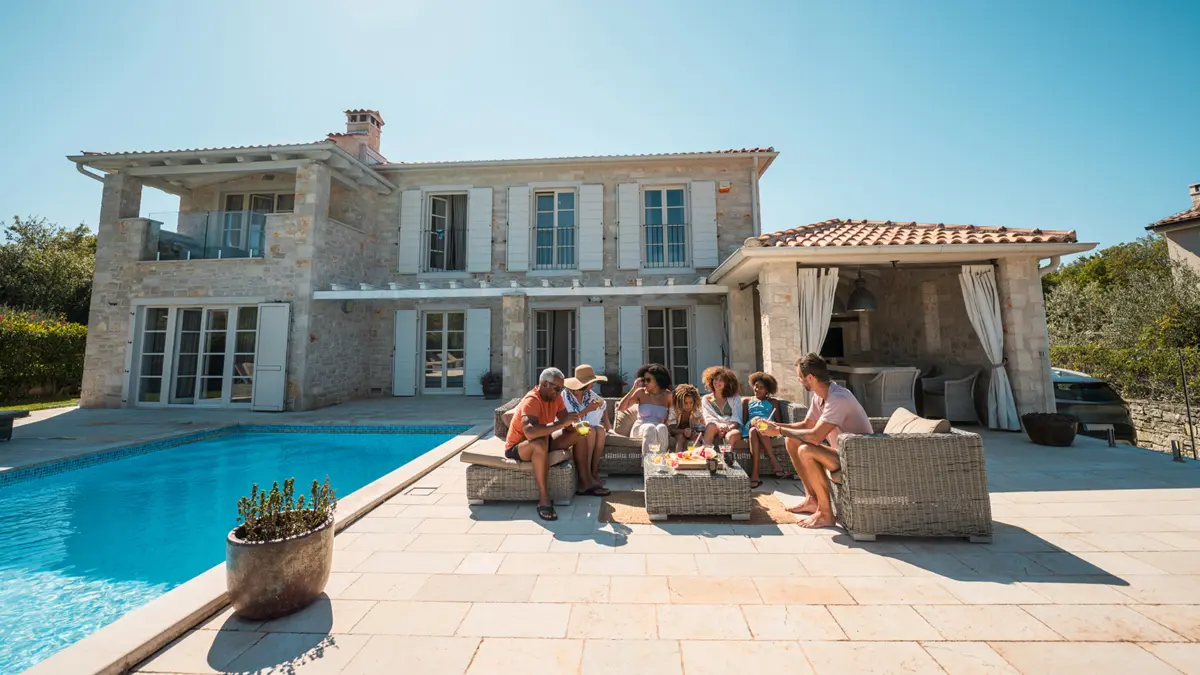
The idyllic image of a cherished family vacation home, passed down through generations, is a powerful and enduring aspiration for many. However, beneath this nostalgic veneer often lies a complex web of potential conflict, financial strain, and emotional discord. A recent report highlighted in The New York Times underscores this reality, revealing that while inheriting such a property can be the sole opportunity for younger adults to acquire a vacation home, it frequently becomes a source of significant friction within families. Kiplinger, a reputable personal finance publication, has even designated vacation properties as one of the seven worst assets to bequeath to heirs, citing the potential for disputes over selling versus retaining the property, and the allocation of ongoing expenses. This presents a critical challenge for estate planning professionals tasked with guiding clients through these sensitive matters.
The emotional and practical considerations surrounding the transfer of a vacation home are multifaceted. For some heirs, the property represents a repository of cherished memories and a tangible link to their family’s past. For others, it may be viewed as a financial burden, an underutilized asset, or a source of differing lifestyle preferences. This divergence in perspective can easily escalate into disagreements, particularly when financial stakes are involved. The article references a New York Times piece from October 23, 2026, which delves into these very issues, illustrating how a seemingly simple inheritance can morph into a contentious situation, impacting familial relationships for years to come.
The Foundation of Disagreement: Unspoken Expectations and Divergent Desires
Avi Kestenbaum of Meltzer, Lippe, Goldstein & Breitstone, LLP, emphasizes that the bedrock of many inheritance disputes lies in a fundamental lack of open communication. He advises practitioners to impress upon their clients the paramount importance of engaging in candid conversations with their children before finalizing estate plans. This involves not only ascertaining whether heirs genuinely desire to utilize and maintain the vacation home but also understanding their evolving life circumstances and priorities.
"Many parents harbor an idealized vision of their children and grandchildren continuing to gather at the family retreat for holidays and summer vacations, mirroring their own experiences," Kestenbaum notes. "However, the reality for adult children, who may have established their own careers, families, and geographical locations, can be vastly different. They might face significant financial burdens associated with upkeep, property taxes, and insurance, or simply lack the time or inclination to use the property as frequently as their parents envisioned."
This disconnect between parental aspirations and filial realities can lead to profound disappointment and resentment. When parents fail to acknowledge these potential divergences, they risk creating an inheritance that, while intended as a gift, becomes a source of obligation and contention. The initial conversations should, therefore, be rooted in honesty and a willingness to accept that the children’s desires may not align with the parents’ hopes.
The Uncomfortable Truth: Considering a Sale as a Preemptive Measure
Given the potential for discord, Kestenbaum strongly advocates for clients to seriously consider selling the vacation home during their lifetime or authorizing the executor of their estate to do so upon their passing. This proactive approach, while potentially difficult for sentimental reasons, can serve as a powerful deterrent against future familial strife.
"The emotional attachment to a vacation home can be deeply ingrained," Kestenbaum explains. "Clients may believe they are bestowing a legacy, a tangible piece of their family history. However, it’s crucial to weigh this sentiment against the very real possibility that the cost of maintaining that legacy—both financially and relationally—could far outweigh the perceived benefits."
Data from the National Association of Realtors indicates a steady increase in vacation home sales over the past decade, driven by factors such as low interest rates and a growing desire for second residences. However, this trend also highlights a market that, while active, is subject to economic fluctuations and the inherent costs of ownership. For heirs who may not have the financial wherewithal or the desire to manage such an asset, the inherited property can quickly become a liability.
The Single Heir Scenario: A Path to Equity, But Not Without Pitfalls
In situations where only one child expresses a genuine desire to inherit and maintain the vacation home, the path forward appears clearer, yet still demands meticulous planning. The parents could bequeath the property to this eager heir and compensate the other siblings with an equivalent amount from the residual estate. However, even this seemingly equitable solution requires careful execution to avoid feelings of inequity or perceived favoritism.
"The challenge here is to ensure that the ‘equalizing’ amount truly reflects the fair market value of the vacation home, taking into account not just the purchase price but also the ongoing costs and potential appreciation," Kestenbaum advises. "Furthermore, parents must ensure that no child feels undervalued or unloved. This can be a delicate balancing act, and open communication with all children about the rationale behind such a division is essential."
The complexities of such arrangements are often underestimated. Kestenbaum recounts an instance where he attempted to draft a sophisticated sharing agreement involving a limited liability company (LLC) to own the property, with the LLC itself being owned by a family trust. The objective was to create a structured framework for shared ownership and management. However, the sheer complexity of the legal and financial intricacies involved in establishing and maintaining such a structure proved daunting for the clients, ultimately leading them to abandon the plan.
"Even with the most meticulously drafted documents and robust legal frameworks, the inherent human element—differing opinions, evolving needs, and personal biases—can still lead to discord," Kestenbaum concedes. "The goal of such arrangements is to mitigate conflict, but they cannot entirely eliminate the possibility of hurt feelings or disputes."
Broader Implications for Estate Planning and Family Dynamics
The challenges associated with inheriting vacation homes extend beyond individual family units and touch upon broader trends in wealth transfer and estate planning. As the baby boomer generation continues to age, the transfer of significant assets, including real estate, to their heirs will become increasingly common. The potential for these assets to become sources of conflict necessitates a more nuanced and proactive approach from estate planning professionals.
Supporting Data and Trends:
- Intergenerational Wealth Transfer: According to a 2025 report by Cerulli Associates, an estimated $70 trillion in assets is projected to be transferred between generations in the United States over the next 25 years. This underscores the magnitude of wealth that will change hands and the potential for associated complexities.
- Vacation Home Ownership: While precise data on inherited vacation homes is scarce, general trends in second-home ownership can offer insight. The National Association of Realtors consistently reports on the second-home market, noting that while demand can fluctuate, these properties represent a significant portion of real estate holdings.
- Family Disputes: While not specifically quantifiable for vacation homes, studies on estate disputes reveal that disagreements over asset distribution are a common occurrence, often straining family relationships.
Chronology of Potential Issues:
- Initial Inheritance: Heirs receive the property, often with a mix of excitement and trepidation.
- Early Discussions: Disagreements emerge regarding the property’s future – sell, rent, use, or maintain.
- Financial Strain: The costs of ownership (taxes, insurance, maintenance, repairs) begin to accrue, creating pressure.
- Divergent Lifestyles: Differing priorities and usage patterns lead to scheduling conflicts and unmet expectations.
- Escalation of Conflict: Disagreements over financial contributions, decision-making authority, and future plans intensify.
- Legal Intervention: In some cases, disputes may necessitate legal mediation or even litigation, further damaging family ties and incurring significant costs.
Analysis of Implications:
The implications of failing to address the complexities of vacation home inheritance are far-reaching. For families, it can lead to fractured relationships, permanent estrillment, and the erosion of familial bonds. For estate planners, it highlights the need for specialized training and a deeper understanding of the psychological and emotional aspects of wealth transfer, in addition to the legal and financial ones.
The rise of sophisticated legal structures, such as family trusts and LLCs, aims to provide solutions. However, as Kestenbaum’s experience suggests, the practical implementation and ongoing management of these structures can be burdensome, and they are not foolproof against interpersonal conflicts. This underscores the importance of focusing on communication and realistic expectations as the primary tools for conflict prevention.
Recommendations for Practitioners:
Estate planning professionals should adopt a multi-pronged approach:
- Prioritize Candid Conversations: Facilitate open and honest discussions between clients and their heirs about the vacation home’s future.
- Explore Alternatives to Direct Inheritance: Discuss options such as selling the property during the client’s lifetime, establishing a trust with specific provisions for the property’s management and eventual sale, or gifting the property to a designated heir with appropriate compensation for other beneficiaries.
- Educate Clients on Potential Pitfalls: Clearly outline the financial and emotional costs associated with passing down a vacation home, citing examples and data.
- Consider Professional Mediation: For clients with complex family dynamics, suggest engaging a professional mediator to facilitate discussions and decision-making.
- Document Everything: Ensure all discussions, decisions, and intentions are meticulously documented in the estate plan.
In conclusion, while the dream of a perpetual family vacation home is appealing, the reality is often fraught with challenges. By proactively addressing potential conflicts, fostering open communication, and carefully considering all available options, estate planning professionals can help their clients navigate these complex issues, aiming to preserve both family harmony and cherished legacies. The decision of how to pass on such a property requires not just legal acumen, but also a deep understanding of human nature and the enduring power of family relationships.
