

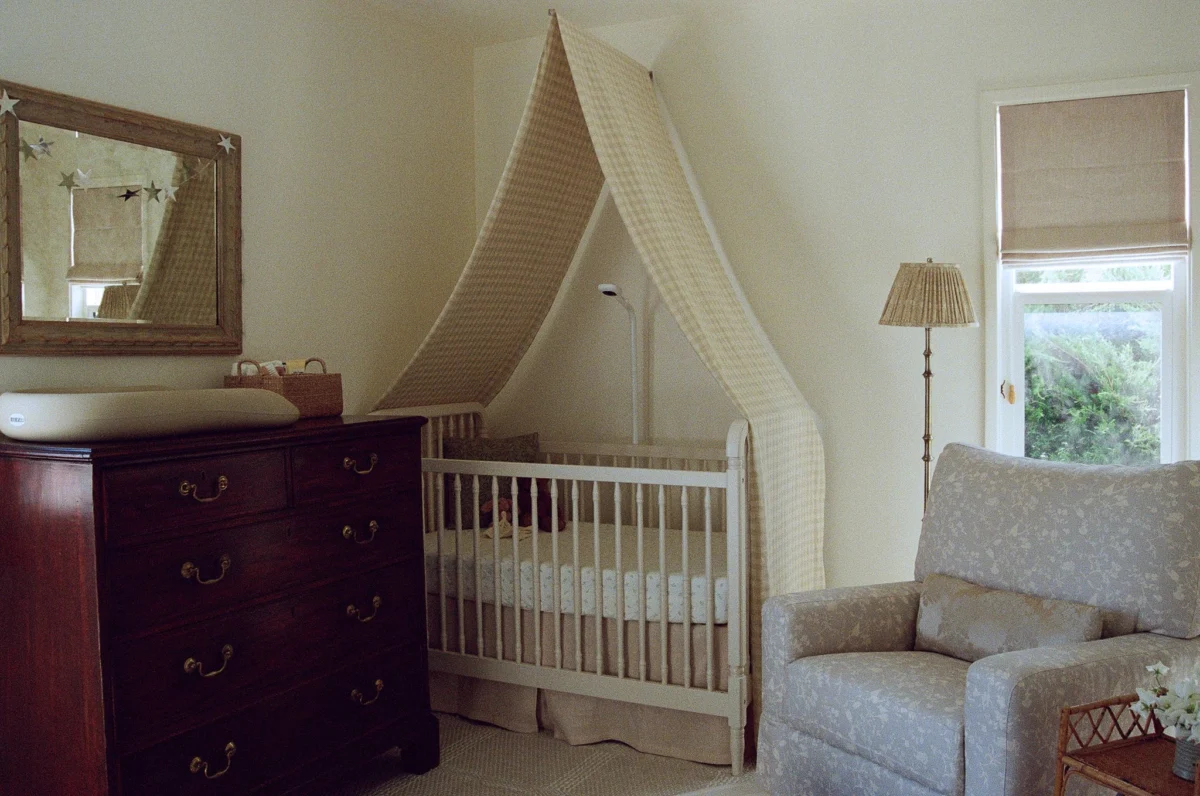
The integration of vintage elements has long been considered a prerequisite for a well-decorated home, and interior design experts are increasingly asserting that the nursery should be no exception to this rule. A thoughtfully sourced antique dresser, a well-loved quilt, or a decorative rocker lends a child’s first room an instant sense of character and history—qualities that cannot be replicated by the mass-produced items available via rapid-delivery e-commerce platforms. While modern safety standards remain the non-negotiable benchmark for cribs and sleep surfaces, the remainder of the nursery is now seen as fertile ground for antique exploration and heirloom curation.

Designers are increasingly treating the nursery with the same architectural and aesthetic intention they would bring to a primary living space or a formal dining room. This shift represents a departure from the "temporary" mindset that once dominated infant room design, where furniture was often viewed as disposable gear to be discarded once the child reached toddlerhood. Instead, the modern nursery is being reimagined as a space that collects memories and evolves alongside the family.
The Durability of Preloved Design
One of the primary drivers behind the vintage nursery trend is the inherent durability of antique furniture. Alex Yeske, a prominent interior designer, notes that having antiques in children’s spaces is remarkably forgiving. Because these pieces are "preloved," they have already withstood the test of time and often possess a structural integrity superior to contemporary flat-pack alternatives. According to Yeske, the "patina" of an antique—the nicks, marks, and wear that come with age—actually makes the piece more functional for a child’s room. Parents can worry less about the inevitable damage caused by play, as new scratches simply blend into the existing history of the wood.
.jpeg)
This perspective is supported by broader market data. The global secondhand furniture market has seen exponential growth, valued at approximately $13.4 billion in 2022 and projected to reach over $27 billion by 2032. This growth is driven by a combination of sustainability concerns among millennial parents and a desire for unique, non-homogenous home environments.
Strategic Sourcing: Where Vintage Makes Sense
The key to a successful secondhand nursery is not simply filling a room with old objects, but knowing where vintage pieces offer the most value. Kendall Knox, cofounder of Olive Ateliers, suggests that the nursing chair is the most critical starting point. Knox observes that many parents purchase modern nursing gliders in a state of "nursery panic," only to resent the bulky, aesthetically limited pieces within a few months.

As an alternative, Knox advocates for the use of a Napoleon III chair or a similar antique armchair. These pieces offer a sense of dignity and timelessness. When reupholstered in a playful or high-quality fabric, an antique chair performs the necessary function of a rocker but remains a useful and beautiful piece of furniture for a living room or guest suite once the nursery phase has concluded. This "long-view" approach to furniture procurement reduces waste and ensures that the investment retains its value over decades rather than months.
Reimagining Storage and Utility
The traditional changing table is perhaps the most "temporary" item in a standard nursery kit. Amanda Knorr of Knosen Antiques reports a significant uptick in parents seeking antique English pine chests of drawers to serve as changing stations. By simply adding a removable changing pad to a timeworn chest, parents gain a piece that provides ample storage and serves as a sophisticated furniture staple long after the child is out of diapers.
.jpeg)
The use of an antique chest also addresses a common complaint regarding modern nursery furniture: the lack of soul. An English pine chest, characterized by porcelain knobs and a warm, honeyed grain, provides a visual anchor for the room. This aligns with a growing movement toward "slow design," which emphasizes the use of natural materials and artisanal craftsmanship to create calming, grounded environments for infants.
A Chronology of Nursery Design Evolution
To understand the current vintage trend, one must look at the timeline of nursery design over the last century:
.jpeg)
- Early 20th Century: Nurseries were often utilitarian or utilized repurposed family furniture. There was little distinction between "baby furniture" and scaled-down adult furniture.
- The Mid-Century Boom (1950s-1960s): The rise of plastic and mass-production led to the first "nursery sets." For the first time, parents could buy matching cribs, dressers, and wardrobes designed specifically for infants.
- The Safety Revolution (1980s-1990s): Increased regulation regarding lead paint and drop-side cribs led to a surge in new, safety-certified furniture. Vintage items fell out of favor due to safety concerns.
- The Digital Era (2000s-2010s): Big-box retailers dominated the market with "two-day shipping" convenience. Nurseries began to look increasingly identical across different geographic regions.
- The Curated Era (2020-Present): A reaction against "fast furniture" and environmental waste has led to the current resurgence of vintage sourcing, blending modern safety with antique aesthetics.
Iconic Accents: From Danish Modern to Folk Art
The integration of vintage items extends beyond large furniture pieces to decorative accents that stimulate a child’s sense of wonder. Designers often look to specific eras for inspiration:
- Danish Modernism: A 1960s sculptural rocking elephant in teak wood exemplifies the clean lines and playful proportions of Scandinavian design. Unlike plastic rockers, these wooden heirlooms maintain their value and serve as sculptural elements in a room.
- American Folk Art: Antique hooked rugs from the 1920s, featuring pastoral nursery rhyme scenes, provide a tactile and visual history that modern alphabet rugs lack. These pieces function as art for the floor, offering a unique narrative for the space.
- Mid-Century Lighting: Soft lighting is essential for a nursery. Vintage Louis Poulsen oak wall lamps, featuring woven rattan shades, provide a warm glow that makes late-night feedings more comfortable. The use of natural materials like oak and rattan helps to soften the often sterile feel of a new baby’s room.
Functional Whimsy: Baskets and Folding Screens
Storage in a nursery must be both accessible and abundant. Olive Ateliers’ recent collaboration with Pamela Anderson highlighted the utility of the "Bounty Basket"—a curvaceous wicker piece that can hold everything from diaper cream to stuffed animals. Woven baskets are versatile; a low tray can invite play by making toys accessible to a crawling infant, while a vintage bear-shaped wicker hamper adds a touch of whimsy to the mundane task of laundry.
.jpeg)
Furthermore, the use of antique folding screens is a growing trend in shared or multi-purpose nurseries. A screen featuring vintage wallpaper, such as those attributed to Ilonka Karasz, can separate a sleep area from a play area or hide toy clutter. This architectural solution adds pattern and color without the permanence of traditional wallpaper.
The Sustainability and Investment Analysis
Beyond the aesthetic appeal, the shift toward secondhand nurseries has significant environmental and financial implications. The furniture industry is one of the largest contributors to landfill waste, with "fast furniture" often lasting less than five years. By opting for antiques, parents are participating in a circular economy.
.jpeg)
From an investment standpoint, high-quality vintage pieces—such as an Alvar Aalto Artek N65 bentwood chair—often appreciate in value. A chair designed in 1935 that is still functional today is a testament to the "cost-per-use" argument. While the initial price of a rare vintage piece may be higher than a mass-market alternative, its longevity and resale potential make it the more fiscally responsible choice in the long term.
Safety Considerations and Official Standards
It is imperative to note that while vintage furniture adds charm, safety must remain the priority. The U.S. Consumer Product Safety Commission (CPSC) frequently updates standards for cribs and bassinets. Experts recommend that any sleep surface be manufactured recently to ensure it meets current anti-entrapment and structural stability requirements. However, for items like rocking chairs, dressers (provided they are anchored to the wall), and decorative screens, vintage remains a safe and stylish option.
.jpeg)
Conclusion: The Future of the Nursery
The trend toward secondhand nurseries represents a broader cultural movement toward intentionality and storytelling in interior design. By rejecting the "two-day shipping" model of parenting, families are creating spaces that feel curated, grounded, and deeply personal. As designers continue to blur the lines between "adult" and "child" aesthetics, the nursery is becoming a sophisticated reflection of a family’s history and values. In the world of modern decor, the most original rooms for the newest occupants are those that have already lived a thousand lives.
