

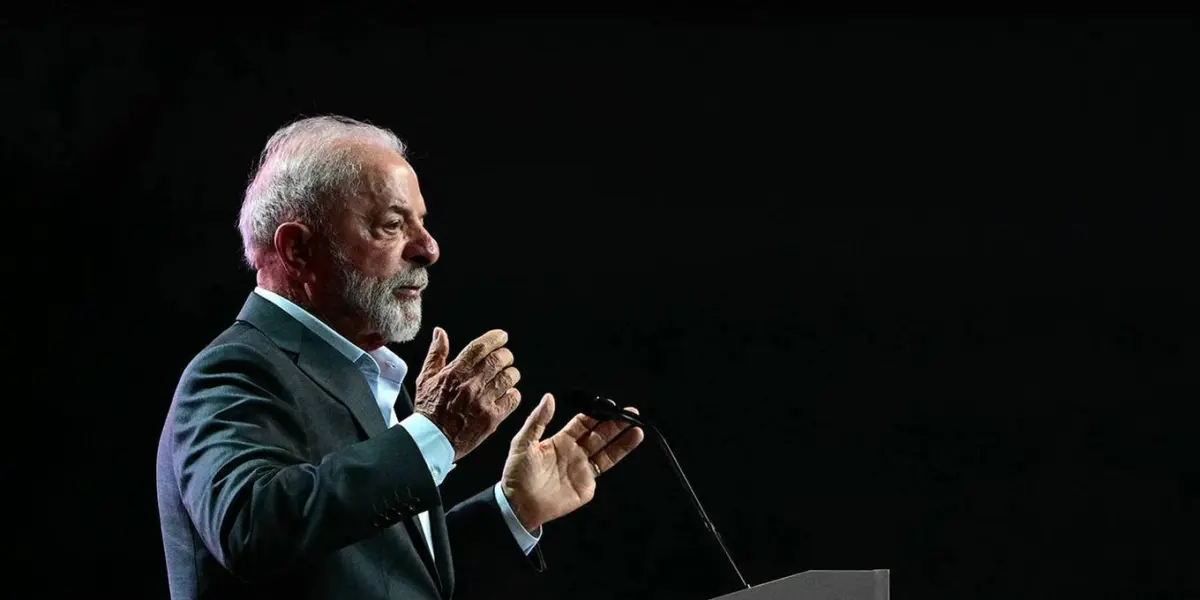
The recent electoral outcomes in Brazil and the United States, while presenting a welcome respite from the advance of far-right populism, do not inherently signify a robust mandate for progressive agendas. In both nations, the incumbent administrations and their respective parties – President Luiz Inácio Lula da Silva’s Workers’ Party in Brazil and the Democratic Party in the United States – are currently failing to articulate a compelling and transformative vision that genuinely excites and mobilizes the broader electorate. This absence of a clear, inspiring narrative risks diluting the impact of these electoral successes and could, in the long term, undermine the very progress these victories were intended to secure.
Context of the Brazilian Presidential Election
The 2022 Brazilian presidential election was a deeply polarized contest, pitting the incumbent far-right president, Jair Bolsonaro, against the veteran left-wing leader, Luiz Inácio Lula da Silva. The election unfolded against a backdrop of significant social and political division, exacerbated by Bolsonaro’s controversial rhetoric and policies, which often echoed those of populist leaders globally. His tenure was marked by deregulation, environmental concerns, particularly regarding the Amazon rainforest, and a contentious approach to democratic institutions.
The election itself was a nail-biting affair. The first round, held on October 2, 2022, saw Lula da Silva leading with 48.4% of the vote, narrowly missing the 50% threshold required to win outright. Bolsonaro followed with 43.2%. This outcome necessitated a run-off election, scheduled for October 30, 2022. The intervening weeks were characterized by intense campaigning, accusations of misinformation, and significant global attention due to the stakes involved for democracy and environmental policy in South America’s largest economy.
On October 30, 2022, Luiz Inácio Lula da Silva emerged victorious, securing 50.9% of the vote compared to Bolsonaro’s 49.1%. The margin of victory was razor-thin, underscoring the deep divisions within Brazilian society. Bolsonaro’s refusal to concede defeat immediately and the subsequent protests by some of his supporters, culminating in the January 8, 2023, attacks on government buildings in Brasília, highlighted the fragility of democratic norms in the country. The subsequent fugitive status of Flavio Bolsonaro, a prominent figure within the far-right movement, further illustrates the ongoing political turbulence.
The US Midterm Elections and the Democratic Landscape
In the United States, the 2022 midterm elections presented a crucial test for the Democratic Party, then controlling both the presidency and Congress. Historically, the party of the sitting president tends to lose seats in midterm elections. However, the political climate was particularly charged, with issues such as abortion rights (following the Supreme Court’s overturning of Roe v. Wade), inflation, and the future of democratic institutions dominating the discourse.
The conventional wisdom, and indeed many predictions, suggested a significant "red wave" where the Republican Party, particularly the faction aligned with former President Donald Trump and his "Make America Great Again" (MAGA) movement, would achieve substantial gains, potentially retaking control of the House of Representatives by a considerable margin and perhaps even the Senate.
However, the results, while resulting in Republicans regaining control of the House of Representatives by a slim majority, did not materialize into the sweeping victory that many MAGA adherents had anticipated. Democrats managed to defy historical trends in several key races and, crucially, retained control of the Senate, albeit with a narrow majority. This outcome was widely interpreted as a repudiation of extreme Republican candidates and a victory for those defending abortion rights and, to some extent, for President Joe Biden’s administration.
Analyzing the "Mandate" – A Question of Vision
The central argument is that neither the Democrats in the US nor Lula da Silva’s Workers’ Party in Brazil secured a mandate that translates into a clear directive for sweeping progressive change. Instead, their victories can be characterized as a rejection of the immediate alternatives rather than an enthusiastic embrace of a forward-looking platform.
In Brazil, Lula’s victory was a testament to his ability to unite a broad coalition against Bolsonaro’s divisive presidency. His support base includes traditional left-wing voters, centrist elements concerned about democratic stability and environmental issues, and even some disillusioned moderate conservatives. However, the narrowness of the win and the deep societal fissures mean that governing will require constant negotiation and compromise. Lula’s platform, while promising social programs and environmental protection, has not yet coalesced into a singular, inspiring narrative that can galvanize the nation beyond the immediate goal of defeating Bolsonaro. The challenges of economic recovery, combating inequality, and addressing the climate crisis are immense, and articulating a cohesive, exciting vision to overcome these obstacles remains a critical task.
Similarly, in the United States, the Democratic Party’s performance in the midterms was largely a defensive victory. The mobilization around the issue of reproductive rights proved to be a powerful electoral force, particularly among women and younger voters. President Biden’s policy achievements, such as the Bipartisan Infrastructure Law and the Inflation Reduction Act, while significant, have struggled to translate into widespread public enthusiasm or a clear electoral narrative that resonates beyond specific policy benefits. The party has been criticized for not effectively communicating its successes and for lacking a compelling vision that addresses the economic anxieties and aspirations of a broader swath of the American electorate. The lingering concerns about inflation and the cost of living, coupled with a perceived lack of urgency on issues like climate change or economic inequality, suggest that voters may not feel the Democrats are offering a transformative path forward.
Supporting Data and Electoral Trends
-
Brazilian Presidential Election (2022):
- First Round: Lula da Silva (48.4%), Jair Bolsonaro (43.2%)
- Second Round: Lula da Silva (50.9%), Jair Bolsonaro (49.1%)
- The turnout for the second round was approximately 79.1%, a slight increase from the first round, indicating high engagement but also the polarized nature of the electorate.
- Exit polls and post-election analyses indicated that Lula’s victory was driven by strong support in the Northeast region of Brazil, while Bolsonaro maintained a strong base in the South and Southeast. This geographical divide underscores the persistent regional and ideological polarization.
-
US Midterm Elections (2022):
- House of Representatives: Republicans gained a slim majority (222 seats vs. 213 for Democrats), a significantly smaller gain than historical trends and pre-election predictions suggested.
- Senate: Democrats retained control with 51 seats (including independents caucusing with them), a crucial outcome that prevented Republican control and allowed for the confirmation of judicial appointments.
- Key Issues: Polling data consistently showed inflation and the economy as top concerns for voters. However, the overturning of Roe v. Wade significantly boosted Democratic engagement on abortion rights, which emerged as a critical motivating factor in many races.
- Candidate Performance: Several Trump-backed or MAGA-aligned candidates in key swing states and Senate races underperformed, leading to Democratic victories that were not widely anticipated.
Timeline of Key Events
- October 2, 2022: First round of the Brazilian presidential election.
- October 30, 2022: Second round (run-off) of the Brazilian presidential election, resulting in Lula da Silva’s victory.
- November 8, 2022: US midterm elections held across the country.
- January 8, 2023: Supporters of former President Bolsonaro storm and vandalize government buildings in Brasília, Brazil, following Lula’s inauguration.
- Ongoing: Investigations into the January 8th attacks in Brazil and ongoing scrutiny of former President Bolsonaro and his allies.
Reactions and Broader Implications
The immediate aftermath of both electoral events saw expressions of relief from international observers and progressive circles. Many saw the outcomes as a bulwark against further authoritarianism and a potential reset for democratic norms.
-
In Brazil: Lula da Silva’s inauguration on January 1, 2023, was met with a mix of hope and caution. His government has prioritized re-engaging with the international community, re-establishing environmental protections, and addressing social inequalities. However, the deeply divided nature of the country, coupled with the economic challenges inherited from the previous administration, means that the path to stability and progress will be arduous. The January 8th attacks served as a stark reminder of the persistent threats to Brazil’s democratic institutions.
-
In the United States: The Democratic Party’s performance in the midterms was hailed by some as a success, preventing a potentially damaging Republican takeover. However, the loss of the House of Representatives presents significant legislative challenges for President Biden’s agenda. The party faces ongoing debates about its messaging, its ability to connect with working-class voters, and its strategy for future elections. The upcoming presidential election cycle will likely intensify these discussions.
The Absence of a Transformative Vision
The core concern is that both parties, despite their electoral successes, are not effectively communicating a vision that transcends immediate concerns and inspires deep-seated optimism for the future.
-
For Lula da Silva: While his return to power is significant, the narrative has largely focused on reversing Bolsonaro’s policies and restoring Brazil’s international standing. The challenge lies in articulating a compelling vision for Brazil’s future that addresses the systemic issues of poverty, inequality, and environmental sustainability in a way that ignites the imagination of all Brazilians, not just those who voted against Bolsonaro. This requires moving beyond the immediate political contest and offering a positive, inclusive, and aspirational future.
-
For the Democratic Party: The party has often been perceived as a coalition united by opposition to the Republican Party rather than by a shared, positive vision for the country. While specific policy wins have been achieved, translating these into a broader narrative of progress and opportunity has been a persistent challenge. The focus on "saving democracy" or "defending rights" is crucial but may not be sufficient to capture the aspirations of voters concerned about their economic futures, cost of living, and overall well-being. A more robust and exciting vision that outlines a pathway to shared prosperity and a more equitable society is needed.
Conclusion
The electoral victories in Brazil and the United States represent significant moments of resistance against the surge of right-wing populism. They offer a crucial opportunity for progressive forces to consolidate their gains and steer their respective nations toward more inclusive and sustainable futures. However, these victories should not be mistaken for a definitive mandate for radical change. The electorate, in both instances, demonstrated a desire for stability and a rejection of extremism, but not necessarily an enthusiastic embrace of a bold, new progressive agenda.
The onus is now on the Democratic Party in the United States and President Lula da Silva’s Workers’ Party in Brazil to move beyond reactive politics. They must articulate clear, compelling, and inspiring visions that address the multifaceted challenges facing their nations. Without such a transformative vision, these hard-won electoral successes risk becoming fleeting moments, failing to ignite the profound societal shifts that are necessary for long-term progress and prosperity. The lesson for progressives in both countries is clear: electoral victories are but the first step; the true test lies in the ability to inspire and lead towards a future that resonates with the hopes and aspirations of all citizens.
