

The escalating tensions surrounding the Strait of Hormuz have sent palpable tremors through global oil markets, serving as a stark reminder of the persistent fragility of fossil fuel supplies. However, this crisis also illuminates a profound shift in the very definition of energy security. While access to oil and gas remains a critical concern, the true bedrock of future energy resilience now lies in the robust, low-cost, and scalable electricity systems capable of powering modern economies and heavy industries. China has demonstrably grasped this paradigm shift, while Europe, despite its climate ambitions, appears to be lagging behind, potentially trading one form of dependence for another.
The Economic Fallout of Strait of Hormuz Disruptions
The ongoing conflict in the Middle East, particularly the heightened risks associated with the Strait of Hormuz, a vital chokepoint for global oil and gas transit, has already triggered a dramatic redistribution of global wealth. Projections indicate that U.S. oil and gas companies are poised to accrue at least $60 billion in windfall profits for the current year alone. Similarly, Russia stands to gain significantly, with estimates suggesting potential additional fiscal revenues of up to $100 billion. This surge in revenue for fossil fuel exporters, however, comes at a steep price for the global economy. Nearly every nation, including energy-exporting countries, is now grappling with the debilitating effects of slower economic growth, surging inflation, and the persistent specter of high interest rates.
The immediate impact of any significant disruption in the Strait of Hormuz, through which approximately 30% of the world’s seaborne oil trade passes, would be catastrophic for global energy markets. A prolonged closure could see oil prices skyrocket, exacerbating existing inflationary pressures and potentially tipping fragile economies into recession. The International Monetary Fund (IMF) has already voiced concerns, cutting its global growth outlook and warning of a potential global recession if the conflict escalates further.
Europe’s Steep Energy Bill and Shifting Security Landscape
The clearest fault line exposed by the current geopolitical climate runs directly through the Strait of Hormuz. Asia’s heavy reliance on energy imports from the Persian Gulf has been laid bare, leaving its economies vulnerable to supply disruptions and price volatility. Europe, too, is bearing a significant financial burden. Since the onset of the recent conflict, the European Union has been compelled to spend an additional €24 billion (approximately $28 billion) on fossil fuel imports, a substantial drain on national budgets and a direct impediment to economic recovery.
This current crisis is not merely a temporary disruption; it is fundamentally redefining what constitutes energy security in the 21st century. For much of the 20th century, energy security was synonymous with guaranteed and uninterrupted access to oil and gas. This meant securing vital sea lanes, maintaining strategic reserves, and forging alliances with major oil-producing nations. However, the paradigm has shifted decisively. Today, true energy security increasingly hinges on the capacity for rapid electrification, the domestic production of clean and affordable power, and, crucially, the control over the technologies and supply chains that underpin future electricity systems.
China’s Electrification Advantage
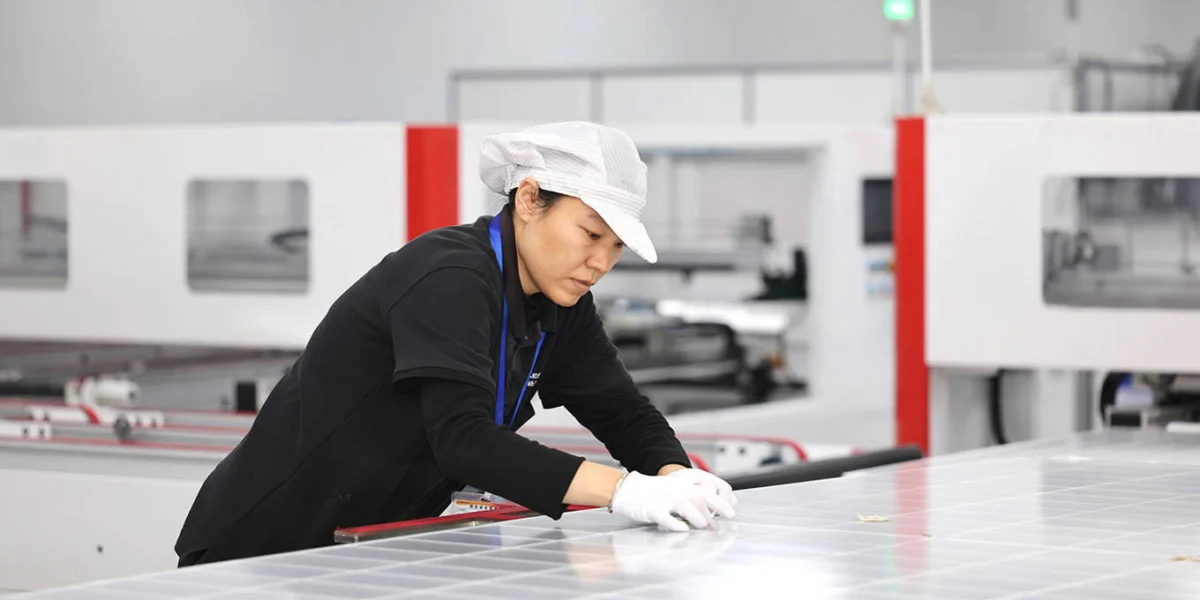
By these new metrics, China emerges with a clear and commanding competitive advantage. The People’s Republic has, over decades, strategically invested in and built an integrated electrification system that is now the envy of many industrialized nations. Electricity already accounts for roughly 30% of China’s total energy consumption, a figure significantly higher than the approximately 20% seen in both the United States and Europe. This extensive electrification of its economy provides a crucial buffer against the volatility of global fossil fuel markets.
China’s strategic foresight extends beyond just consumption. The nation has meticulously secured access to critical minerals essential for renewable energy technologies and battery production. It has expanded its dominance in the refining of these materials and has aggressively scaled up its investments in renewable energy sources, battery manufacturing, and the production of electric vehicles (EVs). Furthermore, China has been actively electrifying its vast industrial base, ensuring that its manufacturing sector is powered by increasingly cost-effective and domestically controlled electricity. This comprehensive approach has resulted in China now holding significant control over strategic chokepoints across the entire clean-energy value chain.
Europe’s Electrification Divide and Ambitions
The divide within Europe regarding energy infrastructure and resilience is also striking, even among its member states. Spain, for instance, has proactively built a partial buffer against fossil fuel price volatility. Through substantial investment in renewable energy sources, particularly solar and wind power, renewables now dictate wholesale electricity prices for approximately 80% of the time. This has resulted in significantly lower and more stable electricity costs, averaging around €60 per megawatt-hour. This decoupling of electricity prices from volatile natural gas markets provides a substantial economic advantage.
In stark contrast, Italy remains heavily exposed to the fluctuations of global natural gas markets. This dependence has led to persistently high electricity prices, with costs hovering near €130 per megawatt-hour, nearly doubling that of Spain. This disparity highlights the varying degrees of energy security within the EU and underscores the urgent need for a more harmonized and robust approach to electrification.
The European Commission, recognizing the imperative for change, has articulated ambitious plans through initiatives like "AccelerateEU." This package of measures aims to curb rising energy costs and diminish the bloc’s dependence on imported fossil fuels by accelerating the adoption of electric vehicles and heat pumps, expanding renewable energy capacity, strengthening power grids, and investing in energy storage solutions. While the stated objectives are laudable and reflect a growing understanding of the new energy security landscape, the initiative has been criticized for lacking the necessary financial backing to achieve its ambitious goals. Without a credible and substantial investment strategy, AccelerateEU risks remaining a collection of well-intentioned targets rather than a coherent and actionable plan for energy independence.
The Rise of the "Electrostates"
The implications of this global shift are profound. Even before the current energy shock, industrial electricity prices in Europe were roughly twice as high as in China. This significant cost differential, exacerbated by the current fossil fuel crisis, is poised to accelerate the transition from a world order dominated by petrostates to one increasingly shaped by "electrostates." Nations that can reliably provide low-cost, clean electricity at scale will gain a significant strategic advantage, translating directly into enhanced strategic autonomy and geopolitical leverage.
While the United States and Russia may currently benefit from the surge in fossil fuel prices in the short term, the long-term balance of power is likely to shift inexorably toward nations that have mastered the intricacies of electrification and control the associated supply chains. This transition presents both an opportunity and a challenge for Europe. The continent could still reap substantial benefits from the global energy transition, but this will necessitate a strategic pivot beyond mere regulatory frameworks and ambitious targets.
Europe’s Strategic Industrial Policy Awakening
Encouragingly, the EU has begun to implement regulatory measures aimed at bolstering its industrial base and securing its position in the electrified economy. Key legislative efforts, including the Net-Zero Industry Act, the Critical Raw Materials Act, the European Chips Act, and the Industrial Accelerator Act, signal a more assertive approach to industrial policy. These initiatives are designed to secure control over critical segments of the electrified economy by strengthening Europe’s industrial capacity, ensuring access to vital inputs, and fostering technological innovation and self-sufficiency.
These legislative acts collectively signal a departure from a purely market-driven approach towards a more strategic industrial policy. The utilization of tools such as public procurement, state aid, and other government interventions is increasingly geared towards supporting low-carbon products manufactured within Europe or sourced from trusted supply chains. In this sense, Europe is cautiously, but demonstrably, beginning to engage in the same strategic game that China has been playing for decades.
The Crucial Hurdle: Financing the Transition
The primary constraint that could impede Europe’s progress in this new era of energy security is financing. The substantial investment required for a comprehensive clean energy transition far exceeds the bloc’s current financial resources. This stark reality was clearly articulated in the 2024 Draghi report on EU competitiveness, which underscored the urgent need for innovative and common financing instruments. The report specifically highlighted the potential of instruments such as Eurobonds to mobilize the vast sums of capital necessary to fund the transition and secure Europe’s future energy independence.
The timeline for this geopolitical reckoning is already unfolding. The events surrounding the Strait of Hormuz are not isolated incidents but rather symptoms of a broader global recalibration. The demand for fossil fuels, while still significant, is increasingly being challenged by the burgeoning demand for electricity, driven by electrification across all sectors. China’s early and sustained investment in this sector has positioned it as a leader, while Europe faces the urgent task of accelerating its own efforts.
The Road Ahead: Investment and Delivery
Europe still possesses the capacity to catch up and secure its place as a leader in the electrified global economy. However, this will require a commitment that matches its regulatory ambition with sustained and substantial investment. Without this crucial financial backing, the continent risks merely trading its current dependence on Gulf oil and gas for a new dependence on Chinese clean technologies and supply chains.
In a world increasingly defined by strategic industrial policies and geopolitical competition, the stakes are exceptionally high. There is little room for half measures or incremental progress. The future of energy security will be determined by those who can build resilient, low-cost electricity systems at scale, control the critical technologies and supply chains, and wield the geopolitical influence that comes with energy independence. Europe must now demonstrate its capacity for decisive action and substantial investment to navigate this critical juncture and secure its long-term prosperity and security. The time for strategic action is now, before the window of opportunity closes, leaving the continent vulnerable to the dictates of others.
