

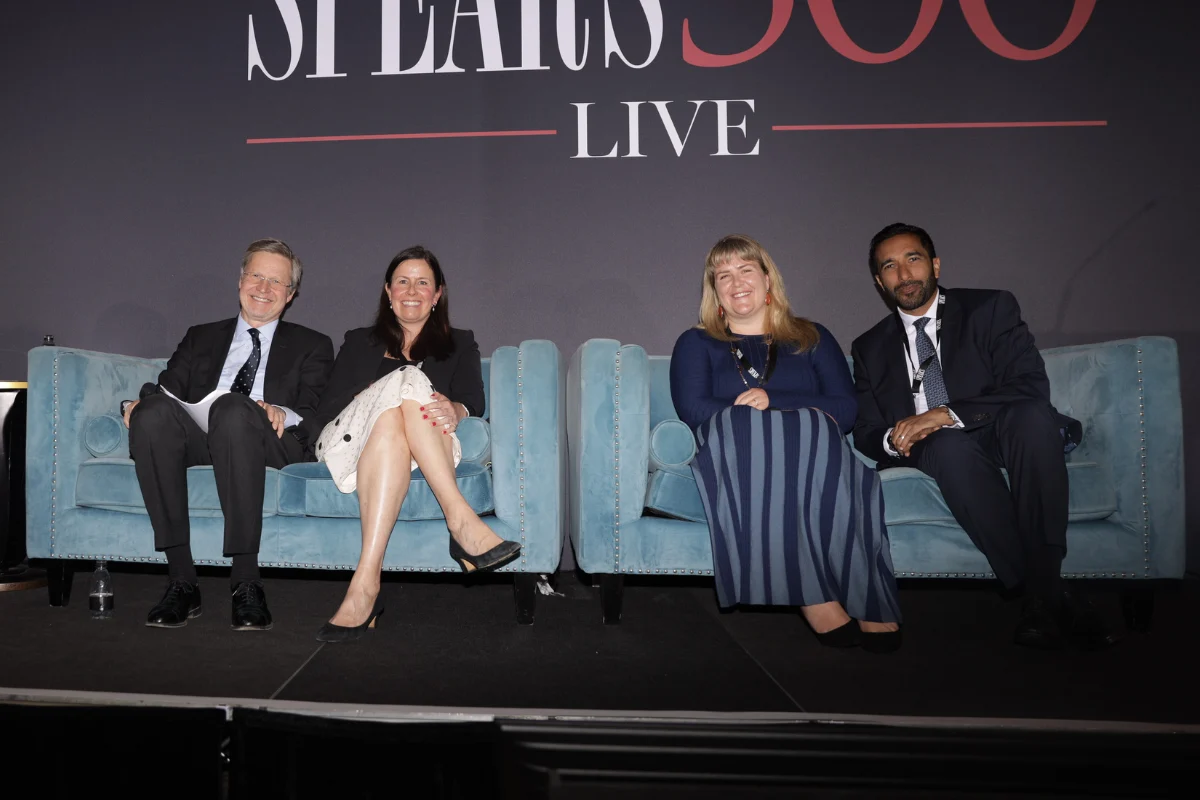
Not everyone is convinced by the concept of the "super-gift," and this skepticism is shared by some of those actively involved in facilitating them. "Many of my clients would be allergic to it," stated Hannah Gibney, Head of Philanthropy at Stewardship, an organization focused on responsible giving. "What we’re working on, really, is how to be generous in our lives and how to do generosity well." This sentiment was at the heart of a recent panel discussion at Spear’s 500 Live, a premier event for private client professionals, exploring whether the increasing prevalence of substantial charitable donations signals a new golden age for philanthropy.
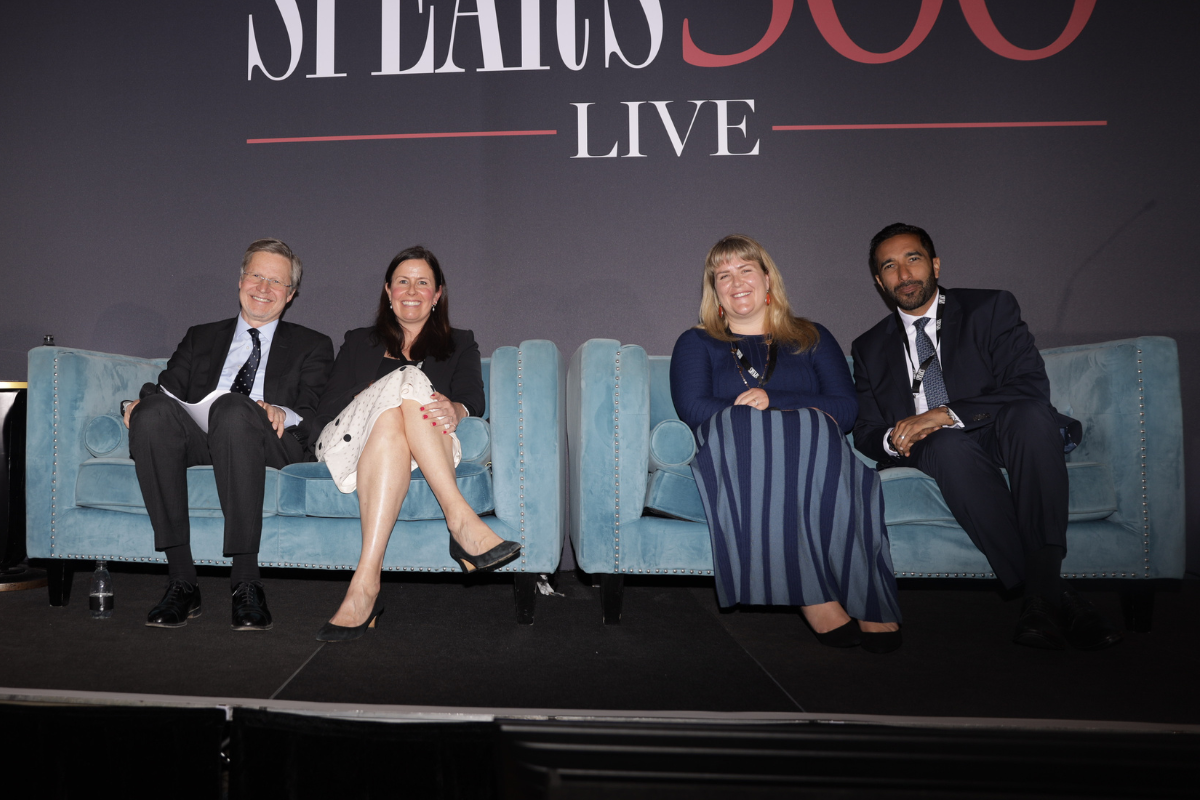
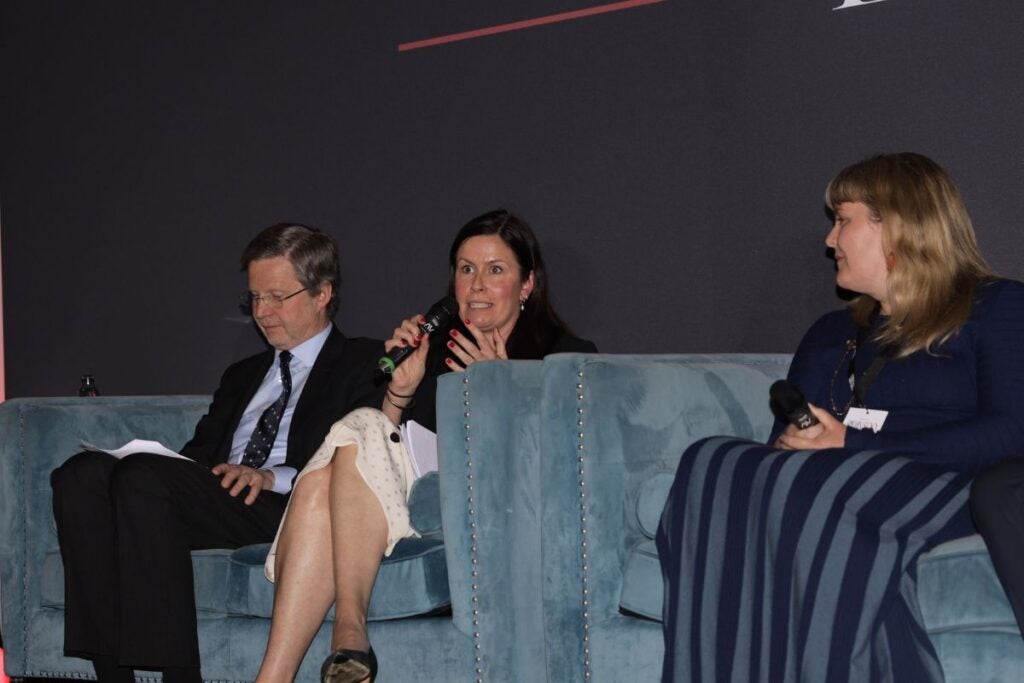
The panel, held in association with Stewardship and the Charities Aid Foundation (CAF), featured Gibney alongside Philippa Cornish, Client Relations Director at CAF; David Forbes-Nixon OBE, founder and chairman of the DFN Foundation; and Al-karim Nathoo, CEO of 4C Group and an advisory board member for UK for UNHCR. Aisha Alli, Head of Research at Spear’s, moderated the discussion, titled "Does the rise of the super-gift herald a new golden era of philanthropy?"
According to CAF’s "High Value Giving" report, the wealthiest individuals in the UK contribute approximately £8 billion to charity annually, representing roughly 0.4% of their investable assets. Were this figure to rise to 1%, an additional £12 billion could be unlocked for charitable causes. Cornish emphasized that the definition of a "super-gift" is subjective, varying significantly "in the eye of the beholder, or bank account of the beholder." However, she elaborated that such a donation is substantial enough to "totally alter what a charity can do, totally change their trajectory."
The Genesis of Generosity: Personal Drivers and Generational Traditions
For some, like Al-karim Nathoo, the impetus for significant giving stems from deeply personal values and a long-standing family tradition rather than solely structural incentives. His family’s philanthropic endeavors, which include contributions to the Aga Khan Development Network, the Dafi refugee scholarship program at UNHCR, and fostering a culture of community engagement within his company, are rooted in a broader commitment to social impact. "The process of giving is not necessarily a one-off or simply writing a cheque," Nathoo explained. "It is actually a lot more multi-dimensional – more of a continuum." This perspective highlights that substantial giving can be an integrated aspect of life and business, rather than an isolated act.
The Imperative of Measurement: Demonstrating Impact and Building Trust
A recurring theme throughout the discussion was the critical role of measurement in fostering a culture of impactful giving. Several panellists argued that a charity’s capacity to demonstrate tangible results is paramount in encouraging donors to allocate significant funds. David Forbes-Nixon’s DFN Project SEARCH program serves as a compelling example. This initiative has successfully placed over 4,000 young people with learning disabilities into full-time employment with major corporations like Amazon, Goldman Sachs, and within the NHS. The program meticulously tracks and measures its outcomes, including intern work hours, gender pay gaps within cohorts, and the types of businesses where participants secure employment.
Forbes-Nixon contended that this level of rigorous data collection is often absent in the broader charitable sector. "Most charities, probably 95 per cent, don’t actually move the needle," he stated. "And part of that’s because they don’t have the right construct. They don’t know what success looks like." This assertion underscores the need for charities to adopt robust impact measurement frameworks to build confidence and attract sustained support from major donors.
Hannah Gibney, while acknowledging the importance of data, advocated for a broader understanding of impact. "Data is very important. We can’t give well without knowing the impact of our giving," she affirmed. However, she also stressed that for many of her clients, the core concern revolves around responsibility and stewardship, aspects that transcend purely quantitative metrics. "The biggest thing we work with our clients on is thinking about stewardship as an action," Gibney elaborated. "How are we looking after what we’ve been given? We’re guardians of this for the time that we’re here." This perspective emphasizes the ethical dimension of philanthropy, viewing wealth as a trust to be managed responsibly for the greater good.
The pragmatic benefits of integrating philanthropic discussions into wealth management were also highlighted. CAF’s economic modelling, conducted in collaboration with the consultancy Public First, revealed that wealth advisors who engage clients in conversations about philanthropy experience a nearly 25% increase in client lifetime value over a decade, with assets under management growing by an additional 15% compared to firms that do not. "There’s a definite business case for having the conversation," noted Philippa Cornish, underscoring the dual benefit of philanthropic engagement for both charitable causes and the financial advisory sector.
Navigating the Nuances: The Burden and Privilege of Large-Scale Giving
While the potential of super-gifts is significant, panellists cautioned that such substantial contributions can also present unforeseen challenges for recipient organizations. "Someone comes along, super passionate about a cause, and says: ‘I want to donate a million pounds to this organisation tomorrow’," recounted Gibney. She explained the potential disruption this can cause for an organization with a small annual turnover, perhaps £50,000. A sudden influx of a million pounds could drastically alter their strategic direction and operational capacity, potentially leading to unsustainable scaling and future burdens if the funding is not recurring.
Gibney suggested that these risks can be mitigated through close collaboration between donors and the organizations they support, as well as by engaging intermediaries who can help shape the gift to align with the charity’s existing infrastructure and long-term sustainability.
David Forbes-Nixon also addressed a persistent criticism often leveled against major donors: the perception that they can "skip the queue" by directly engaging with ministers and policymakers. He argued that while the work of charities is vital, many struggle with execution. "It’s a tough gig," he stated. "Most charities are run by amazing and kind people, but they fail to execute what they’re actually trying to do. So if you’ve got a good relationship with a minister, go and see them. If you’ve got contacts, leverage them." He shared his foundation’s practice of hosting annual parliamentary receptions for the disability employment charter, which attract significant political engagement and serve as a mechanism to "nudge the government in the right direction." This perspective frames such engagement not as undue influence, but as a proactive effort to advance important societal causes.
The Evolving Landscape: Authenticity, Inclusivity, and the Future of Philanthropy

The role of recognition in philanthropy also emerged as a point of discussion. For some donors, naming a gift or foundation is a deliberate commitment, signaling their long-term dedication and accountability. Forbes-Nixon recounted the deliberation his family undertook when establishing their foundation. "I spoke to people across the forums [I support], asking whether we should use our name," he recalled. "The overwhelming response was yes. It commits you to not being a fair-weather friend and to really being there through good times and bad. I’m going to continue to do this as long as I live." This approach underscores the power of personal commitment and public accountability in fostering enduring philanthropic impact.
In contrast, Al-karim Nathoo, representing a younger generation of donors, has opted for a more discreet approach, emphasizing authenticity over publicity. He argued that genuine engagement with the work itself – meeting beneficiaries, understanding motivations, and hearing firsthand accounts of impact – is more effective in inspiring giving than overt recognition. "That sense of authenticity is what charities need to respond to if they want to attract a new generation of wealth," Nathoo asserted. This perspective highlights the growing importance of transparency, direct connection, and lived experience in shaping philanthropic motivations for a digitally savvy and globally connected demographic.
Ultimately, both approaches, whether through the visibility of a named foundation or the quiet authenticity of direct engagement, point towards a shared aspiration: to foster a more impactful and inclusive philanthropic future. Philippa Cornish concluded by emphasizing the broad reach of philanthropy: "The importance is that this is something inclusive – that it inspires people of all different ages and different levels of wealth to feel agency. That through giving, they can help change our world." This vision encapsulates the potential for philanthropy to empower individuals and drive transformative change on a global scale.
The discussions at Spear’s 500 Live underscored that while the "super-gift" presents opportunities for unprecedented impact, it also necessitates careful consideration of strategy, measurement, and ethical stewardship. The future of philanthropy appears to hinge on fostering a deeper, more authentic, and inclusive approach to giving, ensuring that significant contributions translate into lasting positive change for individuals and communities worldwide.

Watch the Full Panel
A recording of the full panel discussion, "Does the rise of the super-gift herald a new golden era of philanthropy?", is available for viewing, offering further insights into the complex dynamics of modern philanthropy.
Find Out More
Spear’s 500 Live is a significant annual event that convenes key players within the private client, private wealth, and family office sectors. The 2026 edition took place on May 6th at The Savoy in London. The event was presented in association with esteemed partners including the Charities Aid Foundation, CMB Monaco, Guernsey Finance, HCA Healthcare UK, Payne Hicks Beach, Riverstone, Scott Dunn Private, and Stewardship. For commercial inquiries regarding Spear’s events, please contact [email protected].
