

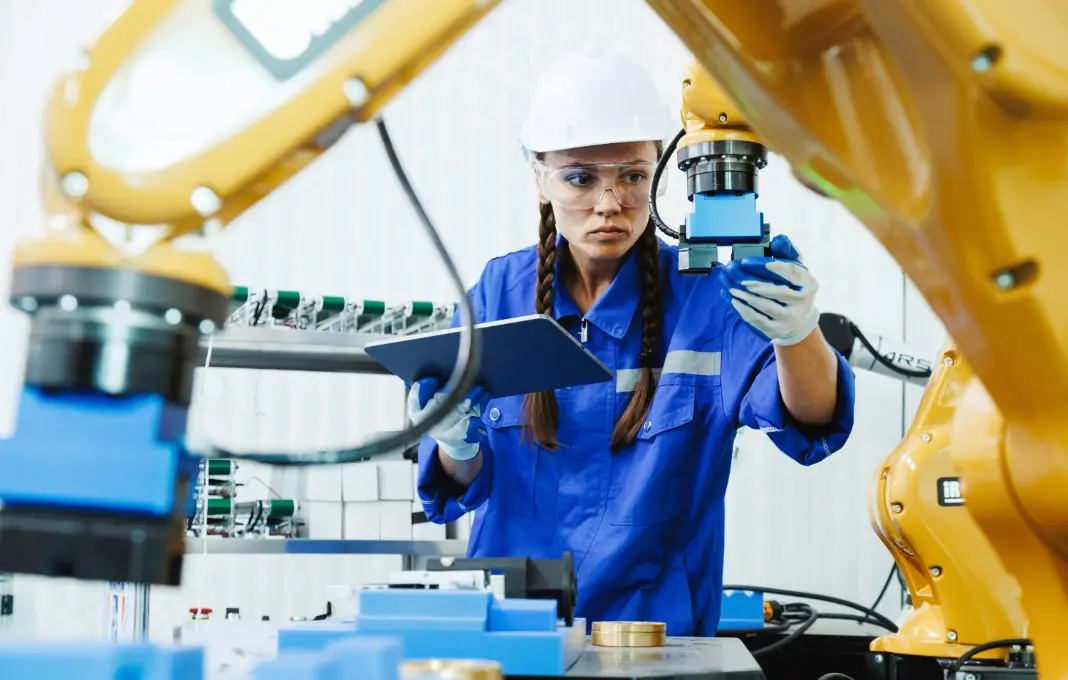
The landscape of American manufacturing is undergoing a profound transformation, shifting its focus from a nostalgic yearning for past employment levels to a forward-looking imperative: cultivating a workforce equipped to leverage increasingly sophisticated technological tools. This recalibration is occurring against a backdrop of significant industry disruptions and a clear strategic pivot by manufacturers towards digital solutions and smart manufacturing methodologies. The urgency of this transition is underscored by a recent survey indicating that a substantial 80 percent of manufacturing executives plan to allocate at least 20 percent of their improvement budgets toward smart manufacturing technologies by 2025. This commitment signals a recognition that the future competitiveness of U.S. industry hinges not on replicating historical job numbers, but on empowering its human capital to excel with advanced automation and digital integration.
The Paradox of Productivity and Employment
Despite a collective push to enhance domestic manufacturing capabilities through technological investment and improved employee productivity, the employment figures present a stark paradox. Between January 2025 and January 2026, the United States manufacturing sector experienced a net loss of approximately 103,000 jobs. This decline, as reported by the Federal Reserve Economic Data (FRED), can be attributed to a confluence of factors, including the lingering effects of trade tariffs, subdued consumer and industrial demand, inherent productivity constraints within existing operational frameworks, and a pervasive sense of economic uncertainty that has tempered both investment and consumption.
While these economic headwinds provide crucial context for understanding the current employment challenges, they do not inherently chart a clear and actionable path forward. The critical question for policymakers and industry leaders alike is not merely how to revitalize and support the domestic manufacturing workforce, but rather, what kind of jobs are being created in this evolving ecosystem? The consensus emerging from industry analysis suggests that success will be determined by manufacturers who strategically pair their investments in digital solutions with a concerted effort to strengthen their workforce’s requisite skills. This dual approach is paramount for navigating the complexities of modern manufacturing.
Automation’s Dual Impact: Headcount and Skill Demand
The sentiment within the manufacturing sector is overwhelmingly positive regarding the role of smart manufacturing in future competitiveness. According to Deloitte’s research, a commanding 92 percent of manufacturers believe that smart manufacturing will be the primary driver of their competitive edge over the next three years. This conviction is translating into a significant increase in strategic technology investments. The widespread integration of automation, artificial intelligence (AI), and smart factory technologies into existing infrastructure is a direct manifestation of this belief, aimed at streamlining processes, optimizing efficiency, and ultimately, enhancing performance.
A significant byproduct of this escalating investment in AI and automation is a discernible shift away from roles that rely solely on manual labor. Concurrently, there is a burgeoning demand for a more connected, data-driven, and insight-oriented workforce. As traditional production roles experience a gradual decline, the need for workers proficient in data interpretation, AI-augmented maintenance, advanced quality control, and sophisticated process management is steadily increasing. This evolution is not accidental; it is directly linked to the demonstrable benefits that advanced manufacturing technologies offer. Early adopters of smart manufacturing have reported substantial improvements, including 10-20 percent increases in production output, 7-20 percent gains in employee productivity, and 10-15 percent improvements in unlocked capacity.
However, these impressive gains in productivity, cost reduction, and quality enhancement are contingent upon a workforce that can effectively keep pace with the rapid advancements in technology. The true value of digital solutions is not measured by the sheer number of employees within a facility, but rather by the specific, solution-oriented skills that each individual possesses. Consequently, maximizing the return on significant investments in manufacturing technology will depend critically on empowering workers and systematically closing the widening digital skills gap.
Bridging the Manufacturing Skills Gap: A Strategic Imperative
Addressing the manufacturing skills gap requires manufacturers to first confront and overcome a series of deeply entrenched structural workforce challenges. An aging demographic within the current manufacturing workforce, coupled with an increasing trend of early retirements and a persistent shortage of qualified young talent entering the field, contributes to a chronic issue of unfilled positions. This situation is further exacerbated by the ongoing job losses and the inherent difficulty in backfilling roles that require specialized expertise. While the allure of automating these roles with advanced technologies might seem like a straightforward solution, it is not yet a fully viable or comprehensive answer.
Current AI integrations at the floor level, while becoming increasingly sophisticated, are not yet mature enough to fully automate all production tasks. The most effective implementation of today’s AI solutions often involves a human in the loop—an operator who can monitor operations, provide critical context, and deliver the most robust and informed outcomes. Instead of outright replacement, AI is proving to be a powerful augmentation tool, capable of reducing cognitive load for existing staff and accelerating informed decision-making, provided those workers possess the necessary skills to interact with and interpret the technology effectively.
To facilitate this symbiotic integration of AI and human expertise, manufacturers must prioritize the evolution of frontline roles rather than their elimination. This necessitates comprehensive training that extends beyond the mere technical operation of new tools and understanding the mechanics of digital solutions. It must also encompass critical judgment—teaching workers when to apply these technologies and, just as importantly, when not to. The core competencies that upskilled workers will need to cultivate include:
- Data Literacy: The ability to understand, interpret, and utilize data generated by smart manufacturing systems to inform decisions and optimize processes.
- Digital Tool Proficiency: Mastery of operating and troubleshooting various digital manufacturing tools, including AI-powered systems, IoT devices, and advanced analytics platforms.
- Problem-Solving and Critical Thinking: Applying analytical skills to diagnose issues, adapt to changing production needs, and leverage technology to find innovative solutions.
- Adaptability and Continuous Learning: A willingness and capacity to embrace new technologies and methodologies as they emerge, fostering a culture of ongoing skill development.
- Collaboration and Communication: Effectively working with both human colleagues and automated systems, ensuring seamless integration and clear communication across diverse operational elements.
Beyond these fundamental capabilities, workers will also require specialized training in solution-specific skills and processes. This ensures that they can harness the full potential of the business’s technology investments, translating technological capabilities into tangible operational improvements and competitive advantages.
Cultivating the Smart Manufacturing Talent Pipeline
The successful cultivation of these essential skills within the existing workforce demands an intentional and strategic approach to upskilling. This is not a one-time endeavor but rather an ongoing process. Initial pre-deployment training is crucial for familiarizing teams with new solutions as they are introduced. However, regular post-deployment sessions are equally vital to ensure that workers remain abreast of the latest capabilities and functionalities of all digital manufacturing solutions.
Forward-thinking manufacturers are integrating continuous evaluation and upskilling initiatives directly into their key production performance indicators. This involves measuring metrics such as "time-to-proficiency" and "total adoption" as specific, measurable business outcomes. By reframing training and upskilling as core, quantifiable business objectives, manufacturers can foster prioritization, consistency, and alignment across all teams, ensuring that workforce development is not an afterthought but a strategic driver of success.
Furthermore, strategic partnerships can serve as a powerful catalyst in this endeavor. The challenge of bridging the technological skills gap is an industry-wide concern, one that cannot be effectively addressed by any single manufacturer or academic institution in isolation. Collaborative efforts and knowledge sharing represent the most effective path forward. By forging alliances with industry peers, universities, technical colleges, and specialized engineering programs, manufacturers can collectively elevate digital literacy across the entire sector, rather than confined to the boundaries of individual companies. This cooperative approach fosters a shared responsibility for building a robust talent pipeline capable of meeting the demands of the future.
The Competitive Edge of Smarter Manufacturers
As the American manufacturing workforce increasingly embraces data-driven methodologies and analytical approaches, the demand for new digital skillsets is poised to escalate further. Proactive preparation is essential; manufacturers must begin equipping their workforces for these impending changes now, rather than adopting new tools reactively without the commensurate training to ensure effective utilization.
A fundamental element in bringing smart technology to life on the factory floor lies in making these solutions accessible and readily available through a connected, consistent industrial data infrastructure layer. The success of any deployment of these interconnected solutions will be inextricably linked to how effectively manufacturers equip their teams with the skills necessary to operate in concert with AI and other advanced digital solutions. Those organizations that invest early and strategically in data, analytics, and AI-ready talent—not merely in the technologies themselves—are the most likely to achieve sustainable growth, enhanced productivity, and greater resilience in the face of future economic shifts and technological disruptions. The era of simply acquiring advanced tools is giving way to the imperative of cultivating the human intelligence to wield them effectively.
