

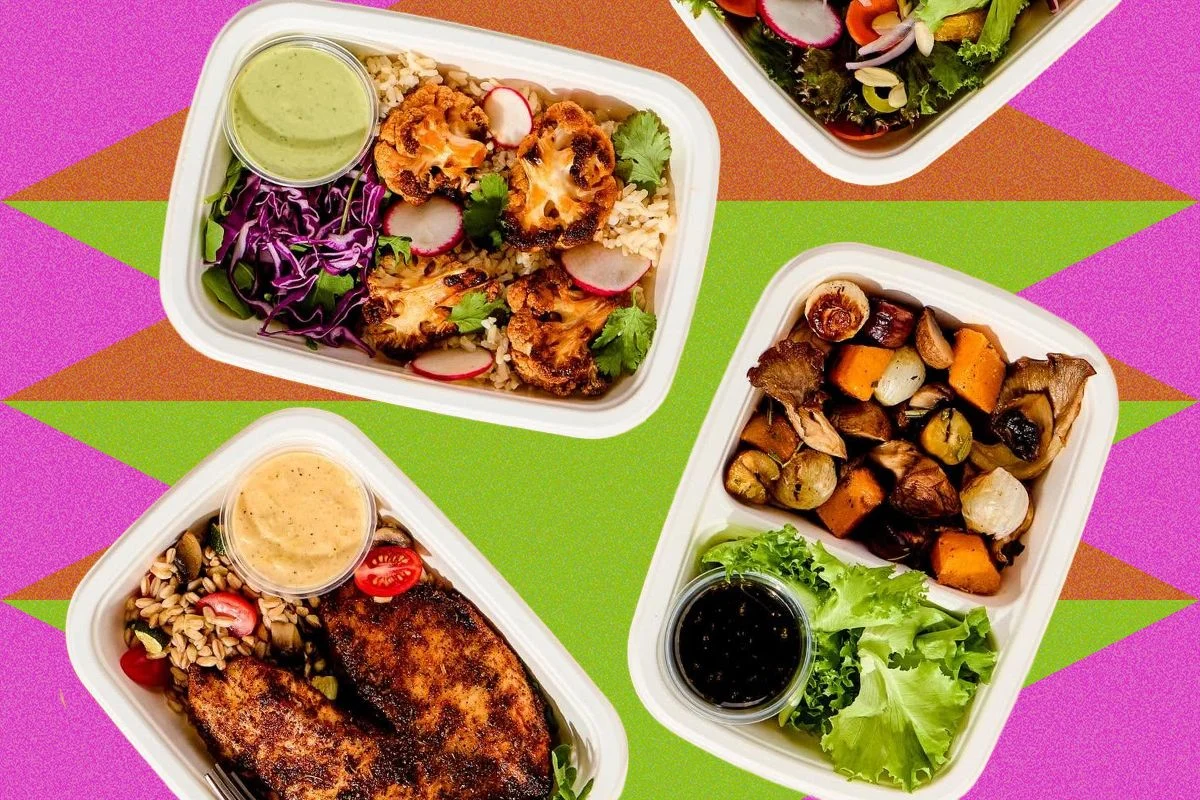
The landscape of the American food delivery industry is undergoing a significant transformation as prepared meal services transition from mass-produced, frozen fare toward a decentralized, chef-driven marketplace model. Leading this shift is CookUnity, a platform that distinguishes itself by utilizing a network of regional culinary hubs to bridge the gap between high-end restaurant quality and the convenience of subscription-based home delivery. By leveraging local talent, such as the Seattle-based Chef Raj, whose Indian cuisine has been noted for outperforming traditional brick-and-mortar establishments in the Portland metropolitan area, CookUnity is redefining the value proposition of the meal kit industry. This model prioritizes the "chef-to-consumer" connection, allowing culinary professionals to scale their operations through shared commissary spaces while maintaining the integrity of their signature dishes, from saffron-tinged basmati rice to precisely cooked proteins that avoid the common pitfalls of industrial reheating.
The Shift from Ingredients to Ready-to-Eat Solutions
The meal kit industry, which gained significant traction in the early 2010s with the rise of companies like Blue Apron and HelloFresh, originally focused on providing pre-portioned ingredients for home cooking. However, as consumer demographics shifted toward time-constrained professionals and "subscription-weary" households, the demand for high-quality, ready-to-eat (RTE) meals surged.
Market data indicates that the global meal kit delivery services market was valued at approximately $15 billion in 2021 and is projected to expand at a compound annual growth rate (CAGR) of 17.4% through 2030. Within this growth, the "prepared meals" segment is outstripping the "heat-and-cook" segment. CookUnity’s entry into this market signaled a departure from the centralized factory model. Instead of shipping meals from a single national facility, which often necessitates heavy preservatives or freezing, CookUnity established a series of regional hubs in major metropolitan areas, including Seattle, Los Angeles, Atlanta, and Chicago.
Chronology of the Prepared Meal Evolution
The trajectory of the meal delivery sector can be categorized into four distinct phases:
- 2012–2015: The Ingredient Pioneer Phase. Companies focused on the "joy of cooking" by delivering raw ingredients. This period established the logistics of cold-chain delivery but suffered from high customer churn due to the labor required.
- 2016–2018: The Diversification Phase. Services began offering "quick prep" options. It was during this time, specifically in 2015, that CookUnity was founded in New York City with the goal of creating the first chef-centric marketplace.
- 2019–2021: The Pandemic Acceleration. The COVID-19 pandemic acted as a catalyst, forcing consumers to seek restaurant-quality food at home and providing chefs with an alternative revenue stream as dining rooms closed. CookUnity expanded its hub network during this window to meet unprecedented demand.
- 2022–Present: The Quality and Logistics Refinement Phase. The current era is defined by a focus on "local-for-local" delivery. The emphasis has shifted to culinary authenticity and the reduction of "food miles" to ensure freshness.
The Regional Hub Model: A Logistical Deep Dive
The core of CookUnity’s operational success lies in its hub-and-spoke distribution system. By placing kitchens in strategic cities, the company ensures that meals do not spend more than 24 to 48 hours in transit. For a customer in Portland, Oregon, the meals are prepared in the Seattle hub. This proximity allows for the use of fresh, rather than frozen, ingredients.
However, this decentralized approach introduces a variable known in the industry as "regional mileage." Because each hub employs different local chefs and kitchen staff, the consumer experience can vary significantly by geography. While a subscriber in the Pacific Northwest may enjoy the premium offerings of Chef Raj—noted for his juicy chicken and rich, low-sugar gravies—a subscriber in the Southeast or the Midwest will have access to an entirely different roster of culinary talent.
This variability is both a strength and a logistical challenge. It allows for regional culinary diversity—such as John DeLucie’s Beef Stroganoff with Truffle and Pappardelle—but it also means that brand consistency is tied to the performance of individual regional teams. To mitigate this, CookUnity utilizes a "commissary competition" model. Chefs are essentially independent operators within a shared space, incentivized by customer ratings and feedback to maintain high standards. Their reputations, often built on independent restaurant success, serve as the primary quality control mechanism.
Economic Implications for the Culinary Industry
For chefs, the CookUnity model represents a low-risk expansion strategy. Opening a traditional restaurant in a high-cost market like Seattle or Los Angeles requires significant capital expenditure, often exceeding $1 million. By partnering with a platform-based commissary, chefs can reach thousands of customers across multiple states with minimal overhead.
--CookUnity-Prepared-Delivery-Meals.jpg)
Industry analysts suggest that this "Creator Economy for Food" allows chefs to monetize their intellectual property—their recipes and brand—without the administrative burden of managing a front-of-house staff or a physical storefront. "The incentive structure is unique," notes one food industry consultant. "When a chef’s name is on the box, the meal is no longer a faceless commodity. It is a representation of their professional brand, which drives a higher level of execution than what is typically seen in mass-market meal kits."
Supporting Data: Nutrition and Consumer Choice
Despite the high praise for flavor profiles, the prepared meal industry faces ongoing scrutiny regarding nutritional balance. Analysis of the CookUnity menu reveals a strategic trade-off between caloric density and ingredient cost.
- Starch-Heavy High-Calorie Options: Larger meal portions are frequently balanced with cost-effective starches, including rice, noodles, and pasta. This allows the service to provide satiating meals while maintaining a competitive price point, often ranging from $11 to $15 per meal depending on the subscription volume.
- Protein-Centric Moderate Portions: Meals focused on lean proteins and fresh vegetables tend to be offered in more moderate portions to account for the higher "food cost" of these ingredients.
- Regional Specialization: The Seattle hub, for example, has gained a reputation for its South Asian and fusion offerings, reflecting the demographic and culinary trends of the Pacific Northwest.
This data suggests that while the service offers a wider caloric range than competitors like Factor or Freshly, consumers must be discerning in their selections to meet specific dietary goals.
Market Reactions and Broader Implications
The reaction from the traditional restaurant sector has been mixed. While some view these services as direct competitors for the "Friday night takeout" dollar, others see them as a complementary service. In cities like Portland, where high-quality Indian food may be concentrated in specific suburbs, a delivery service that brings "better-than-local" quality to the city center fills a significant market gap.
From a broader perspective, the success of the CookUnity model points toward a future where the "Ghost Kitchen" concept evolves into a "Branded Commissary." The implications for urban planning and the real estate market are notable; as more food production moves to these industrial hubs, the demand for traditional retail restaurant space may shift toward smaller, experience-focused "boutique" dining rooms.
Future Outlook: Sustainability and Scale
As CookUnity and its competitors continue to scale, the focus is expected to shift toward sustainability. The "packaging problem"—the necessity of insulated boxes and gel packs—remains a hurdle for the industry’s environmental footprint. However, the regional hub model offers a potential solution by shortening delivery routes and allowing for more efficient logistics.
The "local mileage" factor remains the most significant variable for the consumer. As the company expands into more territories, the challenge will be maintaining the "boutique" feel of a chef-driven kitchen while operating at a national scale. For now, the evidence from the Seattle and Chicago hubs suggests that when the incentives of the chef and the platform align, the result is a product that can credibly compete with, and in some cases surpass, the local restaurant landscape.
The evolution of these services reflects a broader consumer trend: the democratization of gourmet dining. By removing the geographical and financial barriers to high-end chef-prepared food, regional hubs are not just delivering meals; they are delivering a new standard for the intersection of logistics and gastronomy.
