

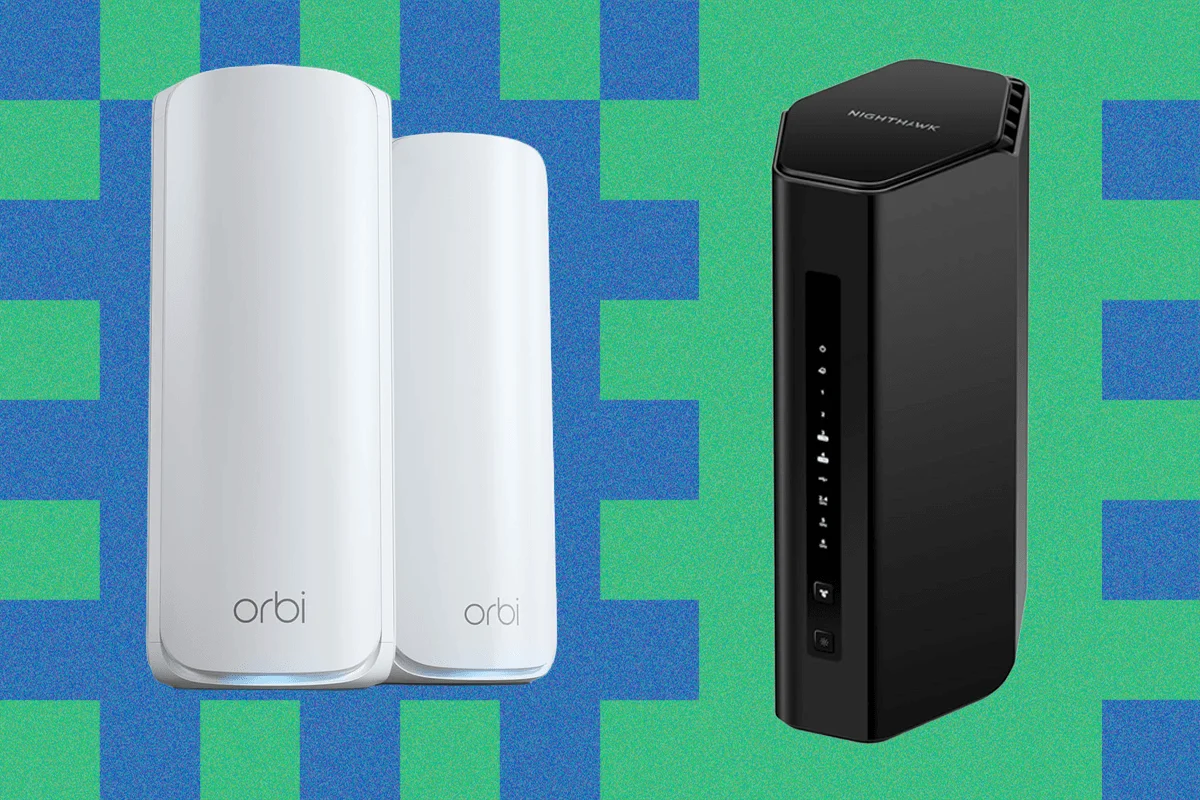
The modern domestic environment has undergone a radical transformation over the last decade, transitioning from a space where internet access was a secondary utility to one where high-speed connectivity serves as the essential backbone for work, education, and entertainment. As households integrate an increasing number of bandwidth-intensive devices—ranging from 4K streaming consoles and professional-grade workstations to expansive smart-home ecosystems—the limitations of standard networking hardware provided by Internet Service Providers (ISPs) have become a primary point of friction. This has led to a critical debate among consumers and technical experts alike: whether to invest in a high-performance single Wi-Fi router or to deploy a multi-node mesh networking system.
At its most fundamental level, a Wi-Fi router acts as the central intelligence hub of a home network. It serves as the gateway through which external data from a modem is translated into radio frequencies and distributed to local devices. While the simplicity of a single-router setup is its greatest strength, the physical laws governing radio frequency (RF) propagation present significant challenges. Signal strength inevitably degrades as it traverses distance and encounters physical obstacles such as furniture, cabinetry, and structural walls. For many residents living in modern constructions—typically characterized by timber frames and drywall—a single, high-quality router is often sufficient to cover footprints of up to 2,500 square feet. However, the efficacy of this setup is heavily dependent on strategic placement.
The Mechanics of Signal Optimization and Strategic Placement
The optimization of a single router requires a sophisticated understanding of how Wi-Fi signals interact with the environment. Industry standards suggest that the strongest signal is maintained within the immediate vicinity of the hardware, with a gradual drop-off in throughput as the distance increases. To mitigate this, network engineers recommend centralizing the router within the home and placing it in an unobstructed, elevated position. This "line-of-sight" approach minimizes the number of barriers the signal must penetrate.
Furthermore, the orientation of external antennas can significantly influence the "radiation pattern" of the Wi-Fi signal. While internal antennas are increasingly common for aesthetic reasons, adjustable external antennas allow users to polarize the signal to better reach multi-story layouts or specific dead zones. Despite these optimizations, the single-router model faces an uphill battle in larger estates or homes built with high-density materials like brick, stone, or reinforced concrete, which act as natural insulators against RF waves.
The Architectural Shift to Mesh Networking Systems
In response to the limitations of the single-router model, the networking industry introduced mesh systems. Unlike a traditional setup, a mesh system consists of a primary gateway router and a series of satellite nodes distributed throughout the premises. These nodes do not simply repeat a signal; they form a unified, intelligent network that communicates dynamically. A key feature of mesh technology is its ability to handle "seamless handoffs." As a user moves from one room to another, the system automatically transitions the device connection to the node providing the strongest signal, typically without a discernible break in the data stream.
For homes exceeding 3,000 square feet or those with complex architectural layouts, mesh systems have become the gold standard. They are particularly effective at eliminating "dead zones"—areas where Wi-Fi signals are non-existent due to structural interference. However, this increased coverage comes with a trade-off in complexity and potential bandwidth loss. Unless the nodes are connected via physical Ethernet cables—a configuration known as "wired backhaul"—the system must dedicate a portion of its wireless bandwidth to "talk" to other nodes. This "wireless backhaul" can effectively reduce the available speed for end-user devices by up to 50% in some configurations.
A Chronology of Wi-Fi Standards and the Rise of Mesh
The evolution of home networking can be traced through the development of Wi-Fi standards, which have dictated the capabilities of both routers and mesh systems:
- 2013: The Wi-Fi 5 (802.11ac) Era: This period saw the introduction of Gigabit speeds and the early conceptualization of consumer-grade mesh systems. Brands like Eero and Netgear began challenging the dominance of traditional router manufacturers.
- 2019: The Wi-Fi 6 (802.11ax) Revolution: This standard focused on efficiency in "dense" environments, allowing routers to communicate with multiple devices simultaneously (MU-MIMO). Mesh systems became mainstream during this era as work-from-home demands surged.
- 2021: The Introduction of Wi-Fi 6E: This expanded the network into the 6-GHz band, offering a "clean" lane for high-speed data, though its shorter wavelength made it even more susceptible to wall interference, further necessitating mesh nodes.
- 2024 and Beyond: Wi-Fi 7 (802.11be): The latest standard promises extreme throughput and lower latency, utilizing "Multi-Link Operation" (MLO) to allow devices to connect across multiple bands at once, significantly enhancing the stability of mesh backhauls.
Performance Analysis: Single Router vs. Mesh
Extensive real-world testing indicates that in smaller, modern environments (approx. 1,600 square feet), a high-end single router often outperforms a mesh system in raw speed and stability. Single routers generally facilitate faster file transfers within a local network and present fewer compatibility issues with smart home devices, such as wireless audio systems. Some mesh systems have been noted for "dropping" speakers or smart bulbs when the devices are positioned between two nodes, as the system may struggle to decide which node should manage the connection.
Conversely, the necessity for mesh becomes undeniable in older, "non-standard" homes. In a Victorian-era house with thick stone walls, a single router—no matter how powerful—frequently fails to provide a signal beyond two rooms. In these scenarios, the mesh system acts as a "Wi-Fi spine," relaying the signal through the obstacles. Data shows that while a node might only provide a fraction of the primary router’s speed, that connection is infinitely more valuable than no connection at all.
Alternative Connectivity Solutions: Ethernet, Powerline, and MoCA
For users seeking the ultimate in reliability, wireless solutions are often supplemented by wired alternatives.
1. Ethernet Backhaul: The most robust solution is to connect mesh nodes or stationary devices (like gaming consoles and smart TVs) via Cat6 or Cat7 Ethernet cables. This eliminates the "wireless tax" on bandwidth and ensures 100% of the ISP’s speed is available at the node.
2. Powerline Adapters: These devices utilize a home’s existing electrical wiring to transmit data. While convenient for reaching a basement or an attic, their performance is notoriously inconsistent. Real-world speeds often fall between 50 and 100 Mbps, significantly lower than the theoretical maximums advertised on the box, due to electrical noise and the age of the wiring.
3. MoCA (Multimedia Over Coax Alliance): Often considered the "hidden gem" of home networking, MoCA adapters use existing coaxial (TV) cables to transmit internet signals. With the latest MoCA 2.5 standards supporting speeds up to 2.5 Gbps, this is a highly effective way to create a high-speed wired backbone without drilling new holes for Ethernet.
Industry Trends and the "EasyMesh" Standard
The networking market has seen a significant shift toward interoperability. Historically, mesh systems were proprietary; if a consumer bought a Netgear Orbi system, they were locked into buying Orbi nodes for expansion. To combat this, the Wi-Fi Alliance developed "Wi-Fi EasyMesh," an open-source standard that allows routers and nodes from different manufacturers to work together. While adoption has been gradual, major players like TP-Link and Asus have begun integrating these standards, offering consumers more flexibility in how they scale their networks.
Furthermore, there is a growing aesthetic trend in hardware design. While traditional high-performance routers are often characterized by aggressive, multi-antenna designs that many find visually unappealing, mesh nodes are typically designed with a minimalist, "lifestyle" aesthetic. This encourages users to place them in the open rather than hiding them in cabinets, which ironically leads to better performance due to reduced signal obstruction.
Conclusion: Strategic Implications for the Consumer
The decision between a single router and a mesh system should be governed by the specific physical and technical requirements of the environment. For residents of apartments or modern small-to-medium homes, a single Wi-Fi 6 or Wi-Fi 7 router represents the most cost-effective and high-performance choice. It offers lower latency and higher top-end speeds without the complexity of node management.
However, for those residing in larger properties, multi-story dwellings, or homes with challenging architectural materials, a mesh system is an essential investment. While it requires a higher upfront cost and may result in slightly lower peak speeds at the periphery, the gain in "usability" and the elimination of dead zones provide a superior daily experience. As the "Internet of Things" (IoT) continues to expand, the ability to scale a network through additional nodes will likely become a standard requirement for the modern household. Ultimately, the best approach is often a hybrid one: starting with a "mesh-ready" single router and expanding with nodes only as the specific demands of the home’s layout become apparent.
