

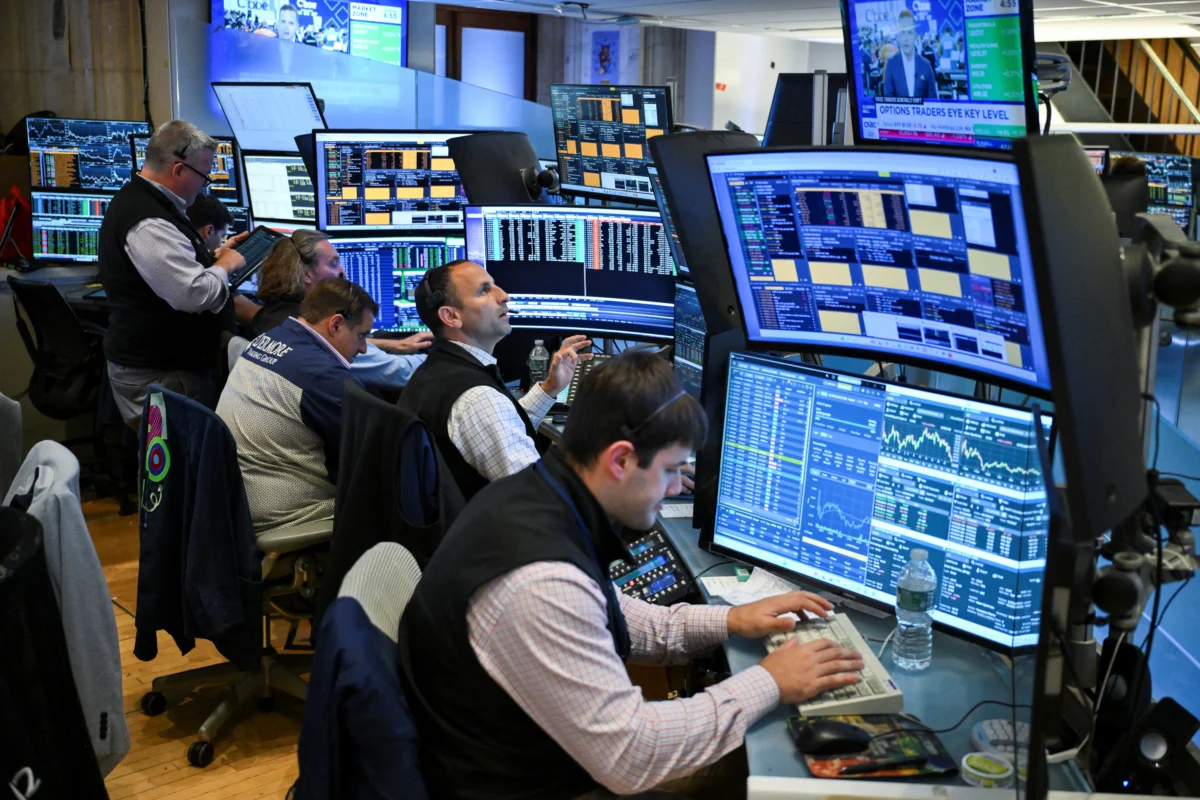
The landscape of global financial journalism underwent a seismic shift in the mid-2020s, culminating in the 2026 consolidation of major broadcasting entities under the banner of Versant Media, LLC. This transition marks a pivotal moment in how market data, real-time analytics, and financial news are disseminated to both institutional and retail investors. As the digital economy becomes increasingly fragmented, the role of centralized hubs like CNBC—now operating within the Versant Media ecosystem—has evolved from mere reporting to providing the critical data infrastructure that powers global trading floors. The integration of high-speed data snapshots and a deep partnership with legacy providers like Reuters highlights a broader industry trend: the commoditization of news and the premiumization of low-latency information.
The Consolidation of Financial Media: The Rise of Versant Media
By 2026, the media industry had moved past the era of traditional cable dominance, pivoting toward integrated "data-news" platforms. Versant Media, LLC, emerged as a dominant force following a series of strategic acquisitions aimed at unifying financial news outlets with proprietary data-processing technologies. The acquisition of CNBC represented the crown jewel of this strategy, allowing for a seamless blend of editorial expertise and high-frequency data delivery.
Industry analysts suggest that the formation of Versant Media was a direct response to the growing influence of algorithmic trading and the need for a unified regulatory voice in financial reporting. Under the new management, the emphasis has shifted toward a "data-first" editorial policy. This ensures that every headline is backed by real-time snapshots of market activity, reducing the window of misinformation that often plagues decentralized social media finance platforms.
Chronology of the Media Transformation (2023–2026)
The road to the current 2026 media environment was defined by three distinct phases of technological and corporate evolution:
- The AI Integration Phase (2023–2024): During this period, major newsrooms began implementing Large Language Models (LLMs) to automate routine market updates. This allowed human journalists to focus on investigative pieces while AI handled the rapid-fire reporting of earnings calls and economic indicators.
- The Platform War and Consolidation (2024–2025): As advertising revenues for traditional television continued to decline, legacy media companies sought shelter through mergers. Versant Media began its aggressive acquisition phase in late 2024, targeting outlets with established reputations for accuracy and deep ties to global stock exchanges.
- The Data-Centric Pivot (2025–2026): By early 2026, the focus shifted from "content" to "infrastructure." The partnership between Versant Media and Reuters was strengthened to ensure that the 15-minute delayed data standard remained a free public service, while real-time snapshots were integrated into premium institutional dashboards.
Supporting Data: The Value of Information Speed
The financial impact of this media evolution is reflected in the market valuations of data providers. In 2026, the global market for financial information services is estimated to be worth approximately $48.5 billion, a 22% increase from 2023 levels. This growth is largely driven by the demand for "clean data"—information that has been verified by both algorithmic checks and human editorial oversight.
According to a 2026 report on media consumption, 68% of active traders now cite "data reliability" as their primary reason for choosing a news source, surpassing "brand loyalty" for the first time in history. Furthermore, the volume of data processed by Versant Media’s servers has tripled since 2024, reflecting the increased complexity of global markets, which now include a heavy mix of traditional equities, tokenized assets, and 24/7 commodity trading.
The "15-minute delay" remains a standard industry benchmark for non-professional data feeds. While high-frequency traders operate in microseconds, the 15-minute window serves as a crucial buffer for the general public, providing enough time for the "market noise" to settle before retail investors make decisions. This tiered access to information has become a central point of discussion among market regulators.
Official Responses and Industry Reactions
The transition to the Versant Media era has drawn various reactions from industry leaders and regulatory bodies. In a statement released during the 2026 Media and Technology Summit, the CEO of Versant Media emphasized the company’s commitment to transparency: "Our mission is to provide a real-time snapshot of the global economy. By leveraging the historical accuracy of Reuters with our proprietary distribution network, we are ensuring that market participants at every level have access to the facts they need to navigate an increasingly volatile world."
However, the consolidation has not been without its critics. Consumer advocacy groups have raised concerns regarding the concentration of media power. A spokesperson for the Global Investor Protection League stated, "When a single entity like Versant Media controls the primary flow of financial news and data, the potential for market-moving narratives to be shaped by a few individuals increases. We must ensure that the ‘real-time snapshot’ remains an objective reflection of the market, not a curated version of it."
On the technical side, Reuters has reaffirmed its role as a foundational data provider. A corporate communique from the organization noted that their partnership with Versant ensures that "the integrity of the data remains uncompromised, regardless of the platform through which it is delivered."
The Role of Real-Time Snapshots in Modern Trading
In the 2026 market environment, the "real-time snapshot" is more than just a figure on a screen; it is a tool for survival in a high-volatility atmosphere. These snapshots provide a comprehensive view of bid-ask spreads, volume trends, and liquidity across multiple global exchanges simultaneously.
For the average user, the distinction between a real-time snapshot and delayed data is critical. Versant Media’s platforms clearly delineate these two categories to comply with international market data terms of service. The 15-minute delay, while standard, is increasingly being challenged by "near-real-time" feeds that offer a 30-second latency, providing a middle ground for sophisticated retail investors who do not require the sub-millisecond speeds of institutional banks.
Broader Impact and Implications for the Future
The implications of this new media order extend far beyond the stock ticker. The move toward a more integrated, data-heavy news cycle has fundamentally changed the nature of financial literacy. Investors are now expected to understand not just the news, but the underlying data sets that drive it.
- Democratization vs. Stratification: While technology has made data more accessible, the cost of "zero-latency" information creates a new form of information inequality. The 2026 model of media ensures that basic facts are free, but the "edge" required for significant alpha remains a paid commodity.
- Regulatory Oversight: The SEC and other global regulators are increasingly looking at "Data News" companies like Versant Media as systemic actors. In 2026, new guidelines were proposed to ensure that the algorithmic summaries provided alongside market data do not inadvertently trigger flash crashes.
- The AI Editorial Guardrail: As AI continues to generate the bulk of news updates, the role of the human editor has transitioned into a "verifier" or "auditor." This ensures that the "Versant Media" brand remains synonymous with trust, even as the volume of content reaches unprecedented levels.
As we look toward the second half of the decade, the synergy between global business news and market data will only deepen. The 2026 footer on the CNBC platform—marking it as a Versant Media company—is a subtle but profound indicator of a world where information is no longer just power; it is the very currency of the global economy. The reliance on legacy giants like Reuters for data integrity, combined with the aggressive technological expansion of new media conglomerates, suggests a future where the line between a newsroom and a trading floor continues to blur. In this environment, the "real-time snapshot" is the only true constant in an ever-shifting financial landscape.
