

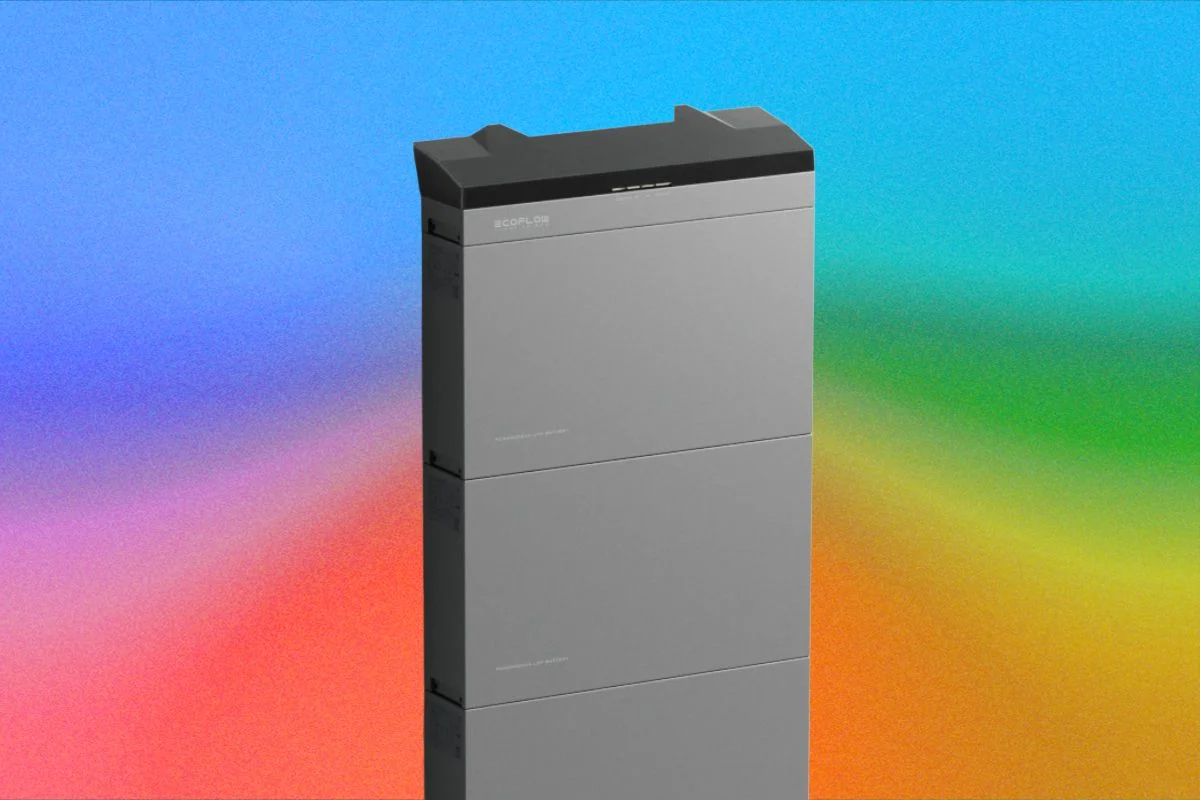
As global electricity prices experience unprecedented volatility and the transition toward renewable energy accelerates, residential energy storage systems (RESS) have transitioned from niche luxury items to essential components of the modern smart home. Home batteries, once primarily used for off-grid living, are now being deployed across urban and suburban environments to mitigate soaring utility costs, provide emergency backup during grid failures, and maximize the efficiency of residential solar arrays. The rapidly expanding market, characterized by a shift in battery chemistry and modular design, offers consumers significant opportunities for energy independence but requires a nuanced understanding of technical specifications, regulatory requirements, and long-term financial modeling.
The Strategic Imperative for Residential Energy Storage
The primary motivation for investing in a home battery system generally falls into three categories: energy arbitrage, maximizing self-consumption of renewable energy, and emergency resilience. Energy arbitrage involves "load shifting," where a battery is programmed to draw power from the grid during off-peak hours—when rates are at their lowest—and discharge that power during peak periods when utility prices spike. For households in regions with time-of-use (TOU) pricing, this can result in substantial monthly savings.
Furthermore, for the millions of homes equipped with photovoltaic (PV) solar panels, a battery solves the "intermittency problem." Without storage, excess energy generated during the peak sunlight hours of the afternoon is often exported back to the grid, sometimes at unfavorable "feed-in" rates. A battery allows this surplus to be stored and used during the evening, significantly reducing a household’s reliance on the external grid. Beyond individual benefits, energy experts note that the mass adoption of home batteries acts as a decentralized stabilizer for the national grid. By reducing peak demand, these systems help prevent grid overloads and decrease the necessity for "peaker plants," which are often the most carbon-intensive and expensive power plants to operate.
Decoding the Technology: Chemistry and Inverter Capacity
The technological heart of the modern home battery has largely shifted away from the traditional lithium-ion (Nickel Manganese Cobalt, or NMC) chemistry common in early smartphones and laptops. The industry standard has moved toward Lithium Iron Phosphate (LiFePO4 or LFP). Industry data suggests that LFP batteries are significantly safer for residential use because they possess higher thermal stability, making them less prone to "thermal runaway" or fire hazards. Additionally, LFP cells typically offer a longer cycle life, often rated for 6,000 to 10,000 charge-discharge cycles, compared to the 2,000 to 3,000 cycles common in older chemistries.
While LFP dominates the current market, emerging technologies such as sodium-ion (Na-ion) and solid-state batteries are on the horizon. Sodium-ion batteries are particularly promising for their environmental profile, as they do not require lithium, cobalt, or nickel. Although they currently have lower energy density than lithium-based systems, their performance in cold climates and lower manufacturing costs make them a technology to watch. Solid-state batteries, which replace liquid electrolytes with solid materials, promise even higher safety profiles and energy densities, though they remain in the early stages of commercial scaling for home use.
A critical, yet often overlooked, component of any home battery system is the inverter. While the battery stores direct current (DC) electricity, home appliances require alternating current (AC). The inverter’s power rating, measured in kilowatts (kW), determines how many appliances can be powered simultaneously. A 3.6-kW inverter may suffice for lighting and basic electronics, but households utilizing high-draw appliances such as electric vehicle (EV) chargers, heat pumps, or electric ovens typically require a 5-kW to 10-kW inverter to avoid tripping the system during peak usage.

A Chronological Overview of the Home Battery Market
The evolution of the home battery market can be traced through several distinct phases:
- Pre-2015: The Off-Grid Era: Home storage was largely limited to lead-acid battery banks used by those living off the grid. These systems were bulky, required significant maintenance, and had short lifespans.
- 2015–2018: The Mainstream Awakening: The launch of the Tesla Powerwall in 2015 served as a catalyst for the industry, bringing lithium-ion technology and sleek, wall-mounted designs to the mainstream consciousness. This period saw the entry of major players like LG Chem and Sonnen.
- 2019–2022: The Reliability Crisis and Policy Shifts: Rising frequency of extreme weather events and grid instability in regions like California and Texas drove a surge in demand for backup power. Concurrently, many governments began introducing "Smart Export Guarantees," which lowered the price paid for solar export, making on-site storage more financially attractive.
- 2023–Present: The LFP and Modularity Standard: The current market is defined by modular LFP systems, such as those from EcoFlow, Enphase, and BYD, which allow homeowners to start with a small capacity (e.g., 5 kWh) and expand as their budget or energy needs grow.
Financial Analysis: Costs, Incentives, and Return on Investment
The cost of a residential battery system remains a significant barrier for many, though prices have trended downward as production scales. A standard 10-kWh to 15-kWh system, including the hybrid inverter and professional installation, typically ranges from $8,000 to $15,000 in the United States, or approximately £6,000 to £10,000 in the United Kingdom.
However, the "sticker price" is often mitigated by government incentives. In the U.S., the Inflation Reduction Act (IRA) provides a 30% Federal Investment Tax Credit (ITC) for battery storage systems, even if they are not paired with solar panels. In the U.K., energy-saving materials, including batteries, have recently been granted a 0% VAT rate to encourage adoption.
The Return on Investment (ROI) is highly variable and depends on local utility rates. In regions with high electricity costs and low solar export rates, a battery system can pay for itself in 5 to 8 years. In areas with lower utility rates, the break-even point may extend to 12 years or more. Analysts suggest that the value of "peace of mind" during power outages is a non-monetary benefit that frequently tips the scale for consumers.
Regulatory Landscape and Grid Integration
The installation of a home battery is not merely a hardware purchase; it is an integration into the local electrical infrastructure, which requires adherence to strict regulatory frameworks. In many jurisdictions, such as Scotland and parts of the EU, homeowners must obtain permission from the Distribution Network Operator (DNO) before connecting larger inverters to the grid. These regulations ensure that the local transformer can handle the potential export of power from the home.
Furthermore, the rise of Virtual Power Plants (VPPs) is changing the relationship between homeowners and utilities. A VPP is a network of decentralized home batteries that a utility company can tap into during periods of extreme grid stress. In exchange for allowing the utility to occasionally draw power from their home battery, owners receive financial compensation or credits on their bills. This creates a symbiotic relationship where the homeowner helps stabilize the community’s energy supply while further shortening their ROI period.

Practical Considerations for Installation and Management
Prospective buyers must consider several logistical factors before committing to an installation:
- Space and Environment: While LFP batteries are safe, they still require adequate ventilation. Most systems are IP65 rated for outdoor installation, but extreme temperatures can affect efficiency. Cold weather, in particular, can slow down charging speeds unless the battery has an integrated heating system.
- Electrical Panel Capacity: Older homes may require a service panel upgrade or the installation of a secondary "critical loads" sub-panel to isolate essential circuits (like the refrigerator and lights) during an outage.
- Software and Monitoring: Most modern systems are managed via smartphone apps. These platforms allow users to set "reserve" levels—ensuring the battery never drops below a certain percentage in case of an emergency—and to track real-time energy flow.
- Warranty and Degradation: Most reputable manufacturers offer a 10-year warranty, but it is important to read the fine print regarding "end-of-life" capacity. A typical warranty guarantees that the battery will still hold 70% of its original capacity after a decade of use.
The Future of Domestic Energy: Solid-State and Beyond
As the world moves toward the electrification of everything—from heating via heat pumps to transportation via EVs—the home battery will likely become as standard as a water heater. Industry analysts at Wood Mackenzie predict that the global residential energy storage market will continue to grow at a compound annual growth rate (CAGR) of over 15% through 2030.
The next frontier lies in "Vehicle-to-Home" (V2H) technology, where the massive battery inside an electric vehicle can be used to power the house. While this could potentially reduce the need for standalone home batteries, the two technologies are currently viewed as complementary. A dedicated home battery provides constant, reliable management of solar and daily loads, while the EV acts as a massive reserve for multi-day outages.
In conclusion, while the initial investment in a home battery system is substantial, the combination of technological maturation, favorable government policies, and the increasing need for grid resilience makes it a compelling choice for the modern homeowner. By carefully selecting the right chemistry, sizing the inverter to meet peak demand, and leveraging available tax credits, consumers can secure their energy future while contributing to a more stable and sustainable global power grid.
