

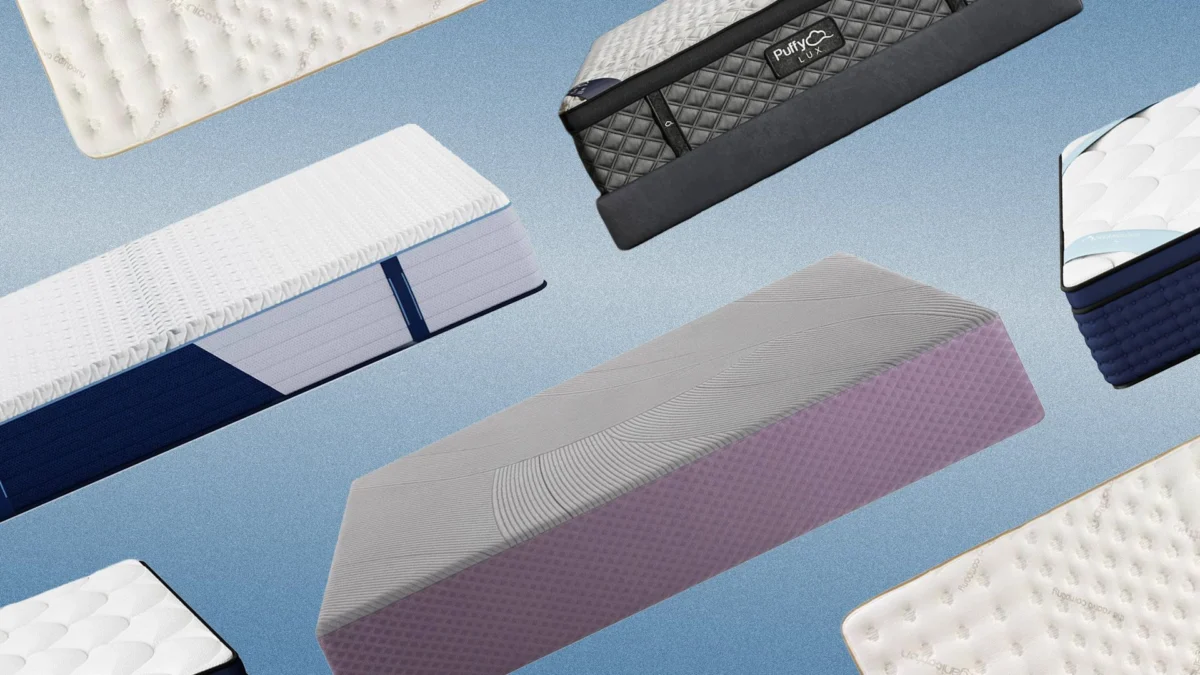
Labor Day has long served as the definitive threshold for the American retail sector, marking the transition from summer clearance to autumn inventory cycles. Within this landscape, the mattress industry has established the holiday as one of the most significant periods for consumer savings, often rivaling or exceeding the discounts seen during Black Friday and Cyber Monday. As 2024 approaches its final quarter, major manufacturers and direct-to-consumer brands have initiated early-access sales events, offering price reductions that reach as high as 60% on premium sleep systems.
The current retail environment is characterized by a fierce competition between traditional innerspring manufacturers and the burgeoning "mattress-in-a-box" segment. This competition has resulted in a buyer’s market where high-end features—such as phase-change cooling materials, organic latex, and multi-zone pocketed coils—are becoming increasingly accessible to the mid-range consumer. This report analyzes the primary offerings currently available, the technological shifts driving the industry, and the economic factors influencing these seasonal price adjustments.
The Economic Context of Labor Day Retail
Historically, Labor Day sales were designed to clear out summer inventory and make room for new models typically released in the late fall or early spring. In the mattress industry, this cycle remains relevant, but it is now amplified by the "Direct-to-Consumer" (DTC) model. DTC brands, which bypass traditional showroom overhead, use holiday weekends to aggressive capture market share from legacy retailers.
Supporting data from retail analysts suggests that the average consumer replaces a mattress every seven to ten years. Because this is a high-consideration purchase with a significant price point, holiday weekends provide the necessary psychological and financial "nudge" through deep discounting. In 2024, inflationary pressures have led many consumers to delay these large purchases, making the current round of 50% to 60% discounts particularly critical for brand volume targets.
Leading Hybrid Mattress Opportunities: DreamCloud and Nolah
Hybrid mattresses, which combine the structural support of steel coils with the pressure relief of foam layers, represent the fastest-growing segment of the market. Leading the 2024 Labor Day charge is DreamCloud, which has positioned itself as a premium yet attainable option for hybrid enthusiasts.
DreamCloud’s Early Access Incentives
DreamCloud has announced discounts of up to 60% on its mattress lineup, with additional savings of up to 66% on bedding bundles. The flagship DreamCloud Premier Hybrid, originally priced at $2,630, is currently available for $1,099. This model is specifically engineered for stomach sleepers and those who require a medium-firm surface. Technical specifications include a quilted Euro Top and cooling fiber technology designed to mitigate the heat retention issues often associated with memory foam. The brand also offers a 365-night trial period, a policy that has become a benchmark for consumer confidence in the online mattress space.
Nolah’s Specialized Support for Side Sleepers
Nolah has carved a niche by focusing on the ergonomic needs of side sleepers. During its early Labor Day event, the brand is offering a 35% sitewide discount. The Nolah Evolution 15, a high-profile hybrid mattress, has been noted by testers for its proprietary "AirFoam" technology. Unlike traditional memory foam, AirFoam is designed to be temperature-neutral and provides higher levels of pressure relief for the hips and shoulders. For consumers seeking an eco-conscious alternative, the Nolah Natural 11 utilizes GOLS-certified organic latex, a material known for its durability and natural cooling properties.
The Evolution of Memory Foam: Nectar and Zinus
While hybrids offer a traditional "bounce," memory foam remains the preferred choice for those seeking maximum motion isolation and a "cradled" sensation.
Nectar’s Market Position
Nectar has established itself as a dominant force in the memory foam sector through aggressive pricing and comprehensive warranties. For the current holiday cycle, Nectar is offering up to 50% off mattresses. The Nectar Classic Memory Foam Mattress, reduced from $1,615 to $699, represents one of the most competitive price points in the mid-range market. Industry analysis suggests that Nectar’s success is largely due to its "sweet spot" positioning—providing a more premium feel than entry-level budget foams while remaining significantly more affordable than luxury brands like Tempur-Pedic.
Zinus and the Budget Segment
For consumers focused on maximum affordability, Zinus remains a key player. Known for its Green Tea-infused memory foam, Zinus often leads the sub-$500 category. Current promotions include the Original Green Tea Memory Foam Mattress at approximately 30% off. While Zinus targets the budget-conscious shopper, its inclusion of cooling gel layers in models like the Cooling Green Tea Mattress reflects a broader industry trend where premium cooling features are migrating down to entry-level products.
Luxury and Innerspring Standards: The Saatva Benchmark
In contrast to the compressed, boxed shipping method, Saatva continues to champion the luxury innerspring model, delivered via white-glove service. Saatva’s Labor Day strategy involves a tiered discount system, offering $350 off orders exceeding $1,000.
The Saatva Classic remains a perennial favorite for those who prefer the traditional feel of a hotel-style mattress. It features a "coil-on-coil" construction, which provides superior edge support and durability compared to all-foam alternatives. Furthermore, the brand’s Loom & Leaf model competes directly with high-end memory foam brands, utilizing high-density foams and cooling gel lamination. Saatva’s refusal to compress its mattresses in boxes is a key marketing differentiator, appealing to consumers who equate "flat-packed" with "lower quality," regardless of the technological advancements in foam compression.
Sustainability and Organic Materials: PlushBeds and Awara
As environmental consciousness becomes a primary driver for consumer choice, the organic mattress segment has seen a surge in interest. These mattresses avoid synthetic foams and chemical flame retardants, opting instead for natural latex, wool, and cotton.
PlushBeds Luxury Eco-Friendly Models
PlushBeds, a California-based manufacturer, is offering discounts of up to 50% for its summer and Labor Day sales. Their Botanical Bliss Organic Latex Mattress is frequently cited for its customizable firmness levels and its use of GOLS-certified latex and GOTS-certified organic wool. The durability of natural latex—often lasting 15 to 20 years—provides a strong long-term value proposition that justifies its higher initial cost.
Awara’s Hybrid Organic Approach
Awara offers a more streamlined approach to the organic market. Its Premier Hybrid mattress is currently discounted by up to 50%, bringing the price of its popular models closer to synthetic competitors. By using New Zealand wool and pocketed coils, Awara targets consumers who want a sustainable product without the "squishy" feel of a pure latex bed. Analysts note that Awara’s success in this segment is driven by making "green" sleep accessible to the average household budget.
Industry Analysis: The Physics of Modern Sleep
The 2024 sales reflect a deeper technological shift in how mattresses are constructed. Three major trends have emerged:
- Thermal Regulation: "Hot sleeping" is the most common consumer complaint. In response, brands are increasingly moving away from standard poly-foams to open-cell structures and phase-change materials (PCM) that actively absorb and dissipate body heat.
- Zoned Support: Rather than a uniform feel across the entire surface, modern mattresses now feature "zoned" construction. This means the middle third of the mattress is firmer to support the lumbar region, while the head and foot sections are softer to accommodate the shoulders and legs.
- Motion Isolation vs. Buoyancy: The industry is moving toward a middle ground. Consumers want the motion isolation of foam (so they don’t feel a partner moving) but the buoyancy of coils (so they don’t feel "stuck" in the bed). This is why hybrid models have become the dominant architectural choice for top-tier brands.
Timeline and Strategy for Labor Day Shopping
Retail experts recommend a specific chronology for those looking to maximize their savings during this period.
- Early August: Brands begin "Early Access" or "Sneak Peek" sales. These often match the actual holiday discounts and allow for earlier delivery dates.
- Late August: This is the peak period for "Bundle Deals." Retailers often include free pillows, protectors, and sheet sets (valued at $300-$500) to entice shoppers before the holiday weekend begins.
- Labor Day Weekend (Friday-Monday): The final "Flash Sales" occur. While discounts rarely get deeper than the early-access period, this is the last chance for consumers to secure holiday pricing before inventory levels for popular sizes (like Queen and King) begin to dwindle.
- Post-Labor Day: "Extended Sales" may run through the following Tuesday or Wednesday, but delivery times often stretch as the logistics networks handle the surge in orders.
Conclusion: The Long-Term Impact on Consumer Wellness
The intensification of Labor Day mattress sales represents more than just a retail phenomenon; it reflects an increasing societal focus on sleep as a pillar of health. As medical research continues to link sleep quality to cardiovascular health, cognitive function, and immune response, the mattress has transitioned from a piece of furniture to a piece of health equipment.
The 2024 discounts from brands like DreamCloud, Saatva, and Nectar provide a critical entry point for consumers to upgrade their sleep environment during an economically challenging period. With savings of $500 to $1,500 common across the industry, this Labor Day weekend stands as a pivotal moment for both the retail economy and the general wellness of the sleeping public. Consumers are advised to look beyond the "sticker price" and evaluate the long-term value of warranties, trial periods, and material certifications to ensure their investment provides the necessary support for the decade to come.
