

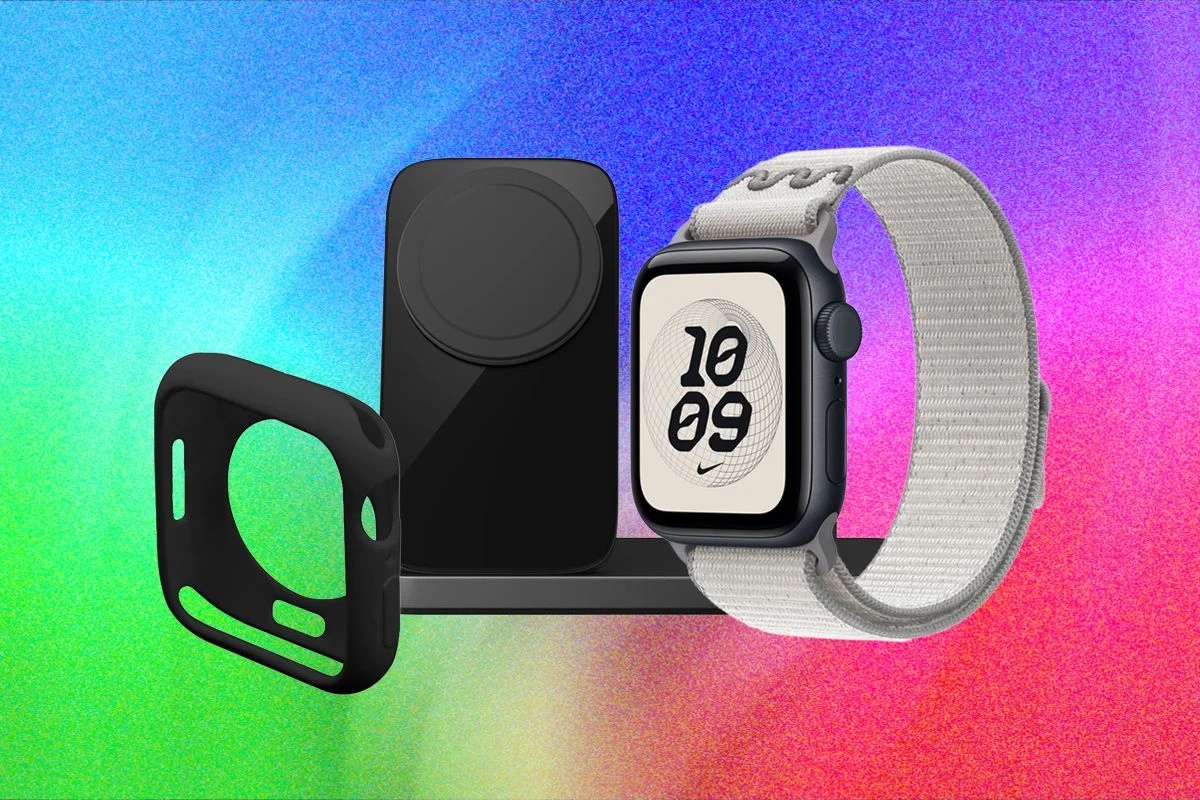
The Apple Watch has solidified its position as the preeminent wearable device for iPhone users, commanding a significant portion of the global smartwatch market. Since its initial release in 2015, the device has evolved from a luxury fashion statement into an essential tool for health monitoring, fitness tracking, and streamlined communication. However, as the device becomes more integrated into daily life, the importance of the secondary accessory market has grown exponentially. Industry analysts suggest that the global market for wearable accessories is projected to exceed $14 billion by 2028, driven by consumer demand for personalization, protection, and enhanced charging efficiency.
For the modern Apple Watch owner, the device is often only as effective as the accessories that support its daily operation. While the base unit provides the core technology, the choice of bands, protective cases, and charging solutions determines the wearable’s comfort, longevity, and utility. This guide examines the top-tier accessories currently available, supported by technical data, market context, and expert testing, to help users optimize their Apple Watch experience.
The Evolution of the Apple Watch Ecosystem
The trajectory of the Apple Watch has been marked by several key milestones that have influenced accessory development. In 2015, the launch of the original Apple Watch introduced the proprietary lug system for bands, a design choice that created an immediate and thriving third-party market. By 2021, the introduction of fast charging with the Series 7 required a new generation of charging pucks and stands. Most recently, the 2023 and 2024 updates—including the Series 10 and the Ultra 2—have focused on larger displays and refined materials, necessitating more precise protective gear.

As Apple continues to push the boundaries of what a wearable can do, the accessories have had to keep pace. The transition from standard wireless charging to the Qi2 standard is a prime example of this evolution. Qi2, based on Apple’s MagSafe technology, offers more efficient power transfer and better alignment, a feature that is now being integrated into premium third-party charging stands.
Essential Bands for Comfort and Utility
The choice of watch band is perhaps the most personal decision an owner makes. While Apple’s standard fluoroelastomer "Sport Band" is durable, it often lacks the breathability required for 24-hour wear, particularly for users who utilize the watch for sleep tracking.
The Nike Sport Loop: A Standard in Versatility
The Nike Sport Loop remains a top recommendation for everyday use. Constructed from a blend of recycled polyester, Spandex, and nylon, the band offers a level of breathability that rigid materials cannot match. The hook-and-loop closure system allows for micro-adjustments, ensuring a perfect fit that is critical for the accuracy of the watch’s optical heart rate sensor.
Technical testing indicates that textile bands like the Sport Loop are superior for moisture management during high-intensity interval training (HIIT) or long-distance running. Despite not being officially marketed as a "swim band" by all retailers, the material’s quick-drying properties make it a viable option for aquatic activities, provided it is rinsed of chlorine or salt after use.
-Reviewer-Photo-(no-border)-SOURCE-Simon-Hill.jpg)
Professional and Aesthetic Alternatives
For users seeking a more formal aesthetic, brands like Konsu NYC offer high-quality leather straps that transition the device from a fitness tracker to a piece of jewelry. The market for premium leather and metal bands (stainless steel or titanium) has seen a resurgence as more professionals adopt the Apple Watch Ultra as their primary timepiece. These materials offer weight and texture that mimic traditional horology, appealing to a demographic that values both technology and classic style.
Advanced Charging Solutions and the Rise of Qi2
Charging remains the Achilles’ heel of the smartwatch experience. Despite improvements in battery efficiency, most Apple Watch models require a daily charge, especially if features like the Always-On display or GPS tracking are heavily utilized.
The Nomad Stand One Max
The Nomad Stand One Max represents the pinnacle of the "splurge" category. Its minimalist design, featuring high-quality metal and glass finishes, is intended to complement modern interior aesthetics. More importantly, it supports fast charging for the Apple Watch and incorporates Qi2 technology for the accompanying iPhone charging pad.
Qi2 is a significant advancement in the accessory space. By providing 15-watt charging for iPhones in a standardized format, it ensures that users are not tethered to proprietary Apple-only hardware for high-speed power. However, consumers should note that many premium stands, including the Nomad, do not include the necessary 40W power adapter in the box, adding to the total cost of ownership.

Portable Power: The Anker MagGo
For travelers and commuters, portable power is a necessity. The Anker MagGo Power Bank for Apple Watch addresses a specific pain point: the fear of a dead battery during a long day of travel. With a 10,000-mAh capacity, this device can charge an Apple Watch multiple times while also providing a 30-watt USB-C output for an iPhone or iPad. The inclusion of "Nightstand Mode" support on a portable charger is a thoughtful design touch, allowing users to use their watch as a bedside clock even when away from a permanent power source.
Protection and the Financial Logic of AppleCare
The Apple Watch is an inherently exposed piece of technology. Unlike a smartphone, which spends much of its time in a pocket or on a desk, a watch is constantly at risk of colliding with doorframes, gym equipment, or pavement.
Minimalist Protective Gear
For users who want to maintain the watch’s silhouette while adding a layer of security, the Hontao Ultra Thin Case is a standout. Made from matte thermoplastic urethane (TPU), it provides a "bumper" that absorbs the impact of daily bumps. In the screen protector category, the LK Screen Protector (also TPU-based) is favored for its "self-healing" properties, which can make minor scratches disappear over time.
Data from repair centers suggest that the majority of Apple Watch damage occurs at the edges of the Ion-X or sapphire crystal glass. A bumper case, even a thin one, can reduce the likelihood of a shattered screen by up to 60% in low-velocity impacts.

The Exorbitant Cost of Repair
The necessity of protection is underscored by Apple’s service pricing. For an Apple Watch Series 10, an out-of-warranty screen repair can cost between $299 and $399, depending on the model. For the Apple Watch Ultra 2, that price jumps to $499—nearly the cost of a brand-new Series 10.
Consequently, industry experts and journalists consistently recommend AppleCare+. The extended warranty plan reduces the cost of "accidental damage" repairs to a $69 or $79 deductible. When analyzed as a form of insurance, the combination of a $10 screen protector and AppleCare+ offers the most robust financial protection for the consumer.
Specialized Integration and Organization
As the Apple Watch ecosystem grows, the problem of "accessory clutter" becomes more prevalent. Users who collect multiple bands for different occasions need specialized storage solutions.
Storage: Twelve South TimePorter
The Twelve South TimePorter is a wall-mounted solution that treats watch bands as a display piece rather than clutter. By using a compressive groove system, it allows users to slide bands in and out easily. This type of organizational tool is reflective of a broader trend where tech accessories are becoming integrated into home organization and interior design.

Fitness Stats and Content Creation: Insta360 X5
A unique niche in the accessory market involves data integration. The Insta360 X5 camera allows athletes and vloggers to overlay their Apple Watch fitness stats—such as heart rate, speed, and elevation—directly onto 8K 360-degree video. This level of software-hardware integration represents the future of the wearable market, where the watch acts as a data hub for other devices in the user’s environment.
Market Analysis and Future Implications
The Apple Watch accessory market is no longer a secondary thought for manufacturers; it is a primary driver of innovation. As Apple moves toward its "Apple 2030" goal of becoming carbon neutral across its entire business, we are seeing a shift in the materials used by third-party vendors. Recycled plastics, Kevlar-reinforced cables, and ethically sourced leathers are becoming standard selling points.
Furthermore, the stabilization of the Apple Watch design language—retaining the same band lug system for nearly a decade—has provided a level of "investment security" for consumers. A high-quality band purchased for a Series 4 in 2018 is likely still compatible with the Series 10 in 2024. This continuity has fostered brand loyalty and encouraged users to spend more on premium accessories, knowing they will not be rendered obsolete by the next hardware iteration.
In conclusion, while the Apple Watch is a powerful standalone device, its true potential is unlocked through a curated selection of accessories. From the breathable comfort of a Nike Sport Loop to the advanced efficiency of a Qi2 charging stand, these additions transform the watch from a mere gadget into a seamless, protected, and highly functional part of the user’s daily life. As repair costs remain high and the device’s role in health and fitness expands, the "accessory ecosystem" will remain a vital consideration for every owner.
