

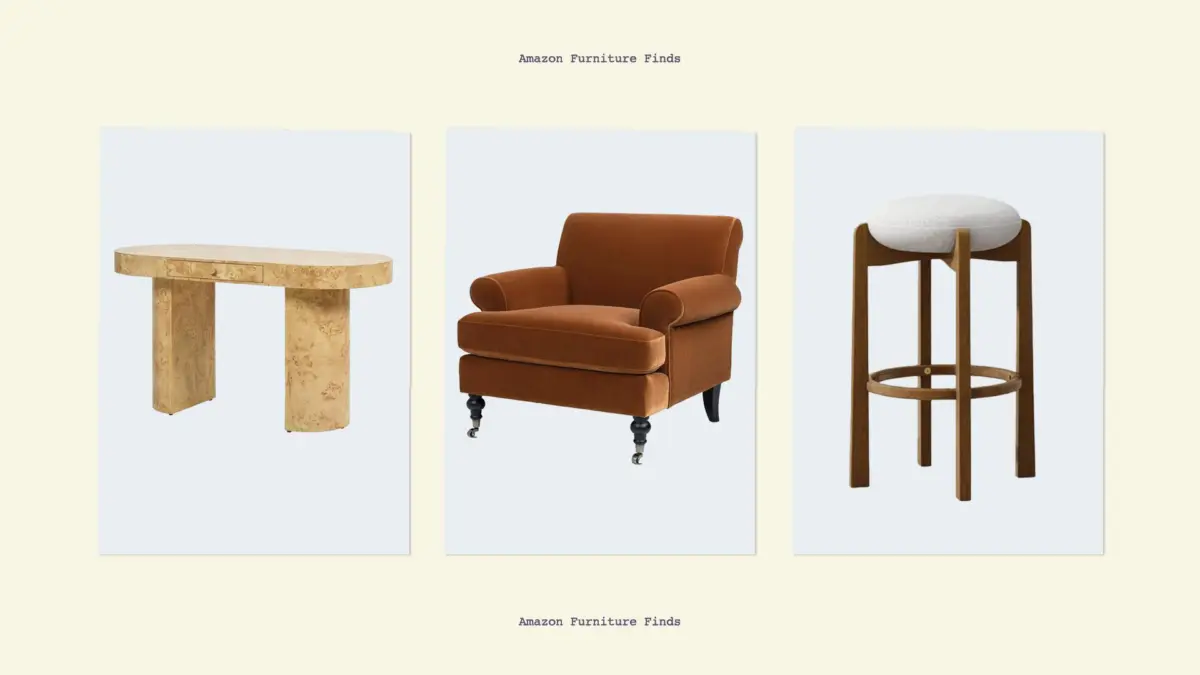
The global home furnishings market has undergone a seismic shift over the last decade, transitioning from high-street showrooms to digital storefronts, with Amazon emerging as a dominant force in the sector. Once viewed primarily as a destination for small household essentials and electronics, the e-commerce giant has successfully penetrated the high-margin furniture industry by curating a mix of proprietary brands and third-party designer labels. Industry experts note that the "everything retailer" now competes directly with specialized retailers like West Elm, Wayfair, and IKEA by offering a surprisingly sophisticated selection of midcentury-modern sofas, sculptural lighting, and minimalist storage solutions. This evolution reflects a broader trend in consumer behavior where convenience, rapid shipping, and peer-reviewed reliability often outweigh the traditional "touch and feel" experience of brick-and-mortar furniture shopping.
The Strategic Shift in Online Home Furnishings
The growth of Amazon’s furniture division is not an accidental byproduct of its scale but a result of deliberate strategic expansion. According to market data from 2023, the online furniture and homeware market in the United States alone reached an estimated valuation of over $200 billion. Amazon’s role in this growth was solidified through the launch of its private-label brands, such as Rivet and Stone + Beam, in late 2017. These brands were designed to capture the aesthetic of high-end retailers while leveraging Amazon’s unmatched logistics network.
Today, the platform serves as a massive aggregator for both established design houses and budget-conscious manufacturers. The challenge for the modern consumer is no longer finding furniture on Amazon, but rather navigating a vast inventory to identify pieces that offer genuine design value. Curated selections, often highlighted by design authorities, focus on pieces that utilize high-quality materials like solid wood, performance velvet, and hand-woven jute, signaling a move away from the "disposable" reputation of early e-commerce furniture.
A Chronology of Amazon’s Logistics and Brand Integration
The timeline of Amazon’s dominance in the furniture space can be traced through several key milestones:
- 2015-2016: Amazon begins expanding its warehouse capabilities to handle "Heavy and Bulky" items, investing in specialized delivery networks that allow for room-of-choice delivery and assembly services.
- 2017: The debut of Rivet (midcentury modern) and Stone + Beam (modern farmhouse) marks Amazon’s entry into direct furniture design.
- 2019-2021: The COVID-19 pandemic accelerates the adoption of online furniture shopping as physical showrooms close. During this period, Amazon sees a 35% increase in home goods sales.
- 2022-2024: Integration of Augmented Reality (AR) tools, such as "View in Your Room," allows customers to visualize large-scale furniture in their actual living spaces via mobile apps, significantly reducing return rates.
Curated Seating: From Velvet Sectionals to Solid Wood Stools
In the current market, seating is the most searched furniture category on Amazon. The appeal lies in the variety of silhouettes that mirror contemporary trends like "Japandi" (a fusion of Japanese and Scandinavian styles) and "California Neutral."

One of the standout performers in the seating category is Nathan James. The brand has built a reputation for providing "design-forward" furniture that caters specifically to renters and first-time homeowners. Their Barker Counter Height Solid Wood Barstool is a prime example of the platform’s handsome finds, utilizing slim wood frames and cushioned seats that integrate seamlessly into various aesthetics.
For living room environments, Jennifer Taylor Home has become a staple for those seeking a vintage-inspired look with modern durability. The Bliss Lawson Sofa features rolling casters and high-grade upholstery options like green velvet, offering a level of sophistication previously reserved for boutique design studios. Similarly, the Acanva Curved Back Velvet Sofa reflects the trend toward organic, sculptural shapes in interior design. Reviews for these pieces often emphasize that the modular options and ease of cleaning make them practical for families, despite their high-fashion appearance.
In the luxury-at-a-discount segment, Poly & Bark’s Napa Corner Sectional has gained a cult following. Using top-grain leather and kiln-dried wood frames, the brand competes with high-end retailers by offering similar quality at a significantly lower price point, supported by Amazon’s robust return policies.
Lighting and Decorative Accents: Enhancing the Atmosphere
Lighting serves as the "jewelry" of a room, and Amazon’s inventory in this category has expanded to include reputable designers. A significant development in recent years is the availability of Loloi rugs, specifically the Weatherstaff Jute collection designed by Leanne Ford. These pieces offer a relaxed, high-pile aesthetic that anchors a room in texture rather than just color.
In the realm of illumination, the Versanora Arquer Arc Floor Lamp remains a top-tier recommendation with hundreds of five-star reviews. Its architectural silhouette provides a focal point in open-concept living spaces. For more minimal environments, Globe Electric offers sculptural lamps with a Japandi lean, emphasizing blond wood and neutral tones. These items highlight Amazon’s ability to provide "dupes" for expensive designer lighting, making high-end aesthetics accessible to a broader demographic.
Storage and Workspace Optimization
As remote work remains a permanent fixture for millions, the demand for ergonomic and aesthetically pleasing office furniture has surged. The Branch Duo Standing Desk, a piece frequently lauded by ergonomic experts, is now available through Amazon’s storefront. Analysts suggest that the presence of "serious" office brands on the platform has forced budget manufacturers to improve their quality standards to remain competitive.

Storage solutions have also seen a design upgrade. Yamazaki Home, a Japanese brand known for minimalist metal and bamboo pairings, has become a favorite among organization enthusiasts. Their rolling slim bathroom utility carts and entryway shoe racks prioritize space efficiency without sacrificing style.
Furthermore, the Walker Edison Paisley Scalloped Sideboard demonstrates the platform’s move toward "Modern Farmhouse" and "Cottagecore" trends. By incorporating scalloped doors and textured finishes, these storage pieces act as decorative anchors for entryways and dining rooms, effectively hiding household clutter behind a sophisticated facade.
Market Analysis: The Implications of Peer Reviews and Pricing
The "Amazon effect" on the furniture industry is driven largely by user-generated content. Prime members are among the most prolific reviewers in the e-commerce world, providing a level of transparency that traditional retailers often struggle to match. A product with thousands of reviews, including customer-uploaded photos, offers a "real-world" perspective on color accuracy, assembly difficulty, and long-term durability.
However, market analysts warn consumers to be mindful of price fluctuations. Amazon’s pricing algorithm is dynamic, often changing based on stock levels, competitor pricing, and seasonal demand. While events like Prime Day and Black Friday offer genuine discounts, some third-party sellers may inflate "Original Prices" to make discounts appear more significant than they are. Fact-based shopping requires consumers to use price-tracking tools to ensure they are receiving true value.
Addressing the "Wild West" of Third-Party Sellers
While Amazon’s own brands (Rivet, Stone + Beam) and established partners (Nathan James, Christopher Knight) are reliable, the platform also hosts thousands of third-party sellers. This creates a "Wild West" environment where brand authenticity can vary.
Industry experts recommend that buyers look for "Sold by Amazon" or "Fulfilled by Amazon" to ensure easier returns and customer service support. Furthermore, investigating a brand’s digital footprint outside of the Amazon ecosystem is a vital step in verifying quality. Brands that maintain their own professional websites and have been featured in reputable design publications are generally safer investments than "alphabet soup" brands that exist solely on the platform.

Sustainability and the Future of "Fast Furniture"
The convenience of Amazon furniture raises important questions regarding sustainability. The "fast furniture" model—characterized by low prices and rapid replacement—contributes to environmental strain through carbon-heavy shipping and the use of composite materials that are difficult to recycle.
In response, there is a growing movement toward "investment pieces" on the platform. Brands that utilize FSC-certified wood and recycled fabrics are beginning to gain traction. The future of Amazon’s furniture sector likely lies in its ability to balance its core tenets of speed and low cost with an increasing consumer demand for ethically sourced and long-lasting home goods.
Conclusion: A New Standard for Digital Decor
The transformation of Amazon into a legitimate destination for "handsome" furniture finds represents a broader maturation of the e-commerce landscape. By blending high-concept design with the logistical efficiency of a global tech giant, the platform has redefined how the modern consumer furnishes their home. Whether it is a Kartell Componibili storage unit or a velvet sectional from a boutique manufacturer, the best finds on Amazon today suggest that style and convenience are no longer mutually exclusive. As the platform continues to refine its curation and delivery capabilities, it is poised to remain a central pillar of the global home furnishings industry for the foreseeable future.
