

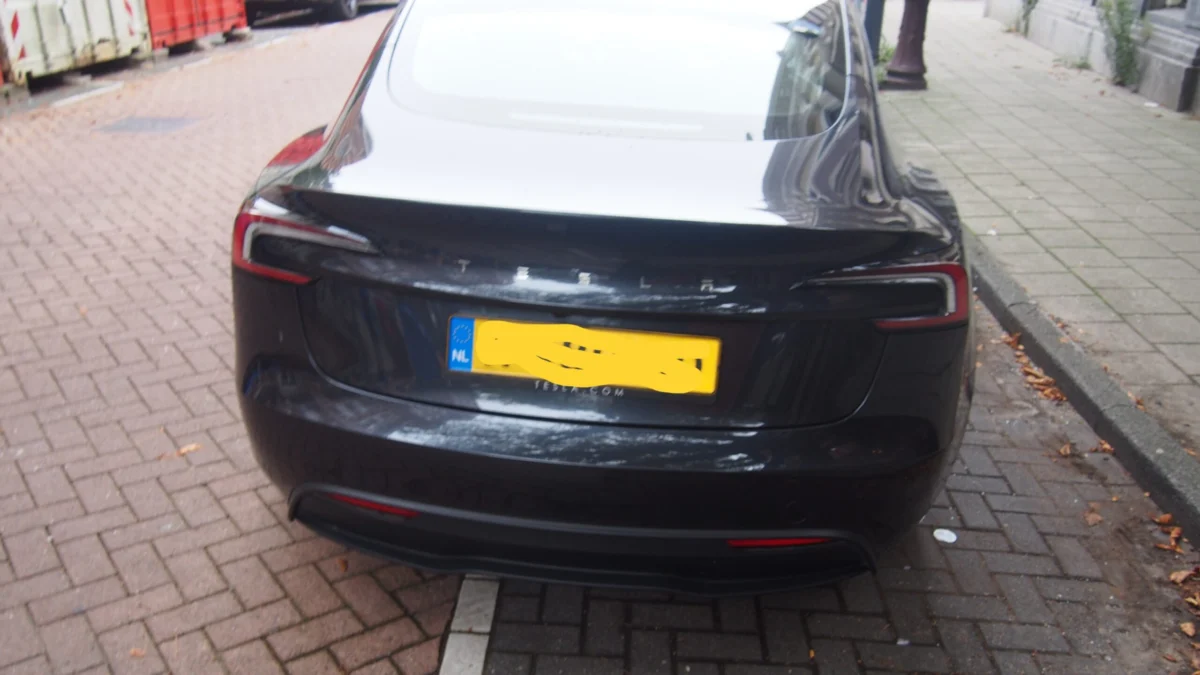
In a significant benchmark for autonomous driving technology, a Tesla Model 3 equipped with the latest Full Self-Driving (FSD) software was recently tested against XPENG’s Vision-Language-Action (VLA) 2.0 system on the complex streets of Amsterdam. This head-to-head comparison offers a rare glimpse into how the world’s leading semi-autonomous systems handle the idiosyncratic challenges of European urban environments, which differ drastically from the wide, gridded boulevards of North American cities. The test, conducted using a Tesla Model 3 "Highland" edition, highlighted a fundamental divergence in software philosophy, characterized by Tesla’s current "react and correct" behavior when faced with the high-density traffic and non-linear movement of Dutch commuters.
Technical Specifications and Environmental Context
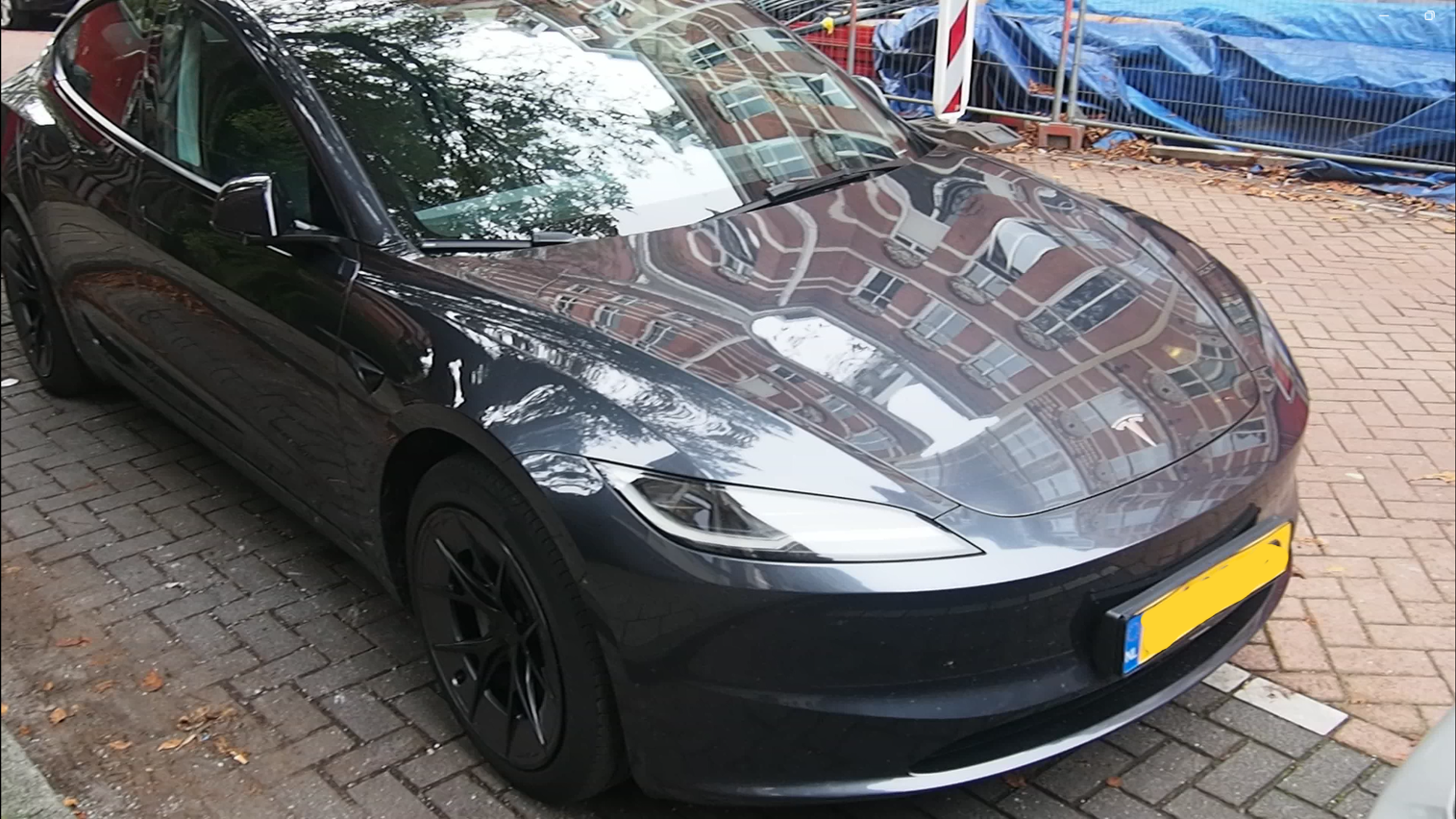
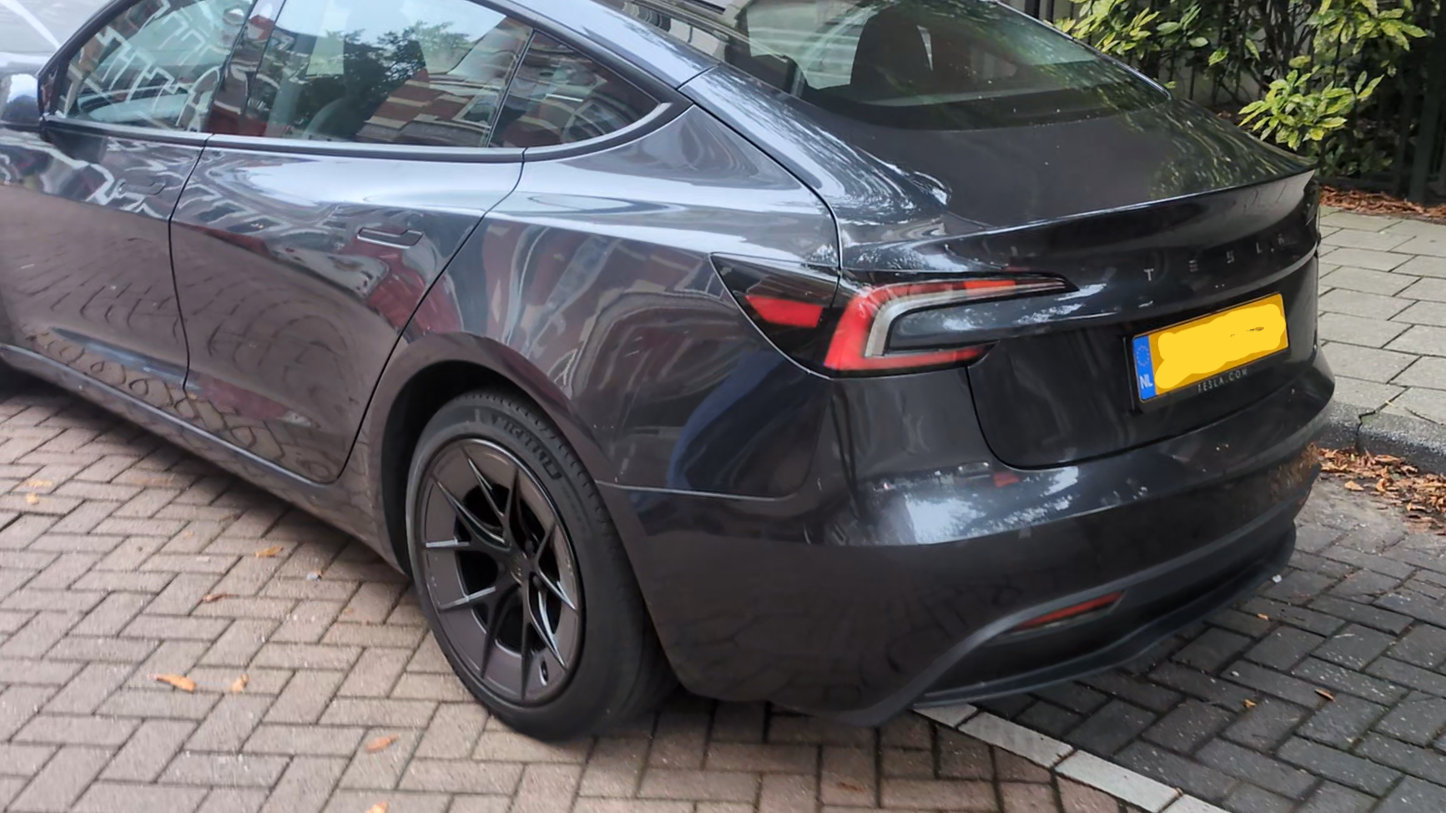
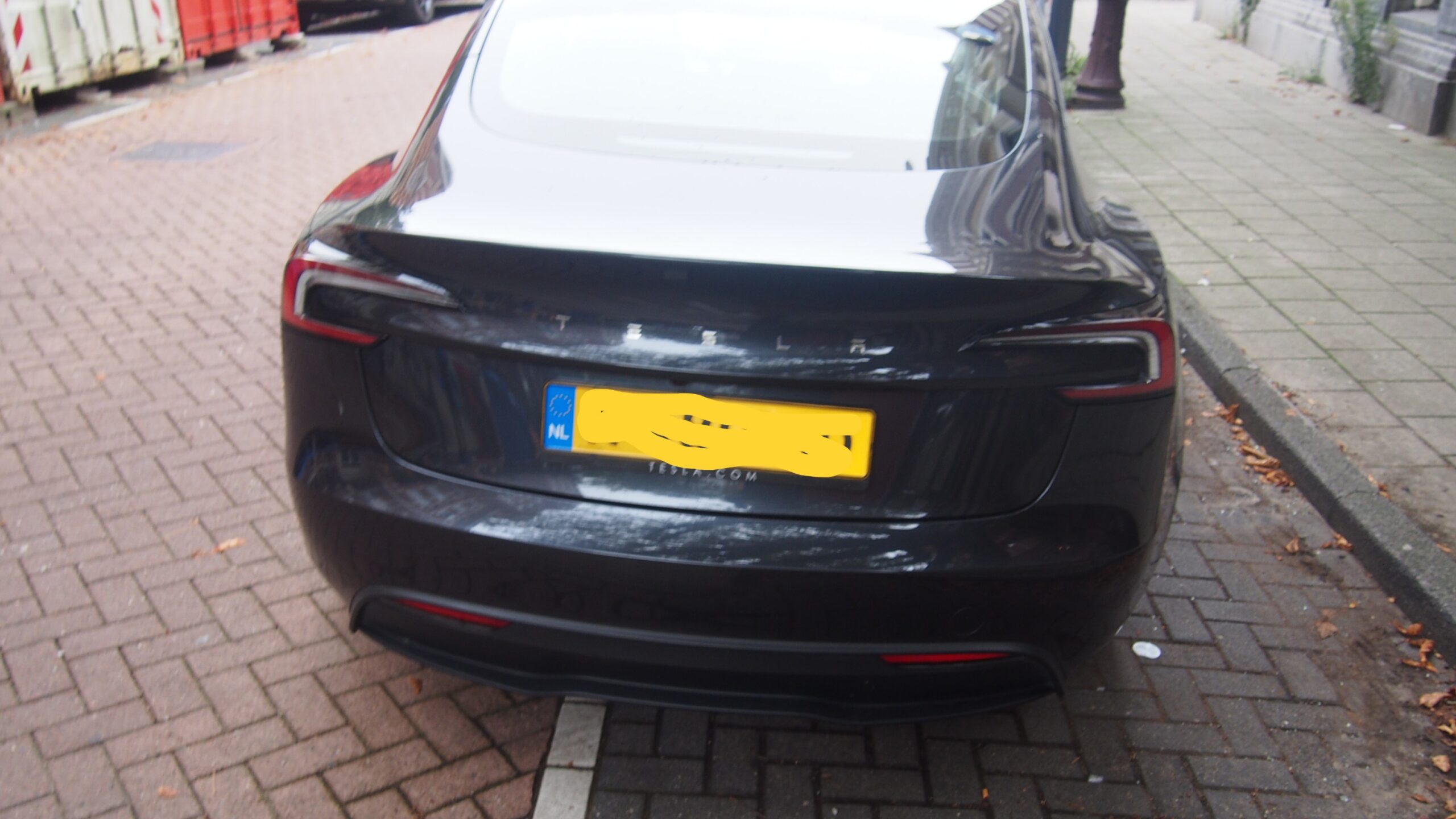
The vehicle utilized for the Amsterdam test was a black Tesla Model 3 Highland, the latest iteration of the electric sedan produced at Tesla’s Gigafactory Shanghai. This specific model features Hardware 4 (HW4), the newest suite of cameras and processing power designed to support Tesla’s transition to an end-to-end neural network architecture. Notably, the European-spec Highland lacks traditional turn signal stalks, moving those functions to haptic buttons on the steering wheel—a design choice that adds a layer of complexity for drivers during manual interventions in tight urban turns.
Amsterdam represents a "stress test" for autonomous systems. The city is defined by its narrow, brick-paved streets, frequent tram crossings, and a cycling population that often exceeds the number of motorized vehicles. Unlike the predictable patterns found in suburban Texas or California, Amsterdam’s traffic is a fluid mix of pedestrians, high-speed cyclists, and public transit. While Tesla’s FSD (Supervised) is widely deployed across North America, its expansion into Europe has been measured due to varying regulatory frameworks. The Netherlands, however, has emerged as a primary testing ground, providing a unique opportunity to compare Tesla’s progress against Chinese competitors like XPENG, which is currently refining its VLA 2.0 system for international markets.
Chronology of the Comparative Test Drive
The evaluation was conducted over multiple loops of a predetermined route through central Amsterdam. To ensure consistency and safety, the test involved a professional driver who had previously piloted the XPENG L03 on the same route. This allowed for a direct comparison of "risk tolerance"—the threshold at which a human driver feels compelled to intervene to prevent a collision or traffic violation.
During the initial laps, traffic was heavy, coinciding with peak commuting hours. As the day progressed and the third loop commenced, traffic subsided, allowing the Tesla to operate in a less congested environment. This shift in variables provided critical data on how FSD’s performance scales with environmental complexity.
In the first lap, the Tesla Model 3 encountered significant difficulties with Amsterdam’s "waypoint" navigation. Waypoints are specific coordinates set by the user to dictate a precise route. The Tesla frequently missed these markers, leading to "looping" behavior where the car would attempt to circle the block to reach a missed point, sometimes entering incorrect lanes or blocking traffic in the process. These errors necessitated multiple driver interventions to keep the vehicle on the designated path.
Performance Analysis: The "React and Correct" Philosophy
The most prominent observation during the Tesla’s performance was its "react and correct" operational style. Unlike systems that aim for a "human-like" flow, the Tesla FSD appeared to process environmental data in a manner that led to abrupt physical responses.
When the system’s cameras detected a cyclist at a distance, the vehicle would often brake sharply rather than coast or adjust its trajectory subtly. While this approach prioritizes safety by maintaining a large buffer zone, it frequently resulted in secondary traffic issues. In one recorded instance, the Tesla stopped abruptly in the middle of a dedicated bike lane to yield to an oncoming cyclist who was still a significant distance away. This maneuver inadvertently blocked a second cyclist approaching from a different direction, creating the very hazard the system was likely trying to avoid.
Steering inputs also reflected this jerky methodology. On the slick, wet brick surfaces common in Amsterdam, the Tesla’s steering wheel was observed moving in short, rapid spurts—turning, then correcting, then turning again. This lack of smooth, continuous input led to minor tire slippage on the damp pavement. Such behavior suggests that while the neural networks are identifying obstacles correctly, the translation of that data into mechanical motion still lacks the refinement found in human-driven or more locally optimized systems.
Navigation and Infrastructure Challenges
Amsterdam’s complex lane markings and tram lines proved to be a hurdle for the Tesla’s vision-only system. On several occasions, the Model 3 attempted to make turns from the incorrect lane. For example, during a planned left turn, the vehicle positioned itself in a right-turn-only lane, forcing the driver to take manual control to avoid a forced detour.
The system also struggled with the timing of traffic signals. At one intersection, the FSD software halted the car for a pedestrian who was approaching the corner but had not yet entered the crosswalk. By the time the system determined it was safe to proceed, the green light had cycled to red, leaving the vehicle stranded. In more extreme cases, the Tesla stopped in the middle of active tram lines and multi-lane intersections, drawing "honks" from local drivers—a rarity in the XPENG test conducted earlier that day.
Autonomous parking also met with mixed results. While the Tesla could identify tight street parking spaces, it failed to complete the maneuvers autonomously. In one attempt, the car signaled that it had successfully parked, yet it remained partially protruding into the active traffic lane, requiring the driver to manually re-align the vehicle closer to the curb.
Comparative Strengths: The Reverse Maneuver
Despite the challenges in forward navigation, the Tesla demonstrated a specific capability that outperformed the current XPENG VLA 2.0 prototype: the ability to reverse autonomously to accommodate oncoming traffic. On a narrow street blocked by construction equipment, the Tesla successfully backed up to allow a larger vehicle to pass. This functionality is essential for European "old world" cities where many streets are effectively one-lane wide despite carrying two-way traffic. XPENG’s current VLA 2.0 iteration had not yet activated reverse capabilities during its Amsterdam trials, marking a clear technical win for Tesla’s fleet-wide software maturity.
Regulatory and Market Implications
The performance of FSD in Amsterdam is being closely watched by regulators, particularly in light of the new United Nations Driver Control Assistance Systems (DCAS) regulations. These rules, which affect much of the European market, mandate that drivers keep their hands on the wheel during urban autonomous driving and may restrict a car’s ability to exceed posted speed limits automatically.
Tesla’s current European software is already being adjusted to meet these standards. The "overly cautious" nature observed in the Amsterdam test may be a deliberate calibration by Tesla engineers to ensure compliance with strict EU safety protocols, which prioritize the protection of "vulnerable road users" (VRUs) like cyclists and pedestrians above traffic flow efficiency.

Broader Impact on the Autonomous Vehicle Industry
The comparison between Tesla and XPENG in a neutral, complex environment like Amsterdam underscores the global race for "End-to-End" AI supremacy. Tesla’s strategy relies on a massive global fleet of vehicles providing billions of miles of data to train its neural networks. However, the Amsterdam test suggests that a "one size fits all" model trained primarily on North American roads may require significant localized "fine-tuning" to operate comfortably in Europe.
XPENG, conversely, has built its VLA 2.0 system with a heavy emphasis on dense urban environments in China, which share some characteristics with European cities, such as high volumes of two-wheeled transport. The smoother, more confident acceleration and steering observed in the XPENG L03 suggest that localized training data may currently offer an advantage in "high-chaos" scenarios.
As Tesla continues to iterate on its HW4 platform, the focus will likely shift from basic obstacle avoidance to "socially competent" driving—learning the unwritten rules of the road that allow a car to navigate a city like Amsterdam without frustrating other road users. For now, the Tesla Model 3 Highland remains a highly capable machine that excels on open roads but behaves, in the words of the testers, like a "middle-American driver" trying to make sense of the Dutch capital for the first time. The results of this test provide a roadmap for future software updates, highlighting that the path to full autonomy in Europe will be paved with more than just code; it will require a deep, data-driven understanding of local culture and infrastructure.
