

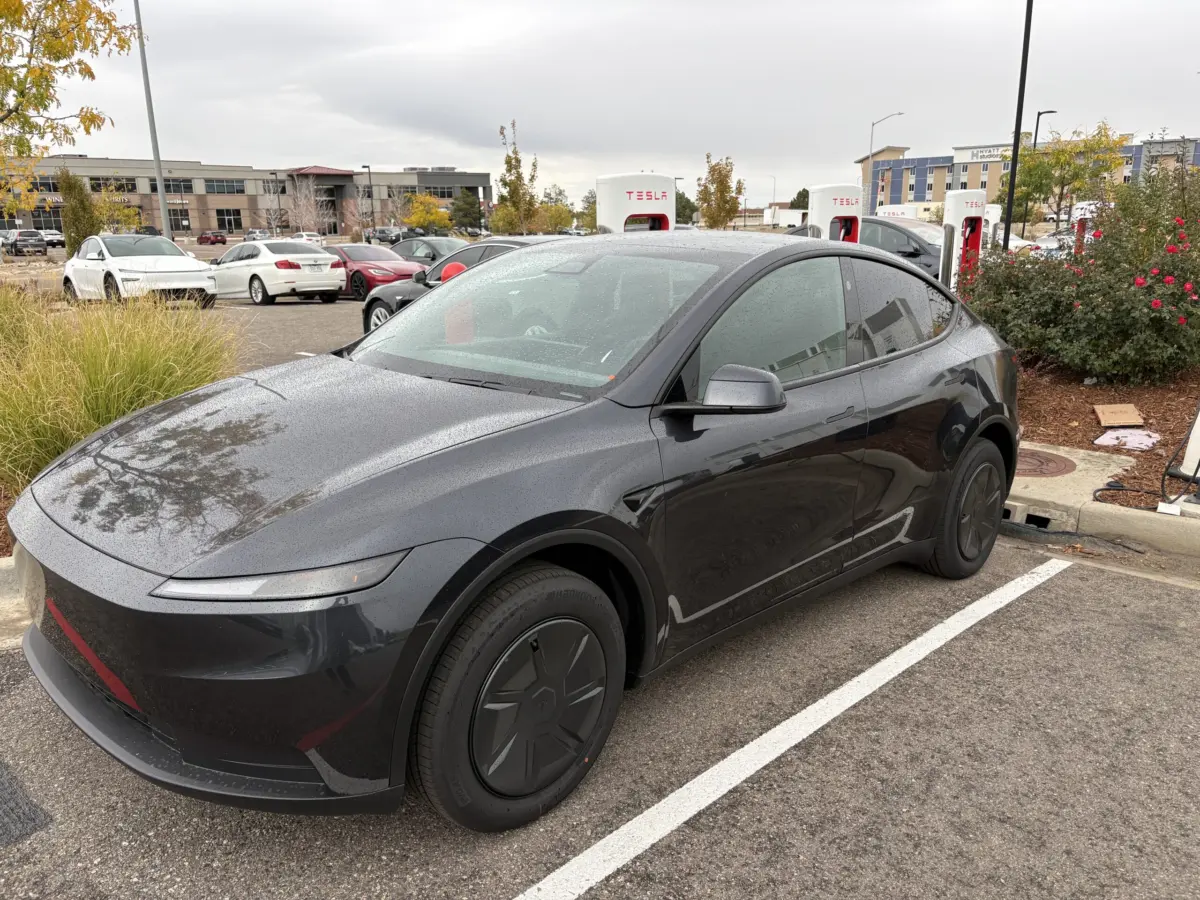
The automotive landscape in late 2026 has been marked by a significant shift in Tesla’s product strategy, as the company moves to solidify its dominance in the family-hauler and entry-level electric vehicle (EV) segments. Following the successful introduction of the Model YL in international markets, the long-wheelbase variant has officially arrived on United States soil, alongside refreshed Standard editions of the Model Y and Model 3. Recent inventory assessments and delivery center reports from high-volume regions, including the Western United States, indicate that while the initial fervor surrounding federal tax credit expirations has stabilized, demand for Tesla’s latest hardware remains high enough to push delivery timelines for new orders well into the first half of 2027.

The Model YL: A Strategic Shift Toward the Family Segment
The introduction of the Model YL—a lengthened version of Tesla’s best-selling crossover—represents a direct response to long-standing consumer feedback regarding the limitations of the standard Model Y’s third-row seating. Historically, Tesla’s solution for larger families was the Model X, but that vehicle occupied a luxury price bracket that remained inaccessible to the average minivan or mid-sized SUV shopper. Furthermore, the Model X’s complex Falcon Wing doors and premium positioning often deterred practical-minded buyers looking for a daily utility vehicle.
The Model YL seeks to bridge this gap. By extending the wheelbase and optimizing the interior packaging, Tesla has produced a vehicle that challenges the interior utility of established internal combustion engine (ICE) competitors such as the Toyota Grand Highlander and the Chevrolet Tahoe. While the Model YL does not yet match the sheer cubic footage of a traditional minivan like the Chrysler Pacifica, it offers a distinct advantage over the standard Model Y.
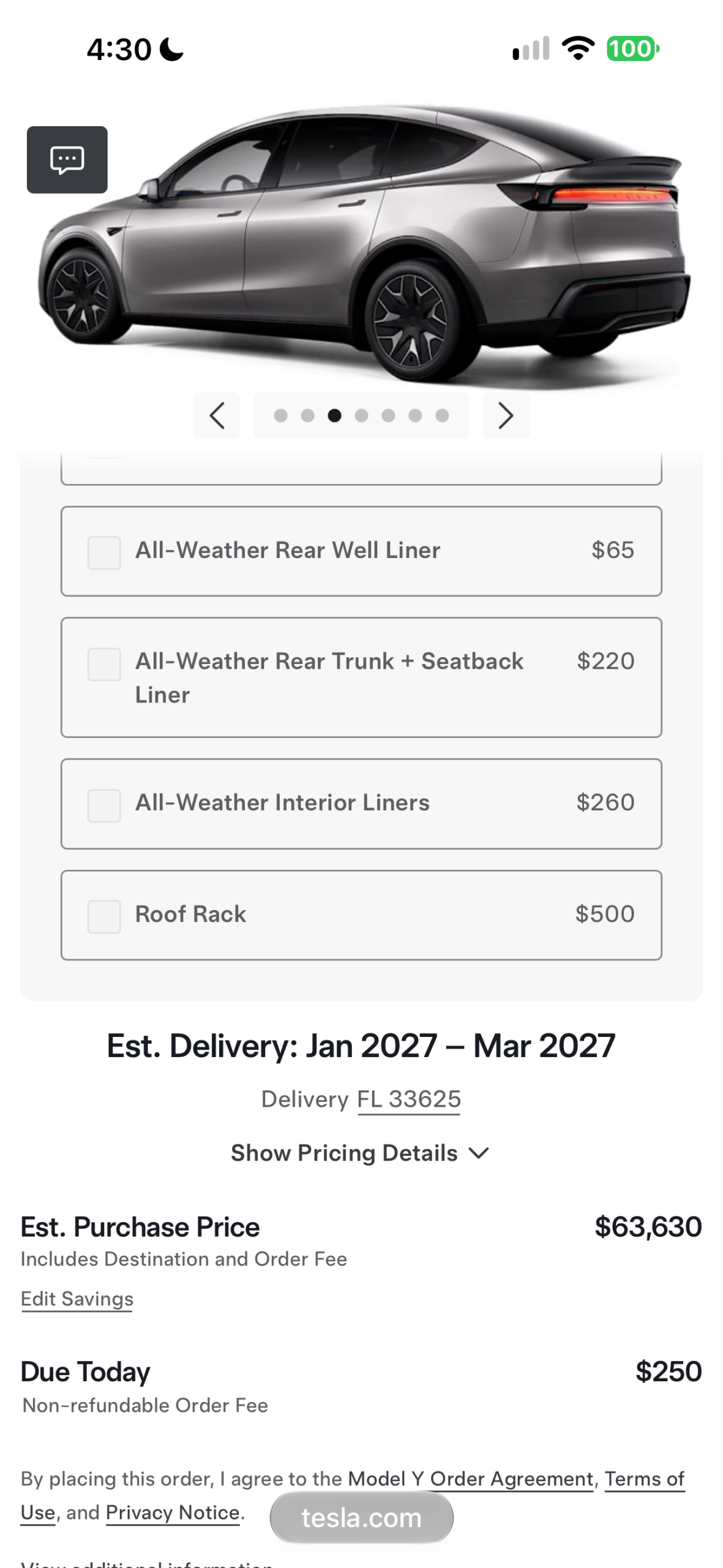
Current pricing for the Model YL "Launch Edition" is set at $61,990. This premium package includes approximately $11,000 in bundled options, which Tesla has used to incentivize early adopters. Market analysts suggest that once the Launch Edition production run concludes, the Model YL will likely carry a base MSRP of approximately $53,000. This would represent a $3,000 premium over the standard-wheelbase dual-motor variants, a pricing strategy consistent with Tesla’s global operations in China and Europe.
Interior Innovations and Third-Row Utility
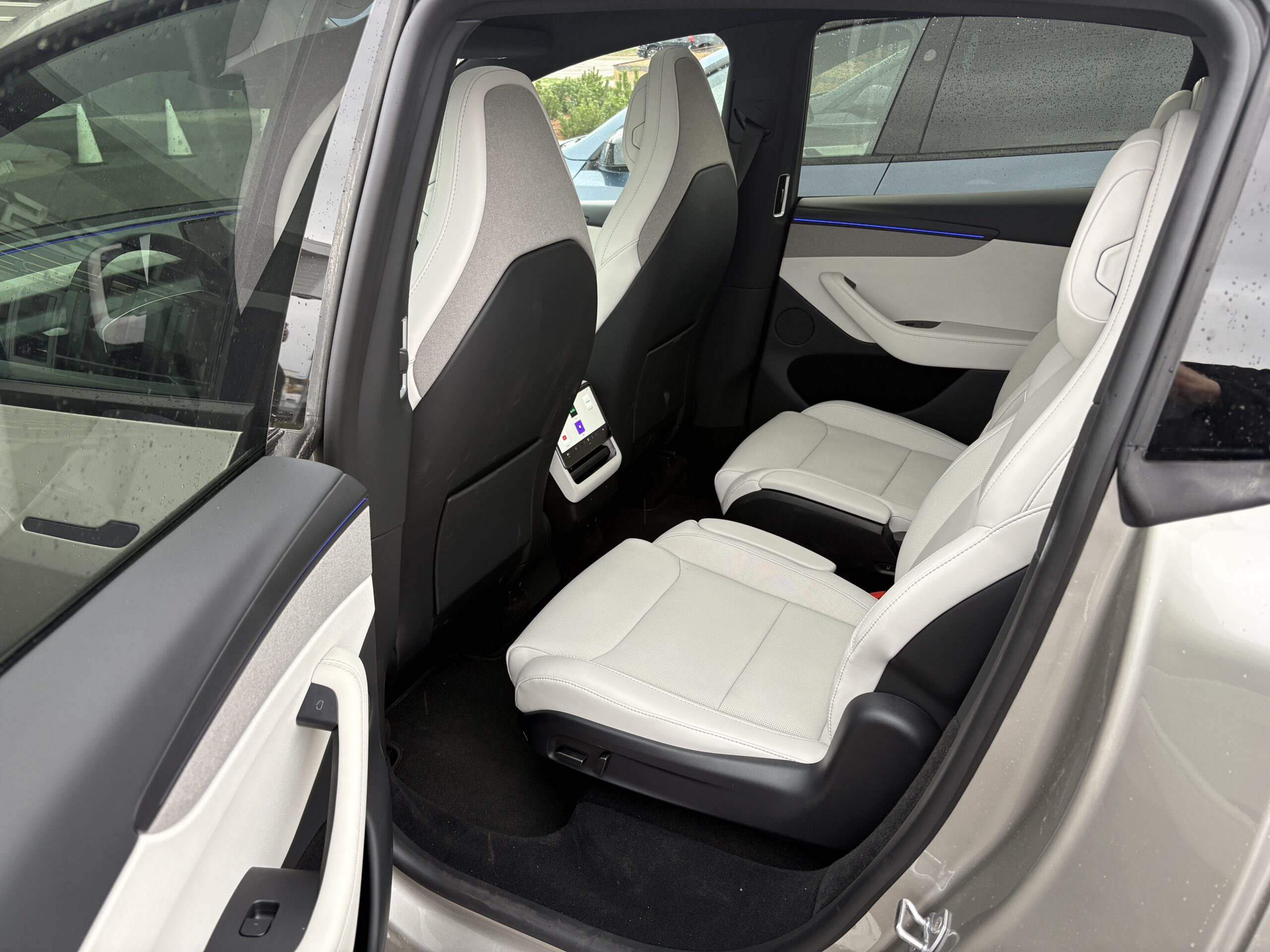
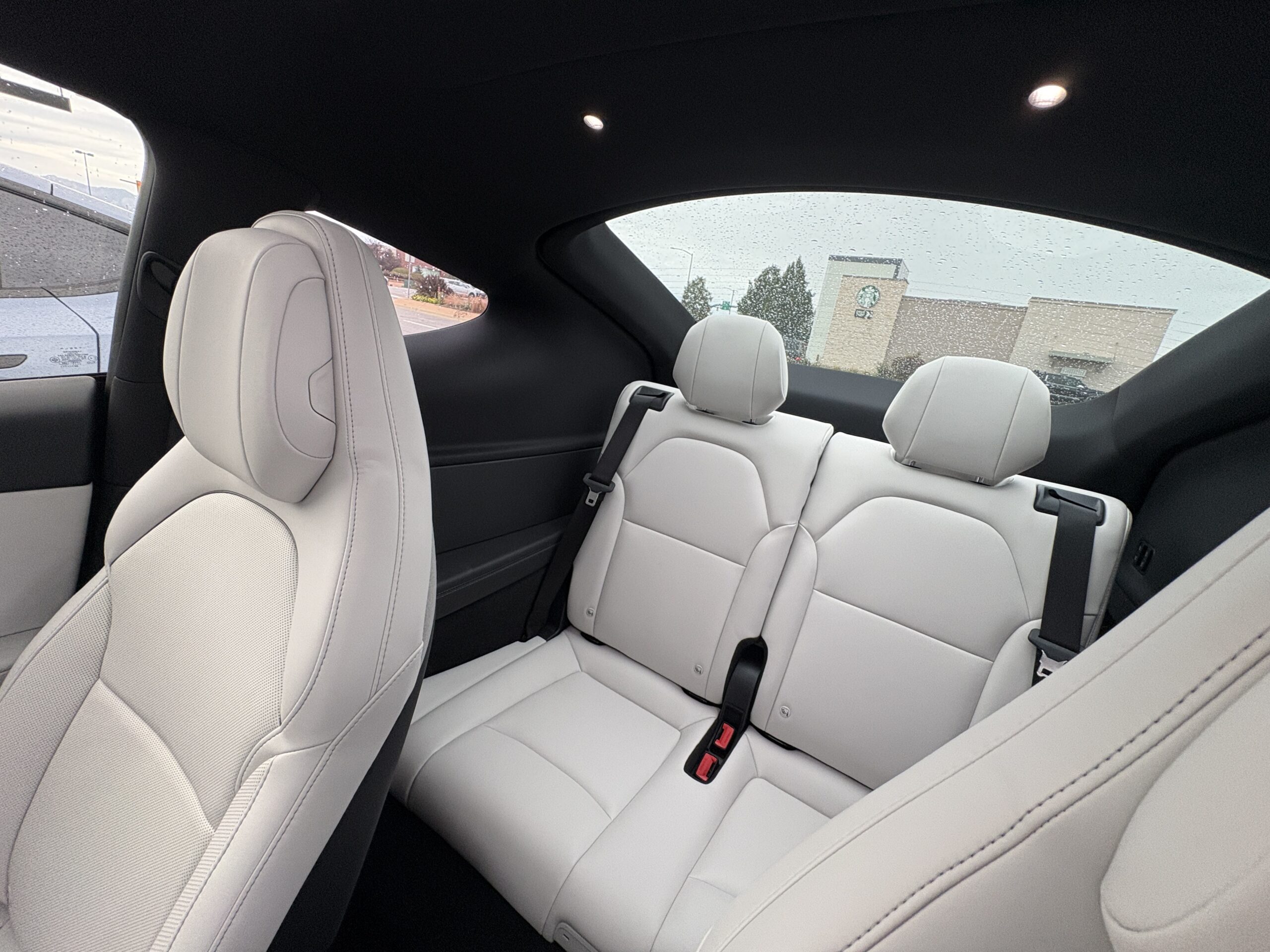
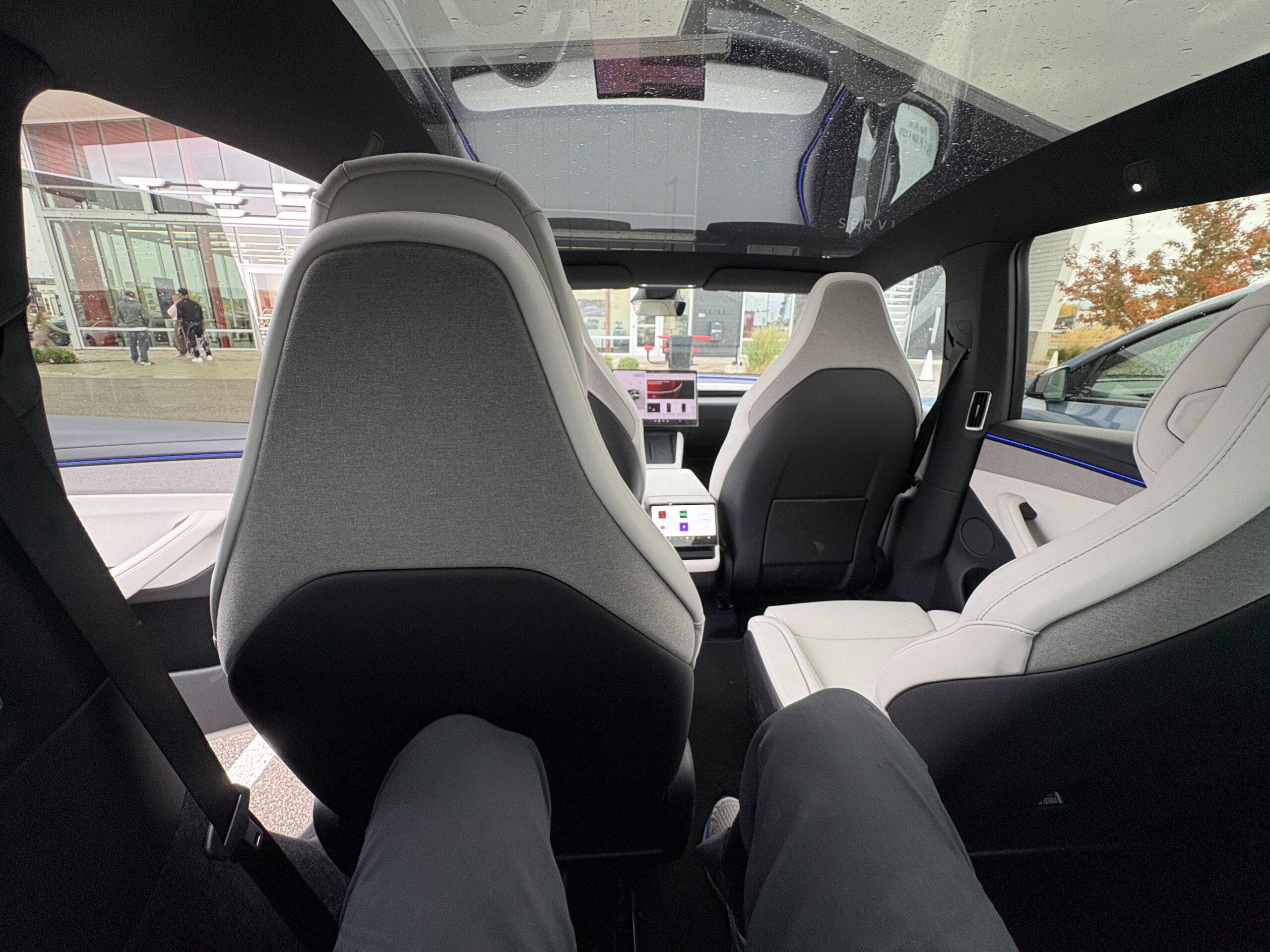
The Model YL’s primary selling point is its reconfigured cabin. The second row has seen a substantial upgrade, now featuring both heated and ventilated seats, adjustable headrests, and increased legroom. These refinements move the Model YL closer to the luxury standards of the Model X while maintaining the production efficiencies of the Model Y platform.
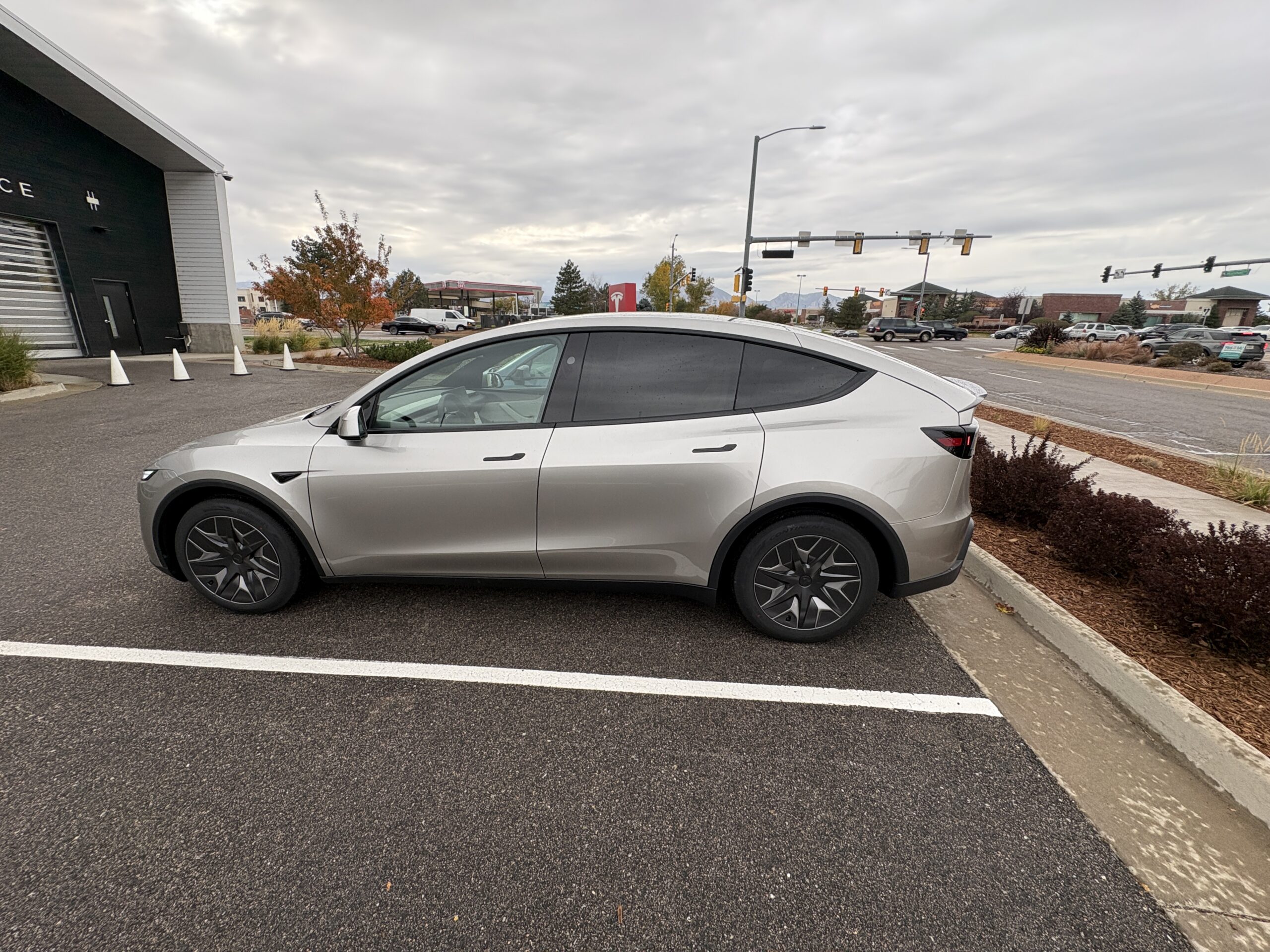
However, the third-row implementation remains a point of technical discussion. Unlike many traditional SUVs where the second row slides forward to grant access to the rear, the Model YL utilizes a fixed-path configuration. Passengers are expected to navigate between the two second-row captain’s chairs to reach the third row. While this design is feasible for children and agile adults, it may present challenges for older passengers or those with limited mobility.
In terms of space, the third row is now viable for adults up to 6’2" in height, a significant improvement over the "child-only" third row found in the standard Model Y. Technical measurements indicate an inch or two of headroom for tall occupants, provided the second-row seats are adjusted to a neutral position. Additionally, the third row includes dedicated HVAC vents and seat heaters, though it lacks the ventilation features found in the front and middle rows.
Engineering Refinements: Suspension and Ride Quality
A critical area of evolution for the 2026 Tesla lineup is the diversification of suspension technology across different trim levels. The Model YL features electronically controlled active dampers, which are tuned specifically for comfort. This system allows the vehicle to adjust its damping characteristics in real-time based on road conditions, providing a "softer" ride that aligns with its mission as a family vehicle.
This stands in contrast to the 2026 Model Y Premium, which utilizes frequency-dependent passive controlled dampers. This setup is designed to strike a balance between handling precision and passenger comfort. Meanwhile, the 2026 Model Y Standard employs retuned conventional passive shock absorbers. While these are more basic than the active systems, they represent a significant upgrade over the 2021-era Model Y suspensions, which were frequently criticized for being overly harsh on uneven pavement.
The Standard Range Resurgence: Model Y and Model 3
While the Model YL targets the premium family market, Tesla has also refreshed its entry-level offerings to capture value-oriented buyers. The Model Y Standard and Model 3 Standard remain the cornerstones of Tesla’s volume strategy, despite the company’s decision not to release a sub-$30,000 "Model 2" as some speculators had anticipated.
The Model Y Standard
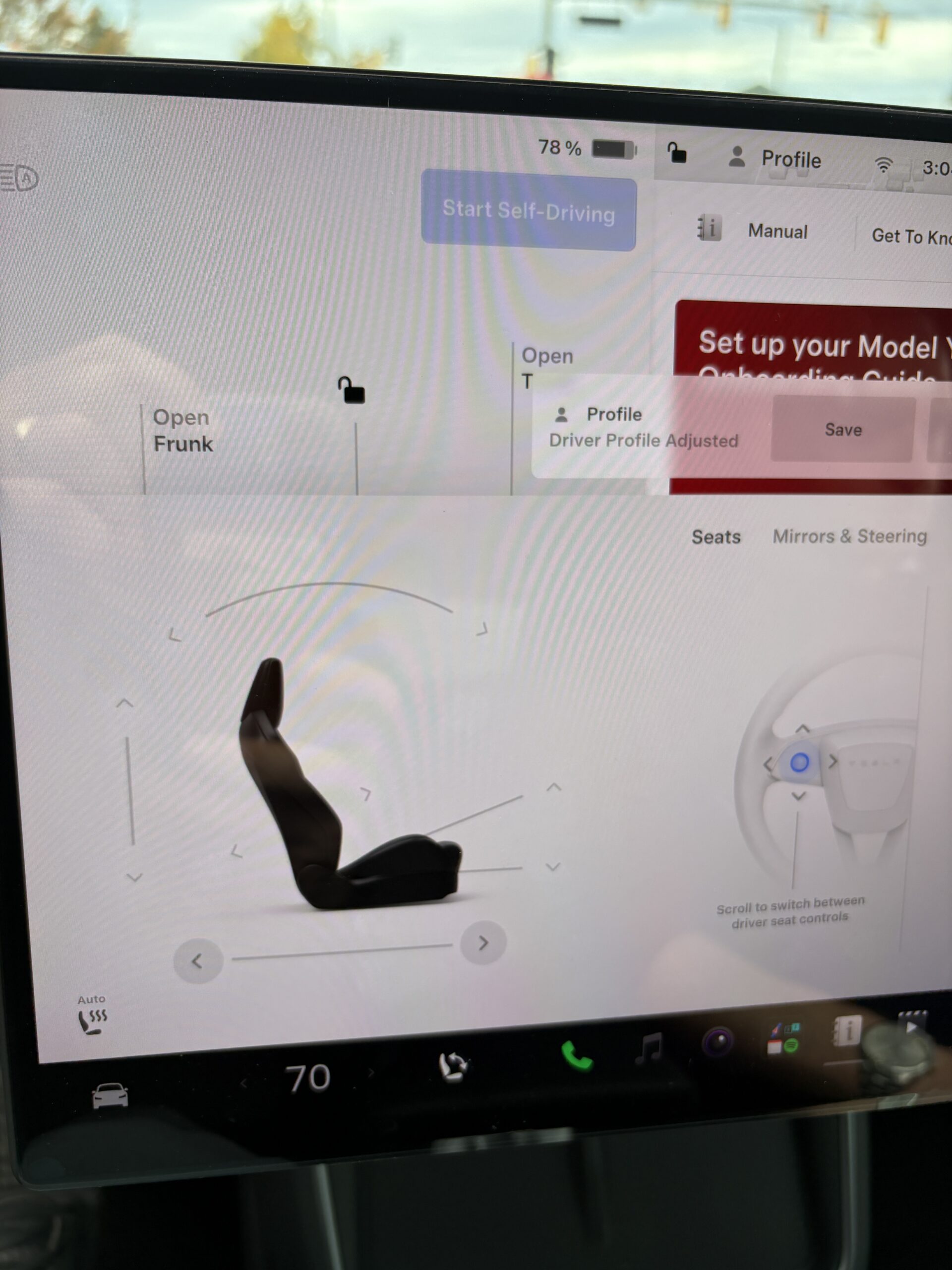
The Model Y Standard (Rear-Wheel Drive) is priced approximately $6,000 below the Premium dual-motor variants. To achieve this price point, Tesla has removed several luxury features, including ventilated seats and the premium 17-speaker audio system. Notably, the Model Y Standard also moves away from physical seat controls. Users must now adjust their seating positions via the central touchscreen interface, a move that streamlines manufacturing but may require an adjustment period for drivers accustomed to tactile switches.
A practical advantage of the Standard trim is the inclusion of 18-inch wheels. These wheels provide a larger tire sidewall compared to the 19-inch and 20-inch options found on higher trims, offering better protection against potholes and contributing to a more compliant ride.
The Model 3 Standard
The Model 3 Standard continues to be a benchmark for efficiency and value. When compared to the original Model 3 launched in 2017, the 2026 version offers superior range, faster acceleration, and significantly more advanced compute power for Full Self-Driving (FSD) capabilities. Despite the effects of inflation over the last decade, the Model 3 Standard remains price-competitive, effectively serving as the entry point for the Tesla brand.

Full Self-Driving (Supervised) and Software Integration
A unifying feature across all three new models is the integration of Tesla’s latest Full Self-Driving (FSD) "Supervised" software. Tesla’s sales staff have pivoted to making FSD a primary component of the vehicle demonstration process. Reports from delivery centers indicate that the software is performing with high reliability in suburban and highway environments, which has become a major selling point for families looking to reduce the fatigue of long commutes.
The software-centric approach also extends to the cabin experience. By migrating seat adjustments and other secondary controls to the screen, Tesla has further reduced the parts count and potential failure points of the interior, while allowing for future updates to the user interface that could automate seating positions based on driver profiles or biometric data.

Market Chronology and Availability
The rollout of these models follows a specific timeline that began with the high-volume production of the Model YL in Giga Shanghai in early 2025. After a year of testing and production scaling, the model was introduced to North American assembly lines in mid-2026.
As of November 2026, the market response has been overwhelming:
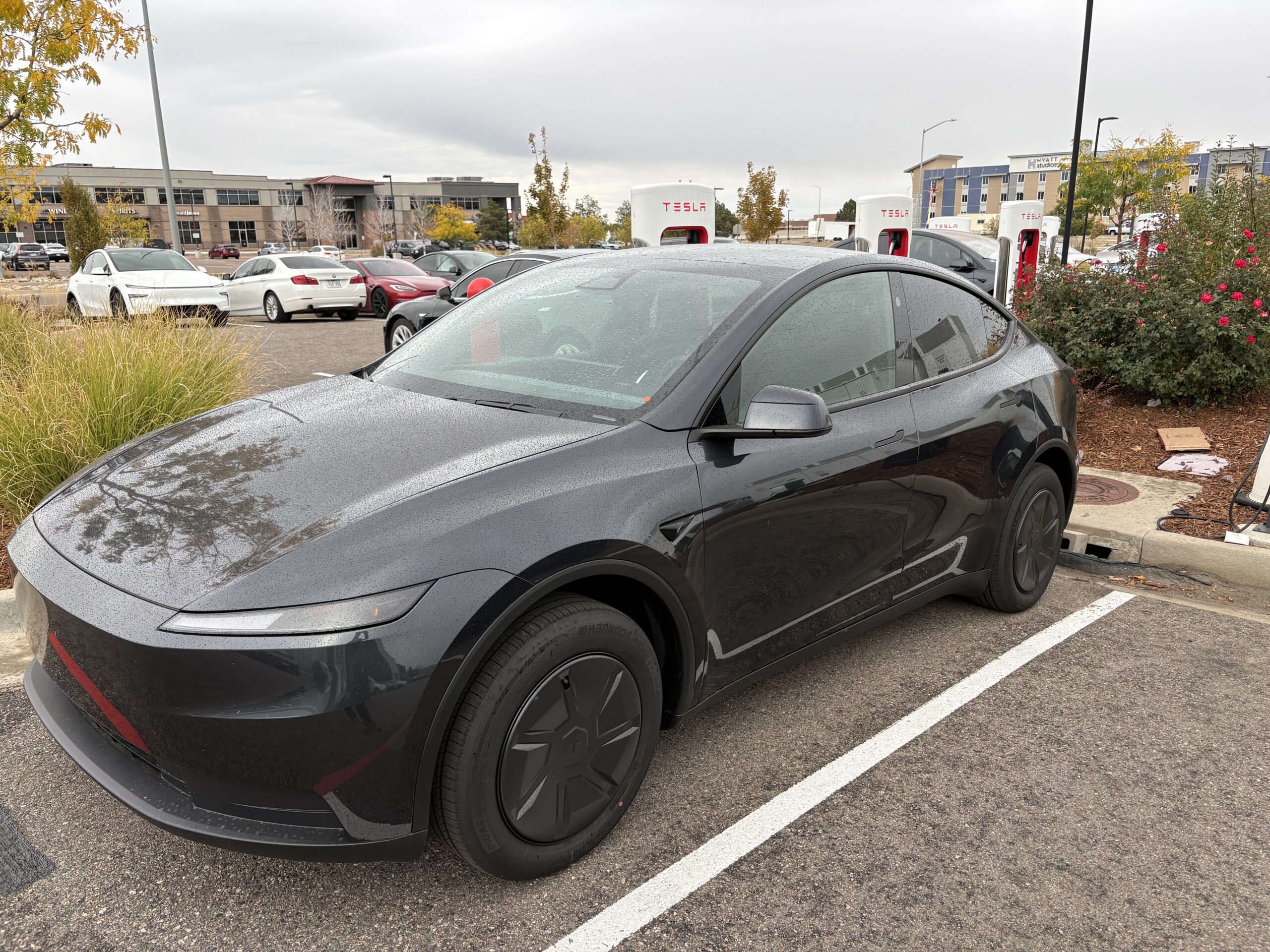
- Model YL: Currently sold out through the remainder of the 2026 calendar year. New orders placed today carry an estimated delivery window of March 2027 or later.
- Model Y Standard: Availability is slightly better, but waitlists remain at 8–12 weeks in high-demand states like Colorado and California.
- Model 3 Standard: Maintaining steady production, though inventory is often spoken for before it reaches the showroom floor.
Unlike previous years where Tesla utilized aggressive financing deals or end-of-quarter discounts to move inventory, the current lack of such incentives suggests that the company is currently production-constrained rather than demand-constrained.
Broader Implications for the EV Industry
Tesla’s 2026 lineup demonstrates a maturation of the brand. By offering a three-row vehicle that is significantly more affordable than the $90,000 Rivian R1S or the Tesla Model X, the company is positioning itself to capture the "middle-class" family demographic that had previously been hesitant to switch to electric power due to space constraints.
Furthermore, the decision to refine existing platforms (Model 3 and Model Y) rather than launching an entirely new, cheaper sub-compact car indicates that Tesla is prioritizing profitability and manufacturing scale over a "race to the bottom" on price. While some critics argue that the lack of a $25,000 vehicle is a missed opportunity, the long waitlists for the $40,000–$60,000 models suggest that the current price points are well-aligned with consumer expectations in the current economic climate.
As production continues to ramp at Giga Texas and Giga Berlin, the industry will be watching to see if competitors like Ford, GM, and Hyundai can match the Model YL’s balance of range, software, and interior utility at a similar price point. For now, Tesla’s ability to sell out its 2026 allocation months in advance indicates that its grip on the crossover market remains firm.
